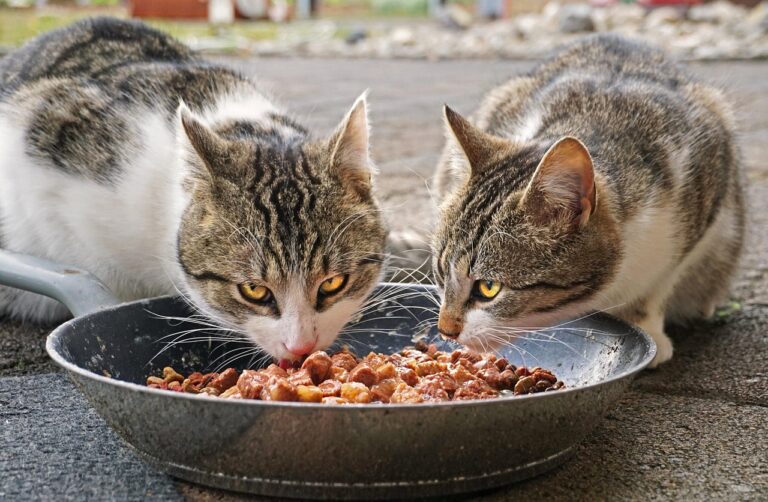
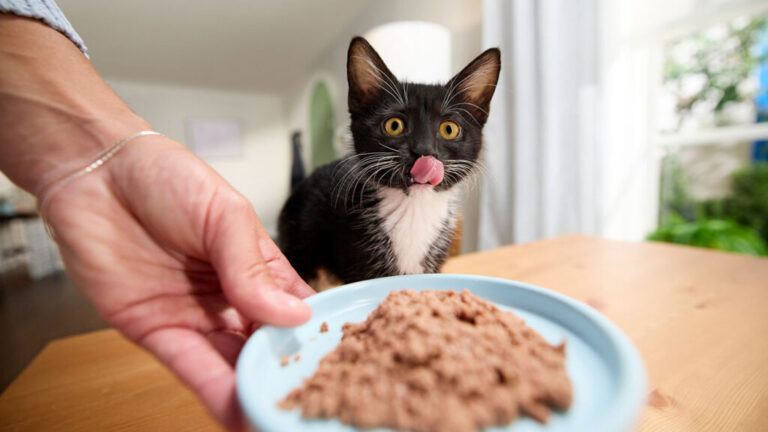
Why Does My Cat Eat Only Gravy From Wet Food: Quick Fixes
Your cat may eat only gravy because it prefers the taste and texture, or because chewing feels painful.
Wondering why does my cat eat only gravy from wet food can be stressful, especially when the meat stays untouched in the bowl. This habit is often simple food preference, but dental pain, nausea, stress, or trouble smelling food can also play a role. Understanding the difference will help you protect your cat’s nutrition and know when to call a veterinarian.

Why does my cat eat only gravy from wet food?
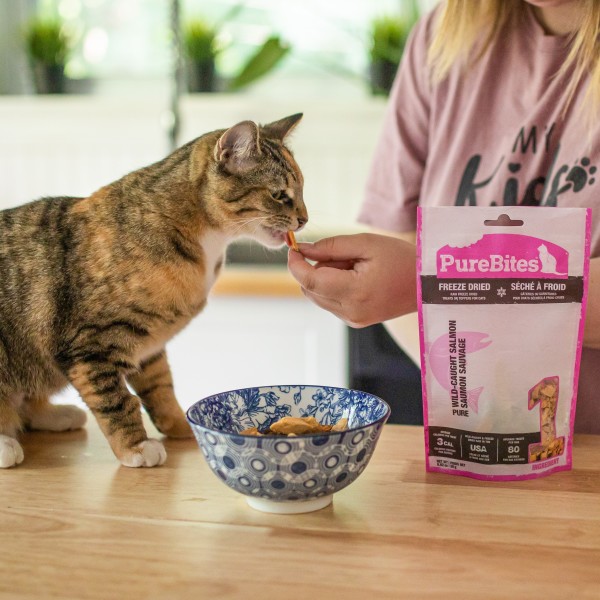
Cats can be selective eaters. Gravy has a strong smell, a smooth texture, and more moisture than the solid pieces in many wet foods. These features can make it more appealing to some cats.
The solid parts may also feel too large, too dry, or too hard to chew. This is more common in older cats, cats with dental disease, and cats with sore mouths.
Here are the most common reasons why does my cat eat only gravy from wet food:
• Preference for taste or texture: Your cat may simply like the sauce more than the meat.
• Stronger smell: Gravy spreads food odors well, which may attract cats with a weak sense of smell.
• Dental pain: Chewing chunks can hurt if your cat has gum disease, a broken tooth, or mouth inflammation.
• Nausea: Cats that feel sick may lick gravy but avoid heavier food.
• Food shape: Large chunks may be hard for small cats, senior cats, or cats with jaw problems to manage.
• Learned behavior: If you add extra gravy or replace the food each time, your cat may learn to wait for a preferred meal.
• Stress: A new pet, home move, loud noise, or changed routine can affect appetite.
This behavior does not always mean your cat is being stubborn. It may be your cat’s quiet way of saying, “Something about this food does not feel right.”

Food preference and texture problems
Some cats enjoy licking more than chewing. Gravy is easy to lap, while chunks require biting and moving food around the mouth. The texture may remind your cat of a smooth treat, making it more rewarding.
Food temperature can also matter. Refrigerated wet food has less smell and may feel less appealing. Many cats prefer food near room temperature because it smells more like fresh prey.
The recipe itself may cause the issue. One brand may use soft pâté, while another uses firm cubes in thick sauce. If your cat eats pâté but refuses chunks, the problem is likely texture rather than a complete loss of appetite.
Try these simple changes:
• Mash the chunks into the gravy with a fork.
• Add one or two teaspoons of warm water.
• Warm the food slightly, but never make it hot.
• Offer pâté or mousse instead of chunky recipes.
• Use a wide, shallow dish so your cat’s whiskers do not touch the sides.
• Serve small portions more often.
When considering why does my cat eat only gravy from wet food, pay attention to what happens with different textures. A cat that eats blended food may have a texture preference. A cat that refuses all solid food may need a health check.
Could dental pain be the reason?
Dental disease is one of the most important health causes to consider. Many cats hide oral pain well. They may still seem bright and active while avoiding food that hurts to chew.
Gum disease can cause swollen gums, bad breath, bleeding, and loose teeth. Some cats develop tooth resorption, a painful condition in which the tooth structure breaks down below the gum line. A cat with mouth pain may lick gravy because it can swallow it without much chewing.
Watch for these signs:
• Dropping food from the mouth
• Chewing on one side
• Pawing at the face
• Drooling
• Bad breath
• Red or bleeding gums
• Crying or moving away while eating
• Weight loss
• Avoiding dry food and firm treats
If your cat shows these signs, arrange a veterinary visit. A proper oral exam may require sedation because painful areas can hide below the gum line. Home inspection alone cannot rule out dental disease.
Do not force chunks into your cat’s mouth. Do not give human pain medicine. Drugs such as acetaminophen and ibuprofen can be dangerous or fatal to cats.

Medical conditions that can affect appetite
Why does my cat eat only gravy from wet food may have a medical answer when the behavior starts suddenly. Cats with illness often show small changes before they appear very sick.
Nausea is one possibility. Kidney disease, liver disease, stomach problems, pancreatitis, medication side effects, and other conditions can cause nausea. A nauseated cat may lick gravy because it wants food but cannot tolerate a full meal.
A reduced sense of smell can also change eating habits. Upper respiratory infections may block the nose, making food less appealing. Since cats rely heavily on smell, congestion can turn a favorite meal into something uninteresting.
Other possible causes include:
• Mouth ulcers
• Diabetes
• Inflammatory bowel disease
• Cancer
• Constipation
• Foreign objects in the mouth or digestive tract
• Arthritis that makes it painful to reach a low bowl
• Stress-related appetite changes
Contact your veterinarian promptly if your cat eats very little for 24 hours. Cats can develop hepatic lipidosis, also called fatty liver disease, after a period of poor eating. Overweight cats may face an especially high risk, but any cat can become seriously ill.
Seek urgent care if your cat also has repeated vomiting, severe weakness, trouble breathing, collapse, yellow skin or eyes, bloody stool, or signs of dehydration.

How to tell whether it is picky eating or a health problem
The pattern, timing, and other symptoms provide useful clues. A cat that has always preferred gravy and maintains a healthy weight may have a harmless texture preference. A cat that suddenly changes its eating style needs more careful attention.
Use this quick observation checklist:
• When did the behavior begin?
• Does your cat eat pâté or blended food?
• Does your cat eat treats?
• Is your cat drinking more or less than usual?
• Has your cat lost weight?
• Is your cat vomiting or having diarrhea?
• Does your cat drool or have bad breath?
• Has anything changed at home?
• Does your cat approach food, then walk away?
Approaching food and walking away can suggest nausea, pain, or a strong dislike of the food. Licking gravy and leaving meat may also mean your cat still has an appetite but cannot comfortably handle the texture.
Weigh your cat once a week if possible. A baby scale or pet scale can help. Even gradual weight loss matters, so keep a simple record to share with your veterinarian.

Safe ways to encourage your cat to eat more
If your cat is otherwise well, you can make the solid food easier to accept. Change one thing at a time so you can see what works.
Try this gradual plan:
-
Mash the meat into a smooth paste with the gravy.
-
Add a small amount of warm water if the food is thick.
-
Offer a smooth pâté with a similar flavor.
-
Mix a small amount of pâté into the usual food.
-
Increase the new texture slowly over several days.
-
Serve fresh food in a clean, shallow dish.
-
Remove uneaten wet food after about 20 to 30 minutes.
Do not starve your cat to force acceptance of a new texture. That approach can create stress and may lead to dangerous food refusal. Cats need regular calories, and sudden fasting can be harmful.
You can also try hand-feeding a tiny amount from a spoon, but stop if your cat becomes upset. Keep meals calm and quiet. Some cats eat better away from dogs, busy hallways, washing machines, and litter boxes.
When asking why does my cat eat only gravy from wet food, remember that the best solution depends on the cause. A texture change may solve a preference issue, but it will not fix a painful tooth or stomach disease.

Is gravy-only eating nutritionally complete?
Gravy alone may not provide enough calories, protein, vitamins, or minerals. Many wet foods are labeled complete and balanced only when the entire recipe is eaten. The sauce portion by itself may not contain the correct nutrient mix.
Check the package for a nutritional adequacy statement from the Association of American Feed Control Officials. Look for wording that says the food is complete and balanced for your cat’s life stage.
Treats, toppers, and broths can also add calories without providing balanced nutrition. Some gravies contain a lot of water and flavor but very little protein. Others may be high in salt or include ingredients that do not suit every cat.
Ask your veterinarian about a suitable food if your cat will eat only gravy. A veterinary nutritionist can help in complicated cases, especially when your cat has kidney disease, diabetes, food allergies, or digestive problems.
Never add supplements without professional advice. Too much vitamin A, calcium, or other nutrients can harm cats.

Common mistakes to avoid
It is easy to make this problem worse while trying to help. Most caregivers act with kindness, but some common habits reward food refusal.
Avoid these mistakes:
• Offering many foods at once: This can upset the stomach and make preferences stronger.
• Changing food every few hours: Your cat may learn that refusing food brings a new option.
• Adding human gravy: Onion, garlic, excess fat, and salt can be unsafe for cats.
• Forcing food into the mouth: Force-feeding may cause fear and food aversion.
• Ignoring weight loss: A cat can become ill before obvious symptoms appear.
• Assuming old age is the only cause: Senior cats often need dental and medical checks.
• Leaving wet food out all day: Spoiled food can cause stomach upset and lose its appeal.
A helpful lesson from many feeding cases is to separate “what my cat likes” from “what my cat can comfortably eat.” That small distinction can prevent weeks of guessing.
When to call the veterinarian
Make a routine appointment if your cat has eaten only gravy for more than a few days, especially if the habit is new. Your veterinarian may examine the mouth, weigh your cat, ask about stool and urine, and recommend blood tests.
Call sooner if your cat eats less than normal or shows pain while eating. A cat does not need to look seriously ill for a dental problem or internal disease to be present.
Seek emergency care when your cat refuses all food, cannot keep water down, becomes very weak, has breathing trouble, or shows yellow gums or eyes. Do not wait for a severe decline.
Bring a short food diary to the appointment. Note the brand, flavor, amount offered, amount eaten, vomiting, stool changes, and weight. A photo or video of your cat eating may also help the veterinary team understand the problem.
Frequently Asked Questions
Why does my cat eat only gravy from wet food but not the chunks?
Your cat may prefer a smooth texture, or chewing may be painful. Try mashing the chunks, but arrange a veterinary exam if the habit is new or your cat shows weight loss, drooling, or bad breath.
Is it okay if my cat eats only the gravy?
Gravy alone is usually not a complete diet unless the product is specifically made to be nutritionally complete. Ask your veterinarian for advice if your cat refuses the main food for more than a short time.
How can I get my cat to eat the meat in wet food?
Mash the meat into the gravy and add a little warm water if needed. You can also try pâté or mousse, but introduce changes slowly and do not force-feed.
Does gravy-only eating mean my cat has dental disease?
Not always, but dental disease is an important possibility. Mouth pain can make cats lick soft food while avoiding pieces that require chewing.
Should I warm my cat’s wet food?
Slightly warming wet food can increase its smell and make it more appealing. Use a small amount, stir it well, and check that it is lukewarm rather than hot.
How long can a cat go without eating?
A cat should not go without food for long, because poor intake can lead to serious illness. Contact a veterinarian promptly if your cat refuses food for about 24 hours, or sooner if it is overweight or has other symptoms.
Can stress cause a cat to eat only gravy?
Yes, stress can reduce appetite or change eating habits. Provide a quiet feeding area, keep routines steady, and speak with your veterinarian if the behavior continues.
Conclusion
Why does my cat eat only gravy from wet food can have a simple answer, such as a strong texture preference, but it can also point to dental pain, nausea, stress, or another health problem. Check for weight loss and other symptoms, offer soft and balanced food, and avoid forcing meals.
If this habit is sudden, persistent, or linked with pain or illness, schedule a veterinary check. Start by recording what your cat eats today, then share your observations with your veterinarian or explore trusted feline nutrition resources for the next step.