Why Do Cats Like Creamy Treats: The Feline Flavor Secret
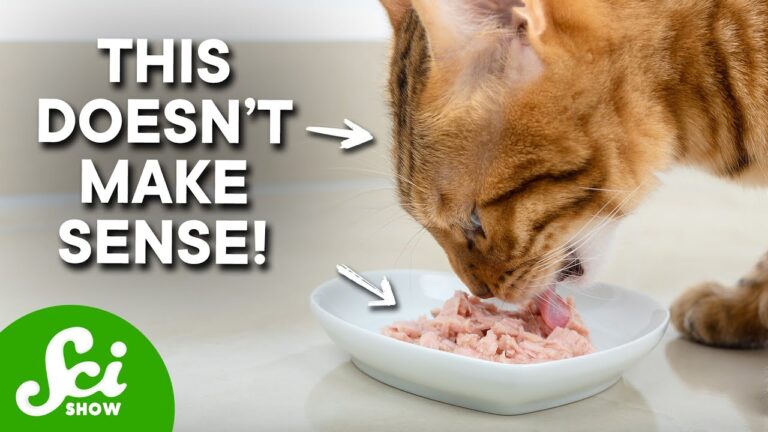
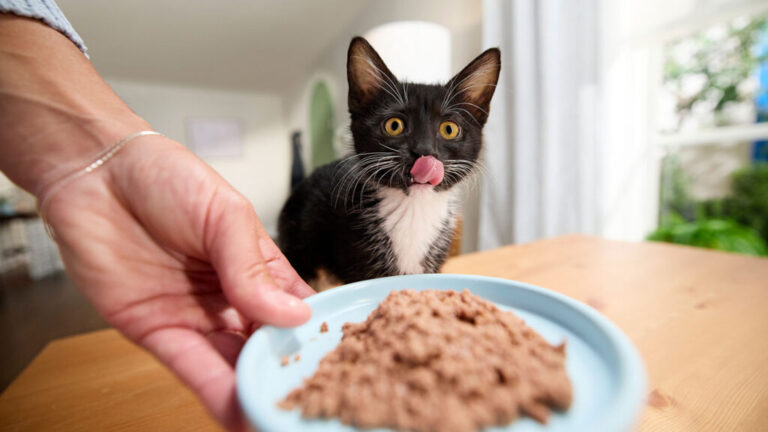
Cats like creamy treats because their smooth texture, strong aroma, rich taste, and high moisture appeal to natural feeding instincts.
If you have ever opened a lickable treat and watched your cat appear from nowhere, you are not alone. Understanding why do cats like creamy treats can help you use them wisely for bonding, training, hydration, and medication support without upsetting your cat’s diet.
Why Do Cats Like Creamy Treats?
Cats are drawn to creamy treats for several reasons. The texture is easy to lick, the smell is often strong, and the flavor can be rich and savory. These traits match the way cats explore food with their nose, tongue, and sensitive whiskers.
Creamy cat treats also contain much more moisture than dry kibble. Since cats naturally have a low thirst drive, a moist snack can feel appealing and refreshing. The soft texture may also remind some cats of the smooth foods they first ate as kittens.
Here are the main reasons cats enjoy these treats:
• Strong smell: Cats have a powerful sense of smell, and creamy treats often release a strong meat or fish aroma.
• Savory flavor: Many contain chicken, tuna, salmon, liver, or other animal-based ingredients.
• Smooth texture: A lickable treat is easy to eat and needs little chewing.
• High moisture: The water content can make the treat more appealing than dry food.
• Novelty: A special texture or flavor can be more exciting than the same daily meal.
• Positive attention: Cats may connect creamy treats with petting, praise, play, or time with you.
Cats do not enjoy food in exactly the same way people do. They do not taste sweetness as humans do because their sweet taste receptor is not functional. Their food choices are shaped more by meat-based flavors, aroma, temperature, texture, and past experiences.

The Role of Smell and Savory Flavor
Smell plays a major role in feline food preferences. A cat’s sense of smell helps it decide whether food is safe and worth eating. When a creamy treat is squeezed from a pouch, its aroma spreads quickly, which can grab your cat’s attention.
Many creamy treats use ingredients rich in amino acids and natural flavor compounds. Meat and fish provide umami, a savory taste that cats often prefer. This is one reason a tuna-flavored lickable treat may be more exciting to your cat than a sweet human dessert.
Cats also respond to the freshness and temperature of food. A treat served at room temperature usually smells stronger than one taken straight from the refrigerator. However, never serve a treat that is hot, spoiled, or left open for too long.
This helps explain why do cats like creamy treats even when they seem full. The smell may trigger interest before hunger does. Your cat may be responding to the sensory experience, not asking for a full meal.

Why Texture Matters to Cats
Texture is one of the most important parts of a cat’s eating experience. Some cats like crunchy food, while others prefer pâté, mousse, gravy, or soft treats. Creamy treats offer a smooth feel that many cats find easy and pleasant to lick.
Licking can also be calming. The repeated motion may provide a slow, soothing activity, much like grooming. This does not mean every cat uses treats to manage stress, but the gentle pace can make feeding feel less rushed.
Creamy treats may be especially useful for cats with:
• Missing teeth
• Sore gums
• Mouth pain
• Reduced appetite
• Trouble chewing
• A strong preference for soft food
Still, a soft texture should not hide a health problem. If a cat suddenly stops eating dry food but begs for creamy treats, schedule a veterinary check. Dental disease, nausea, mouth ulcers, and other problems can make hard food uncomfortable.
A common mistake is to assume that a cat is simply “picky.” A sudden texture preference can be a clue. Watching eating habits closely can help you spot changes early.

Do Creamy Treats Taste Like Milk?
Some creamy treats may taste or smell slightly milky, but they are not always made from regular dairy milk. Many are made from water, meat, fish, starch, oils, vitamins, and flavorings. Others may contain dairy ingredients in small amounts.
Most adult cats produce less lactase than kittens. Lactase is the enzyme that helps digest lactose, the sugar in milk. Because of this, some cats develop gas, loose stool, vomiting, or stomach discomfort after eating dairy products.
This is why ordinary cow’s milk is not a good substitute for a cat treat. A product made for cats may contain less lactose, but you should still read the label and watch your cat’s response.
If your cat has a known dairy allergy, food intolerance, inflammatory bowel disease, or a sensitive stomach, ask your veterinarian before offering a new creamy snack.
Are Creamy Cat Treats Healthy?
Creamy cat treats can fit into a healthy routine when given in small amounts. They are treats, not complete meals. Their main purpose is enjoyment, bonding, or a helpful tool for care.
A balanced cat diet should provide the right levels of protein, fat, vitamins, and minerals. Treats may not contain all of these nutrients in the correct amounts. Some creamy snacks are also low in calories but high in sodium, fat, or flavor additives.
Check the package for:
• Calories per serving
• Protein and fat levels
• Added salt
• Dairy ingredients
• Artificial colors or flavors
• The recommended serving size
• A complete and balanced statement, if you plan to use the product as more than a treat
Many veterinary nutrition experts suggest keeping treats at no more than about 10% of a cat’s daily calorie intake. The exact amount depends on your cat’s weight, age, activity level, health, and main diet.
For example, a creamy treat may seem tiny, but several pouches each day can add up. A small indoor cat may need fewer daily calories than a large, active cat. Your veterinarian can help set a safe limit.

Can Creamy Treats Help With Hydration?
Creamy treats often contain a large amount of water. This can add moisture to a cat’s daily intake, which may be helpful for cats that rarely drink from a bowl.
However, a treat should not replace fresh water or a moisture-rich complete diet. Cats with kidney disease, urinary problems, diabetes, or other medical conditions may need a carefully planned feeding routine.
You can support hydration by:
• Offering clean water in several quiet places
• Trying a wide, shallow bowl
• Washing water bowls often
• Using a cat water fountain if your cat likes moving water
• Feeding a complete wet food diet when recommended
• Adding a small amount of water to wet food
Creamy treats can be a useful extra source of moisture, but they are not a treatment for dehydration. Signs such as weakness, dry gums, repeated vomiting, or very little urine require prompt veterinary care.

Using Creamy Treats for Bonding and Training
One reason why do cats like creamy treats is that they often arrive during warm social moments. You may offer one after brushing, nail trimming, a carrier visit, or a play session. Over time, your cat may connect the treat with safety and praise.
This makes lickable treats useful for gentle training. You can offer a small amount when your cat stays calm near a carrier or allows brief handling. The goal is to reward relaxed behavior, not force contact.
Try this simple method:
-
Place the treat near your cat without reaching over its head.
-
Allow your cat to approach at its own pace.
-
Give a tiny amount after calm behavior.
-
Stop before your cat becomes nervous or frustrated.
-
Repeat short sessions over several days.
A treat should never be used to trick a frightened cat into a stressful situation. For example, coating a carrier with food may help some cats, but pushing a scared cat inside can make the carrier more frightening in the future.
In my experience, the best results come from using treats as a quiet invitation rather than a bribe. Letting the cat choose the pace builds trust much faster.
Can Creamy Treats Help With Medication?
Some cats will accept medicine mixed with a creamy treat. This can make medication time less stressful, but you should ask your veterinarian or pharmacist before hiding any drug in food.
Some medicines must be given on an empty stomach. Others should not be crushed or mixed with food. If the cat eats only part of the treat, you may not know how much medicine it received.
Safer medication tips include:
• Confirm that the medicine can be given with food.
• Use a very small treat portion.
• Make sure your cat eats the full medicated amount.
• Avoid mixing medicine into a full meal.
• Do not repeat a dose unless a veterinary professional tells you to do so.
• Watch for vomiting, drooling, weakness, or other reactions.
A useful lesson is to test the plain treat first. If your cat learns that the creamy snack always contains medicine, it may refuse the treat later.

Why Some Cats Do Not Like Creamy Treats
Not every cat enjoys creamy treats. Food preference can vary because of genetics, early experiences, health, age, and texture sensitivity.
A cat may refuse a creamy treat because:
• The flavor is unfamiliar
• The smell is too strong
• The treat is too cold
• The cat dislikes the texture
• The cat feels nauseated
• The cat has dental pain
• The product contains an unwanted ingredient
• The cat prefers crunchy food
Do not force the treat into your cat’s mouth. Instead, try a different flavor or offer a tiny amount on a plate. Some cats dislike eating directly from a pouch because the opening touches their whiskers or feels uncomfortable.
If your cat refuses all food, eats much less than usual, or shows signs of illness, contact your veterinarian. Cats can become seriously ill after going without food, especially if they are overweight.

Are Creamy Treats Safe for Kittens?
Kittens can enjoy treats, but their main food should be a complete diet made for growth. Young cats need extra nutrients for bones, muscles, organs, and brain development. Treats should stay small and occasional.
Avoid giving kittens products made for people. Human cream, milk, flavored yogurt, and salty foods may cause stomach upset or provide too many calories.
Before offering a creamy treat to a kitten:
• Check the recommended age on the package.
• Give only a tiny amount.
• Choose a product made for cats.
• Watch for diarrhea or vomiting.
• Keep treats separate from the kitten’s main meals.
• Ask your veterinarian if the kitten has a medical condition.
Very young kittens should follow their veterinarian’s feeding advice. They may need a specific milk replacer, not cow’s milk or ordinary creamy snacks.
Possible Problems With Creamy Cat Treats
Creamy treats are not dangerous for most healthy cats when used correctly, but they can cause problems if given too often or if the ingredients do not suit your cat.
Common concerns include:
Too many calories
Extra calories can lead to weight gain. Obesity increases the risk of diabetes, joint strain, breathing problems, and other health issues.
Digestive upset
A new treat may cause loose stool, gas, vomiting, or reduced appetite. Introduce it slowly and stop if symptoms appear.
Food intolerance
Some cats react poorly to dairy, fish, chicken, beef, or certain additives. Keep a simple record if your cat reacts to different flavors.
Poor diet balance
Too many treats can reduce interest in complete cat food. This may create nutrient gaps over time.
Choking or pouch hazards
Never leave a cat alone with packaging. Cats may chew plastic or swallow pieces of the pouch.
Special medical needs
Cats with kidney disease, urinary disease, diabetes, pancreatitis, allergies, or obesity may need treats chosen with professional guidance.
The safest approach is simple: use a small serving, read the label, and watch your cat’s body and behavior.
How Many Creamy Treats Can a Cat Have?
The right amount depends on the product and your cat’s daily calorie needs. Start with a small portion rather than giving the entire pouch. The package may list a serving size, but that guidance may not account for your cat’s health or other treats.
A practical routine is:
-
Count all treats given during the day.
-
Keep them within about 10% of daily calories.
-
Reduce the portion for overweight or inactive cats.
-
Include treats in the daily food plan.
-
Use part of a pouch and refrigerate the rest only as directed.
-
Discard leftovers that smell different or have been stored too long.
If you use creamy treats for training, divide one serving into many tiny rewards. Cats often care more about the repeated experience than the size of each lick.
Your veterinarian can help calculate calories for cats with weight, kidney, liver, or digestive concerns.
How to Choose a Better Creamy Treat
A good creamy cat treat should match your cat’s age, health, diet, and preferences. Marketing words such as “natural,” “premium,” or “holistic” do not automatically make a product healthier.
Look for:
• A clear ingredient list
• A known calorie count
• Animal-based protein near the start of the list
• Moderate fat and sodium
• No ingredients your cat cannot tolerate
• Packaging that is easy to store safely
• Feeding directions that are easy to follow
Choose a flavor your cat already tolerates. If your cat eats chicken-based food without trouble, a chicken treat may be a reasonable first choice. For a cat with suspected food allergies, avoid experimenting without veterinary guidance.
It is also wise to buy small quantities at first. A large box is not a bargain if your cat refuses it or develops stomach upset.
A Simple Way to Introduce a New Creamy Treat
Changing treats suddenly can upset some cats. A slow introduction helps you see whether the product agrees with your cat.
Use these steps:
-
Offer a pea-sized amount after a normal meal.
-
Wait 24 hours and watch for digestive changes.
-
If your cat responds well, offer a slightly larger portion next time.
-
Do not introduce several new treats at once.
-
Stop the product if vomiting, diarrhea, itching, or swelling occurs.
-
Contact a veterinarian if symptoms are severe or continue.
This process also helps you identify the cause of a reaction. If you introduce three new foods at once, it becomes difficult to know which one caused trouble.
Why Do Cats Like Creamy Treats More Than Dry Food?
Some cats prefer creamy treats because they are softer, smell stronger, and contain more moisture than dry food. The smooth texture may also be easier to lick than crunchy food is to chew.
However, a strong preference for creamy food can sometimes signal dental pain, nausea, or another health problem. A sudden change deserves attention, especially if your cat loses weight or eats less overall.
Why Do Cats Like Creamy Treats Straight From the Pouch?
The pouch releases a strong aroma, and the treat is often served in a small, rewarding amount. Cats may also enjoy the close interaction with their person during pouch feeding.
Still, avoid letting the pouch rub against your cat’s teeth or whiskers. Squeezing the treat onto a small dish or spoon can be cleaner and more comfortable.
Can Creamy Treats Make Cats Sick?
Creamy treats can cause illness if a cat eats too much, reacts to an ingredient, or has a medical condition affected by the food. Possible signs include vomiting, diarrhea, gas, itching, or reduced appetite.
Give a small amount first and monitor your cat. Seek veterinary help for repeated vomiting, breathing trouble, facial swelling, severe weakness, or signs of dehydration.
Frequently Asked Questions About Why Do Cats Like Creamy Treats
Why do cats like creamy treats if they are not hungry?
Cats may want creamy treats because of the smell, flavor, texture, or attention they receive. Appetite is only one reason a cat may show interest in a special snack.
Are creamy treats better than crunchy treats?
Neither type is automatically better. Creamy treats provide moisture and are easy to lick, while some crunchy treats may offer a different texture; both should be limited and used alongside a complete diet.
Can cats eat human whipped cream?
Human whipped cream is not a good regular treat for cats because it may contain dairy, sugar, fat, and additives. A small accidental lick is usually not an emergency, but repeated servings can cause stomach upset and excess calories.
Do creamy treats help cats drink more water?
They can add moisture and may encourage some cats to consume more fluid. They cannot replace fresh water, a balanced wet diet, or veterinary care for dehydration.
Can a cat have creamy treats every day?
Some cats can have a small portion daily if it fits their calorie and health plan. Ask your veterinarian first if your cat is overweight or has diabetes, kidney disease, urinary problems, allergies, or digestive issues.
Why does my cat suddenly want only creamy treats?
A sudden preference for soft food may result from simple taste changes, but it can also point to dental pain, nausea, or another illness. Arrange a veterinary examination if the change continues or comes with weight loss, drooling, vomiting, or poor appetite.
Conclusion
Cats like creamy treats because these snacks combine strong aroma, savory flavor, smooth texture, moisture, and positive human attention. That explains why do cats like creamy treats, but enjoyment does not mean unlimited servings are healthy.
Use creamy treats as a small reward, training aid, bonding tool, or occasional moisture boost. Read the label, count the calories, introduce new products slowly, and watch for sudden changes in eating habits. With thoughtful portions and good observation, you can make treat time both safe and special.
Try offering a tiny serving on a dish, notice how your cat responds, and share your favorite treat routine with other cat lovers.