Why Do Cats Like Tuna So Much: The Fascinating Reason
Cats like tuna so much because its strong smell, savory taste, soft texture, and rich protein appeal to their hunting instincts.
If you have ever opened a can and seen your cat appear from nowhere, you may wonder why do cats like tuna so much. The answer involves more than simple taste. A cat’s sharp sense of smell, natural meat preference, brain chemistry, and learned food habits all play a role. This guide explains the science, the benefits, the risks, and the safest way to offer tuna.
Why do cats like tuna so much?
The main reason cats like tuna is that it matches many traits they seek in food. Cats are obligate carnivores, which means their bodies need nutrients found mainly in animal tissue. Tuna smells like fresh prey, tastes rich, and feels soft when chewed.
Several factors work together:
• Strong aroma: Tuna has a powerful fish smell that can travel across a room.
• Savory flavor: Tuna contains amino acids and natural compounds linked with the meaty taste cats enjoy.
• Soft texture: Its moist flakes are easy for cats to bite and swallow.
• High protein: Tuna provides the type of nutrient cats naturally value.
• Novelty: A new food can seem exciting, especially when it is not part of every meal.
Why do cats like tuna so much? In simple terms, tuna acts like a very appealing package of smell, flavor, texture, and protein. It is similar to how a favorite snack can grab your attention before you even take the first bite.

A cat’s sense of smell makes tuna irresistible
Smell plays a huge role in feline eating. A cat has far more scent receptors than a person, so it can detect food details that humans barely notice. When you open tuna, the fish oils and other scent compounds spread quickly through the air.
Cats also use a special scent organ called the vomeronasal organ. It helps them study certain chemical signals. While this organ is not used only for food, it shows how deeply cats depend on scent to understand their world.
The smell of tuna may signal fresh animal tissue to a cat. In nature, a strong meat scent can mean a valuable meal. That instinct remains even in a house cat that has never hunted.
A practical tip is to serve food at room temperature. Cold food gives off less aroma, while slightly warmed food releases more scent. Never serve hot food, and always check the temperature before offering it.

Tuna has a taste cats naturally prefer
Cats do not taste food in the same way people do. They have very few taste receptors for sweetness, and they cannot enjoy sugary flavors like humans can. Instead, cats respond more strongly to savory tastes linked with meat.
Tuna contains glutamate and other amino acids. These compounds help create an umami flavor, often described as meaty or savory. Cats are drawn to this taste because it supports their natural preference for animal-based foods.
Fish also contains natural fats that carry flavor and scent. That combination can make tuna seem richer than plain foods. For a cat, tuna may be less like a small snack and more like a highly concentrated meat signal.
Still, taste is only part of the answer to why do cats like tuna so much. The smell often reaches the cat before the flavor does. Once the cat becomes interested, the soft texture and rich taste can reinforce the behavior.

The texture and moisture matter, too
Many cats enjoy wet food because it is soft and moist. Tuna has a tender texture that is easy to chew, even for senior cats or cats with dental discomfort. Its moisture can also make it more appealing than dry kibble.
Cats evolved from animals that received much of their water through prey. Some domestic cats do not drink enough water from a bowl, so wet foods can help increase daily fluid intake. Tuna itself is not a complete solution, but its moisture may be helpful.
This does not mean every cat prefers wet food. Some cats like the crunch of dry food, while others enjoy pâté, flakes, or gravy. Texture preferences can develop early and may also change with age, dental health, or illness.
If your cat suddenly prefers only soft food, watch for signs of mouth pain. Drooling, bad breath, pawing at the mouth, or dropping food can point to a dental problem that needs veterinary care.
Tuna can become a learned favorite
Cats learn quickly through pleasant experiences. If tuna appears after a cat comes when called, takes medicine, or returns from the veterinarian, the cat may connect tuna with comfort and reward.
The same learning can happen when a person offers tuna every time the cat begs. The cat discovers that meowing, pawing, or staring can produce a tasty result. Soon, the behavior becomes a routine.
One lesson I have learned from watching cats is that occasional treats can become powerful habits. A cat may ignore its regular meal but rush toward tuna because tuna has gained special value. This does not always mean the regular food is bad.
To prevent food battles:
• Offer tuna in small amounts.
• Do not reward constant begging.
• Keep regular meals on a steady schedule.
• Mix a tiny amount of tuna with the usual food when needed.
• Avoid changing food suddenly.
Why do cats like tuna so much after eating it for weeks? Part of the answer may be memory. The cat remembers the strong reward and begins to expect it.

Is tuna healthy for cats?
Tuna contains useful nutrients. It offers protein, some omega-3 fatty acids, vitamin D, and minerals. These nutrients can support muscle, skin, and general health when tuna is part of a balanced feline diet.
The problem is that plain tuna made for people is not a complete cat food. Cats need specific levels of taurine, calcium, vitamin A, and other nutrients. Tuna alone does not provide the right balance for long-term feeding.
Commercial cat foods labeled “complete and balanced” are made to meet recognized nutrition standards. These foods should make up most of a cat’s daily diet. Tuna should remain a small treat unless a veterinarian recommends a special diet.
Tuna-flavored cat food is often safer for regular feeding because it is formulated for cats. Check the package for a nutritional adequacy statement and follow the feeding guide.

Can cats eat canned tuna made for humans?
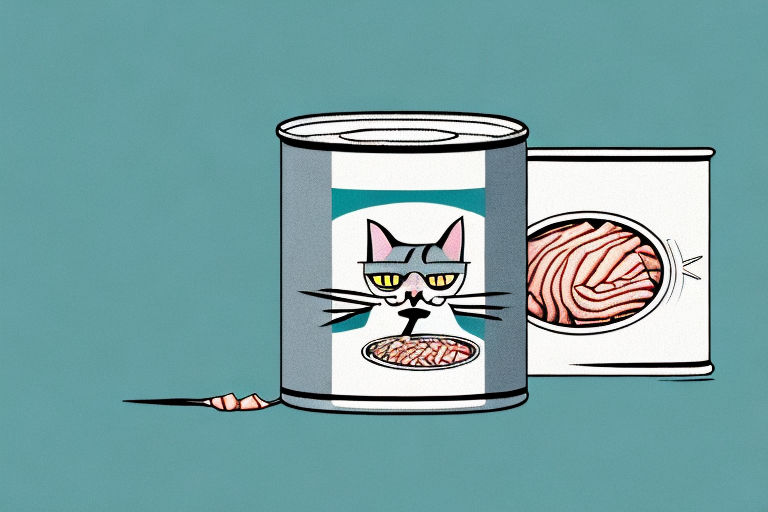
Most healthy adult cats can eat a small amount of plain, fully cooked tuna made for people. It should be packed in water rather than oil and should not contain salt, spices, onion, garlic, or sauces.
Human tuna is not ideal as a daily meal. Some types can contain more mercury than others, and plain tuna does not meet all of a cat’s nutritional needs. It may also encourage picky eating.
Avoid tuna salad, seasoned tuna, and flavored packets. Ingredients such as onion and garlic can harm cats, while excess salt and fat may upset the stomach.
When offering it as a treat:
-
Choose plain tuna packed in water.
-
Drain the liquid.
-
Give only a small portion.
-
Keep treats below about 10% of daily calories.
-
Watch for vomiting, diarrhea, itching, or other unusual signs.
If your cat has kidney disease, pancreatitis, food allergies, or another medical condition, ask a veterinarian before giving tuna.
Mercury and other tuna risks
Mercury is one reason tuna should not become a cat’s main food. Larger, older fish can collect more mercury over time. Frequent exposure may harm the nervous system and other organs.
Different tuna species have different mercury levels. Light tuna often contains less mercury than albacore tuna, though levels can vary. It is still best to keep all human tuna limited.
Possible problems from too much tuna include:
• Mercury exposure
• Nutritional deficiencies
• Weight gain
• Digestive upset
• Increased pickiness
• Reduced interest in complete cat food
Tuna packed in oil adds extra calories and may cause stomach upset. Tuna in brine can contain too much sodium. Raw tuna also carries risks from bacteria and parasites, so cooked tuna is the safer choice.
If a cat has eaten a large amount of tuna once, do not panic. Remove the remaining food and watch for signs of illness. Call your veterinarian if the cat shows repeated vomiting, weakness, tremors, loss of balance, or unusual behavior.
How much tuna can cats safely eat?
For most adult cats, tuna should be an occasional treat rather than a daily food. A small teaspoon or two may be enough, depending on the cat’s size, health, and total calorie intake.
A useful rule is to keep all treats under 10% of daily calories. For a small cat, even a tablespoon of tuna may be more than needed. Treats should never replace a complete and balanced meal.
Kittens need extra care. Their bodies are growing quickly, so they need precise levels of nutrients. Human tuna can dilute the nutrition in their normal kitten food and should not be a routine treat.
Older cats may also need tailored nutrition. Some senior cats have kidney, thyroid, or dental problems. Their diet should match their health needs, not only their taste preferences.
When asking why do cats like tuna so much, also ask how much tuna is appropriate for your individual cat. The safest portion is the smallest amount that provides enjoyment without changing the main diet.
What to do if your cat refuses regular food
A strong tuna preference can create a feeding problem. Some cats learn to wait for tuna after discovering that refusing dinner brings a better option. This can lead to picky habits.
Do not force-feed or let a cat go without food for long. Cats that stop eating can develop hepatic lipidosis, a serious liver condition. Contact a veterinarian promptly if an adult cat refuses food for about 24 hours, or sooner if the cat is overweight, ill, or showing other symptoms.
You can encourage a balanced diet with gentle steps:
• Serve food in a clean, quiet area.
• Try wet food with a similar texture to tuna.
• Warm food slightly to increase its aroma.
• Add a very small tuna topping, then reduce it over time.
• Offer meals at regular times.
• Keep food bowls away from litter boxes.
A sudden loss of interest in food can signal dental pain, nausea, kidney disease, stress, or another medical issue. Food preference should never be the only clue you consider.
Why some cats do not like tuna
Not every cat enjoys fish. Cats have individual preferences, just like people. Genetics, early food experiences, health, and past negative events can all affect food choices.
A cat may dislike tuna because:
• The smell is too strong.
• The texture feels unfamiliar.
• The cat prefers poultry or beef.
• The tuna is too cold or dry.
• The cat feels sick.
• The cat has learned to expect another food.
Some cats also avoid a food after feeling ill soon after eating it. This is called a food aversion. Never assume a cat is simply being stubborn when its appetite changes.
Why do cats like tuna so much for a while and then stop? Preference can change with age, illness, stress, or repeated exposure. Offer variety through complete cat foods, but make changes slowly.
Safe ways to use tuna as a cat treat
Tuna can be useful in small amounts. You can use it to make a medication routine easier, encourage a nervous cat to eat, or add interest during a temporary appetite slump.
Try these safe ideas:
• Place a small tuna flake on top of complete wet food.
• Mix a teaspoon of tuna with the regular meal.
• Use tuna water from plain tuna packed in water to moisten food.
• Freeze tiny portions for occasional treats.
• Choose tuna-flavored cat food for regular meals.
Do not use tuna to hide every medication without veterinary advice. Some medicines should not be crushed, and a cat may stop eating the food if it detects a bitter taste.
In my experience with cat feeding routines, the biggest mistake is giving too much too soon. A little tuna can help. A large serving can teach a cat to reject everything else.
Frequently asked questions about why do cats like tuna so much
Is tuna addictive to cats?
Tuna is not chemically addictive in the same way as a drug. However, its strong smell, rich taste, and reward value can create a powerful learned preference.
Can cats eat tuna every day?
Cats should not eat human tuna every day. Regular tuna can increase mercury exposure and may cause an unbalanced diet, so complete cat food should provide most calories.
Is tuna water safe for cats?
Plain tuna water may be offered in a small amount if it contains no salt, oil, spices, onion, or garlic. Avoid brine and seasoned liquid, since they may contain too much sodium or harmful ingredients.
Why does my cat prefer tuna over cat food?
Tuna often has a stronger smell and richer taste than regular food. A cat may also learn that refusing its meal leads to a more exciting tuna reward.
Can kittens eat tuna?
Kittens should not rely on human tuna because they need carefully balanced nutrients for growth. Ask a veterinarian before offering tuna, and use complete kitten food as the main diet.
Is raw tuna safe for cats?
Raw tuna can carry bacteria and parasites, so cooked tuna is safer. Raw fish may also create nutrition concerns when fed often or in large amounts.
What type of tuna is best for cats?
If you offer human tuna, choose a small amount of plain tuna packed in water. Tuna-flavored or tuna-based cat food labeled complete and balanced is usually better for regular feeding.
Conclusion
Why do cats like tuna so much? Tuna combines a strong scent, savory flavor, soft texture, moisture, and animal protein in one appealing food. These traits fit a cat’s natural preferences and can create a strong learned habit.
Tuna can be a pleasant occasional treat, but it should not replace complete cat food. Choose plain tuna, keep portions small, avoid seasoned or oily products, and watch for changes in appetite or health.
Use tuna as a light bonus rather than the main event. If your cat depends on tuna, refuses regular food, or develops unusual symptoms, speak with a veterinarian. Share your cat’s favorite safe treat or explore more practical feline nutrition guides for helpful feeding ideas.