Why Does My Cat Prefer Chunks Over Pate: Feeding Guide
Many cats prefer chunks because texture, aroma, moisture, and chewing feel match their natural eating habits.
If you wonder why does my cat prefer chunks over pate, you are not alone. Texture is often the key, but smell, mouth feel, past eating habits, and even feeding bowl shape can also matter. This guide explains the most likely reasons, how to test them safely, and when a sudden food change needs veterinary care.
Why Does My Cat Prefer Chunks Over Pate?
Cats can be very selective about food texture. Chunks give a cat something to bite, move, and chew, while pate has a smooth, uniform feel. To many cats, chunks seem more like small pieces of meat than a soft paste.
The answer to why does my cat prefer chunks over pate often comes down to sensory comfort. Cats use smell, texture, temperature, and mouth feel to judge food before they eat it.
Common reasons include:
• Chunks feel more interesting in the mouth.
• Gravy adds moisture and a stronger smell.
• The food may be easier to lick, bite, or carry.
• Your cat may have learned to favor chunks from kittenhood.
• Pate may stick to the tongue or roof of the mouth.
• Chunk foods may have a stronger meat smell.
Cats do not always choose food based on nutrition alone. A meal can be complete and balanced, yet your cat may reject it because the texture feels wrong. Think of it like choosing between soup and a sandwich. Both can be healthy, but they offer a very different eating experience.
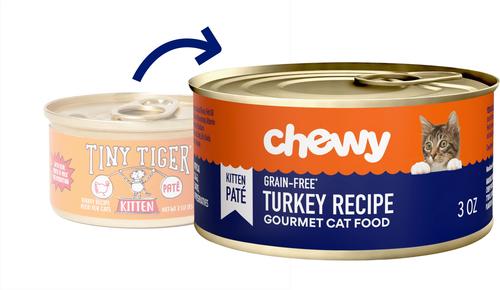
Chunks and Pate Have Different Textures
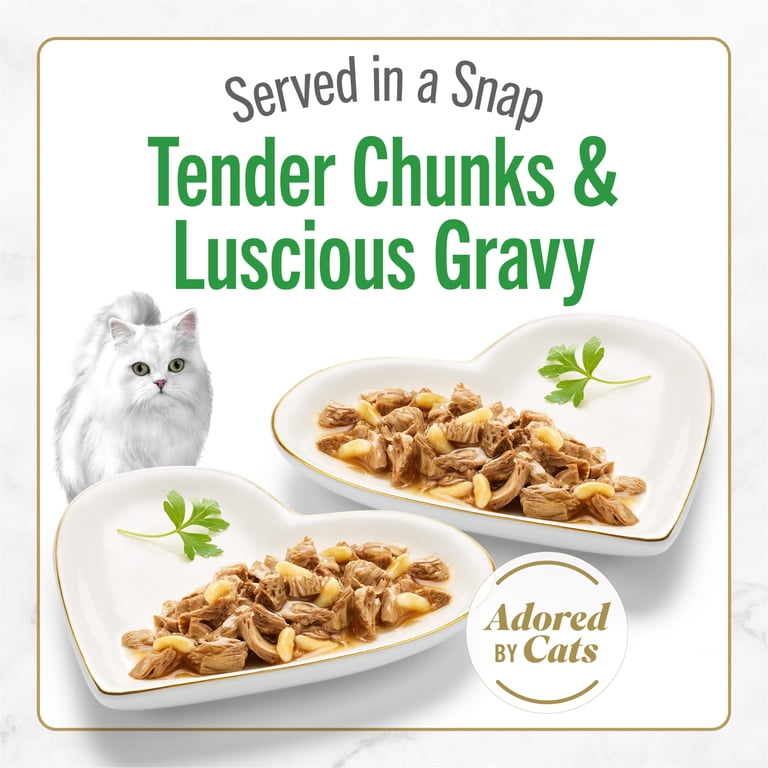
Chunk-style wet food usually contains small pieces of meat or fish in gravy, jelly, or sauce. Pate is finely ground into a smooth loaf or paste. Some foods also use shredded meat, minced pieces, or mousse, which create even more texture choices.
The texture can affect how a cat eats. A cat that likes chunks may bite each piece, lick the gravy, and pause between bites. A pate-loving cat may prefer to lick a smooth surface without having to work through separate pieces.
When asking why does my cat prefer chunks over pate, look at the details of the meal:
• Chunk size: Large pieces may be hard for some cats, while tiny pieces may be easy to swallow.
• Moisture level: Gravy can make food more appealing and easier to eat.
• Firmness: Some chunks are soft, while others are chewy.
• Surface feel: Pate may feel sticky or dense.
• Smell release: Warm gravy can release more aroma than a cold, solid loaf.
There is no single “best” texture for every cat. A healthy adult cat may thrive on chunks, pate, shreds, or a mix. The most important factors are nutritional completeness, safe ingredients, adequate calories, and your cat’s ability to eat the food comfortably.
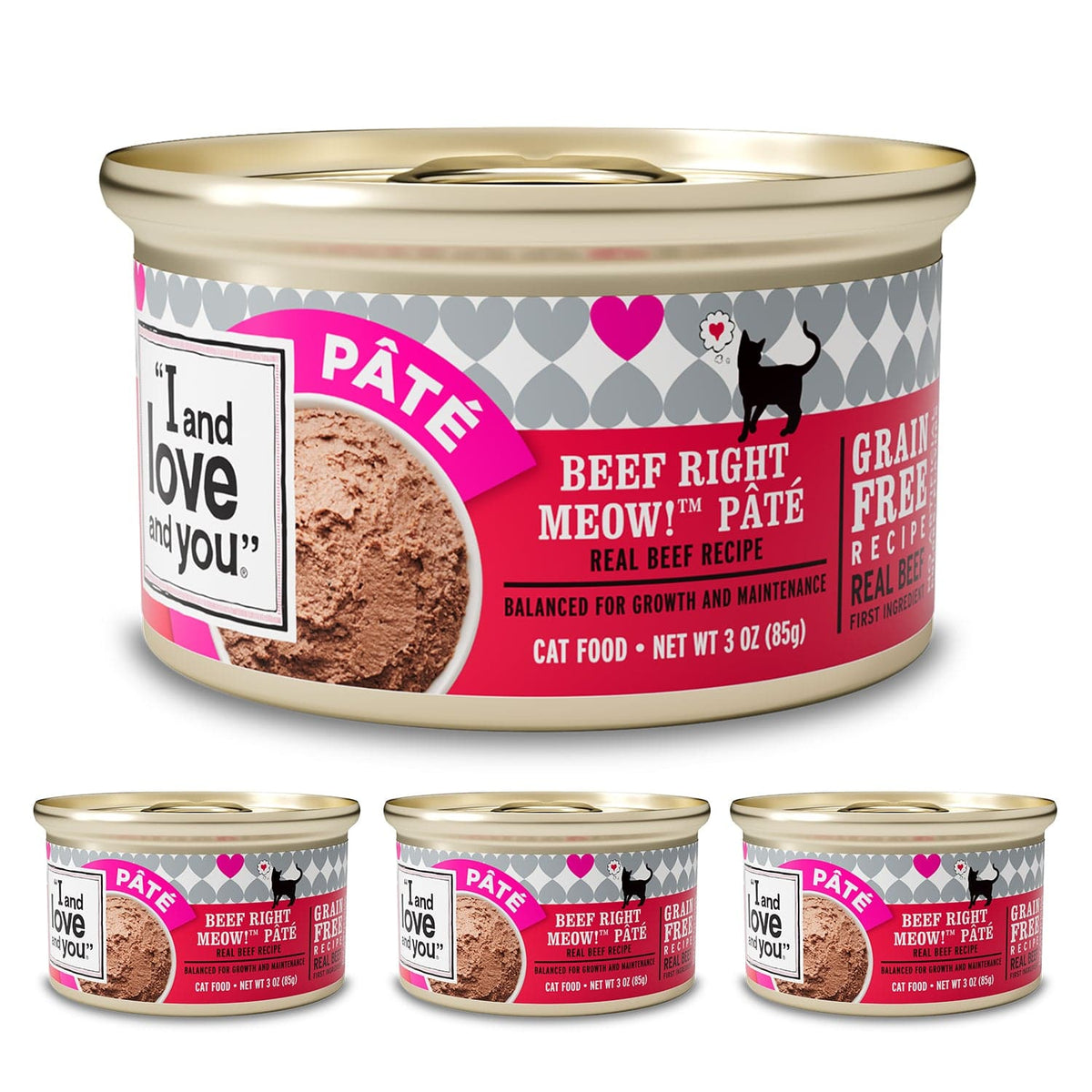
Smell Plays a Major Role in Food Choice
Cats have a strong sense of smell. In fact, smell often guides their appetite more than taste. A food with a rich meat aroma may attract your cat, while a bland or cold food may be ignored.
Chunks in gravy often release a strong scent when the can or pouch is opened. Pate may smell less intense, especially when it is served cold from the refrigerator. This difference can explain why does my cat prefer chunks over pate, even when both foods come from the same brand.
Temperature also matters. Most cats prefer food close to room temperature or slightly warm. Never serve food that is hot. To improve the smell, you can:
-
Let refrigerated food sit for a short time.
-
Add a small amount of warm water.
-
Stir the food to spread the aroma.
-
Warm it gently for a few seconds, then mix it well.
-
Check the temperature before serving.
Do not leave wet food out for many hours. Bacteria can grow in moist food, especially in a warm room. Follow the storage instructions on the package and discard food that looks dry, spoiled, or unusual.

Your Cat May Have Learned to Like Chunks
Food preferences often begin early in life. A kitten that eats chunks during its first months may grow into an adult that expects that texture. Cats also build strong food habits through repetition.
This learned preference is another reason why does my cat prefer chunks over pate may have a simple answer. Your cat may not dislike pate in general. It may simply recognize chunks as familiar and safe.
Past experiences can shape food choices too. If your cat once felt sick after eating pate, it may avoid that texture later. The illness may not have been caused by the food, but cats can still connect a smell or texture with a bad experience.
In my practical observations of picky-cat feeding cases, owners often change foods too quickly. They offer pate once, see rejection, and assume the cat will never eat it. A slower approach usually gives the cat more time to adjust.
Try this method:
• Serve the usual chunk food first.
• Place a very small amount of pate beside it.
• Avoid mixing them at the start.
• Repeat for several days if your cat remains calm.
• Increase the pate only when your cat accepts it.
Never force food into your cat’s mouth. Pressure can create fear and make food refusal worse.
Chunks May Be Easier for Some Cats to Eat
Many cats enjoy the act of biting. Chunks offer small targets that a cat can pick up with the teeth. This can make eating feel more natural and rewarding.
Pate may be harder for some cats to manage. It can smear across the bowl and stick to the surface. A cat with a flat face, sensitive gums, dental pain, or a sore mouth may find certain textures uncomfortable.
Dental disease is common in cats, and cats often hide mouth pain. Watch for signs such as:
• Dropping food while eating
• Chewing on one side
• Pawing at the mouth
• Drooling
• Bad breath
• Bleeding gums
• Eating less than usual
• Choosing soft food but avoiding hard food
A preference for chunks does not automatically mean dental trouble. However, a sudden change in texture preference deserves attention. If your cat once loved pate and now avoids it, schedule a veterinary check, especially if appetite, weight, or behavior has also changed.
Some cats with dental pain prefer soft food, while others avoid sticky foods and choose small, moist chunks. This is why the full pattern matters more than one food choice.

Could the Food Formula Matter More Than the Texture?
Sometimes the issue is not chunks versus pate. The real problem may be the recipe. Two foods can have the same texture but very different smells and flavors.
Cats may react to:
• Fish, chicken, turkey, beef, or rabbit flavor
• Strong liver taste
• Added broth or gravy
• Fat content
• New supplements
• Different levels of salt or minerals
• A change in manufacturing
Even small recipe changes can affect acceptance. Check the ingredient list, calorie content, guaranteed analysis, and “complete and balanced” statement. In the United States, a complete and balanced cat food should meet the nutritional standards set by AAFCO for the correct life stage.
Do not judge a food only by the ingredient list. Nutrition is more complex than choosing the first ingredient. A veterinary nutrition professional can help if your cat has allergies, kidney disease, diabetes, urinary problems, or another medical condition.
If your cat prefers chunks over pate, compare products from the same product line. You may discover that your cat dislikes one flavor rather than all pate foods.

Is It Healthy for a Cat to Eat Only Chunks?
Yes, a cat can eat chunk-style wet food as its main diet if the food is complete and balanced for its age and health needs. Wet food also provides a high level of moisture, which can support overall water intake.
Still, chunks do not automatically offer more nutrition than pate. Both forms can be excellent or poor choices depending on the formula. Read the label rather than assuming that visible meat pieces mean higher quality.
Check for:
• A complete and balanced nutritional statement
• The correct life-stage designation
• Feeding directions based on body weight
• Calorie information
• A trusted manufacturer
• Safe storage instructions
Some chunk foods contain more gravy and fewer calories per ounce. This may be useful for cats that need more water, but your cat may need to eat a larger portion to meet daily calorie needs. Other chunk foods are calorie dense.
Measure portions and watch body condition. You should be able to feel your cat’s ribs under a thin layer of fat, but the ribs should not be sharply visible. Your veterinarian can help set a healthy weight goal.

How to Transition From Pate to Chunks or Back
If you need to change your cat’s food, go slowly. A sudden switch may cause vomiting, diarrhea, or food refusal. Most cats do better with a gradual change over about seven to ten days, though sensitive cats may need longer.
Use this basic plan:
-
Days 1–2: Offer about 75% of the old food and 25% of the new food.
-
Days 3–4: Use equal amounts of old and new food.
-
Days 5–6: Offer 25% old food and 75% new food.
-
Day 7 onward: Serve the new food if your cat is eating well.
For a cat that strongly prefers chunks over pate, do not start with a large serving of pate. Add a tiny amount beside the familiar food. Some cats accept separate foods more easily than a mixed meal because mixing changes the texture of the food they already trust.
A mistake I often see is leaving several new foods out at once. This makes it hard to know what your cat likes and may lead to spoiled wet food. Offer one controlled change at a time.
If your cat refuses all food for about 24 hours, contact a veterinarian promptly. Cats that stop eating can develop serious liver problems, especially if they are overweight.
When Food Preference May Signal a Health Problem
Most texture preferences are harmless. However, a change in eating habits can sometimes point to illness. The key warning sign is a sudden change, not a lifelong preference for chunks.
Call your veterinarian if your cat:
• Eats much less than normal
• Refuses food for a day
• Loses weight
• Vomits repeatedly
• Has ongoing diarrhea
• Drinks or urinates much more
• Seems weak or withdrawn
• Struggles to chew or swallow
• Drools or has mouth odor
• Shows pain near the face or jaw
Cats are skilled at hiding illness. A new food preference may be one of the first clues that something feels different. Your veterinarian may examine the teeth, gums, mouth, stomach, and overall body condition.
Do not use appetite stimulants, human medicine, or homemade diets without professional guidance. These steps can hide symptoms or create nutritional problems.

Practical Tips for a Picky Cat
If you are still wondering why does my cat prefer chunks over pate, keep a simple food diary. Record the brand, flavor, texture, serving size, temperature, and your cat’s response. Patterns often become clear after a week or two.
Try these safe, simple ideas:
• Use a wide, shallow dish if your cat dislikes touching the bowl.
• Wash food dishes after each meal.
• Serve food in a quiet area.
• Offer smaller meals more often.
• Keep feeding times steady.
• Add a little warm water when appropriate.
• Avoid changing several things at once.
• Store opened food in a sealed container in the refrigerator.
• Use refrigerated leftovers within the package’s recommended time.
• Weigh your cat regularly if food intake is a concern.
A wide plate can help cats that dislike their whiskers touching the sides of a deep bowl. This behavior is sometimes called whisker stress, though research on the term is limited. Still, many cats eat more comfortably from a shallow dish.
The best feeding plan is the one your cat will eat, your veterinarian supports, and the nutrition label confirms is complete and balanced.
Frequently Asked Questions About Why Does My Cat Prefer Chunks Over Pate
Why does my cat prefer chunks over pate if both foods are wet?
Chunks may feel more natural because they provide separate pieces to bite and chew. They may also release more smell through gravy, which can make them more appealing.
Can cats eat only chunk-style wet food?
Yes, cats can eat only chunk-style wet food if it is complete and balanced for their life stage. Make sure your cat receives enough calories and has regular weight and health checks.
Should I force my cat to eat pate?
No. Force-feeding can cause stress and worsen food refusal. Offer a tiny amount beside familiar food and change the texture gradually.
Is pate better for cats with dental disease?
Not always. Some cats with dental pain prefer smooth food, while others dislike its sticky feel. A veterinarian should examine any cat with chewing pain, drooling, bad breath, or a sudden food preference change.
How can I make pate more appealing?
Serve it at room temperature or gently warm it, then stir it well. You can also add a small amount of warm water, but avoid hot food and sudden diet changes.
Why does my cat prefer chunks over pate after I changed brands?
The new brand may have a different smell, flavor, moisture level, or chunk size. Compare the ingredients and feeding texture, and transition between foods over several days.
Conclusion
Why does my cat prefer chunks over pate? In most cases, the answer is texture, smell, familiarity, or the way the food feels while eating. Chunks may offer a more interesting bite, stronger aroma, and a feeding experience your cat already trusts.
A texture preference is usually fine when your cat eats enough, maintains a healthy weight, and enjoys a complete and balanced diet. Watch for sudden changes, mouth pain, weight loss, vomiting, or appetite loss, and contact your veterinarian when those signs appear.
Try small changes, keep notes, and let your cat adjust at its own pace. Share your cat’s favorite texture in the comments, and explore more trusted cat nutrition guides to support healthier daily meals.