Why Does My Cat Prefer Dry Food Over Wet Food: Vet Tips
Cats often prefer dry food because of its texture, smell, routine, and easy access.
If you wonder why does my cat prefer dry food over wet food, the answer is usually a mix of taste, texture, habit, and comfort. Dry kibble has a strong crunch, stays fresh for hours, and may feel familiar to your cat. Wet food can also seem too cold, too soft, too rich, or simply unfamiliar.
Understanding why does my cat prefer dry food over wet food can help you respect your cat’s likes while still supporting good hydration and health. This guide explains the common reasons, what the preference may mean, and how to offer wet food without creating stress.
Why Does My Cat Prefer Dry Food Over Wet Food?
Cats develop food preferences much like people do. Early experiences, smell, texture, feeding habits, and even the shape of the bowl can affect what they choose. If your cat grew up eating kibble, dry food may feel like the safest and most familiar option.
Here are the most common reasons for this preference:
• Crunchy texture: Some cats enjoy the firm bite of kibble.
• Strong routine: Cats often feel safe with food served at the same time and in the same form.
• Easy access: Dry food can sit in a bowl for longer without spoiling.
• Familiar smell: Wet food has a stronger odor, which may attract some cats but repel others.
• Food history: A cat that ate mostly dry food as a kitten may reject new textures later.
• Temperature: Many cats dislike wet food straight from the refrigerator.
Why does my cat prefer dry food over wet food? In many cases, the answer is not that dry food is healthier. It may simply be the food your cat knows best.
Dry Food Texture Can Be Very Appealing
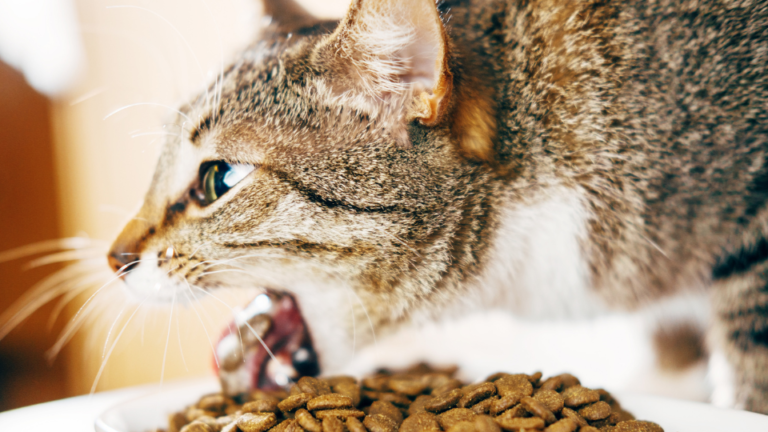
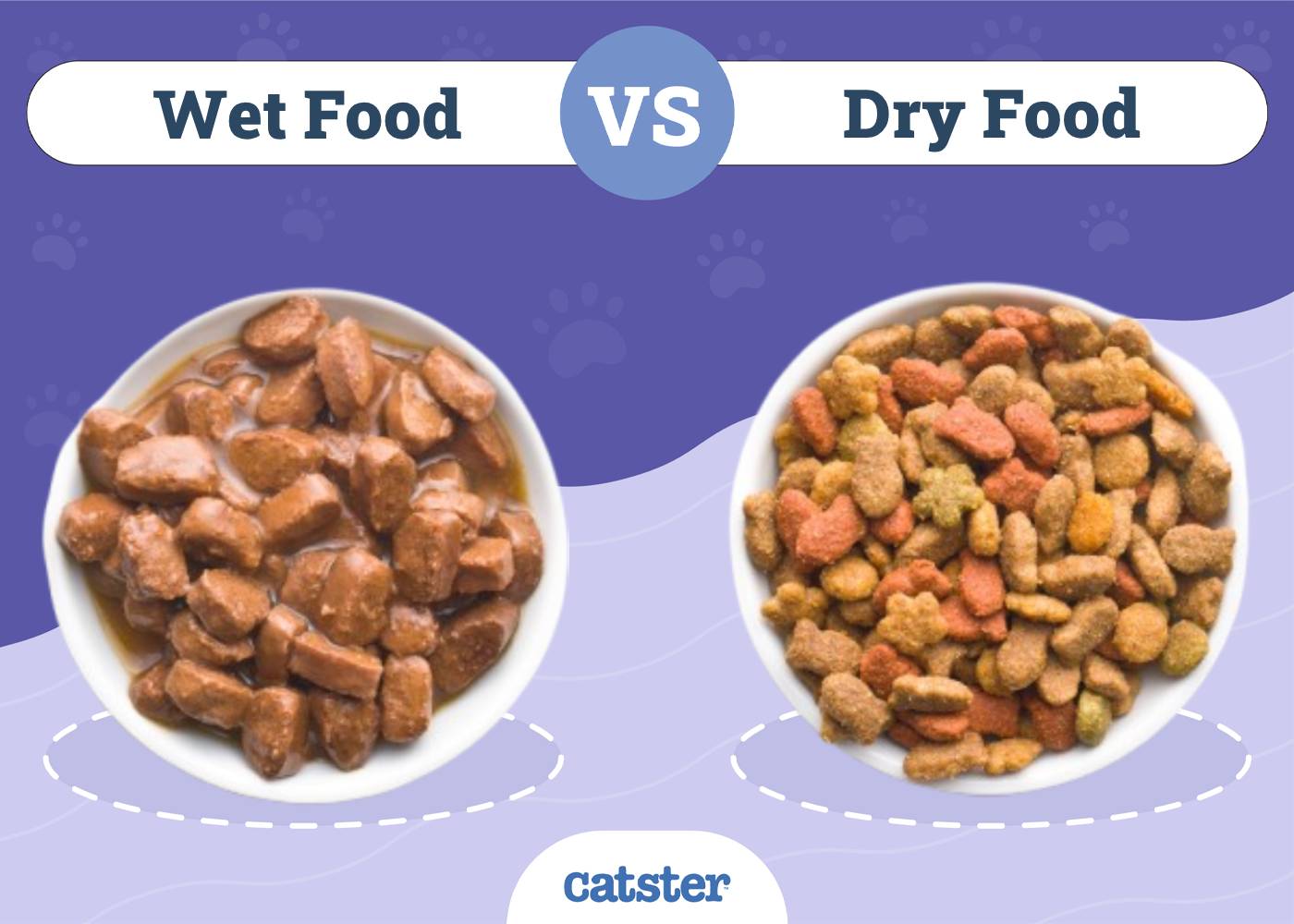
Texture plays a major role in feline food preference. Dry kibble is firm and crunchy. That bite gives some cats a pleasing mouth feel, while wet food can feel sticky, smooth, or mushy.
Cats also have sensitive mouths. A small change in texture may seem as important to them as the difference between toast and pudding feels to a person. Some cats like pâté, while others prefer shredded meat, chunks, or gravy.
Kibble size and shape matter, too. A cat may reject one dry food but enjoy another because the pieces are smaller or easier to chew.
A useful test is to offer several wet textures in tiny amounts:
• Smooth pâté
• Shredded meat
• Small chunks in gravy
• Mousse-style food
• Wet food mixed with a little warm water
Why does my cat prefer dry food over wet food? Texture may be the main reason if your cat sniffs wet food but eats kibble right away.

Smell and Flavor Affect Cat Food Choices
Cats have fewer taste buds than people, but their sense of smell is very strong. Aroma helps them judge whether food is safe and appealing. Wet food usually has a stronger smell than kibble, especially when it contains fish or organ meats.
That strong odor can work in two ways. It may attract one cat but make another back away. Some cats prefer the mild smell of dry food, especially if they are sensitive to strong scents.
Wet food may also smell different after it has been open for a while. Even if it is safe, your cat may refuse it because the aroma has changed.
Try these simple steps:
• Serve a fresh, small portion.
• Warm the food slightly to room temperature.
• Avoid leaving wet food out for many hours.
• Wash the bowl after each wet meal.
• Use a wide, shallow dish if your cat dislikes touching the sides.
Why does my cat prefer dry food over wet food? A mild scent and stable flavor may feel more predictable to your cat.
Familiar Habits Can Shape Food Preference
Cats are creatures of habit. A cat that has eaten dry food for years may see wet food as a strange object rather than a meal. This does not mean your cat is stubborn. It means the cat has learned what food is supposed to look, smell, and feel like.
Sudden diet changes can also cause refusal. If you switch from kibble to wet food overnight, your cat may not understand that the new food is safe. Some cats need days or weeks to accept a new diet.
A gradual change works better:
-
Place a teaspoon of wet food beside the usual kibble.
-
Let your cat investigate it without pressure.
-
Increase the wet portion slowly over several days.
-
Reduce the dry portion only when your cat eats well.
-
Stop and contact your veterinarian if your cat refuses all food.
Why does my cat prefer dry food over wet food? Long-term routine often matters more than the nutritional label or brand name.

Is Dry Food Better Than Wet Food for Cats?
Neither food type is automatically best for every cat. A complete and balanced diet can support health in either dry or wet form. The right choice depends on your cat’s age, weight, medical needs, activity, and eating habits.
Dry food has some practical benefits:
• It is easy to measure.
• It can be less expensive per serving.
• It is convenient for busy households.
• It does not spoil as quickly in the bowl.
• It can work well in puzzle feeders.
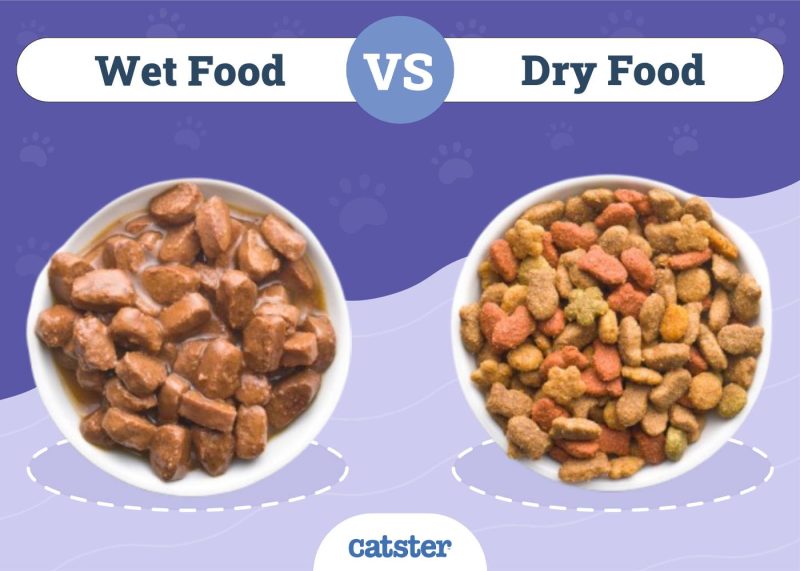
Wet food also has important benefits:
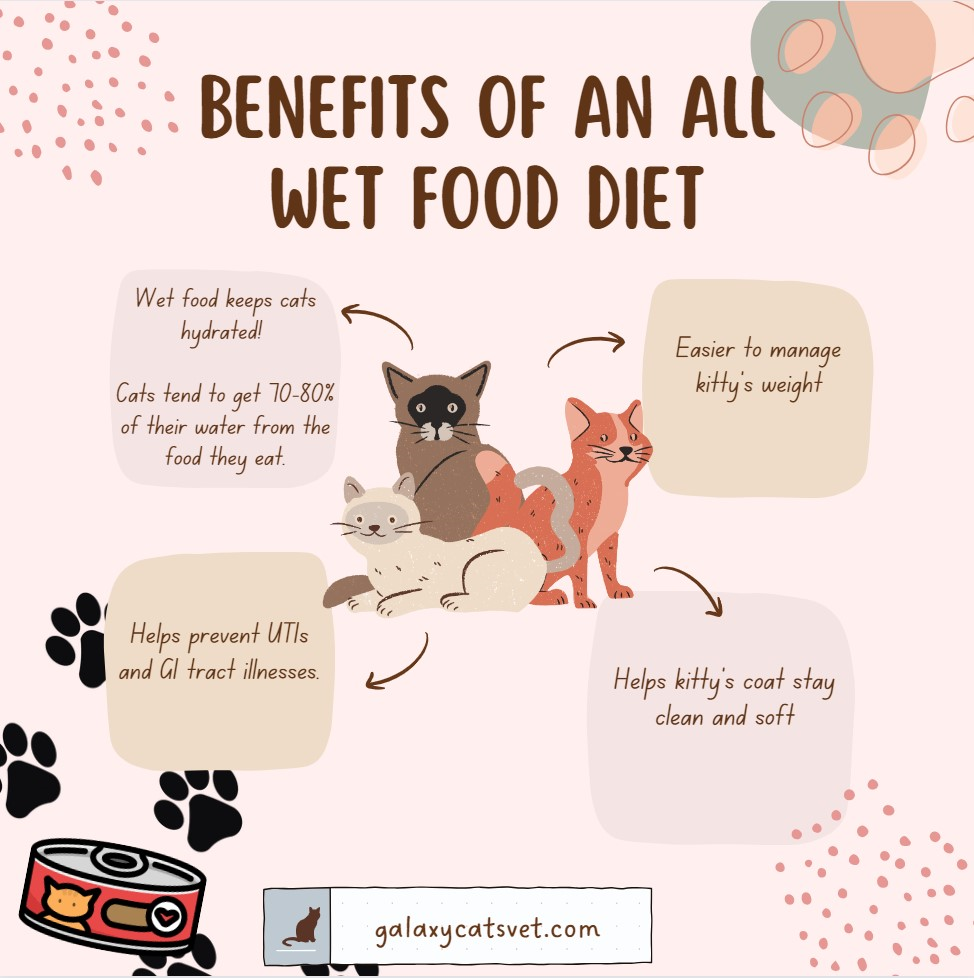
• It contains much more water.
• It may help cats that do not drink enough.
• It often has a strong taste and smell.
• It can make portion control easier for some cats.
• It may help older cats with poor teeth or reduced appetite.
Veterinary nutrition experts generally stress that the food must be complete and balanced for the cat’s life stage. A food labeled for intermittent or supplemental feeding should not become the main diet unless your veterinarian recommends it.
Why does my cat prefer dry food over wet food? Preference does not prove that one type is healthier. It only shows what your cat currently enjoys.

Hydration Is the Main Concern With Dry Food
The biggest nutritional difference between dry and wet food is water content. Dry kibble often contains about 6% to 10% moisture. Canned food commonly contains about 70% to 80% moisture, although formulas vary.
Cats evolved from desert-dwelling ancestors. Many cats have a low natural thirst drive, so they may not drink enough to replace the water missing from a dry-only diet. This does not mean every cat eating kibble will become dehydrated, but water intake deserves attention.
Good hydration may be especially important for cats with:
• A history of urinary crystals
• Kidney disease
• Constipation
• Diabetes
• Repeated urinary problems
• A tendency to drink very little
Never force a diet change in a sick cat without veterinary advice. A cat that stops eating can develop hepatic lipidosis, a serious liver condition. If your cat refuses food for about 24 hours, call a veterinarian promptly. Kittens, senior cats, and cats with illness may need help sooner.
Why does my cat prefer dry food over wet food? Even when a cat prefers kibble, you can support hydration with several water stations, a fountain, or moisture added under veterinary guidance.
Does Dry Kibble Clean a Cat’s Teeth?
Many people believe crunchy kibble cleans teeth. Regular kibble may provide some chewing action, but it does not reliably remove plaque from all tooth surfaces. Most cats swallow kibble with little chewing.
Dental diets made for cats may help reduce plaque or tartar because they are specially designed for that purpose. However, not every dental diet has the same evidence or effect. Daily tooth brushing with cat-safe toothpaste remains one of the most useful home dental habits.
Never use human toothpaste for a cat. Ingredients such as fluoride or xylitol can be unsafe.
Watch for signs of dental pain:
• Dropping food
• Bad breath
• Pawing at the mouth
• Chewing on one side
• Weight loss
• Refusing hard food
Sometimes why does my cat prefer dry food over wet food has a surprising answer: the cat may not prefer kibble at all. It may have mouth pain that makes soft food feel uncomfortable, or it may have another health problem that needs attention.

Health Problems That Can Change Food Preference
A new food preference can be harmless, but a sudden change deserves attention. Cats often hide pain and illness. Their eating behavior may be one of the first clues that something is wrong.
Contact your veterinarian if your cat suddenly stops eating wet food and also shows signs such as:
• Vomiting or diarrhea
• Weight loss
• Low energy
• Increased thirst or urination
• Trouble chewing
• Drooling
• Hiding more than usual
• Changes in litter box habits
Dental disease is common in adult cats and can make eating uncomfortable. Nausea, kidney disease, nasal congestion, and stress can also change how food smells or feels.
Why does my cat prefer dry food over wet food? If the preference appeared suddenly, consider health or stress instead of assuming it is simply a picky personality.
How to Introduce Wet Food to a Dry Food Lover
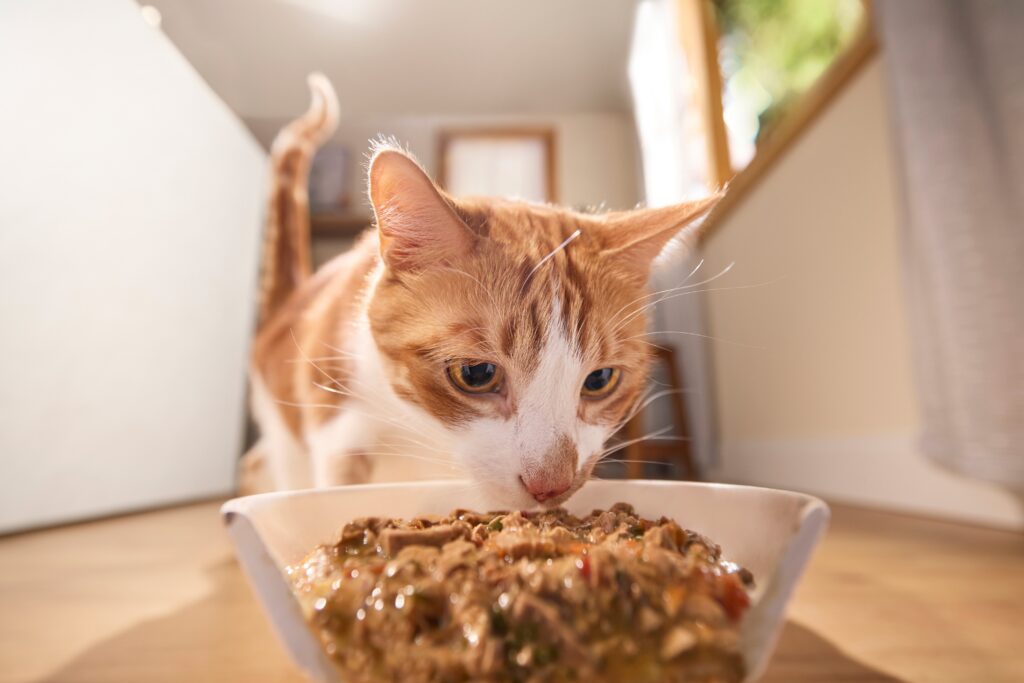
A calm, slow approach gives you the best chance of success. Your cat should not feel trapped or forced to eat. Food refusal can quickly become dangerous, so the goal is steady progress rather than a sudden switch.
Try this plan:
-
Choose a complete and balanced wet food.
-
Start with a very small amount beside the dry food.
-
Offer it at the same time each day.
-
Serve it at room temperature or warm it slightly.
-
Test a different texture if your cat rejects the first one.
-
Add a teaspoon of warm water if your cat accepts the flavor but dislikes thickness.
-
Praise calm interest, but do not push the cat’s face toward the food.
-
Keep a food diary so you can track what your cat eats.
One mistake I often see in feeding advice is changing too many things at once. If you switch the flavor, texture, bowl, feeding place, and schedule on the same day, you will not know what caused success or refusal.
Why does my cat prefer dry food over wet food? A slow transition can reveal whether the real issue is texture, smell, temperature, or simple habit.

Practical Ways to Support a Healthy Diet
You do not need to win a battle over wet food. A healthy feeding plan should fit your cat and your household. Some cats thrive on wet food, some do well on dry food, and others enjoy a combination.
Use these practical tips:
• Measure dry food instead of filling the bowl without limits.
• Follow the calorie guide on the package, then adjust with veterinary advice.
• Keep fresh water in more than one quiet location.
• Wash food and water bowls often.
• Weigh your cat regularly.
• Use puzzle feeders for indoor cats that eat too quickly.
• Keep treats below about 10% of daily calories.
• Ask your veterinarian about the best diet for medical conditions.
Free-choice feeding can cause weight gain in cats that eat out of boredom. It may also make it harder to notice a reduced appetite. Measured meals give you a clearer view of how much your cat eats each day.
Why does my cat prefer dry food over wet food? The best response is not always a complete switch. A measured dry diet, extra water, and regular health checks may be a sensible plan.
Frequently Asked Questions About Why Does My Cat Prefer Dry Food Over Wet Food
Is it normal for a cat to prefer dry food?
Yes, many cats prefer dry food because they enjoy its crunch, smell, or familiar routine. A preference is usually fine if the food is complete and balanced and your cat drinks enough water.
Should I force my cat to eat wet food?
No. Forcing food can create fear and may cause a stronger refusal. Offer small amounts slowly, and ask your veterinarian for help if your cat eats very little or stops eating.
Can a cat live on dry food only?
A cat can live on a complete and balanced dry diet, but water intake is important. Cats with urinary, kidney, or other health problems may benefit from a diet plan designed by a veterinarian.
Why does my cat prefer dry food over wet food after eating wet food before?
A change in preference may result from a new texture, altered smell, stress, or dental discomfort. If the change is sudden or comes with weight loss, vomiting, pain, or low energy, schedule a veterinary exam.
How can I make wet food more appealing?
Serve a fresh, small portion at room temperature. You can also try another texture, add a little warm water, or place the wet food beside—not mixed into—the familiar dry food.
Does wet food help prevent urinary problems?
Wet food increases water intake for many cats, which may support urinary health. It cannot prevent every urinary disease, so cats with urinary symptoms need prompt veterinary care.
Can I mix dry and wet cat food?
Yes, many cats do well with a mixed feeding plan. Measure the total daily calories so the added wet food does not lead to overfeeding.
Conclusion
Why does my cat prefer dry food over wet food? The most common reasons are texture, smell, routine, temperature, and early food experiences. Dry food is convenient and can be nutritionally complete, while wet food adds valuable moisture and may help some cats manage specific health needs.
Watch for sudden changes, dental pain, weight loss, or a loss of appetite. Offer new food slowly, keep water fresh, measure portions, and choose a complete and balanced diet that suits your cat’s needs.
Your cat does not need to love every food you offer. With patience and good observation, you can build a feeding plan that supports health without turning mealtime into a struggle. Share your cat’s favorite texture or feeding trick in the comments, and explore more veterinarian-reviewed cat nutrition resources for personalized guidance.