Why Does My Cat Stop Eating New Food: Causes And Fixes
Cats may stop eating new food because of stress, sudden changes, texture, smell, or an underlying illness.
If you are wondering, “Why does my cat stop eating new food?” you are not alone. Cats often treat food changes like a major life event, not a small menu update. Their strong sense of smell, fixed routines, health needs, and personal food preferences all play a role. This guide explains the most common causes, safe ways to switch foods, warning signs, and when to call your veterinarian.
Why does my cat stop eating new food?
The most common reason is that cats are cautious about unfamiliar smells, flavors, and textures. A new food may seem harmless to you, but your cat may view it as strange or unsafe. Cats rely heavily on scent when choosing what to eat, so even a small change in aroma can lead to food refusal.
Another reason is that the food may feel different in your cat’s mouth. For example, your cat may prefer small, soft pieces but reject large, dry kibble. A cat that loves pâté may refuse chunky food, even if both products contain similar nutrients.
Cats can also stop eating new food because the change happened too fast. Their digestive systems may need time to adjust. A sudden switch can cause nausea, loose stool, gas, or stomach pain. Once a cat connects the new food with discomfort, it may avoid that food later.
Other possible reasons include:
• Stress from moving, visitors, loud noise, or a new pet
• A dirty food bowl or a bowl placed near a litter box
• Food that is stale, spoiled, too cold, or poorly stored
• Dental pain or mouth disease
• Nausea, kidney disease, diabetes, pain, infection, or another health problem
• A dislike of the new food’s protein, fat level, smell, or texture

Common reasons cats reject a new diet
Understanding the cause makes the solution much easier. A cat that dislikes the food needs a different approach from a cat that feels sick.
Your cat dislikes the smell or texture
Smell is often the first test. Cats have a strong sense of smell, and food aroma can change with the protein source, cooking method, fat content, and storage time. Wet food also smells stronger when warmed, which may attract some cats but repel others.
Texture matters, too. Some cats prefer smooth food, while others like shredded meat or gravy. A change from wet food to dry food, or from one kibble shape to another, may be enough to cause refusal.
The food change was too sudden
A fast transition is a common answer to why does my cat stop eating new food. Even a healthy cat may react poorly when a familiar diet disappears overnight.
A gradual change allows your cat to adjust to the new smell and taste. It also gives the digestive system time to adapt. This is especially important for cats with sensitive stomachs or a history of vomiting.
Your cat feels stressed
Stress can reduce appetite. Cats may stop eating after a move, home repair, fireworks, travel, boarding, or a change in family routine. They may also avoid food if another pet watches, blocks, or bothers them while they eat.
Cats usually feel safer in quiet, predictable spaces. A private feeding area can help more than repeated food changes.
The food is not fresh
Dry food can lose its smell after the bag is opened. Wet food can spoil if it sits out too long. A cat may refuse food that smells slightly different, even when it still looks fine.
Store dry food in an airtight container. Keep wet food covered in the refrigerator and follow the label’s storage advice. Serve refrigerated wet food at room temperature or warm it slightly, but never make it hot.
Your cat has a health problem
A sudden appetite change can be a medical sign. Dental disease is common in cats and may make chewing painful. Nausea, constipation, pancreatitis, kidney disease, liver problems, and infections can also reduce appetite.
This is why the question why does my cat stop eating new food should not always be treated as a simple preference issue. If your cat refuses all food, seems weak, vomits, hides, drools, or loses weight, contact a veterinarian promptly.
How to switch cat food safely
A slow transition is usually the safest method. Most cats do well with a change over seven to ten days, but some need two to three weeks.
Try this plan:
-
Feed about 75% old food and 25% new food for two to three days.
-
Move to 50% old food and 50% new food for two to three days.
-
Feed about 25% old food and 75% new food for two to three days.
-
Offer 100% new food once your cat is eating well and has normal stools.
If your cat refuses a step, return to the last ratio it accepted. Stay there for a few more days before trying again. Do not force the change by removing all familiar food unless your veterinarian gives you a specific medical plan.
For a very cautious cat, add only a small spoonful of new food at first. Mix it well if your cat tends to eat around unfamiliar pieces. Some cats do better when the new food is served in a separate dish beside the old food, because they dislike mixed smells.
Watch your cat during the transition. Look for:
• Normal appetite
• Normal energy
• Regular bowel movements
• No repeated vomiting
• No signs of abdominal pain
The best answer to why does my cat stop eating new food may be that the transition needs to move more slowly.
What to do when your cat refuses new food
First, remove pressure. Do not chase your cat with a bowl or place food directly in its face. Offer a small amount in a quiet area, then give your cat space.
Next, check the basic details:
• Is the food within its expiration date?
• Does it smell normal?
• Was the bag sealed tightly?
• Is the bowl clean?
• Is the food too cold?
• Has the feeding location changed?
• Is another pet nearby?
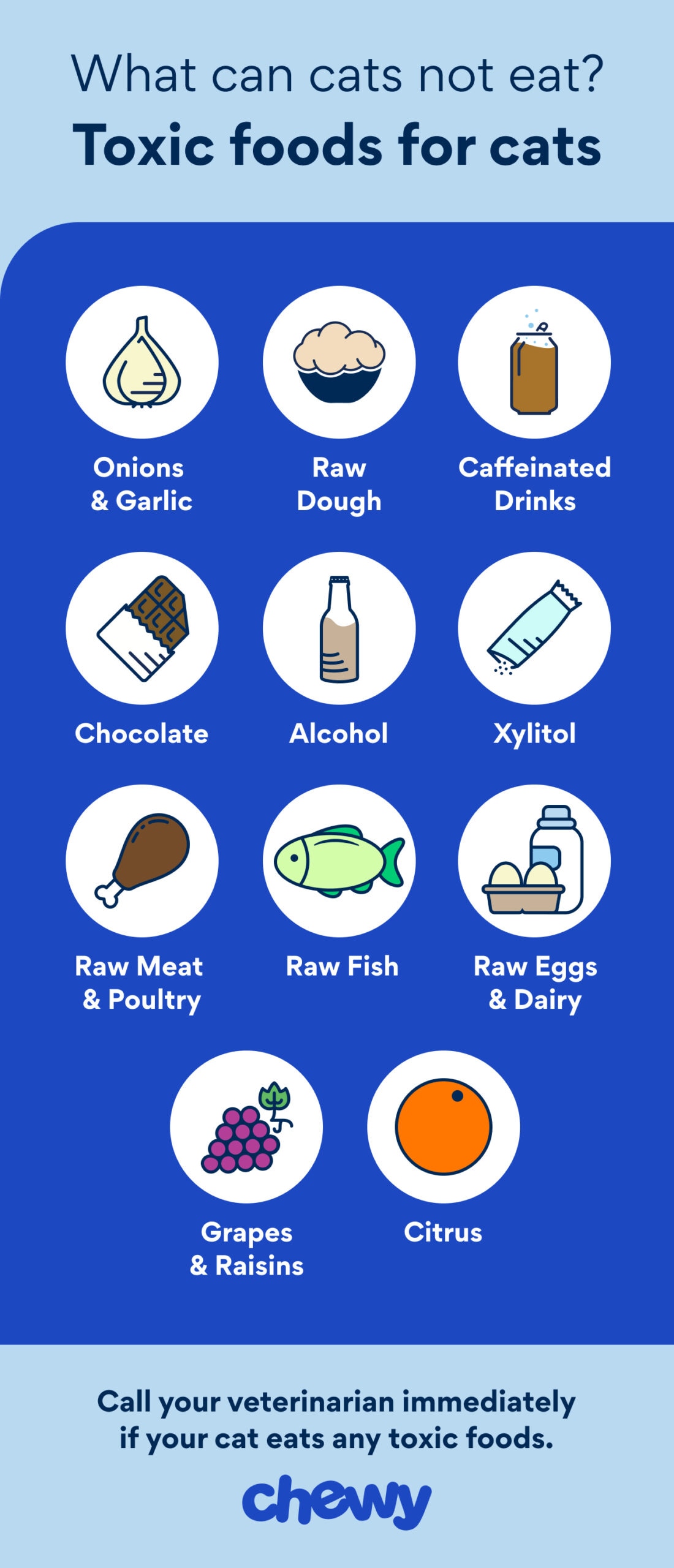
You can improve acceptance by warming wet food slightly. The warmth releases more aroma. For dry food, ask your veterinarian whether adding a little warm water is suitable. Do not add milk, seasoning, onion, garlic, or fatty table food.
You may also try a different form of the same diet. For example, a cat may accept a new food in pâté form but reject the same recipe in chunks. If the diet is prescribed, ask your veterinarian before changing the formula.
Avoid offering many treats as a replacement. Treats can teach a cat to wait for a preferred option, and they may not provide complete nutrition. A few treats may be fine, but the main goal is to restore regular meals.
A useful lesson from many feeding cases is simple: patience works better than persuasion. Cats are more likely to accept change when it feels safe and gradual.
How long can a cat go without eating?
Cats should not go long without food. A healthy adult cat that skips one meal may be watched closely if it is otherwise bright, comfortable, and drinking. However, a cat that refuses food for about 24 hours needs veterinary advice, especially if the change is sudden.
Kittens, senior cats, overweight cats, and cats with medical conditions may need help sooner. Overweight cats are at particular risk of hepatic lipidosis, also called fatty liver disease. This serious condition can develop when the body breaks down fat too quickly during a period of poor food intake.
Call a veterinarian quickly if your cat:
• Eats nothing for a full day
• Vomits more than once
• Has diarrhea or severe constipation
• Seems weak, painful, confused, or unusually sleepy
• Has trouble breathing
• Drinks much more or less than usual
• Has yellow gums, eyes, or skin
• Drools, paws at the mouth, or struggles to chew
• Loses weight
• Has diabetes, kidney disease, or another ongoing illness
Do not force-feed a cat unless a veterinarian has shown you how. Force-feeding can cause fear and may lead to food entering the lungs.
When refusing new food is an emergency
The question why does my cat stop eating new food becomes urgent when food refusal comes with other symptoms. A cat that will not eat and is also vomiting, hiding, or acting painful may have more than a simple food preference.
Male cats need special attention if they strain in the litter box, cry while urinating, or produce little or no urine. A blocked urinary tract is an emergency. It can become life-threatening within a short time.
Dental problems can also look like picky eating. Your cat may approach the bowl, sniff it, then walk away. It may chew on one side, drop food, drool, or prefer soft food. A veterinary mouth exam can find painful teeth or gum disease that you cannot see at home.
A veterinarian may check your cat’s teeth, hydration, weight, abdomen, and general condition. Blood tests, urine tests, dental imaging, or other tests may be needed when illness is suspected. This testing matters because appetite loss is a symptom, not a diagnosis.
Choosing a new cat food
A good new food should meet your cat’s life-stage and health needs. Look for a complete and balanced diet made for cats, not a food designed only for occasional feeding.
Consider these factors:
• Age: Kittens, adults, and seniors have different needs.
• Health: Kidney, urinary, digestive, or allergy concerns may require special diets.
• Texture: Choose pâté, chunks, shreds, dry kibble, or a mix based on your cat’s preference.
• Protein source: Some cats prefer chicken, fish, turkey, beef, or another flavor.
• Calories: Feeding amounts depend on weight, activity, age, and health.
• Vet advice: Prescription diets should be selected with professional guidance.
A higher price does not always mean a food is better for your individual cat. The best food is nutritionally suitable, safe, and accepted by your cat. If a diet is healthy but your cat will not eat it, it cannot provide the needed nutrition.
Be careful with homemade diets. Meat alone is not a complete cat diet. Cats need nutrients such as taurine, arachidonic acid, vitamin A, and specific minerals. A veterinary nutrition professional should formulate a homemade plan.
Mistakes to avoid during a food change
One common mistake is changing too many things at once. If you switch the brand, protein, texture, bowl, and feeding location together, you will not know what caused the problem.
Another mistake is assuming that hunger will force acceptance. This approach can be dangerous for cats. Unlike some dogs, cats may become seriously ill when they stop eating.
Avoid these errors:
• Switching food overnight without a medical reason
• Hiding medicine in a meal your cat already dislikes
• Giving large amounts of treats or human food
• Ignoring vomiting, weight loss, or behavior changes
• Leaving wet food out for long periods
• Changing a prescribed diet without asking the veterinarian
• Measuring food only by eye
Keep a simple food diary during the change. Record the food, amount eaten, treats, vomiting, stool quality, and behavior. This information can help your veterinarian spot patterns and can show whether the plan is working.
A simple feeding routine that can help
Cats often eat better when meals follow a steady routine. Offer food at similar times each day. Use a clean, shallow dish if your cat dislikes deep bowls that touch its whiskers.
Place the bowl in a calm area away from litter boxes, noisy machines, and busy walkways. In homes with several cats, provide separate feeding spaces. This reduces competition and lets each cat eat without fear.
Small meals may work better than one large meal. Some cats enjoy food puzzles or timed feeders, but introduce them slowly. A puzzle should make food more interesting, not frustrating.
If you are still asking why does my cat stop eating new food after several careful attempts, stop experimenting and seek veterinary advice. A health check is more useful than buying many different foods.
Frequently Asked Questions
Why does my cat stop eating new food but still eat treats?
Your cat may dislike the new food’s smell or texture, while treats remain familiar and highly appealing. However, this pattern can also occur with dental pain or nausea, so watch for other symptoms and do not rely on treats as a full diet.
Should I mix old and new cat food?
Yes, mixing old and new food can make the transition easier for many cats. Start with a small amount of new food and increase it slowly over seven to ten days, or longer if your cat is sensitive.
Can changing cat food cause vomiting or diarrhea?
Yes, a sudden diet change can upset the digestive system and cause mild vomiting or loose stool. Repeated vomiting, severe diarrhea, blood, weakness, or continued food refusal requires veterinary care.
How long should I wait if my cat will not eat new food?
Do not wait several days without a plan. Offer the familiar food and contact your veterinarian if your cat eats nothing for about 24 hours, or sooner if it is a kitten, senior, overweight, or unwell.
Is picky eating normal in cats?
Some cats are naturally selective, especially about smell and texture. Still, a new or sudden refusal should not automatically be called picky eating because dental disease and other illnesses can cause the same behavior.
Should I warm my cat’s wet food?
Slightly warming wet food may increase its aroma and make it more appealing. Warm it only until it is near room temperature, stir it well, and check that it is not hot before serving.
Conclusion
Why does my cat stop eating new food? The cause may be a strong dislike of the smell or texture, a fast diet change, stress, stale food, or an underlying health problem. A gradual transition, clean feeding area, fresh food, and calm routine can improve acceptance.
Never assume that a cat refusing food is simply being stubborn. Monitor appetite, water intake, behavior, weight, and litter box habits. If your cat stops eating for about 24 hours or shows other warning signs, contact a veterinarian. Start changes slowly, trust the signals your cat gives you, and share your experience or questions with other cat owners so they can make safer feeding choices too.