Why Does My Cat Prefer One Food Brand: The Real Reason
Cats often prefer one food brand because its smell, texture, taste, and routine feel familiar and rewarding.
If you wonder, “why does my cat prefer one food brand,” you are not alone. Cats can be very selective eaters, and their choices often come from strong senses, early food experiences, health needs, and simple habit. This guide explains the most likely reasons, how to test other foods safely, and when a food preference may signal a medical problem.
Why does my cat prefer one food brand?
The short answer is that cats choose food with their nose first. A brand may have a smell, texture, moisture level, or flavor that your cat finds more appealing than other foods.
Cats also learn from repeated meals. If one food has always made them feel full and comfortable, they may treat it like a trusted friend. New food can seem strange, even when it has better ingredients.
Several factors can shape your cat’s choice:
• Smell: Cats have a strong sense of smell and may prefer foods with a richer meat aroma.
• Texture: Some cats like pâté, while others prefer chunks, shreds, or crunchy kibble.
• Moisture: A cat may enjoy wet food because it is soft and easy to eat.
• Temperature: Food served near room temperature often smells stronger than food straight from the refrigerator.
• Fat and protein: These can make a food more appealing, though taste alone does not prove that a food is complete or balanced.
• Routine: Cats often feel safe when meals arrive at the same time and in the same bowl.
• Past experience: A cat that felt sick after eating a food may avoid it later.
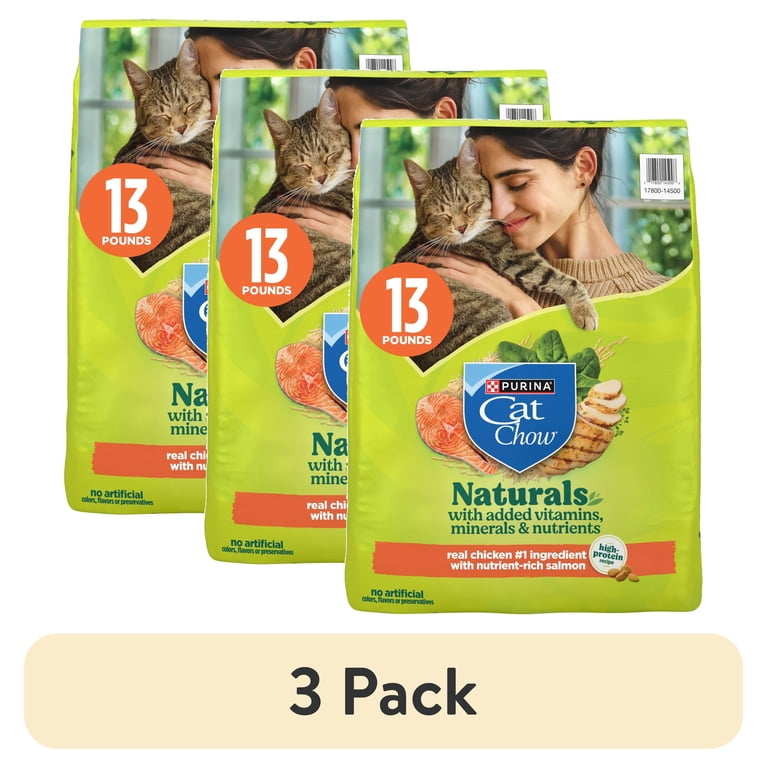
How a cat’s senses affect food choice
A cat’s food preference is closely linked to smell. Since cats have fewer taste buds than humans, scent plays a major role in how they judge a meal. A food that smells fresh and meaty may seem much more attractive than one with a mild odor.
Cats can also detect subtle changes in food. A new recipe, different batch, or altered package may smell unfamiliar. This can happen even when the label looks almost the same.
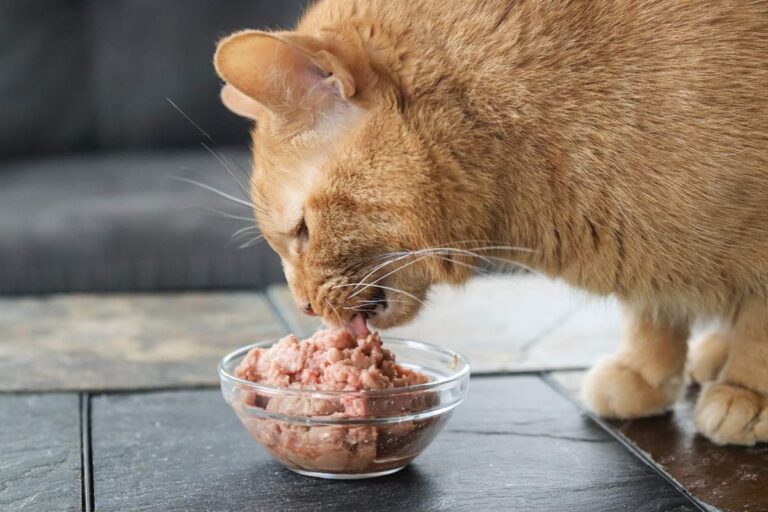
Texture matters, too. Some cats enjoy the smooth feel of pâté. Others like the movement and bite of shredded meat. Kibble size and shape can also affect whether a cat eats comfortably.
Your cat may prefer one food brand because that brand offers the exact mix of smell and texture your cat likes. It is similar to how one person prefers a certain coffee brand because of its aroma, roast, and mouthfeel.
The role of habit and early food learning
Cats are creatures of habit. A food served often during kittenhood can become their normal idea of a meal. If a cat grows up eating one brand, a different food may seem unsafe or unfamiliar.
Early exposure can make food changes easier. Kittens that try several safe textures and flavors may become more flexible eaters. Still, personality matters. Some cats remain selective even after trying many foods.
A regular feeding routine can strengthen food preference. If your cat eats the same brand at the same time each day, the smell of that food becomes linked with comfort and security.
This helps explain why does my cat prefer one food brand even when other foods seem similar. The preference may be learned, not just based on the ingredient list.

Could the ingredients make one brand more appealing?
Yes. Cats are obligate carnivores, which means they need nutrients found in animal tissues to stay healthy. Their natural diet is rich in animal protein and moisture, so many cats favor foods with a strong meat smell and taste.
One brand may also use:
• More animal-based protein
• A higher moisture level
• More fat for flavor
• Broth or other palatable ingredients
• Smaller or softer pieces
• A coating that adds aroma to dry food
However, a food that tastes good is not always the best choice for every cat. The product should also be complete and balanced for your cat’s life stage. In the United States, look for an AAFCO nutritional adequacy statement on the label.
The ingredient list gives useful details, but it does not tell the whole story. Ingredient quality, nutrient balance, calorie content, safety, and your cat’s health all matter.

Why does my cat prefer one food brand but reject another?
Your cat may reject another brand because of a small difference that people barely notice. The food may have a different scent, a dry texture, larger pieces, or less moisture.
Some cats dislike sudden changes. If you switch food in one day, your cat may refuse the new meal or develop loose stool. A slow change is usually kinder to the digestive system.
Try comparing the foods in a simple way:
-
Check whether both foods have a similar texture.
-
Compare wet and dry forms separately.
-
Note the main protein source.
-
Check the calorie level and feeding amount.
-
Smell each food before serving it.
-
Watch how your cat eats, not only whether the bowl is empty.
A cat may eat one food quickly but nibble another slowly. That behavior can reveal a texture or comfort issue.

Health reasons behind a strong food preference
Food preference is often harmless, but a sudden change deserves attention. Dental pain, nausea, kidney disease, digestive problems, and other illnesses can change how a cat eats.
For example, a cat with sore teeth may avoid hard kibble but accept soft pâté. A cat with nausea may prefer a familiar smell or may stop eating altogether. A cat with a reduced sense of smell may choose warmer food because it has a stronger aroma.
Watch for warning signs such as:
• Eating much less than normal
• Dropping food from the mouth
• Chewing on one side
• Drooling
• Vomiting or diarrhea
• Weight loss
• Drinking far more water
• Hiding or acting tired
• Bad breath or pawing at the mouth
Cats should not go without food for long periods. Overweight cats are especially at risk of fatty liver disease when they stop eating. Contact a veterinarian promptly if your cat refuses food, loses weight, or shows other symptoms.

Can a cat become addicted to one food brand?
Cats do not usually become addicted to a food brand in the human sense. They can, however, develop a strong preference through habit, taste, smell, and positive experiences.
Some foods contain flavor coatings that make them very appealing. This does not automatically mean the food is harmful. It simply means your cat may notice and enjoy its flavor more.
A strong preference can become a problem if your cat refuses all other complete foods. It may limit your options if the brand is unavailable or if your veterinarian recommends a prescription diet.
You can reduce this risk by offering safe variety early in life. Do not force a sudden change, though. Gentle exposure works better than removing the favorite food without a plan.
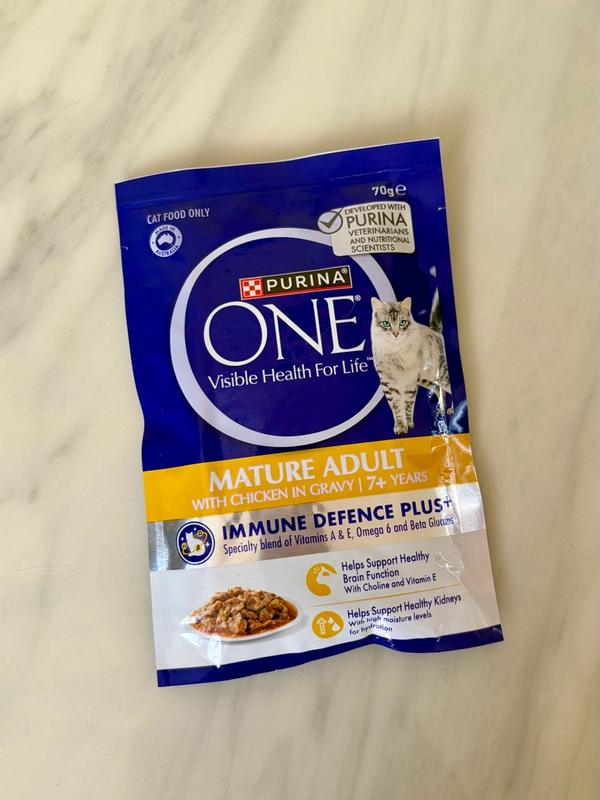
Is the favorite food actually healthy?
A favorite food can be healthy, but the brand name alone does not prove it. Look for a complete and balanced statement that matches your cat’s age, such as growth, maintenance, or all life stages.
Also consider your cat’s individual needs:
• Age and life stage
• Body weight and body condition
• Activity level
• Dental health
• Kidney or urinary concerns
• Food allergies or intolerances
• Recommended calorie intake
Wet food can help increase water intake, which may benefit cats that drink little. Dry food is convenient and can fit some feeding plans, but it contains much less water than canned food.
There is no single best brand for every cat. A food that works well for one cat may not suit another. Your veterinarian can help match the diet to your cat’s health and calorie needs.
How to change your cat’s food safely
If your cat needs a new diet, make the change slowly. A gradual transition gives your cat time to accept the new taste and gives the gut time to adjust.
A common plan is:
-
Days 1 to 3: Serve about 75% old food and 25% new food.
-
Days 4 to 6: Serve about 50% old food and 50% new food.
-
Days 7 to 9: Serve about 25% old food and 75% new food.
-
Day 10: Serve the new food alone if your cat accepts it.
Some cats need two or three weeks. Move more slowly if your cat is nervous, has a sensitive stomach, or refuses mixed meals.
Do not starve your cat into accepting a new food. That approach can be dangerous. If your cat will not eat the new diet, call your veterinarian for another plan.
Practical ways to make new food more appealing
You can make a new food easier to accept without creating pressure. Start with a small amount beside the familiar food rather than covering the old food completely.
Try these simple steps:
• Serve food at room temperature.
• Warm wet food slightly to increase its aroma.
• Use a clean bowl with low sides.
• Feed in a quiet place.
• Offer small, fresh portions.
• Keep food away from litter boxes.
• Try a similar texture before a completely different one.
• Avoid adding many treats during the transition.
Never microwave food in a metal container. If you warm wet food, stir it well and check the temperature before serving. Hot spots can burn your cat’s mouth.
In my experience, one common mistake is changing both the brand and texture at once. A cat that likes chicken pâté may reject a new fish-based kibble, even if the new food is nutritionally sound. Changing one feature at a time makes it easier to find the real reason for refusal.
Feeding habits that may shape food preference
The way you feed your cat can affect what it prefers. Free-choice feeding may cause some cats to graze all day, while others may overeat. Scheduled meals can make appetite easier to track.
Many cats prefer several small meals. This pattern fits their natural hunting behavior better than one large meal. Puzzle feeders can also provide mental activity, but introduce them slowly if your cat is nervous.
Keep a simple food record for a week. Write down:
• The brand and recipe
• The food texture
• The serving size
• The time of each meal
• Treats and table scraps
• Vomiting or stool changes
• How quickly your cat eats
This record can help you see patterns. It can also give your veterinarian useful information if a health concern appears.
Why does my cat prefer one food brand after being sick?
After an illness, cats may connect nausea with a food they ate at that time. This is called food aversion. Even after recovery, the smell of that food may remind them of feeling unwell.
A familiar brand may feel safer if your cat has recently experienced stress, surgery, travel, or medication. Cats often seek predictability when their world feels different.
If your cat prefers one brand after being sick, do not assume it is simply being stubborn. Offer small portions and watch for signs of nausea. If appetite remains poor or your cat vomits, seek veterinary care.
Your veterinarian may suggest a recovery diet, a prescription food, or medication to control nausea. Follow that advice rather than relying only on the food your cat requests.
How to tell preference from a possible food allergy
True food allergies are less common than many owners think. When they occur, they may cause itchy skin, repeated ear problems, vomiting, or diarrhea. Some cats show more than one symptom.
A cat that prefers one brand is not automatically allergic to other foods. It may simply dislike the taste or texture. Food allergies require a careful elimination diet guided by a veterinarian.
Do not switch between many foods while trying to find an allergy. That can make the results hard to understand. A controlled diet trial usually requires feeding only the recommended diet for the full period set by the veterinarian.
Treats, flavored medicines, and table food can interfere with the trial. Ask your veterinary team before offering extras.
Common mistakes cat owners make
Even caring owners can make food changes harder. The most common mistake is expecting a cat to accept a new food immediately.
Other mistakes include:
• Offering too many choices at once
• Changing food during a stressful event
• Ignoring dental pain
• Giving large servings of unfamiliar food
• Judging health by an empty bowl alone
• Choosing food based only on marketing claims
• Using treats to replace balanced meals
• Waiting too long when a cat stops eating
A healthy cat can be selective, but a sudden food refusal is different from a long-term preference. Notice what is normal for your cat. Small changes are easier to spot when you track eating habits.
When should you call a veterinarian?
Call your veterinarian if your cat refuses food, eats much less, or shows other changes. The right timing depends on your cat’s age, weight, health, and symptoms.
Seek prompt advice if your cat has:
• No food intake for about 24 hours
• Repeated vomiting
• Severe diarrhea
• Weakness or unusual sleepiness
• Rapid weight loss
• Trouble breathing
• Trouble chewing or swallowing
• Yellow skin, gums, or eyes
Kittens, senior cats, and cats with diabetes or other chronic illness may need help sooner. A veterinary exam can check the mouth, teeth, body weight, hydration, and other possible causes.
Food preference is not a diagnosis. It is one clue among many.
A simple plan for managing a picky cat
If your cat is healthy and eating well, there is no need to change a food that meets nutritional needs. Still, a backup plan can be useful.
Try this approach:
-
Confirm that the current food is complete and balanced.
-
Ask your veterinarian whether it fits your cat’s age and health.
-
Choose one similar backup food.
-
Introduce it slowly over at least seven to ten days.
-
Keep notes on appetite, stool, weight, and comfort.
-
Store food in a cool, dry place.
-
Replace stale kibble and refrigerate opened wet food as directed.
Avoid buying a large case of a new food before your cat accepts it. A small trial size can save money and reduce waste.
The goal is not to defeat your cat’s preference. The goal is to keep meals nutritious, safe, and practical while respecting your cat’s needs.
Frequently asked questions about why does my cat prefer one food brand
Why does my cat prefer one food brand over all others?
Your cat may prefer one brand because of its smell, texture, moisture, fat level, or familiar routine. Cats can also remember foods linked with comfort and good digestion.
Is it bad if my cat eats only one food brand?
Not always. If the food is complete and balanced for your cat’s life stage and your cat stays healthy, one brand may be fine. Ask your veterinarian before changing the diet, especially if your cat has a medical condition.
How can I get my cat to try a new brand?
Introduce the new food slowly and start with a small amount. Choose a similar flavor and texture, serve it at room temperature, and avoid forcing your cat to eat.
Why does my cat suddenly refuse its favorite food?
A sudden refusal can result from stale food, a recipe change, stress, dental pain, nausea, or another illness. If your cat eats much less than normal or shows other symptoms, contact a veterinarian.
Should I mix old and new cat food?
Mixing can help many cats accept a new diet, but some cats prefer the foods separated. Start with a small amount of new food and increase it gradually over several days.
Does wet food taste better to cats than dry food?
Many cats enjoy wet food because it has more moisture and a stronger aroma. However, some cats prefer the crunch and texture of dry food, so taste varies from cat to cat.
Can food preference be a sign of a health problem?
It can be, especially when the preference begins suddenly or comes with weight loss, vomiting, drooling, diarrhea, or low energy. A veterinarian can check for dental disease and other causes.
Conclusion
The answer to why does my cat prefer one food brand usually involves smell, texture, moisture, habit, and past experience. A strong preference is often normal when your cat eats enough, maintains a healthy weight, and has no troubling symptoms.
Choose a complete and balanced diet that fits your cat’s life stage and health. If you need to change foods, move slowly, watch your cat closely, and never force a cat to go hungry. Share your cat’s food preferences in the comments, and explore more trusted pet-care resources to support a long, healthy life.