Why Should Cat Food Be Changed Gradually: Safe Tips
Changing cat food gradually helps protect digestion, reduce stress, and give your cat time to accept new flavors.
Knowing why should cat food be changed gradually can prevent vomiting, diarrhea, poor appetite, and food refusal. A slow food transition supports your cat’s gut, habits, and sense of safety, especially when the new diet has different ingredients, texture, or nutrients.
Why Should Cat Food Be Changed Gradually?
Cats have sensitive digestive systems. Their stomach and intestines need time to adjust to changes in protein, fat, fiber, moisture, and calorie levels. A sudden switch can upset this balance.
The main reason why should cat food be changed gradually is to reduce digestive stress. Your cat’s gut contains helpful bacteria that support digestion. These microbes may need several days to adapt to a new recipe.
A gradual change also helps you see how your cat responds. If vomiting or loose stool occurs, you can slow the process and speak with a veterinarian. With a sudden switch, it is harder to know whether the problem came from the food, stress, or an illness.
What Happens When You Change Cat Food Too Quickly?
A fast food change may cause mild or serious problems. Some cats handle it well, but many need more time.
Common signs of a rushed transition include:
• Soft stool or diarrhea
• Vomiting
• Gas or stomach sounds
• Less interest in food
• Eating too fast or begging for the old food
• Refusing the new food
• Changes in water intake
These signs do not always mean the new food is bad. Your cat may simply need a slower adjustment. Still, repeated vomiting, severe diarrhea, weakness, or a complete refusal to eat needs prompt veterinary advice.
Cats are also creatures of habit. Food is not just fuel to them. Its smell, shape, taste, and texture all matter. A new recipe can feel like a strange object in the bowl, even when it is high quality.
This is another reason why should cat food be changed gradually. A slow change gives your cat time to accept the new sensory experience.
How Long Should a Cat Food Transition Take?
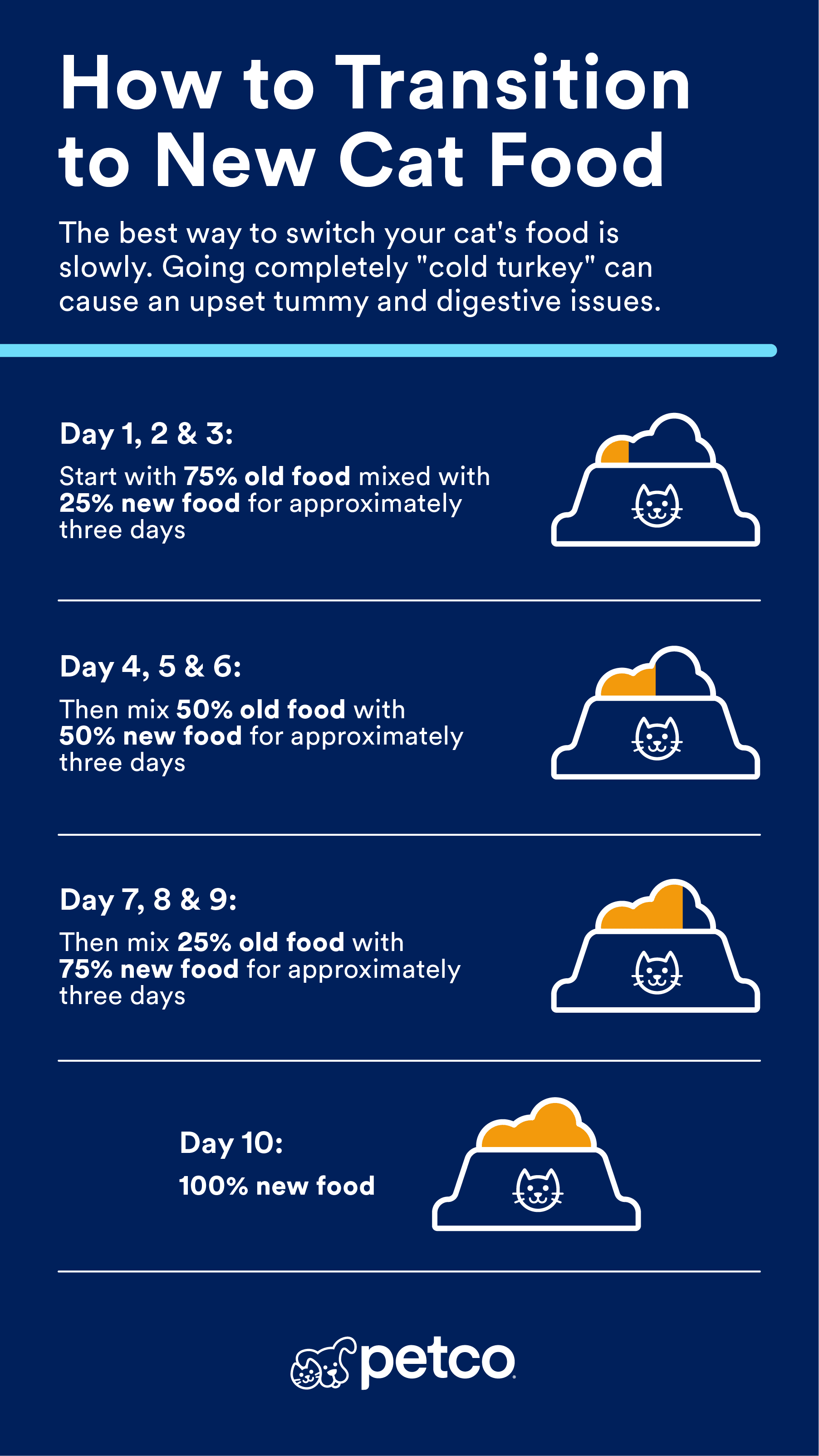
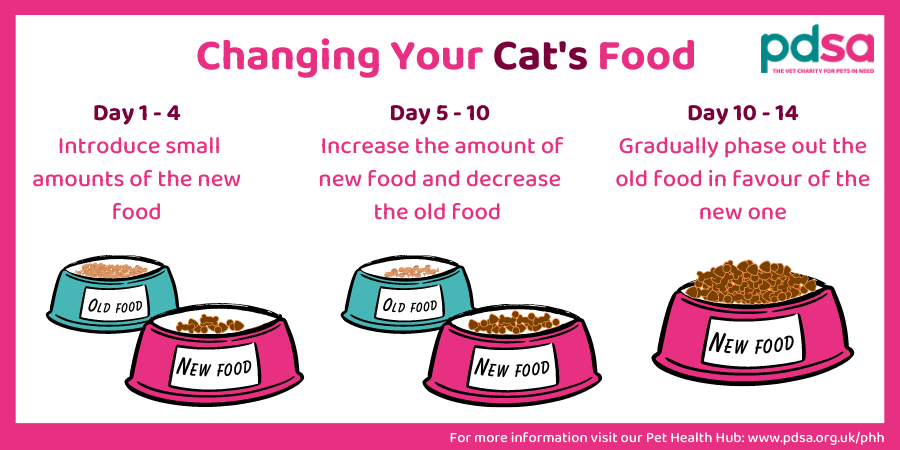
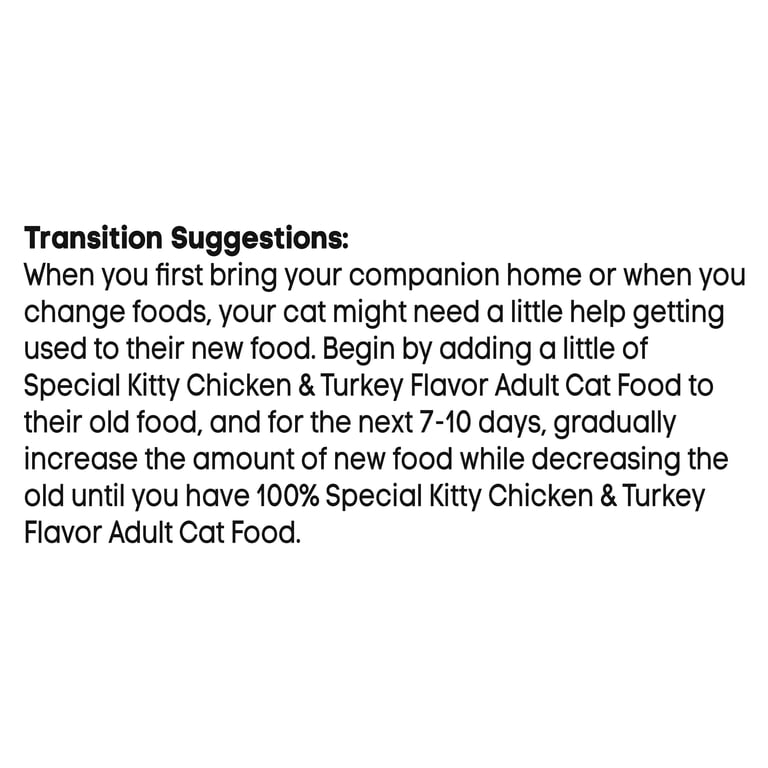
Most healthy cats can change food over seven to ten days. Some cats need two or three weeks, especially if they have a sensitive stomach or dislike change.
A simple transition plan looks like this:
-
Days 1 and 2: Feed about 75% old food and 25% new food.
-
Days 3 and 4: Feed about 50% old food and 50% new food.
-
Days 5 through 7: Feed about 25% old food and 75% new food.
-
Day 8 or later: Feed 100% new food if your cat is doing well.
You can extend each stage if your cat has loose stool or avoids the food. There is no prize for making the change quickly. A steady transition is usually safer and easier.
For cats with chronic digestive disease, food allergies, or a history of food refusal, ask your veterinarian for a custom plan. Prescription diets may require closer monitoring.

The Best Way to Switch Cat Food
The best method is to mix the old and new food in the same bowl. This helps your cat learn that the new food is part of a familiar meal.
Measure each food carefully. Cat food differs in calories, so the same cup or scoop may not provide the same energy. Follow the feeding guide on the package, then adjust with veterinary advice based on your cat’s weight and body condition.
Use these practical tips:
• Keep meal times steady.
• Use the same bowl during the transition.
• Serve food at a comfortable room temperature.
• Keep fresh water available.
• Store food in a cool, dry place.
• Avoid adding many treats during the change.
• Watch stool, appetite, energy, and body weight.
Do not hide a large amount of new food under the old food. A cat may notice the smell and reject the whole meal. Small, even portions work better.
If your cat eats wet food, texture matters. Paté, chunks, shreds, and gravy can feel like different foods. When possible, change one feature at a time.

Why Cats May Resist New Food
Cats can be cautious eaters. Their sense of smell guides much of their food choice, so a new aroma may be enough to cause refusal.
Some cats resist new food because of:
• A different meat or fish flavor
• A new texture
• A stronger smell
• A change from wet food to dry food
• A change from dry food to wet food
• Food served too cold
• A noisy or stressful feeding area
• A past unpleasant experience, such as nausea
Health issues can also look like pickiness. Dental pain, kidney disease, nausea, and other conditions may reduce appetite. If a cat suddenly stops eating, do not assume it is simply being stubborn.
This explains why should cat food be changed gradually for both physical and behavioral reasons. The slow method protects digestion while building trust in the new meal.

Should You Change Food for a Health Reason?
Sometimes a food change is needed right away. A veterinarian may recommend a new diet for kidney disease, diabetes, urinary problems, obesity, allergies, or another medical concern.
Even then, a gradual transition is often helpful when your cat is stable. Your veterinarian may advise a faster change if the current food is unsafe or worsening a condition.
Ask your veterinarian before changing food when your cat has:
• Frequent vomiting or diarrhea
• A urinary blockage history
• Kidney or liver disease
• Diabetes
• Food allergies
• Inflammatory bowel disease
• Recent surgery
• Major weight loss
• A very low appetite
A therapeutic diet works best when your cat eats enough of it. Never let a cat go without food for an extended period while waiting for acceptance. Overweight cats face a special risk of hepatic lipidosis, also called fatty liver disease, if they stop eating.
How to Handle Vomiting or Diarrhea During a Food Change
If your cat has one mild episode of soft stool but still eats, drinks, and acts normally, pause the transition. Return to the last food ratio your cat tolerated for another day or two.
For example, if your cat became ill at 75% new food, return to a 50% new food mix. Once stools return to normal, move forward more slowly.
Contact a veterinarian if symptoms continue or become worse. Seek urgent care for repeated vomiting, bloody stool, severe weakness, dehydration, belly pain, or a cat that refuses food.
Do not give human stomach medicines unless a veterinarian specifically tells you to do so. Some common products can harm cats.
Monitoring is one of the most important parts of why should cat food be changed gradually. It lets you make small changes before a mild issue becomes a serious one.

Common Mistakes to Avoid
A careful plan can fail if the transition includes too many changes at once. Keep the process simple and predictable.
Avoid these common mistakes:
• Changing food overnight without a medical reason
• Switching brands, flavors, and textures at the same time
• Offering many treats to make up for rejected food
• Leaving wet food out for too long
• Measuring food by eye
• Ignoring a sudden appetite change
• Assuming diarrhea is normal for several days
• Stopping the new food after one cautious sniff
A common real-life pattern is this: a cat refuses a new diet on the first day, so the caregiver replaces it with treats. The cat then learns that refusing dinner leads to better snacks. Offering patience, a small amount of familiar food, and a steady schedule usually works better.
Another lesson is to avoid buying a large case of unfamiliar food at first. Try a small amount if possible. This can reduce waste and prevent stress if your cat dislikes the recipe.
How to Make a Cat Food Change Easier
You can make the process smoother with a few gentle steps. Start when your cat is healthy and your home is calm. Avoid changing food during travel, moving, or other major stress.
Try these ideas:
• Add a teaspoon of warm water to wet food if your veterinarian approves.
• Warm wet food slightly to improve its smell.
• Feed in a quiet area away from dogs and busy walkways.
• Offer smaller meals more often.
• Use a clean bowl each day.
• Keep the old food available during the early stages.
• Praise calm eating without forcing your cat.
Never force food into a cat’s mouth. This can increase fear and create a lasting dislike of the food.
For dry food, do not soak it unless the package directions and your veterinarian support that choice. Moisture can change how long food stays safe. Remove wet or moistened food after the recommended time.
Can You Switch Between Wet and Dry Cat Food?
Yes, but the change should still be gradual. Wet and dry foods differ in water content, calories, texture, and feeding volume.
A cat moving from dry food to wet food may need time to accept the softer texture. A cat moving from wet food to dry food may miss the stronger smell and moisture.
Compare calories on both labels. Wet food often contains more water, so a cat may need a larger measured portion by weight or volume. Your veterinarian can help set the right daily amount.
This is another clear example of why should cat food be changed gradually. The change affects more than flavor. It also changes hydration, meal size, chewing, and digestion.
When Should You Stop the Transition?
Stop or slow the transition if your cat develops repeated vomiting, ongoing diarrhea, marked gas, or a sharp drop in appetite. Return to the last food ratio that caused no problems while you contact your veterinarian.
You may also need to stop if your cat loses weight or seems painful after meals. A food that looks healthy on paper may not suit every individual cat.
Food labels can guide you, but they cannot predict every reaction. Ingredients, nutrient levels, manufacturing quality, and your cat’s medical history all matter. “Natural” or “premium” does not automatically mean the food is right for your cat.
A complete and balanced food should meet recognized nutritional standards for the cat’s life stage. In the United States, look for an adequacy statement based on Association of American Feed Control Officials nutrient profiles or feeding trials.
A Simple Cat Food Change Checklist
Use this checklist before and during the transition:
-
Choose a complete and balanced food for your cat’s life stage.
-
Check with your veterinarian if your cat has a medical condition.
-
Buy a small amount before committing to a large package.
-
Begin with 25% new food.
-
Increase the new food every few days.
-
Track appetite, stool, energy, and weight.
-
Slow down if any digestive signs appear.
-
Get veterinary help if your cat stops eating or seems ill.
Keeping a short food diary can help. Write down the food ratio, meal size, stool quality, and any symptoms. This gives your veterinarian useful information if a problem develops.
Frequently Asked Questions About Why Should Cat Food Be Changed Gradually
Why should cat food be changed gradually instead of all at once?
A gradual change gives the digestive system time to adapt to new ingredients and nutrients. It also helps cats accept new smells and textures with less stress.
How many days should it take to change cat food?
A healthy cat often needs seven to ten days. Sensitive cats, older cats, and cats with medical conditions may need two or three weeks.
What should I do if my cat gets diarrhea after changing food?
Pause the transition and return to the last food mix your cat tolerated. Contact a veterinarian if diarrhea lasts, becomes severe, contains blood, or occurs with vomiting or weakness.
Can a sudden food change make a cat vomit?
Yes, a sudden change can upset some cats and lead to vomiting. Repeated vomiting is not normal and needs veterinary advice.
What if my cat refuses the new food?
Offer a smaller amount mixed with the familiar food and move more slowly. If your cat refuses all food, contact a veterinarian promptly because cats should not go without eating for long.
Is it safe to change cat food during illness?
Only change food during illness with veterinary guidance. Some conditions need a special diet, while others require your cat to keep eating a familiar, tolerated food.
Can I change cat food brands if both foods are complete and balanced?
Yes, but the transition should still be gradual. Different brands may vary in calories, fat, fiber, protein, flavor, and texture.
Conclusion
Changing cat food gradually protects your cat’s digestion and makes the new diet easier to accept. A seven-to-ten-day plan, careful observation, accurate portions, and a calm feeding routine can prevent many common problems.
The answer to why should cat food be changed gradually is simple: cats need time to adjust in both body and behavior. Start with a small amount of new food, slow down when needed, and ask your veterinarian for help if your cat vomits, has lasting diarrhea, loses weight, or stops eating.
Use this guide during your next food change, and share your experience or questions with your veterinarian and other cat parents.