Why Do You Have To Transition Cat Food Slowly: Safe Tips
Cats need slow food changes because sudden swaps can upset digestion, appetite, and helpful gut bacteria.
Changing your cat’s diet may seem simple, but a cat’s stomach can be surprisingly sensitive. Understanding why do you have to transition cat food slowly helps prevent vomiting, diarrhea, food refusal, and unnecessary stress. This guide explains the science, gives a safe transition plan, and shows when a veterinarian should become part of the decision.
Why do you have to transition cat food slowly?
The main reason is that your cat’s digestive system needs time to adjust to a new mix of ingredients, nutrients, calories, and textures. Even two foods made for adult cats can differ greatly in protein, fat, fiber, moisture, and minerals.
A sudden change can disturb the normal balance of bacteria in the gut. These helpful microbes support digestion and stool health. When the diet changes too fast, the gut may not adapt smoothly.
Cats can also react strongly to changes in smell, shape, and texture. Many cats prefer familiar food. A sudden swap may cause stress or food refusal, even when the new diet is nutritionally complete.
This is why do you have to transition cat food slowly: the goal is to give both the digestive system and the cat’s eating habits enough time to adjust.

What happens when you change cat food too quickly?
A rapid food change can lead to several short-term problems. These issues are often mild, but they can be uncomfortable for your cat and worrying for you.
Common signs include:
• Soft stool or diarrhea
• Vomiting
• Gas or stomach noises
• Reduced appetite
• Refusing the new food
• Eating too little
• Constipation, especially after a change in moisture or fiber
Diarrhea may happen because the new food contains different ingredients or a new amount of fat and fiber. Vomiting may occur when a cat eats too quickly, reacts to an ingredient, or cannot handle the sudden change.
Food refusal deserves special attention. Cats should not go without food for long periods. Overweight cats are at higher risk of hepatic lipidosis, a serious liver condition that can develop when they stop eating.
A slow transition does not guarantee that every cat will accept a new diet. It does, however, reduce the chance of digestive upset and helps you identify the true cause of a problem.
How a cat’s digestive system adapts to new food
Your cat’s digestive tract is designed to process animal-based nutrients, but it still needs time to respond to dietary changes. Digestive enzymes help break down proteins, fats, and carbohydrates. The body may need several days to adjust enzyme activity and intestinal movement.
The gut microbiome also plays an important role. This community of bacteria changes in response to the food a cat eats. A sudden diet change may shift this balance before the body is ready.
Think of it like changing the road surface while driving. A gentle change feels manageable. A sudden change can make the ride rough.
A gradual transition gives the digestive system small steps instead of one large shock. This is another clear answer to why do you have to transition cat food slowly.
Research on companion animal nutrition supports gradual dietary changes, especially when the new food differs in ingredients, texture, fat level, or fiber. Veterinary nutrition experts commonly recommend a transition period of about seven days, though some cats need longer.
How long should it take to transition cat food?
For many healthy adult cats, a seven to ten day transition works well. Some cats adjust in less time, while sensitive cats may need two weeks or more.
Use your cat’s stool, appetite, and behavior as guides. If the stool becomes loose or your cat stops eating, slow the process rather than pushing forward.
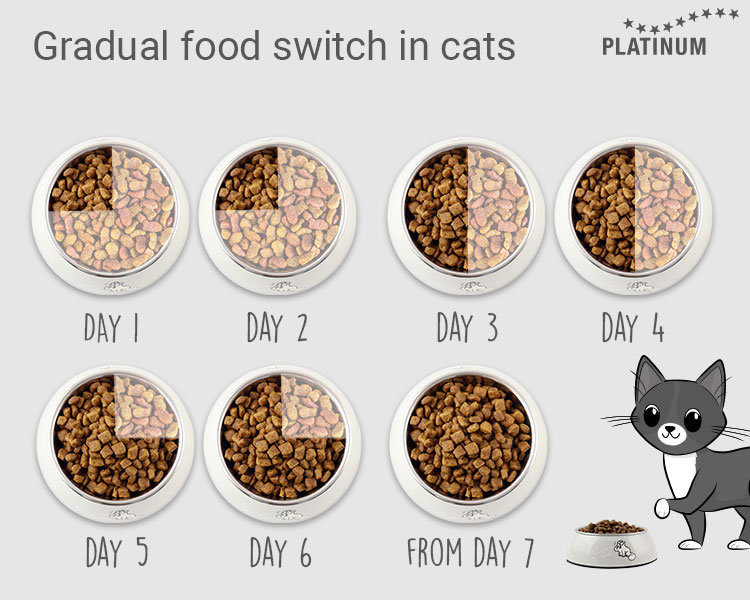
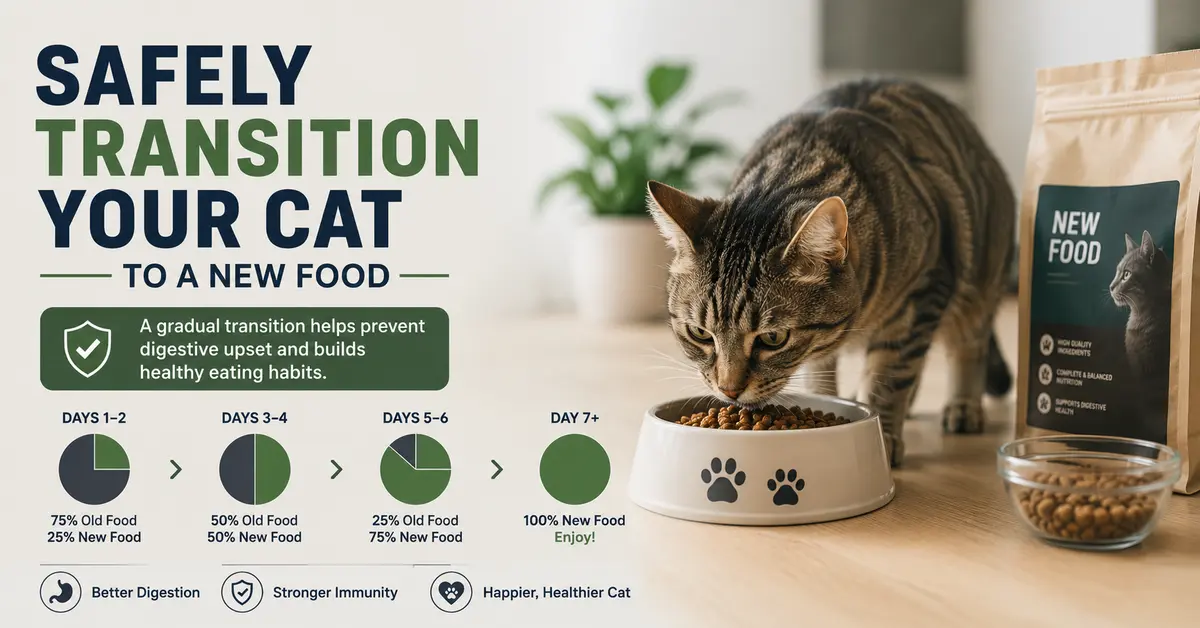
A simple schedule looks like this:
-
Days 1 and 2: Feed 75% old food and 25% new food.
-
Days 3 and 4: Feed 50% old food and 50% new food.
-
Days 5 and 6: Feed 25% old food and 75% new food.
-
Day 7: Feed 100% new food if your cat is doing well.
For a very sensitive cat, keep each step for three or four days. You can also return to the last ratio that caused no trouble, then move forward more slowly.
The answer to why do you have to transition cat food slowly is not always the same for every cat. Age, health, stress, past stomach problems, and the size of the dietary change all matter.
The best way to transition cat food
Start by choosing a calm time. Avoid changing food during a move, after surgery, during a house renovation, or when a new pet arrives. Stress can affect appetite and digestion.
Measure the old and new foods. Do not rely only on the bowl’s appearance. Different foods can have different calorie levels, so the same volume may not provide the same amount of energy.
Mix the foods well if your cat accepts mixed meals. Some cats pick out only the familiar pieces. If that happens, offer the new food in a separate small dish beside the old food.
Follow these practical steps:
• Keep meal times steady.
• Use the same bowl when possible.
• Serve food at a comfortable room temperature.
• Offer small, fresh portions.
• Keep clean water available.
• Watch stool, appetite, weight, and energy.
• Do not add many treats during the transition.
If your cat eats wet food, warming it slightly may increase its smell. Never make it hot. A stronger aroma can help a cautious cat notice the new meal.
The same advice applies when moving from dry food to wet food, changing brands, switching protein sources, or moving from kitten food to adult food.

Why cats may reject a new food
Cats often judge food through smell first. A new recipe may smell different because it uses another protein, cooking method, fat source, or flavor coating.
Texture also matters. A cat used to crunchy kibble may reject a pâté. A cat that prefers smooth wet food may dislike chunks in gravy. Even a different kibble shape can cause hesitation.
Some cats learn strong food preferences early in life. Others become more cautious with age. Dental pain, nausea, stress, and illness can also look like simple pickiness.
Avoid trying to force a new food by removing the old food for an extended time. This can create stress and may put your cat at risk if they eat too little.
Instead, make the change more familiar:
• Mix a small amount of new food with the old food.
• Try a similar texture first.
• Use the same protein when possible.
• Offer the new food in a quiet place.
• Give your cat time to investigate.
• Ask a veterinarian about appetite support if needed.
This explains another part of why do you have to transition cat food slowly. A slow change respects both your cat’s body and their behavior.
Changing between dry food and wet food
Switching between dry and wet food can require extra care. Wet food contains much more water, while dry food is more concentrated and crunchy. The change may affect stool size, water intake, fullness, and calorie intake.
When moving to wet food, begin with a small spoonful beside or mixed with the familiar food. Increase the amount over several days. You may need to test different textures, such as pâté, minced food, or chunks in gravy.
When moving to dry food, introduce a few pieces at a time. Some cats accept dry food better when it is placed next to wet food rather than mixed into it.
Never assume that one cup of a new food equals one cup of the old food. Check the feeding guide and calorie information. A veterinarian can help set the right portion for your cat’s age, weight, and health needs.
Slow changes are especially useful for cats with sensitive digestion. This is why do you have to transition cat food slowly when changing food form as well as brand.
Transitioning food for kittens, senior cats, and sensitive cats
Kittens have growing bodies and high nutrient needs. They should usually eat food made for growth until they reach adulthood, based on veterinary guidance. A sudden switch can cause stomach upset and may affect how much they eat.
Senior cats may have dental disease, kidney disease, thyroid disease, diabetes, or other health concerns. A food change should be planned carefully if a medical condition is present.
Cats with sensitive stomachs may need a longer transition. Some benefit from a veterinary therapeutic diet, but these diets should be used with professional guidance.
Take extra care with:
• Kittens younger than one year
• Cats over seven or eight years old
• Underweight or overweight cats
• Cats with kidney, liver, or intestinal disease
• Cats with diabetes
• Cats with food allergies
• Cats that have vomited or had diarrhea often
• Cats that have stopped eating in the past
For these cats, why do you have to transition cat food slowly becomes even more important. A veterinarian may recommend a specific schedule, food type, or monitoring plan.
What to do if your cat gets diarrhea during the transition
First, pause the transition. Return to the last food ratio your cat tolerated well, or contact your veterinarian for advice.
Make sure your cat has access to fresh water. Diarrhea can cause fluid loss, and dehydration can become dangerous, especially in kittens, older cats, and cats with other illnesses.
Do not give human anti-diarrhea medicine unless a veterinarian specifically tells you to do so. Some human medicines are unsafe for cats.
Contact a veterinarian promptly if you notice:
• Repeated vomiting
• Blood or black stool
• Severe or watery diarrhea
• Weakness or unusual sleepiness
• Signs of pain
• Refusal to eat
• Dry or sticky gums
• Diarrhea lasting more than a day or two
• Symptoms in a kitten, senior cat, or sick cat
A food transition may be the cause, but it is not the only possibility. Parasites, infections, inflammatory bowel disease, pancreatitis, toxins, and other problems can also cause digestive signs.

Common mistakes to avoid when changing cat food
Many food changes fail because the process is rushed or confusing. Avoiding a few common mistakes can make the transition much easier.
• Changing food overnight: Even healthy cats may react to an abrupt switch.
• Changing several things at once: A new food, new treats, and supplements make it hard to find the cause of stomach upset.
• Ignoring calories: Different recipes may have different calorie levels.
• Pressuring the cat: Force-feeding can create food fear and stress.
• Leaving wet food out too long: Wet food can spoil and lose its appeal.
• Forgetting water: Fresh water supports normal digestion and overall health.
• Using treats to replace meals: Treats should not become the main source of nutrition.
• Continuing despite warning signs: Ongoing vomiting, diarrhea, or poor appetite needs attention.
One mistake I often see in cat-care advice is treating every cat as if it follows the same schedule. A confident young cat may change foods in a week. A nervous senior cat may need several weeks. The best plan is flexible and based on the cat’s response.
This practical experience also reinforces why do you have to transition cat food slowly: patience often prevents a much bigger problem later.

How to choose a new cat food
Choose a food that matches your cat’s life stage and health needs. Look for a complete and balanced diet that is appropriate for cats, rather than a product made only for occasional or supplemental feeding.
Consider these factors:
• Life stage: kitten, adult, or senior
• Calorie needs
• Wet, dry, or mixed feeding
• Protein source
• Medical needs
• Allergy history
• Texture preference
A food labeled complete and balanced has been formulated to meet recognized nutrient standards when fed as directed. Still, the label does not tell the whole story. Manufacturing quality, ingredient sourcing, and quality control also matter.
If your cat needs a prescription diet for kidney disease, urinary disease, diabetes, or another condition, follow the veterinary plan. Do not replace it with a regular store food without professional advice.
Why do you have to transition cat food slowly after choosing a good product? Because even an excellent food can cause trouble if your cat’s body receives it too quickly.

How to track your cat during the transition
A simple daily record can help you spot patterns. Write down the food ratio, amount eaten, stool quality, vomiting, water intake, and energy level.
You do not need a complicated chart. A few notes on your phone are enough.
Track:
• How much your cat eats
• Stool firmness and frequency
• Any vomiting
• Interest in treats or play
• Body weight once or twice a week
• Changes in thirst or urination
If your cat loses weight, eats less, or seems unwell, stop treating the issue as a normal food transition. Contact a veterinarian.
Weight checks are especially useful for cats that need a controlled diet. Portion changes can cause slow weight gain or loss that is hard to notice by eye.

Frequently Asked Questions
Why do you have to transition cat food slowly instead of changing it in one day?
A slow transition gives your cat’s digestive system time to adjust to new ingredients, calories, fiber, fat, and texture. It also lowers the chance of diarrhea, vomiting, and food refusal.
How many days should a cat food transition take?
Most healthy cats can transition over seven to ten days. Sensitive cats, kittens, senior cats, and cats with medical conditions may need two weeks or longer.
What should I do if my cat refuses the new food?
Return to the old food or the last mixture your cat accepted, then try again more slowly. If your cat eats very little or refuses food for about a day, contact a veterinarian promptly.
Can I mix old and new cat food together?
Yes, mixing food is a common transition method. If your cat separates the pieces, place the foods in separate dishes and slowly increase the amount of new food.
Does switching from dry food to wet food require a slow transition?
Yes. Dry and wet foods differ in water content, texture, calories, and digestion speed. Introduce small amounts of the new form and increase them gradually.
Is diarrhea normal during a cat food transition?
Mild soft stool can occur, but ongoing or severe diarrhea is not something to ignore. Pause the change and contact a veterinarian if symptoms continue, worsen, or occur with vomiting or poor appetite.
Can a sudden food change cause vomiting?
It can, especially if the cat eats too fast or reacts to a new ingredient. Repeated vomiting, weakness, blood, or refusal to eat requires prompt veterinary advice.
Conclusion
Transitioning cat food slowly protects your cat’s digestion, appetite, and comfort. A seven to ten day plan works for many cats, but sensitive cats may need more time. Watch food intake, stool, weight, and behavior, and pause the change if problems appear.
The simple answer to why do you have to transition cat food slowly is that gradual change gives your cat’s body and habits time to adapt. Start with small portions, stay patient, and contact your veterinarian when symptoms are severe or unusual. Share this guide with another cat owner or explore more trusted feline nutrition resources for help with your cat’s next diet change.