Why Does Changing Cat Food Cause Diarrhea: Causes & Fixes
Changing cat food can cause diarrhea because a sudden diet shift disrupts digestion and gut bacteria.
If you are wondering, “why does changing cat food cause diarrhea,” you are not alone. This is a common problem, but it is not always harmless. A cat’s gut needs time to adjust to new proteins, fats, fibers, and ingredients. This guide explains the main causes, safe food transition steps, warning signs, and when to call your veterinarian.

Why does changing cat food cause diarrhea?
Most cats have sensitive digestive systems. Their gut contains many helpful bacteria that support digestion and normal stool. When you change food quickly, the gut may not adjust fast enough.
A sudden change can affect:
• Protein sources, such as chicken, fish, beef, or turkey
• Fat levels and calorie density
• Fiber type and amount
• Moisture content
• Vitamins, minerals, and other additives
• The balance of healthy gut bacteria
This sudden shift may move food through the intestines too quickly. The colon then has less time to absorb water. The result can be soft stool or watery diarrhea.
When people ask, “why does changing cat food cause diarrhea,” the simplest answer is that the digestive system dislikes sudden change. Think of your cat’s gut like a small garden. New food can change the soil, moisture, and plant life all at once.

Common reasons a new cat food causes loose stool
Diet change is only one possible cause. A new food may also reveal an ingredient problem or coincide with another health issue.
Sudden food transition
The most common mistake is changing foods in one meal. A cat may eat the new food at breakfast and develop loose stool later that day or the next day.
Some cats handle this well. Others need a slow change over one to two weeks. Older cats, kittens, and cats with chronic illness may need an even slower plan.
Different protein or food intolerance
A cat may react poorly to a new protein. This is not always a true food allergy. Food intolerance can still cause diarrhea, gas, vomiting, or stomach discomfort.
Common problem ingredients may include:
• Beef
• Fish
• Dairy products
• Certain grains
• Egg
• Flavoring agents or treats
A true food allergy may also cause itchy skin, ear problems, or repeated licking. Your veterinarian may suggest a carefully managed elimination diet to find the trigger.
Higher fat or calorie content
Rich food can be hard for some cats to digest. A food with more fat may cause soft stool, especially if your cat eats a large amount at once.
This can happen when switching from a basic dry food to a richer canned food. It can also happen when changing from adult food to high-calorie kitten food.
A major change in fiber
Fiber affects stool texture and bowel movement speed. A food with much more or much less fiber may cause diarrhea or constipation.
Some cats benefit from moderate fiber. Others need a highly digestible diet with limited fiber. The right choice depends on the cause of the diarrhea.
Food that is spoiled or poorly stored
Even a good cat food can cause illness if it is old, contaminated, or stored badly. Wet food should not sit at room temperature for long periods.
Check for:
• A swollen or damaged can
• A sour or unusual smell
• Mold
• Changes in color or texture
• An expired date
• Food left out for several hours
If several cats become sick after eating the same food, stop using it and contact your veterinarian.
Stress during the food change
Cats can develop diarrhea from stress. Moving, boarding, visitors, a new pet, or changes in routine may affect digestion.
Sometimes the new food gets blamed because it was introduced at the same time as a stressful event. This is one reason it helps to track food changes, stool, medications, and household events.
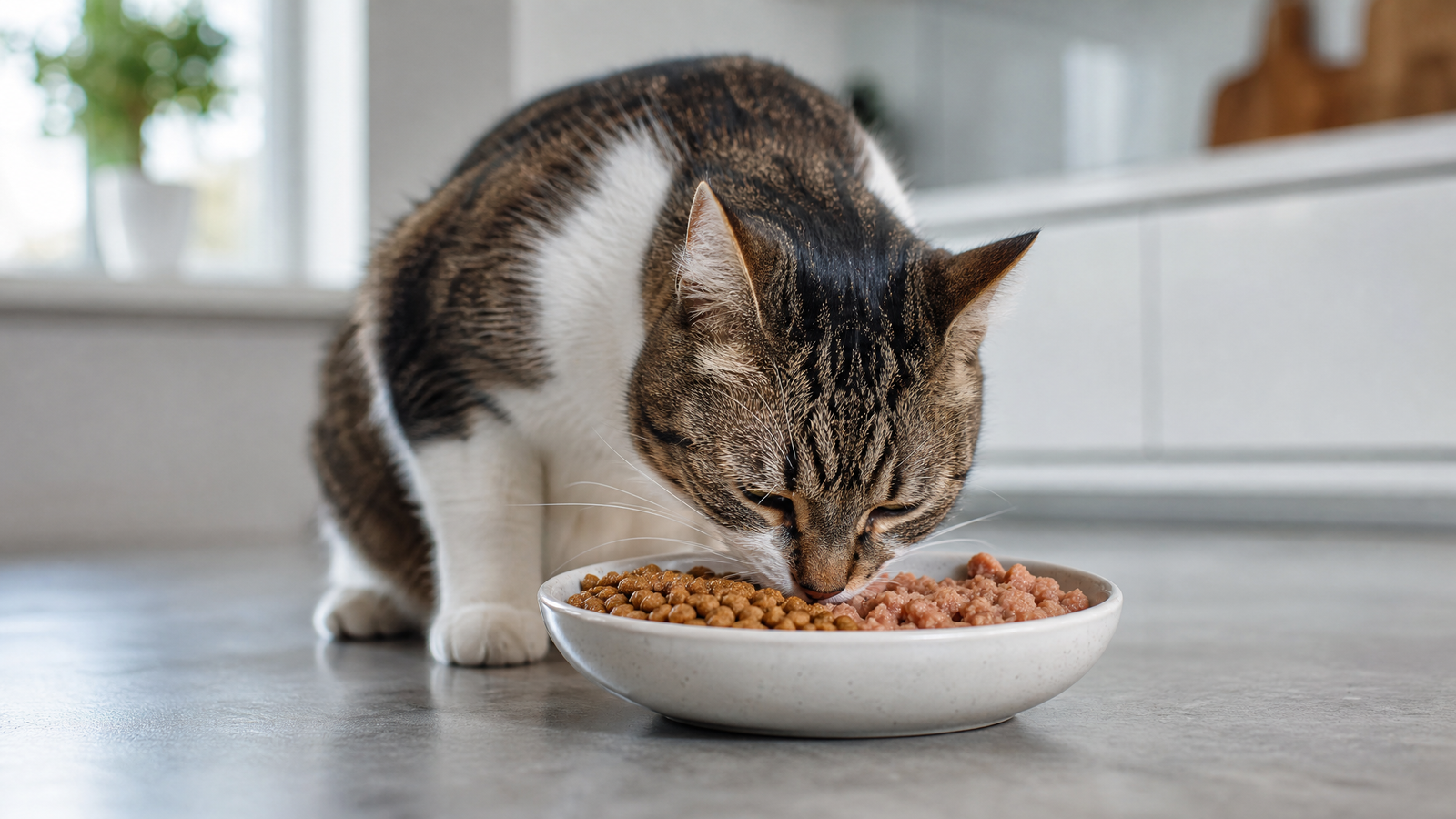
How long does diarrhea from changing cat food last?
Mild diarrhea from a food change often improves within one to three days after the diet is corrected. However, the exact time depends on your cat’s age, health, hydration, and the cause of the problem.
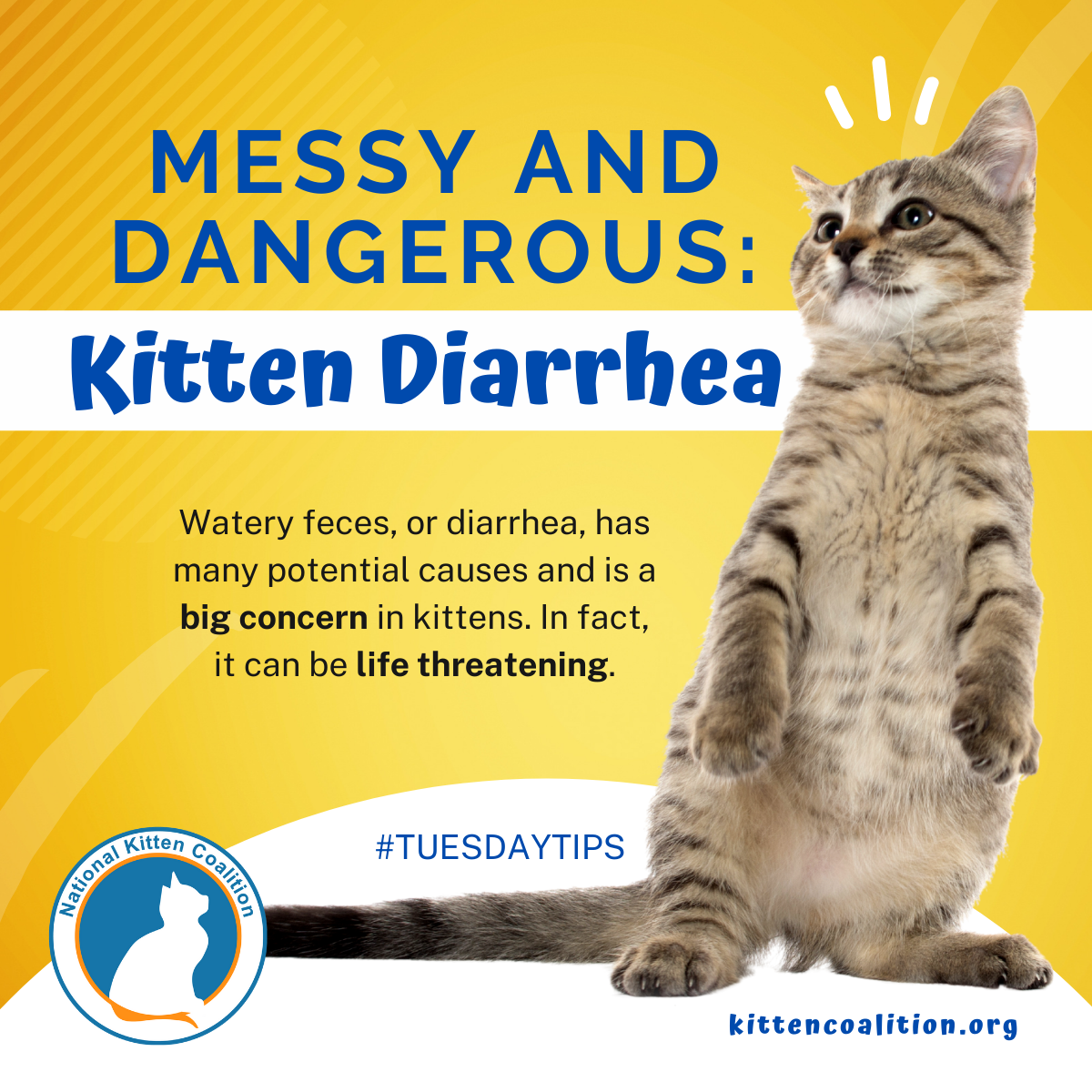
A healthy adult cat with one or two soft stools may recover quickly. Ongoing watery diarrhea is more serious. Kittens and senior cats can become dehydrated faster than healthy adults.
Contact a veterinarian if:
• Diarrhea lasts more than 24 hours in a kitten
• Diarrhea continues for more than one or two days in an adult cat
• Your cat is vomiting repeatedly
• Your cat refuses food or water
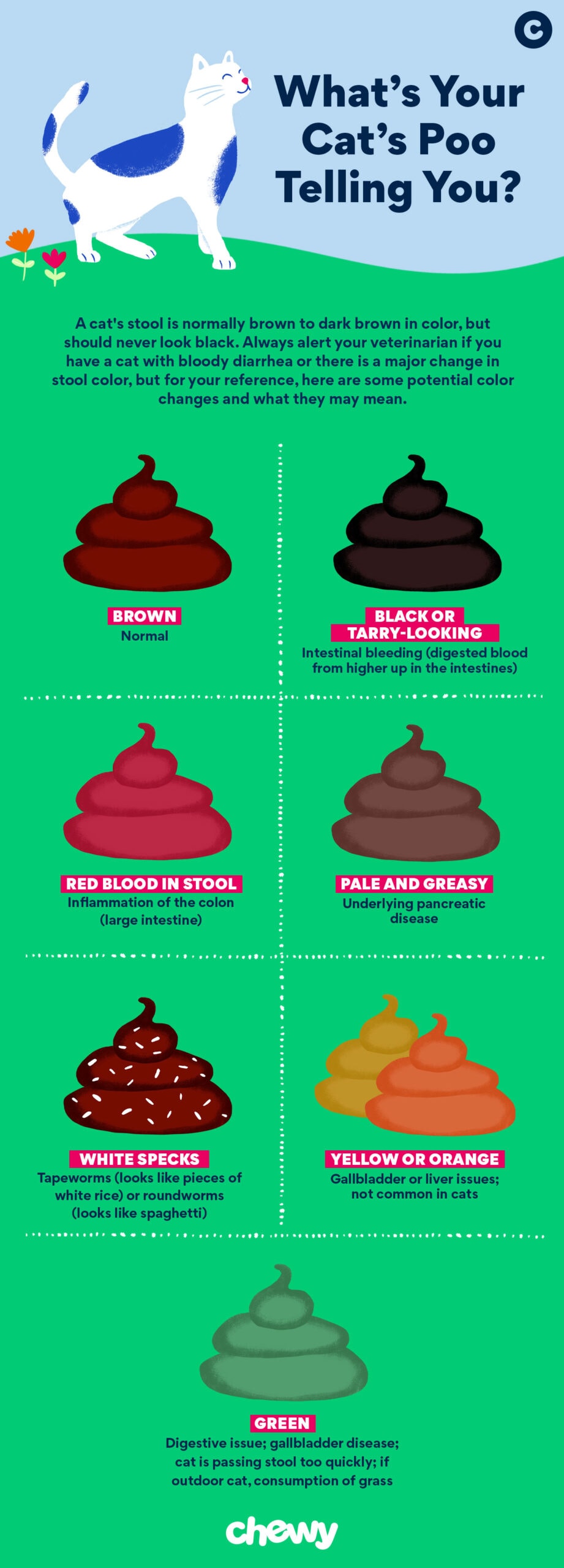
• You see blood or black, tar-like stool
• Your cat seems weak, painful, or unusually quiet
• Your cat has dry gums or sunken eyes
• Your cat has kidney disease, diabetes, or another chronic illness
Do not assume every case is food-related. Parasites, infections, inflammatory bowel disease, pancreatitis, toxins, and liver problems can also cause diarrhea.
 diarrhea”
style=”max-width: 100%; height: auto; border: 2px solid black; border-radius: 10px; display: block; margin: 0 auto;”
loading=”lazy”
/>
How to change cat food without causing diarrhea
A gradual transition gives the digestive system time to adapt. A seven-day change is a useful starting point for many healthy adult cats.
- Feed 75% old food and 25% new food for two days.
- Feed 50% old food and 50% new food for two days.
- Feed 25% old food and 75% new food for two days.
- Feed 100% new food on day seven.
Some cats need a slower transition. You can use each step for three or four days if your cat has a sensitive stomach.
Keep the meal size and feeding schedule steady. Do not introduce new treats, supplements, milk, or table scraps during the same week. If diarrhea starts, return to the last food mix that produced normal stool and speak with your veterinarian if symptoms continue.
Never give human diarrhea medicine unless a veterinarian tells you to. Some products can be dangerous for cats. Do not withhold food for a long period, either. Cats can become seriously ill when they stop eating, especially if they are overweight.
What to do if your cat has diarrhea after a food change
Start by checking your cat’s overall condition. A cat that is alert, drinking, and eating may have a mild digestive upset. A cat that is weak, vomiting, or hiding needs faster medical care.
Use this simple plan:
• Stop adding new foods or treats.
• Offer the food your cat tolerated before, unless your veterinarian advised otherwise.
• Provide fresh water in several easy-to-reach places.
• Keep your cat indoors so you can monitor stool and behavior.
• Save a fresh stool sample if a vet visit may be needed.
• Record the food brand, flavor, amount, and date of the change.
A veterinarian may check for parasites, dehydration, infection, or other illness. Testing may include a physical exam, fecal test, blood work, or imaging.
Probiotics may help some cats, but products vary in quality. Use a feline product recommended by your veterinarian. Do not use yogurt as a substitute, since many cats do not digest lactose well.

Can changing from dry food to wet food cause diarrhea?
Yes, switching from dry food to wet food can cause diarrhea if the change happens too quickly. Wet food usually contains much more water and may differ in protein, fat, fiber, and calorie density.
The change itself is not automatically bad. In fact, wet food can help increase water intake for some cats. The key is to introduce it slowly and choose a complete and balanced product made for your cat’s life stage.
Start with a small spoonful mixed into the old food. Increase the amount over several days while watching stool quality. If your cat develops repeated diarrhea, ask your veterinarian whether another formula is more suitable.
Does grain-free food prevent diarrhea in cats?
No. Grain-free food does not automatically prevent diarrhea. Many cats digest properly cooked grains without a problem, while others may react to a different ingredient in the recipe.
The main issue may be the protein, fat, fiber, additives, or overall digestibility. Grain-free diets can also contain ingredients such as peas, lentils, or potatoes. These ingredients may still affect stool in some cats.
Choose food based on nutritional adequacy, ingredient tolerance, and veterinary guidance. Look for a statement that the food is complete and balanced for the correct life stage. The American Association of Feed Control Officials establishes nutrient profiles and feeding standards used on many cat food labels.

When diarrhea may not be caused by cat food
The question “why does changing cat food cause diarrhea” can sometimes point to the wrong cause. A food change may happen just before symptoms, but timing does not prove that the food caused them.
Other possible causes include:
• Intestinal parasites, such as Giardia or roundworms
• Bacterial or viral infections
• Sudden stress
• Eating plants, garbage, or prey
• Toxins or household chemicals
• Antibiotics or other medicines
• Inflammatory bowel disease
• Pancreatitis
• Hyperthyroidism in older cats
• Kidney or liver disease
This is especially important when diarrhea keeps returning. Repeated episodes may mean your cat needs a proper diagnosis instead of repeated food changes.
Veterinary nutrition experts also warn against switching diets again and again without a plan. Each change can upset digestion and make it harder to identify the true trigger.
Practical lessons from common cat-feeding mistakes
One common mistake is changing food because a cat refuses one meal, then offering several new options. This can teach some cats to wait for a favorite food while also upsetting the gut.
Another mistake is changing food and treats at the same time. If diarrhea appears, you may not know which item caused it. Make one change at a time and keep a simple food diary.
A useful diary can include:
• Food name and flavor
• Amount offered
• Treats and supplements
• Stool color and texture
• Vomiting or appetite changes
• Medications
• Stressful events
This small habit can give your veterinarian valuable clues. It also helps you notice patterns that are easy to miss during a busy week.
Frequently Asked Questions
Why does changing cat food cause diarrhea in some cats but not others?
Cats differ in gut sensitivity, age, health, and food history. A sudden change may cause diarrhea in one cat but produce no symptoms in another.
Should I stop the new food if my cat has diarrhea?
If mild diarrhea begins after a new food, stop adding more new food and contact your veterinarian for guidance. Your vet may recommend returning to the former diet or using a specific digestive-support diet.
Can a cat develop diarrhea from eating too much new food?
Yes. A large portion of unfamiliar food can overwhelm digestion and lead to loose stool. Offer smaller meals and increase the new food gradually.
Is diarrhea after changing cat food an emergency?
It can be, especially with vomiting, weakness, blood, dehydration, pain, or refusal to eat. Kittens, elderly cats, and cats with chronic disease should receive veterinary advice sooner.
Can probiotics stop diarrhea caused by a food change?
A feline probiotic may support healthy gut bacteria in some cases, but it is not a cure for every cause of diarrhea. Ask your veterinarian before using one, especially if symptoms are severe or ongoing.
How many days should I take to change my cat’s food?
Many cats do well with a seven-day transition, but sensitive cats may need 10 to 14 days. Move more slowly if stool becomes soft or your cat shows stomach discomfort.
Conclusion
Changing cat food can cause diarrhea when the digestive system faces a sudden shift in ingredients, fat, fiber, moisture, or protein. A slow transition, steady meal routine, fresh water, and careful monitoring can prevent many cases.
Still, diarrhea is not always a food problem. Seek veterinary care for severe, bloody, repeated, or long-lasting symptoms, and never give human medicine without professional advice. Introduce one change at a time, keep a food diary, and share your cat’s symptoms with your veterinarian. If this guide helped, explore more cat health resources or share your experience with other cat owners.