Why Does My Cat Switch Food Bowls: Cat Feeding Tips
Cats may switch food bowls because of scent, whisker discomfort, food freshness, stress, or a simple preference for variety.
If you keep asking, “why does my cat switch food bowls?” you are not alone. Cats can be very particular about where, when, and how they eat. This guide explains the most likely causes, the signs to watch for, and simple ways to make mealtimes calmer and safer.
Why does my cat switch food bowls?
When a cat switches food bowls, it is usually reacting to the bowl, the food, the room, or a change in its comfort level. Cats rely heavily on smell and touch. A small change that seems unimportant to us can feel like a major problem to them.
The answer to “why does my cat switch food bowls?” may also depend on your cat’s age, health, habits, and past experiences. Some cats want a clean bowl for every meal. Others prefer a bowl that is wide, shallow, raised, or placed in a quiet spot.
Common reasons include:
• The bowl holds an odor from old food or soap.
• The bowl is too deep or narrow.
• The cat’s whiskers touch the sides.
• Another pet guards or crowds the bowl.
• The food is stale, warm, or less fresh.
• The bowl is near noise, foot traffic, or a litter box.
• The cat has learned that another bowl offers a better meal.

Bowl shape and whisker discomfort
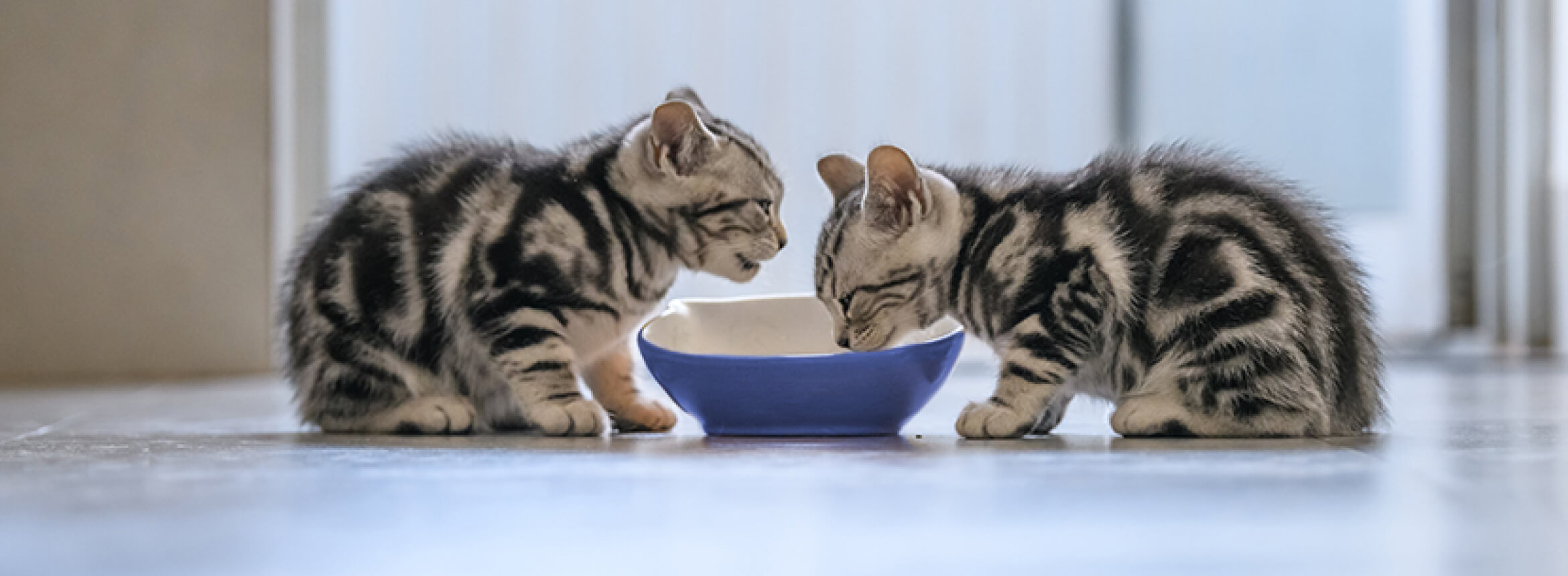
One common reason why does my cat switch food bowls is whisker discomfort. A cat’s whiskers are sensitive tools. They help the cat judge space and movement. When the whiskers press against the sides of a deep bowl, some cats may feel annoyed or stressed.
This does not happen to every cat. Still, many cats prefer wide, shallow dishes. These let them reach the food without bending their whiskers against the rim.
Try offering a flat ceramic plate or a low-sided cat dish. Watch whether your cat eats more calmly from it. If your cat stops pacing between bowls, the shape may have been the issue.
Bowl height can matter, too. Older cats, cats with arthritis, or cats with neck pain may find a raised bowl easier to use. The bowl should still be stable and low enough for a natural eating position.

Smell, taste, and food freshness
Cats have a strong sense of smell. Their appetite often begins with scent. A bowl can smell like old wet food, dish soap, plastic, or another animal. This may explain why does my cat switch food bowls even when both bowls contain the same meal.
Plastic bowls can hold scratches and odors over time. These tiny marks may trap food residue and bacteria. Stainless steel and glazed ceramic bowls are often easier to clean and less likely to keep strong smells.
Food freshness also plays a role. Wet food can dry out around the edges. Dry food can lose its scent after sitting open for too long. A cat may move to another bowl because that food smells newer or tastes better.
Helpful steps include:
• Wash bowls after wet meals.
• Rinse away all soap residue.
• Store dry food in a sealed container.
• Serve small portions if your cat dislikes food that sits out.
• Replace bowls that are cracked, chipped, or heavily scratched.
Location can change your cat’s choice
If you wonder why does my cat switch food bowls, look beyond the bowls. The feeding area may be the real problem. Cats prefer to eat where they feel safe and in control.
A bowl near a washing machine, doorway, television, or busy hallway may make a cat uneasy. Sudden sounds can interrupt eating. A dog, child, or other cat may also make the area feel unsafe.
Cats may choose another bowl if it sits in a quieter place. This is not stubborn behavior. It is a basic safety response. In nature, eating leaves an animal less ready to escape, so cats often prefer calm spaces for meals.
Set up feeding areas with these ideas:
• Keep food away from the litter box.
• Avoid placing bowls beside loud appliances.
• Give each pet enough space.
• Use separate feeding stations in multi-cat homes.
• Place bowls where your cat can see the room without feeling trapped.
A cat that can eat without being watched or blocked may stop switching bowls.

Multi-cat homes and food competition
In a home with more than one cat, bowl switching may be a social issue. One cat may leave its own bowl and move to another because it wants the other cat’s food. Another cat may switch bowls to avoid a dominant pet.
Even friendly cats can feel pressure during meals. A cat may eat quickly, pause often, or carry food away. These signs can point to competition rather than pickiness.
Feed cats in separate areas when possible. You can use different rooms, baby gates, or timed feeders. Make sure each cat has access to its own food without being chased away.
A useful routine is to serve meals at the same time in calm, separate spots. Keep watching for blocking, staring, hissing, or one cat guarding the bowls. These behaviors mean the cats need more distance.

Your cat may be seeking variety
Sometimes the reason why does my cat switch food bowls is simple curiosity. Cats can enjoy variety in smell, texture, and flavor. If you offer several bowls with different foods, your cat may test each one before choosing.
This behavior can become stronger if switching bowls leads to a reward. For example, a cat may leave its regular food, walk to another bowl, and receive a tastier treat. The cat then learns that bowl switching works.
You do not need to make every meal boring. However, sudden and constant food changes can cause stomach upset. They can also make it hard to tell which food causes vomiting or diarrhea.
If you want to offer variety:
• Change foods slowly over several days.
• Keep the main diet complete and balanced.
• Limit treats to a small part of daily calories.
• Avoid rewarding refusal with many replacement meals.
• Track which foods your cat accepts.

Stress, routine changes, and learned habits
Cats notice changes in their homes. Moving furniture, welcoming a new pet, changing work hours, or hosting guests can affect eating habits. Stress may cause a cat to switch bowls, eat less, or wait until the home is quiet.
The answer to why does my cat switch food bowls may also involve a learned routine. Perhaps one bowl was moved after a frightening event. Maybe a loud noise happened while your cat was eating there. Cats can connect a place with a bad experience, even when we do not see the connection.
Keep meals predictable. Use the same feeding times and calm voice. Avoid moving the bowl often. Give your cat a quiet hiding place and allow it to approach food without pressure.
Pheromone products may help some stressed cats, but they are not a cure for every problem. If stress continues, ask a veterinarian for advice. Ongoing stress can affect weight, digestion, and general health.
Medical reasons your cat may change bowls
Most bowl switching is harmless. Still, a sudden change in eating behavior can signal pain or illness. Dental disease, mouth ulcers, nausea, digestive problems, and joint pain may make eating uncomfortable.
A cat with dental pain may approach food, sniff it, and walk away. It may chew on one side, drop food, drool, or prefer soft meals. A cat with nausea may seem interested in food but refuse it after smelling it.
Contact your veterinarian if you notice:
• Little or no food intake for a day.
• Weight loss or a major appetite change.
• Vomiting or repeated diarrhea.
• Drooling, bad breath, or trouble chewing.
• Low energy or hiding more than usual.
• Increased thirst or urination.
• Trouble reaching or bending toward the bowl.
Cats should not go without food for long periods. Overweight cats face a particular risk of hepatic lipidosis, a serious liver condition that can develop after poor food intake. A veterinarian can check the mouth, teeth, joints, digestive system, and other possible causes.

How to find the bowl your cat prefers
You can test bowl preferences in a simple and fair way. Change one factor at a time. This helps you learn what your cat truly likes.
Try this process:
-
Offer a wide, shallow stainless steel or ceramic bowl.
-
Place it in a quiet area away from litter and appliances.
-
Use the same food and the same portion in each test.
-
Wash the bowl well and remove strong soap scents.
-
Watch your cat for several meals.
-
Record which bowl your cat chooses and how much it eats.
Do not move every bowl at once. Too many changes can confuse your cat and make the result unclear. Think of it like testing a pair of shoes: if you change the shoes, the floor, and the walking route at the same time, you will not know what helped.
A short feeding diary can reveal useful patterns. Write down the bowl type, food, location, time, and your cat’s behavior. This record can also help your veterinarian if a health concern appears.
Feeding habits that support better meals
Once you understand why does my cat switch food bowls, you can create a better feeding setup. The goal is not to force one bowl. The goal is to make eating easy, calm, and safe.
Use bowls that are:
• Wide enough for comfortable access.
• Stable and difficult to tip.
• Easy to wash each day.
• Made from stainless steel, glass, or smooth glazed ceramic.
• Free from cracks, chips, and sharp edges.
Feed an adult cat according to its veterinary plan and the food label. Calorie needs vary with age, size, activity, health, and whether the cat is spayed or neutered. Fresh water should always be available in a clean bowl.
Some cats also like water away from food. You can offer more than one water station or try a fountain if your cat enjoys moving water. Keep the fountain clean, since dirty filters can add unpleasant smells.
Mistakes to avoid when your cat switches bowls
When people ask why does my cat switch food bowls, they often feel tempted to keep adding new choices. That can sometimes make the habit stronger. If your cat learns that refusing food brings a better option, it may hold out for the favorite meal.
Avoid these common mistakes:
• Do not punish your cat for leaving a bowl.
• Do not force its face toward food.
• Do not make sudden diet changes.
• Do not ignore signs of pain or illness.
• Do not leave wet food out for many hours.
• Do not use harsh cleaners that leave strong scents.
• Do not let one pet steal another pet’s meals.
A better plan is calm and steady. Offer a suitable meal, keep the setting quiet, and monitor intake. If your cat refuses food or seems unwell, focus on medical advice rather than behavior training.
When should you call a veterinarian?
A bowl preference alone is usually not urgent. The concern rises when the behavior comes with a change in appetite, weight, mood, or digestion.
Call your veterinarian promptly if your cat eats much less than normal, refuses food, vomits repeatedly, has diarrhea, or shows mouth pain. Seek urgent care if your cat appears weak, has trouble breathing, collapses, or cannot keep water down.
You know your cat’s normal habits best. A small change may be meaningful when it lasts several days or appears with other symptoms. It is safer to ask early than to wait until a mild problem becomes severe.
Frequently Asked Questions
Why does my cat switch food bowls but eat the same food?
Your cat may prefer one bowl’s shape, smell, texture, or location. Whisker contact, soap residue, noise, or another pet can also affect the choice.
Do cats dislike deep food bowls?
Some cats do dislike deep bowls because their whiskers touch the sides. A wide, shallow bowl may help, but each cat has its own preference.
Is switching food bowls a sign that my cat is sick?
Not always. However, sudden bowl switching with poor appetite, weight loss, vomiting, drooling, or chewing problems may signal illness and needs veterinary attention.
Should I use plastic bowls for my cat?
Plastic bowls are convenient, but scratches can hold odors and residue. Stainless steel, glass, or smooth glazed ceramic bowls are often easier to clean.
How often should I wash my cat’s food bowl?
Wash bowls after wet food meals and at least daily for dry food. Rinse them well so strong soap smells do not discourage your cat from eating.
Can two cats share one food bowl?
Some cats can share peacefully, but separate bowls are safer for monitoring food intake and reducing stress. In multi-cat homes, give each cat enough space to eat without competition.
Conclusion
The question “why does my cat switch food bowls?” often has a simple answer: your cat may dislike the bowl, the smell, the location, the food, or the pressure around mealtime. Wide, clean bowls in quiet areas solve the problem for many cats.
Test one change at a time, track your cat’s eating habits, and keep meals calm. If bowl switching comes with appetite loss or other symptoms, contact your veterinarian. Try these steps today, and share your cat’s bowl preference or feeding story in the comments.