Why Do Cats Need Hairball Cat Food: Benefits & Tips
Cats need hairball cat food to help move swallowed fur through the gut and reduce hairball buildup.
Cats groom themselves with rough tongues that catch loose fur. Much of this fur passes through the digestive tract, but some can collect in the stomach and form a hairball. This guide explains why do cats need hairball cat food, how these diets work, when they help, and when vomiting may point to a health problem.
Why Do Cats Need Hairball Cat Food?
Cats need hairball cat food because grooming causes them to swallow loose hair. Most swallowed fur moves through the intestines and leaves in the stool. However, some fur can stay in the stomach and clump together.
A hairball may look like a small tube of wet fur. Despite its name, it often forms in the stomach rather than the intestines. A healthy cat may cough up a hairball once in a while, especially during shedding seasons.
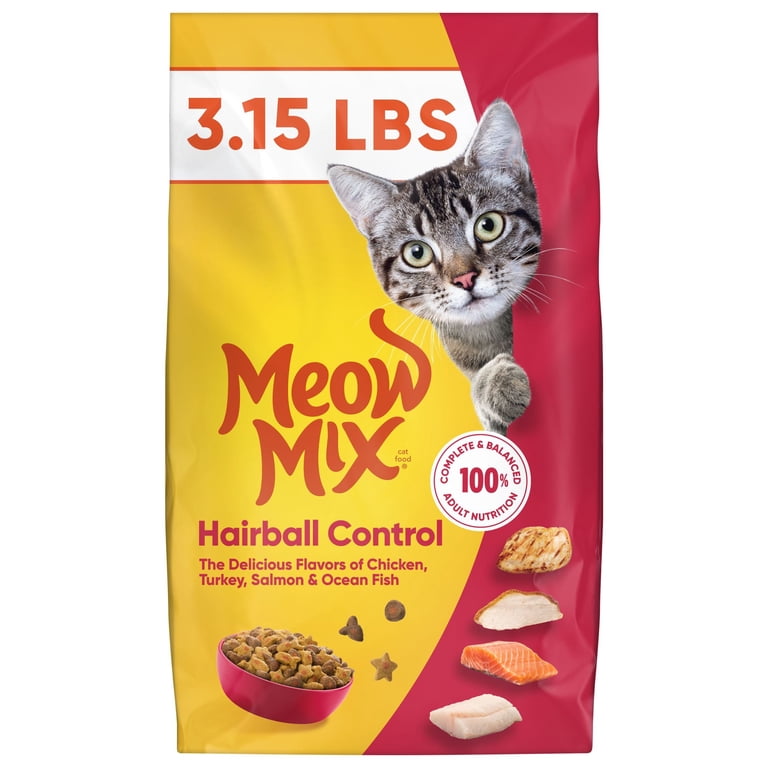
Hairball cat food is made to support the natural movement of fur through the digestive tract. It often contains extra dietary fiber, which can help carry hair into the stool. This may reduce the amount of fur that stays in the stomach.
Still, hairball food does not stop cats from grooming. It also does not guarantee that a cat will never vomit a hairball. Its main purpose is to support digestion and reduce the chance of excessive hair buildup.
How Hairball Cat Food Works
The main difference between hairball food and regular cat food is often the fiber blend. Fiber can act like a soft broom in the digestive tract. It helps add bulk to stool and may help trapped fur move through the intestines.
Many hairball formulas also provide:
• Insoluble fiber to add bulk and help move material through the gut
• Soluble fiber to support stool texture and healthy gut bacteria
• Balanced fat levels to support skin and coat health
• Complete protein and essential nutrients for daily health
• Omega fatty acids in some formulas to support a healthy coat
When asking why do cats need hairball cat food, it helps to understand that the diet supports two areas at once. It may help manage swallowed fur, while good nutrition can support the skin and coat. A healthier coat may shed less excessively, although shedding will not disappear.
The exact results vary. Some cats respond well to a high-fiber diet. Others may need more brushing, a veterinary checkup, or treatment for skin disease. Fiber is helpful, but it is not a cure for every cause of hairballs.

Which Cats Benefit Most From Hairball Food?
Not every cat needs a special hairball diet. Some cats pass fur easily and rarely have hairballs. Others may benefit from a formula made for hairball control.
Hairball cat food may be useful for:
• Long-haired cats, such as Persians, Maine Coons, and Ragdolls
• Cats that shed heavily during spring and fall
• Indoor cats that groom often
• Cats that cough up hairballs more than occasionally
• Cats that produce dry, hard stools along with hairball problems
Long-haired cats often need extra grooming because they have more loose fur to swallow. Indoor cats may also groom more when they are bored, stressed, or following a regular cleaning routine.
Age can matter too. Older cats may groom less effectively or may have slower digestion. Kittens usually do not need hairball food unless a veterinarian recommends it. Their diet should support growth, not simply hairball control.
When considering why do cats need hairball cat food, look at the whole cat. Coat length, shedding, stool quality, grooming habits, age, and health history all matter.

Signs Your Cat May Have a Hairball Problem
An occasional hairball can be normal. Repeated vomiting, frequent gagging, or changes in bathroom habits are not something to ignore.
Possible signs of a hairball issue include:
• Repeated coughing or gagging
• Retching without producing a hairball
• Vomiting fur, food, or clear fluid
• Constipation or very dry stool
• Less interest in food
• Low energy
• Hiding more than usual
• A swollen or painful belly
• Weight loss
A cat may cough because of a hairball, but coughing can also come from asthma, infection, or heart and lung disease. This is one reason it is important not to assume every cough is caused by fur.
A complete intestinal blockage is uncommon, but it can be serious. Seek veterinary care promptly if your cat repeatedly vomits, cannot keep water down, strains without passing stool, or seems painful and weak.
The key lesson is simple: hairball cat food may help with mild, occasional problems, but it should not delay medical care.

Benefits of Hairball Cat Food
Hairball cat food can offer several practical benefits when it fits a cat’s needs and is fed correctly.
It May Help Move Swallowed Fur
Extra fiber can support the movement of fur through the intestines. This may lower the amount of hair that collects in the stomach.
It May Improve Stool Regularity
Some cats with hairball problems also have hard or infrequent stools. A suitable fiber level may help create more regular bowel movements.
It Can Support Coat Health
Many formulas include nutrients for the skin and coat. A healthy coat may shed in a more normal way and feel less dry or brittle.
It Can Reduce the Need for Hairball Remedies
Some owners use petroleum-based gels or laxative products. These products are not right for every cat. A complete diet may offer a gentler daily approach, but a veterinarian should guide treatment when symptoms continue.
It Offers a Simple Daily Routine
Feeding a complete hairball formula can be easier than remembering several supplements. However, the food still needs to meet your cat’s age, weight, and health needs.
The benefits explain why do cats need hairball cat food, but they do not mean every cat should eat it. A special diet should solve a real need without creating new problems.

Limitations and Possible Drawbacks
Hairball cat food is useful, but it has limits. More fiber is not always better. Too much fiber may cause loose stool, gas, reduced calorie intake, or poor acceptance.
Some cats also need a prescription diet for another condition. For example, a cat with kidney disease, diabetes, urinary disease, food allergy, or inflammatory bowel disease may need a diet designed for that problem first.
Other possible concerns include:
• A cat may dislike the taste or texture
• The food may contain more calories than your cat needs
• Switching too fast may cause stomach upset
• A high-fiber formula may not help a cat with an obstruction
• The diet may hide symptoms without treating their cause
Never force a sudden diet change. Mix the new food with the old food over about seven days. Start with a small amount and increase it slowly while watching appetite, stool, and vomiting.
A practical mistake many cat owners make is changing food several times in one week. This makes it hard to know what helped. Choose one reasonable plan, track the results, and speak with a veterinarian if symptoms continue.

Hairball Food Compared With Regular Cat Food
Regular cat food can be perfectly suitable for many cats. If a cat has a shiny coat, normal stools, good energy, and rare hairballs, there may be no reason to change the diet.
Hairball formulas often differ through:
• Higher fiber content
• A different blend of soluble and insoluble fiber
• Added coat-support nutrients
• Calorie levels designed for indoor cats
The label matters. Choose food that is complete and balanced for your cat’s life stage. In the United States, nutritional adequacy statements help show whether a food is designed to meet established cat nutrition standards.
Do not judge a food only by the words “hairball control.” Check the ingredient list, calorie information, feeding guide, and life-stage statement. A food with a strong marketing claim may not be the best match for your cat.
When asking why do cats need hairball cat food, remember that the goal is not to buy the most specialized product. The goal is to support comfortable digestion with a safe, complete diet.

Grooming Tips That Work With Hairball Food
Food is only one part of hairball care. Regular brushing removes loose fur before your cat can swallow it.
Try these steps:
-
Brush your cat for a few minutes at a time.
-
Use a comb or brush suited to the coat length.
-
Start with short sessions and offer praise.
-
Brush more often during heavy shedding.
-
Check the skin for scabs, redness, fleas, or bald spots.
-
Keep fresh water available every day.
-
Keep the litter box clean so you can monitor stool.
Long-haired cats may need daily brushing. Short-haired cats may need brushing several times each week. A grooming glove can work well for cats that dislike firm brushes.
Never cut out mats with scissors close to the skin. Cat skin is thin and easy to injure. Ask a professional groomer or veterinarian for help with severe mats.
Brushing is one of the clearest answers to why do cats need hairball cat food: food can help manage swallowed fur, while grooming reduces the amount swallowed in the first place.

How to Choose the Right Hairball Cat Food
Start by looking at your cat’s health, not just the hairball label. A healthy adult cat may do well with an over-the-counter hairball formula. A cat with repeated vomiting may need an examination before any diet change.
Look for:
• A complete and balanced formula
• The correct life stage
• Clear calorie information
• A fiber level suited to your cat
• Good-quality animal protein
• A texture your cat will eat
• A formula that fits any medical diet
Wet food can provide extra water, which may support hydration. Dry food can be convenient and may offer a concentrated source of calories. Some cats do well with a mix of both.
Ask your veterinarian for advice if your cat has chronic vomiting, constipation, weight loss, food allergies, or a diagnosed disease. Your veterinarian can help decide whether hairball food, a regular diet, a prescription diet, or another treatment makes sense.
Do not add fiber supplements, oils, or laxatives without professional guidance. Human products may be unsafe for cats or may interfere with the care plan.

How to Feed Hairball Cat Food Safely
A safe transition helps protect your cat’s stomach. Sudden changes can lead to diarrhea, vomiting, or food refusal.
Use this simple plan:
• Days 1 and 2: Feed about 25% new food and 75% old food.
• Days 3 and 4: Feed about 50% new food and 50% old food.
• Days 5 and 6: Feed about 75% new food and 25% old food.
• Day 7: Feed the new food alone if your cat is doing well.
Some cats need a slower change. If vomiting or diarrhea starts, pause the transition and contact your veterinarian if symptoms are severe or do not improve.
Measure meals rather than filling the bowl again and again. Hairball formulas can still cause weight gain if your cat eats too much. A healthy body weight supports movement, grooming, and overall digestion.
Track your cat for several weeks. Note hairballs, vomiting, stool quality, appetite, water intake, and weight. This record can help you and your veterinarian judge whether the food is working.
When to Call a Veterinarian
Contact a veterinarian if your cat vomits often or shows signs of illness. Do not assume that repeated retching is just a hairball.
Call promptly if your cat:
• Vomits several times in one day
• Cannot keep food or water down
• Stops eating
• Becomes weak or unusually quiet
• Strains in the litter box
• Has not passed stool
• Has blood in vomit or stool
• Loses weight
• Shows belly pain or swelling
• Has repeated coughing or trouble breathing
Veterinarians may use a physical exam, blood tests, X-rays, ultrasound, or other tests to find the cause. Possible causes include intestinal blockage, parasites, inflammatory bowel disease, food intolerance, constipation, asthma, or other medical problems.
This is an important limit of hairball cat food. It can support digestion, but it cannot remove every blockage or treat every disease.
Practical Hairball Care Plan
A simple care plan can make hairball control less stressful.
-
Brush your cat on a regular schedule.
-
Feed a complete diet that matches your cat’s life stage.
-
Consider hairball cat food if your cat has frequent mild hairball issues.
-
Change food slowly over about one week.
-
Provide clean water in more than one easy-to-reach place.
-
Keep the litter box clean and watch stool changes.
-
Keep your cat active with short daily play sessions.
-
Weigh your cat from time to time.
-
Record vomiting, hairballs, appetite, and bowel movements.
-
Call your veterinarian when symptoms are frequent, severe, or new.
In everyday care, the best results often come from several small habits. Food is one tool. Brushing, hydration, exercise, weight control, and medical care complete the plan.
Frequently Asked Questions About Why Do Cats Need Hairball Cat Food
Do all cats need hairball cat food?
No. Many cats pass swallowed fur without trouble and do well on a regular complete and balanced diet. Hairball food may help cats that have frequent mild hairballs or heavy shedding.
Does hairball cat food stop hairballs completely?
No. Hairball cat food may help move fur through the digestive tract, but it cannot stop grooming or shedding. Regular brushing is also important.
Can kittens eat hairball cat food?
Kittens should usually eat food made for growth unless a veterinarian advises otherwise. Hairball formulas may not provide the best nutrition for a growing kitten.
How often should a cat cough up a hairball?
There is no exact normal number for every cat, but occasional hairballs can occur. Frequent vomiting, repeated gagging, weight loss, or appetite changes require veterinary advice.
Is wet food better for hairballs?
Wet food is not automatically better for hairballs, but its water content may help support hydration. The best choice depends on your cat’s health, preferences, calorie needs, and veterinary advice.
Can hairball food cause diarrhea?
A sudden change or a fiber level that does not suit your cat may cause loose stool. Transition slowly and contact a veterinarian if diarrhea is severe, lasts more than a day, or occurs with vomiting or weakness.
Can I give my cat human laxatives for hairballs?
No. Human laxatives and oils may be unsafe or may worsen a medical problem. Use only products recommended by a veterinarian for your cat.
What should I do if my cat keeps gagging but no hairball comes up?
Repeated gagging without producing a hairball can signal a blockage or a breathing problem. Contact a veterinarian, especially if your cat also vomits, stops eating, or has trouble breathing.
Conclusion
Cats may need hairball cat food because swallowed fur can collect in the stomach and cause vomiting or digestive trouble. A suitable formula may use added fiber to help move fur through the gut, but it works best with regular brushing, good hydration, proper portion control, and close health monitoring.
The answer to why do cats need hairball cat food depends on the individual cat. Consider coat length, shedding, stool quality, hairball frequency, age, and existing health conditions before changing diets. Start slowly, watch for improvement, and seek veterinary care for repeated or severe symptoms.
If your cat has ongoing hairball trouble, discuss the best food and grooming plan with your veterinarian, and share your experience or questions in the comments.