Why Do Cats Have Sensitive Stomachs: Causes And Solutions
Cats have sensitive stomachs because their digestive systems react to diet changes, illness, stress, and parasites.
If you have ever watched your cat vomit after a new food or develop diarrhea without warning, you may wonder, “Why do cats have sensitive stomachs?” The answer is not always simple. Cats have unique nutritional needs, and stomach upset can range from a mild food reaction to a sign of a serious health problem. This guide explains the most common causes, warning signs, feeding tips, and ways to protect your cat’s digestive health.

Why do cats have sensitive stomachs?
Cats do not always have weak stomachs. Their digestive systems are simply specialized. As obligate carnivores, cats are designed to gain most of their nutrients from animal tissue. Their bodies may react poorly when food changes too fast, meals contain unfamiliar ingredients, or a health problem affects digestion.
So, why do cats have sensitive stomachs compared with some other pets? Several factors may play a role:
• Cats have specific protein and nutrient needs.
• Their digestive systems may struggle with sudden diet changes.
• Many cats eat the same food for years, so new ingredients can be harder to tolerate.
• Stress can change gut movement and appetite.
• Vomiting or diarrhea may be caused by parasites, infection, inflammation, or organ disease.
A sensitive stomach is not a formal medical diagnosis. It is a general term for digestive signs such as vomiting, loose stool, gas, reduced appetite, or stomach discomfort. The real cause matters because the right treatment depends on the underlying problem.

Common causes of stomach sensitivity in cats
Sudden food changes
A quick switch from one food to another is one of the most common reasons for digestive upset. The cat’s gut contains helpful bacteria that adjust to the usual diet. A sudden change can disturb this balance.
For example, changing from chicken-based wet food to a rich fish formula overnight may lead to vomiting or soft stool. A gradual change is usually easier on the stomach.
Try this transition plan:
-
Feed 75% of the old food and 25% of the new food for two to three days.
-
Move to a 50/50 mix for two to three days.
-
Feed 25% old food and 75% new food for two to three days.
-
Serve only the new food when your cat’s stool and appetite remain normal.
Some cats need a slower transition. If your cat has a history of digestive trouble, take one to two weeks instead.
Food intolerance or allergy
A food intolerance occurs when a cat has trouble digesting or handling an ingredient. A food allergy involves an immune response. Both problems can cause vomiting or diarrhea, although allergies may also cause itchy skin, ear problems, or overgrooming.
Common food triggers may include:
• Beef
• Fish
• Chicken
• Dairy products
• Eggs
• Certain additives or flavorings
Food allergies are less common than many online posts suggest. A veterinarian may recommend a strict elimination diet with a hydrolyzed or novel protein food. During this trial, treats, table scraps, flavored medicine, and other foods can weaken the results.
Eating too quickly or too much
Some cats gulp food as if another cat might steal it. This can cause them to swallow air, overfill the stomach, and vomit soon after eating. Large meals can create the same problem.
You can help by offering smaller meals several times a day. Puzzle feeders, slow feeders made for cats, or spreading wet food across a shallow plate may also slow eating. Avoid deep bowls that press against the whiskers if your cat dislikes them.
Hairballs
Cats swallow loose hair while grooming. Most hair passes through the digestive tract and leaves in the stool. Some hair can collect in the stomach and form a hairball.
Occasional hairball vomiting may happen, but frequent vomiting is not normal. Repeated retching may also signal asthma, stomach disease, intestinal blockage, or another problem. Regular brushing can reduce swallowed hair, but it should not replace a veterinary checkup.
Parasites and infections
Intestinal parasites can irritate the digestive tract. Roundworms, hookworms, Giardia, and other parasites may cause diarrhea, vomiting, weight loss, or a dull coat. Kittens, outdoor cats, and cats that hunt may face a higher risk.
Bacterial and viral infections can also cause sudden stomach symptoms. A fecal test helps identify some parasites, but one test may not detect every infection. Your veterinarian may suggest repeat testing or a broader diagnostic plan.
Stress and anxiety
Stress can affect the gut in cats, just as it can in people. Moving, visitors, loud noise, a new pet, boarding, or conflict between cats may reduce appetite or cause loose stool.
Stress does not mean the symptoms are imaginary. The brain and gut communicate through nerves and chemical signals. Give your cat a quiet room, familiar bedding, clean litter boxes, and a steady routine during stressful events.
Health conditions
Sometimes the answer to “Why do cats have sensitive stomachs?” is a medical condition. Digestive signs may occur with:
• Inflammatory bowel disease
• Pancreatitis
• Kidney disease
• Liver disease
• Hyperthyroidism
• Diabetes
• Intestinal blockage
• Cancer
• Dental pain that affects eating
Older cats deserve special attention because illness becomes more common with age. A cat that vomits every week or steadily loses weight should not be labeled as having “just a sensitive stomach.”

Signs your cat may have a sensitive stomach
Mild digestive upset may resolve quickly, but repeated signs need attention. Watch for changes in both the litter box and daily behavior.
Common signs include:
• Vomiting once or more
• Soft stool or diarrhea
• Constipation
• Excess gas
• Loud stomach sounds
• Drooling or lip licking
• Eating grass more than usual
• Reduced appetite
• Hiding or acting tired
• Weight loss
• Straining in the litter box
The timing can offer useful clues. Vomiting within minutes of eating may suggest fast eating or regurgitation. Vomiting hours later can point to delayed stomach emptying or another digestive issue. Your veterinarian will need more information before making a diagnosis.
Keep a simple symptom record. Write down the food, treats, meal size, stool appearance, vomiting time, activity level, and any recent changes at home. A photo of unusual stool or vomit may also help your veterinary team.

When stomach upset is an emergency
A single episode of vomiting in an otherwise bright adult cat may not be an emergency. Still, cats can become dehydrated quickly, and they often hide pain. Contact a veterinarian promptly if symptoms continue or return.
Seek urgent veterinary care if your cat has:
• Repeated vomiting
• Blood in vomit or stool
• Black, tar-like stool
• Severe diarrhea
• A swollen or painful belly
• Trouble breathing
• Collapse or extreme weakness
• Pale, blue, or yellow gums
• No food intake for about 24 hours
• Possible exposure to poison
• A suspected swallowed toy, string, or bone
Never pull string from a cat’s mouth or anus. It may be caught inside the intestine and pulling can cause serious injury. Do not give human medicines unless a veterinarian specifically tells you to do so. Common pain relievers can be toxic to cats.
A cat that stops eating is at risk of hepatic lipidosis, also called fatty liver disease. This is especially concerning in overweight cats. Call your veterinarian early rather than waiting for the problem to become severe.

How to feed a cat with a sensitive stomach
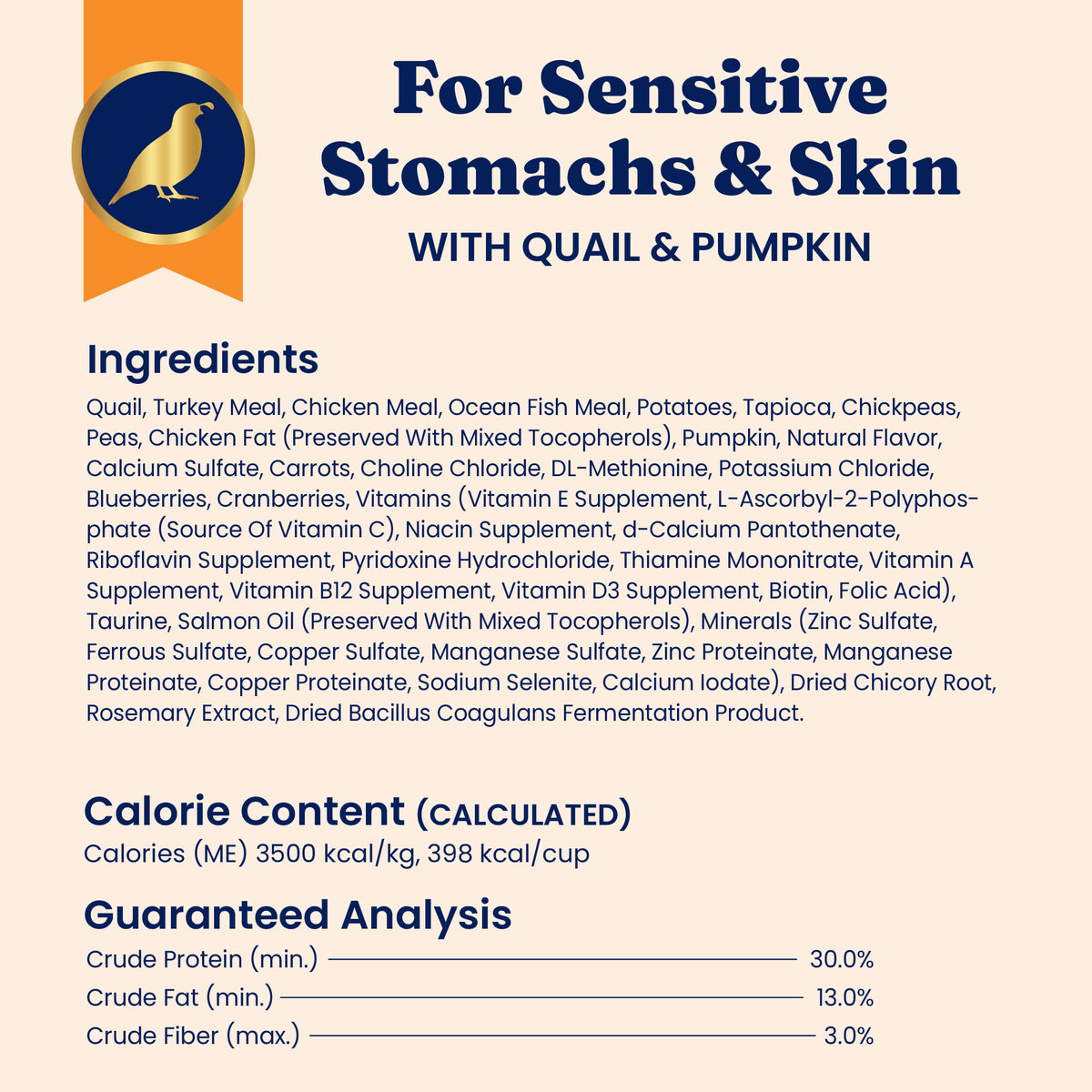
Choose a complete and balanced diet
Look for cat food labeled complete and balanced for your cat’s life stage. This means the food meets recognized nutrient standards when fed as directed. Cats need nutrients such as taurine, arachidonic acid, vitamin A, and specific amino acids.
Do not assume that grain-free food, raw food, or homemade food will solve stomach problems. Some cats tolerate these diets, but they are not automatically better. Homemade diets can lack vital nutrients unless a veterinary nutrition professional formulates them.
Keep meals simple and consistent
Once you find a food your cat tolerates, keep the routine steady. Frequent changes in flavors and brands may make it harder to identify triggers.
Helpful habits include:
• Serve measured portions.
• Offer smaller meals if your cat eats too fast.
• Keep treats below about 10% of daily calories.
• Avoid fatty table scraps.
• Skip milk and cream, since many adult cats cannot digest lactose well.
• Provide fresh water every day.
• Wash food and water bowls often.
Wet food can support water intake, while dry food may be convenient and useful for some cats. Neither type is right for every cat. The best choice depends on health, age, calories, dental needs, and veterinary advice.
Use probiotics carefully
Some veterinary probiotics may support healthy gut bacteria. However, products vary in quality, and not every cat needs one. Ask your veterinarian before starting a supplement, especially if your cat has a chronic illness or takes medicine.
A probiotic should not delay care for vomiting, bloody diarrhea, weight loss, or poor appetite. Supplements may support treatment, but they do not fix intestinal blockages, pancreatitis, or serious infection.

A practical plan for preventing stomach problems
If you are wondering why do cats have sensitive stomachs, prevention begins with observing patterns. You do not need a complicated system. A few steady habits can make a real difference.
-
Make food changes slowly. Take at least seven days, and go slower if symptoms appear.
-
Measure portions. Overfeeding can cause vomiting and weight gain.
-
Limit new treats. Introduce one new item at a time.
-
Protect the routine. Feed at similar times each day.
-
Reduce stress. Offer hiding places, high resting spots, and separate resources for cats that do not get along.
-
Keep harmful items away. Secure medicines, cleaners, lilies, string, ribbon, and human foods that are unsafe for cats.
-
Schedule routine exams. Wellness visits can find dental, thyroid, kidney, and intestinal problems early.
-
Track changes. Note appetite, weight, stool, vomiting, and behavior.
One common mistake is changing several things at once. For example, an owner may switch food, add a supplement, give new treats, and use a hairball product on the same day. If the cat improves or worsens, it becomes difficult to know what caused the change. Introduce one adjustment at a time whenever possible.
What a veterinarian may check
A veterinary visit begins with questions about diet, timing, stool, vomiting, weight, behavior, and possible toxin exposure. Your vet may ask whether the cat hunts, goes outdoors, lives with other pets, or has recently experienced stress.
The exam may include checking hydration, body weight, gums, abdominal comfort, temperature, and overall condition. Depending on the signs, the veterinarian may recommend:
• Fecal testing
• Blood work
• Urine testing
• X-rays
• Ultrasound
• A prescription digestive diet
• A supervised food trial
• Medicine for nausea, parasites, inflammation, or another diagnosed condition
The right test depends on the cat. A young cat with one loose stool may need a different plan from an older cat with months of vomiting. Avoid diagnosing food allergies or inflammatory bowel disease from symptoms alone.
Veterinary diets can be useful because they are designed for specific medical goals. They should be used with professional guidance, particularly when a cat has kidney disease, diabetes, urinary disease, or weight concerns.

Frequently Asked Questions About Why Do Cats Have Sensitive Stomachs
Why do cats have sensitive stomachs after changing food?
Cats may develop vomiting or diarrhea when a new food is introduced too quickly. Their digestive system and gut bacteria need time to adjust, so change foods over about seven days or longer.
Can stress cause stomach problems in cats?
Yes, stress can affect appetite, gut movement, and stool quality. Moving, visitors, new pets, loud sounds, and conflict with other cats may trigger digestive signs.
How often is vomiting normal for a cat?
Occasional vomiting is not something to ignore, even if it can happen with hairballs or fast eating. Repeated vomiting, weight loss, poor appetite, blood, or tiredness requires veterinary advice.
Are sensitive-stomach cat foods always necessary?
No. Some cats improve with a carefully chosen commercial diet, while others need a prescription food for an allergy or medical condition. A veterinarian can help decide whether a special diet is appropriate.
Can cats with sensitive stomachs eat treats?
Many cats can eat treats in small amounts, but rich foods or frequent changes may cause problems. Choose treats that match the main diet and keep them to a small part of daily calories.
Should I stop feeding my cat after vomiting?
Do not withhold food for long periods without veterinary advice. Cats can become seriously ill when they do not eat, so contact a veterinarian for guidance, especially if vomiting continues.

Conclusion
Why do cats have sensitive stomachs? The cause may be a fast food change, overeating, hairballs, stress, parasites, food intolerance, or an underlying illness. A sensitive stomach is a sign, not a final diagnosis.
Feed a complete diet, change foods slowly, control treats, reduce stress, and track symptoms. Most importantly, take repeated vomiting, diarrhea, weight loss, pain, or appetite loss seriously. Use these tips as a starting point, then speak with your veterinarian for advice based on your cat’s age, history, and health. If this guide helped, explore more trusted feline-care resources and share your experience with other cat caregivers.