Why Does My Cat Have A Sensitive Stomach: Causes And Tips
A cat may have a sensitive stomach because of food changes, allergies, parasites, illness, or stress.
If you are asking, “Why does my cat have a sensitive stomach?” you are not alone. Vomiting, loose stool, gas, and poor appetite can make any pet parent worry. The good news is that many stomach problems improve with simple, steady care, but repeated signs may point to a medical condition that needs a veterinarian’s help.
What a Sensitive Stomach Means in Cats
A sensitive stomach means your cat’s digestive system reacts badly to certain foods, changes, or health problems. Some cats may vomit after eating too fast. Others may have soft stool after a new food or treat.
Sensitive stomach is not a formal disease name. It is a way to describe signs linked to the stomach and intestines. These signs can be mild and short-lived, or they may signal a deeper problem.
Common signs include:
• Vomiting once or twice
• Soft stool or diarrhea
• Gas or loud stomach sounds
• Eating less than usual
• Weight loss
• Licking the lips or swallowing often
• Hiding, low energy, or belly pain
A cat’s digestive system is like a careful kitchen. It works best when the ingredients and routine stay steady. Sudden changes can upset that balance.

Why Does My Cat Have a Sensitive Stomach?
There is no single answer to “Why does my cat have a sensitive stomach?” Several causes can lead to similar signs. Your cat’s age, diet, lifestyle, stress level, and health history all matter.
Sudden food changes
Cats often struggle when their food changes too fast. A new recipe may have different protein, fat, fiber, or additives. Even a high-quality food can cause trouble if you switch to it overnight.
A slow change gives the gut time to adjust. Mix a small amount of new food with the old food, then increase it over seven to ten days. Some cats need even more time.
Food intolerance
A food intolerance means your cat has trouble digesting an ingredient. It does not always involve the immune system. Signs may include recurring diarrhea, vomiting, gas, or poor stool quality.
Common problem ingredients can include:
• Beef
• Fish
• Chicken
• Dairy products
• Certain grains
A cat may tolerate an ingredient for years and then develop signs later. This is one reason food intolerance can be hard to spot.
Food allergy
A food allergy involves an immune response to a food protein. It may cause stomach problems, itchy skin, ear infections, or frequent licking. Some cats have both digestive and skin signs.
The only reliable way to test a suspected food allergy is a strict elimination diet guided by a veterinarian. Blood and skin tests are not always accurate for food allergies in cats.
Eating too fast
Some cats gulp food as if another cat might steal it. This can lead to vomiting soon after a meal. The food may come back up in a tube-shaped pile and look barely digested.
Try smaller meals, a puzzle feeder, or a wide plate. Avoid making your cat work too hard for food if it causes stress.
Hairballs
Cats swallow loose hair during grooming. Much of it passes through the stool, but some can gather in the stomach and form a hairball. Hairballs may cause gagging, vomiting, constipation, or reduced appetite.
Frequent hairballs are not always normal. They can happen when a cat overgrooms due to fleas, allergies, pain, or stress.
Parasites
Intestinal parasites can irritate the digestive tract. Roundworms, hookworms, Giardia, and other parasites may cause diarrhea, vomiting, poor growth, or weight loss.
Indoor cats can still get parasites. Exposure may occur through contaminated soil, insects, prey, other pets, or infected feces. A stool test helps your veterinarian choose the right treatment.
Stress and routine changes
Cats are creatures of habit. Moving, loud noise, a new pet, visitors, travel, or a dirty litter box can affect digestion. Stress may change bowel movements and appetite.
Stress does not mean the signs are “just in your cat’s head.” The brain and gut communicate through nerves and hormones. A worried cat may truly have stomach upset.
Infections
Viruses, bacteria, and other infections can cause sudden vomiting or diarrhea. Some infections are mild. Others can become dangerous, especially in kittens, older cats, and cats that are not vaccinated.
A cat with an infection may also have fever, tiredness, dehydration, or a poor appetite.
Chronic health conditions
Sometimes the answer to “Why does my cat have a sensitive stomach?” is a long-term disease. Possible causes include:
• Inflammatory bowel disease
• Pancreatitis
• Kidney disease
• Liver disease
• Hyperthyroidism
• Diabetes
• Cancer
• Intestinal blockage
These problems can look like a simple food issue at first. Repeated vomiting, ongoing diarrhea, weight loss, or appetite changes deserve a veterinary exam.

Signs Your Cat May Need a Vet
Mild stomach upset may pass within a day. Still, cats can become dehydrated or stop eating faster than many people expect. Cats that do not eat for too long may face a serious liver problem called hepatic lipidosis.
Contact a veterinarian promptly if your cat has:
• Repeated vomiting
• Diarrhea that lasts more than one day
• Blood in vomit or stool
• Black, tar-like stool
• Severe tiredness or weakness
• A painful or swollen belly
• Trouble breathing
• Pale or yellow gums
• Sudden weight loss
• A complete loss of appetite
• Signs of dehydration
• Straining to pass stool or urine
Seek emergency care if you suspect a swallowed toy, string, rubber band, bone, medication, or toxic plant. Do not pull string from your cat’s mouth or rectum. It can cause internal damage.
A simple home check can help. Gently lift the skin over your cat’s shoulders and release it. If it stays raised instead of returning quickly, your cat may be dehydrated. This test is not perfect, so call a vet if you are concerned.

How Veterinarians Find the Cause
A veterinarian will ask about your cat’s food, treats, medications, behavior, and stool. Bring a fresh stool sample if possible. A photo of vomit or stool can also help, even if it feels unpleasant.
The exam may include:
• Weight and body condition check
• Mouth and gum assessment
• Abdominal palpation
• Temperature check
• Fecal testing
• Blood work
• Urine testing
• X-rays or ultrasound
• A food trial
The right tests depend on the signs. A single episode of mild vomiting may not need every test. Ongoing signs usually need a broader check.
Keep a simple symptom diary. Record the food, meal time, vomiting, stool quality, treats, medications, and stressful events. Patterns often become clearer after several days.

What to Feed a Cat With a Sensitive Stomach
The best food for a cat with a sensitive stomach depends on the cause. There is no single “sensitive stomach” diet that works for every cat.
Your veterinarian may suggest:
A highly digestible diet
These foods are made to be gentle on the digestive tract. They often contain carefully chosen protein, moderate fat, and easy-to-digest ingredients.
A limited-ingredient diet
A limited-ingredient food contains fewer protein and carbohydrate sources. This can make it easier to identify a possible trigger.
A novel-protein diet
A novel protein is one your cat has not eaten before. Examples may include rabbit, venison, or duck. The best choice depends on your cat’s past diet.
A hydrolyzed-protein diet
Hydrolyzed proteins are broken into small parts. The immune system may be less likely to recognize them as allergens. These diets are often used during veterinary food trials.
More moisture
Wet food adds water to the diet. It may help cats that do not drink much, although it will not fix every stomach problem. Some cats do best with a mix of wet and dry food.
Avoid giving human food, milk, fatty scraps, bones, or rich treats. Many cats cannot digest lactose well, and fatty foods may worsen stomach upset.

How to Change Your Cat’s Food Safely
A slow food transition is one of the simplest ways to help prevent digestive upset. Start only when your cat is stable, unless your veterinarian gives different instructions.
-
Feed about 75% old food and 25% new food for two to three days.
-
Move to 50% old food and 50% new food for two to three days.
-
Feed 25% old food and 75% new food for two to three days.
-
Offer only the new food once your cat is eating well and stools remain normal.
Some cats need a two-week transition. If vomiting or diarrhea begins, pause the change and contact your veterinarian for advice.
Do not starve your cat to “rest” the stomach unless a veterinarian specifically tells you to do so. Cats need regular nutrition, and fasting can be risky.

Daily Habits That May Help
Small changes can make a big difference when you wonder, “Why does my cat have a sensitive stomach?” Think of the goal as creating a calm, predictable routine.
Try these steps:
• Feed smaller meals more often.
• Keep meal times consistent.
• Use a slow feeder if your cat gulps food.
• Measure portions to prevent overeating.
• Limit treats to a small part of daily calories.
• Keep fresh water in several quiet places.
• Brush your cat often to reduce swallowed hair.
• Keep litter boxes clean and easy to reach.
• Reduce loud noise around feeding time.
• Keep food sealed and check expiration dates.
• Wash bowls often.
Do not add supplements without veterinary advice. Probiotics, fiber, and hairball products may help some cats, but the wrong product or dose can make diarrhea worse.
In my experience reviewing common cat-care problems, the biggest mistake is changing too many things at once. When food, treats, supplements, and feeding times all change together, it becomes almost impossible to know what helped.

Common Mistakes to Avoid
Many caring owners try to solve stomach problems quickly. Some well-meant steps can make the problem harder to understand.
Avoid these mistakes:
• Switching foods every few days
• Offering many new treats
• Giving over-the-counter human medicine
• Using leftover antibiotics
• Assuming every vomiting episode is a hairball
• Waiting weeks while a cat loses weight
• Hiding medication in a food your cat must eat long term
Human drugs can be dangerous for cats. Acetaminophen, ibuprofen, and some cold medicines may cause poisoning. Call a veterinarian or animal poison service before giving any medicine.
Another common mistake is focusing only on food. Diet matters, but parasites, thyroid disease, pancreatitis, kidney disease, and stress can also cause digestive signs.

Can Probiotics or Fiber Help?
Probiotics contain helpful microorganisms. Some veterinary products may support gut health, especially after certain digestive problems or antibiotic use. However, product quality varies, and research in cats is still developing.
Fiber may help some cats with constipation or certain types of diarrhea. Too much fiber can reduce nutrient absorption or increase gas. Ask your veterinarian which type and amount is suitable.
Never use yogurt as a replacement for a veterinary probiotic. Many cats do not digest dairy well, and yogurt may add more stomach upset.
These products can support a treatment plan, but they should not replace an exam when symptoms are severe or ongoing.
How Long Does a Sensitive Stomach Last?
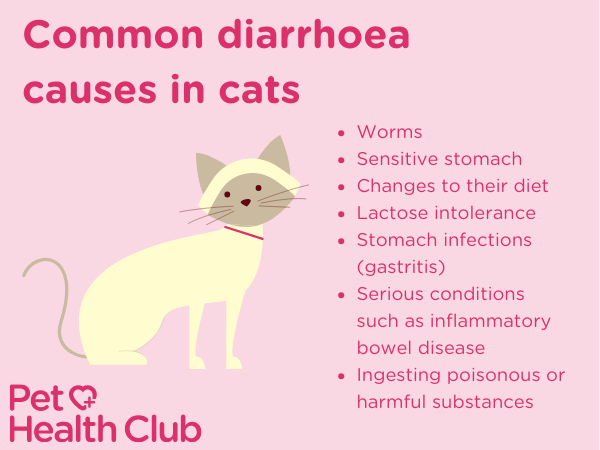
A mild upset from eating too fast or a small diet change may improve within 24 hours. Longer-lasting signs are more concerning. Vomiting or diarrhea that keeps returning is not something to label as a “sensitive stomach” without checking the cause.
A food trial may take several weeks. During this period, your cat must eat only the prescribed diet. Even a small treat, flavored medicine, or bite of another pet’s food can affect the result.
Your veterinarian may also recommend follow-up testing. Improvement is useful information, but it does not always prove the exact cause. Cats can improve for more than one reason at the same time.
Frequently Asked Questions About Why Does My Cat Have a Sensitive Stomach
Why does my cat have a sensitive stomach after changing food?
A sudden change can disrupt the balance of the digestive tract and expose your cat to new ingredients. Change foods slowly over seven to fourteen days, and contact your vet if vomiting or diarrhea continues.
What should I feed a cat with a sensitive stomach?
Feed a complete and balanced diet that your cat tolerates well. A veterinarian may recommend a highly digestible, limited-ingredient, novel-protein, or hydrolyzed-protein diet based on the suspected cause.
Is vomiting normal for a cat with a sensitive stomach?
Occasional vomiting can happen, but frequent vomiting is not normal. Repeated episodes, blood, weakness, weight loss, or poor appetite need veterinary attention.
Can stress cause a sensitive stomach in cats?
Yes. Stress can affect appetite, bowel movements, and gut function. Keep routines steady, provide safe hiding places, and ask your veterinarian for help if stress signs continue.
Are hairballs the reason my cat has a sensitive stomach?
Hairballs can cause vomiting and stomach irritation, but frequent hairballs may point to overgrooming, skin disease, poor digestion, or another health issue. Regular brushing may help, but repeated vomiting still deserves a veterinary check.
How can I tell if my cat has a food allergy?
Food allergies may cause vomiting, diarrhea, itchy skin, or repeated ear problems. A strict elimination diet supervised by a veterinarian is the most useful way to investigate a food allergy.
Can I give my cat Pepto-Bismol or other human medicine?
Do not give human stomach medicine unless your veterinarian specifically approves it. Some products contain ingredients that are harmful or unsafe for cats.
Conclusion
The answer to “Why does my cat have a sensitive stomach?” may be a fast meal, sudden food change, food intolerance, parasites, stress, or an underlying illness. Start with a steady routine, gradual diet changes, fresh water, and careful observation.
Do not ignore repeated vomiting, diarrhea, weight loss, pain, or appetite loss. Track your cat’s symptoms and share the details with a veterinarian so you can find the real cause instead of guessing.
With the right plan, many cats with sensitive stomachs can eat well and enjoy a comfortable life. Keep learning about feline nutrition and health, and share your experience or questions with your veterinary care team.