Why Does My Cat Stop Eating The Same Food: Reasons
Cats may stop eating the same food because of illness, stress, food changes, or simple flavor fatigue.
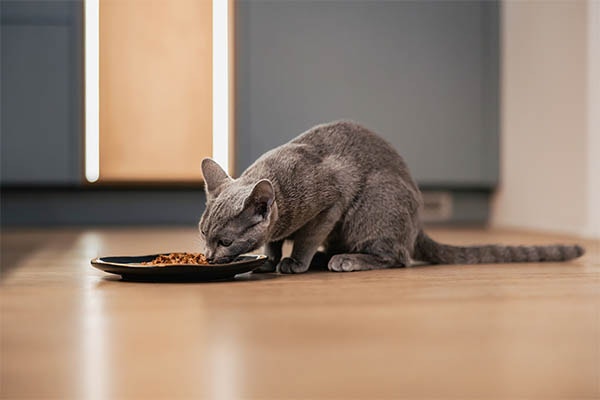
If you are wondering, “why does my cat stop eating the same food?” you are not alone. Cats can be creatures of habit, yet their appetite may change for many reasons, from dental pain and nausea to boredom, stress, or a problem with the food itself. Understanding the cause helps you respond calmly and know when a vet visit is needed.
Why does my cat stop eating the same food?
Cats do not always stop eating because they are being fussy. A sudden appetite change can be a quiet sign that something feels wrong. Cats often hide pain, so a full food bowl may be one of the first clues that your pet needs help.
Sometimes, the reason is harmless. Your cat may dislike a new batch, prefer a different texture, or lose interest after eating one flavor for months. However, appetite loss can also point to dental disease, stomach trouble, kidney disease, diabetes, infection, or other health problems.
The most important detail is whether your cat stops eating completely or only refuses one type of food. A cat that refuses chicken-flavored pâté but happily eats another meal may be showing a food preference. A cat that refuses all food needs closer attention.

Common reasons a cat stops eating the same food
Food boredom or flavor fatigue
Cats can develop strong food preferences. Some enjoy variety, while others want the same meal every day. Even a favorite recipe may become less appealing over time.
This does not mean cats have the same “food boredom” response as people. Still, changes in smell, texture, temperature, and freshness can affect whether a cat accepts a meal.
Your cat may refuse food because:
• The flavor no longer interests them
• The texture has changed
• The food smells different
• The meal is served cold
• The bowl has a strong soap or plastic smell
• Another pet makes eating feel unsafe
A changed recipe or food batch
Pet food recipes can change. Manufacturers may adjust ingredients, suppliers, vitamins, minerals, or cooking methods. These changes may not be obvious from the front of the package.
A new bag can also smell or taste slightly different from the last one. Cats have a strong sense of smell, so a small change may matter to them.
Check the following:
• The expiration date
• The lot number
• The package seal
• The color and smell of the food
• Signs of moisture, mold, insects, or spoilage
Do not feed food that smells sour, rancid, or unusual. If several pets refuse the same package, stop using it and contact the manufacturer.
Dental pain
Dental disease is a common reason cats stop eating dry food or avoid firm treats. A cat may still seem hungry but walk away after trying to chew.
Signs of mouth pain can include:
• Dropping food from the mouth
• Chewing on one side
• Pawing at the face
• Bad breath
• Red or bleeding gums
• Drooling
• Weight loss
Some cats with painful teeth prefer soft food. Others stop eating all types of food. A veterinarian can examine the mouth and may recommend dental X-rays, cleaning, or treatment.
Nausea or stomach trouble
Nausea can make a cat connect a certain food with feeling sick. This is called a food aversion. For example, if your cat eats a meal before vomiting, they may avoid that meal later, even if the food did not cause the illness.
Other signs may include:
• Lip licking
• Excessive swallowing
• Drooling
• Vomiting
• Diarrhea
• Hiding
• A hunched body
Hairballs, constipation, parasites, infections, pancreatitis, and other conditions can affect appetite. Repeated vomiting or diarrhea should not be ignored.
Stress and changes at home
Stress can have a strong effect on feline appetite. Cats may stop eating after a move, a new pet, a new baby, loud construction, visitors, or a change in daily routine.
The feeding area matters, too. A busy hallway, noisy appliance, or nearby dog can make meals feel unsafe. Cats often prefer a quiet place where they can eat without being watched or disturbed.
Try to notice what changed before the appetite problem began. A small event, such as moving the bowl or replacing a familiar mat, may be important to your cat.
Illness or pain
Many illnesses can reduce appetite. These include kidney disease, liver disease, diabetes, thyroid disease, cancer, infections, and pain from arthritis or injury.
Older cats deserve special attention because health problems become more common with age. A senior cat that eats less for more than a day should receive prompt veterinary advice.
This is why the question “why does my cat stop eating the same food?” cannot be answered by assuming pickiness. Behavior and illness can look very similar at first.

How to tell if your cat is picky or sick
A picky cat may refuse one meal but accept another. A sick cat often shows other changes, even if they are subtle.
Watch for these clues:
• Refusing all food
• Drinking much more or less than usual
• Vomiting or diarrhea
• Weight loss
• Sleeping more than normal
• Hiding
• Weakness or trouble walking
• Changes in urination
• Trouble breathing
• Yellow gums, eyes, or skin
• Drooling or mouth pain
A cat that refuses food for about 24 hours should be discussed with a veterinarian. Kittens, senior cats, overweight cats, and cats with chronic disease may need help sooner.
Cats can develop hepatic lipidosis, also called fatty liver disease, after several days of very poor food intake. This risk is higher in overweight cats. Never wait several days if your cat is not eating, especially if they also vomit or seem tired.
Keep a simple appetite record
Write down:
• What food your cat ate
• How much they ate
• When they last ate a normal meal
• Water intake
• Vomiting or stool changes
• Weight, if you can measure it safely
This record can help your veterinarian find patterns. It also prevents guesswork during a stressful appointment.

What to do when your cat stops eating the same food
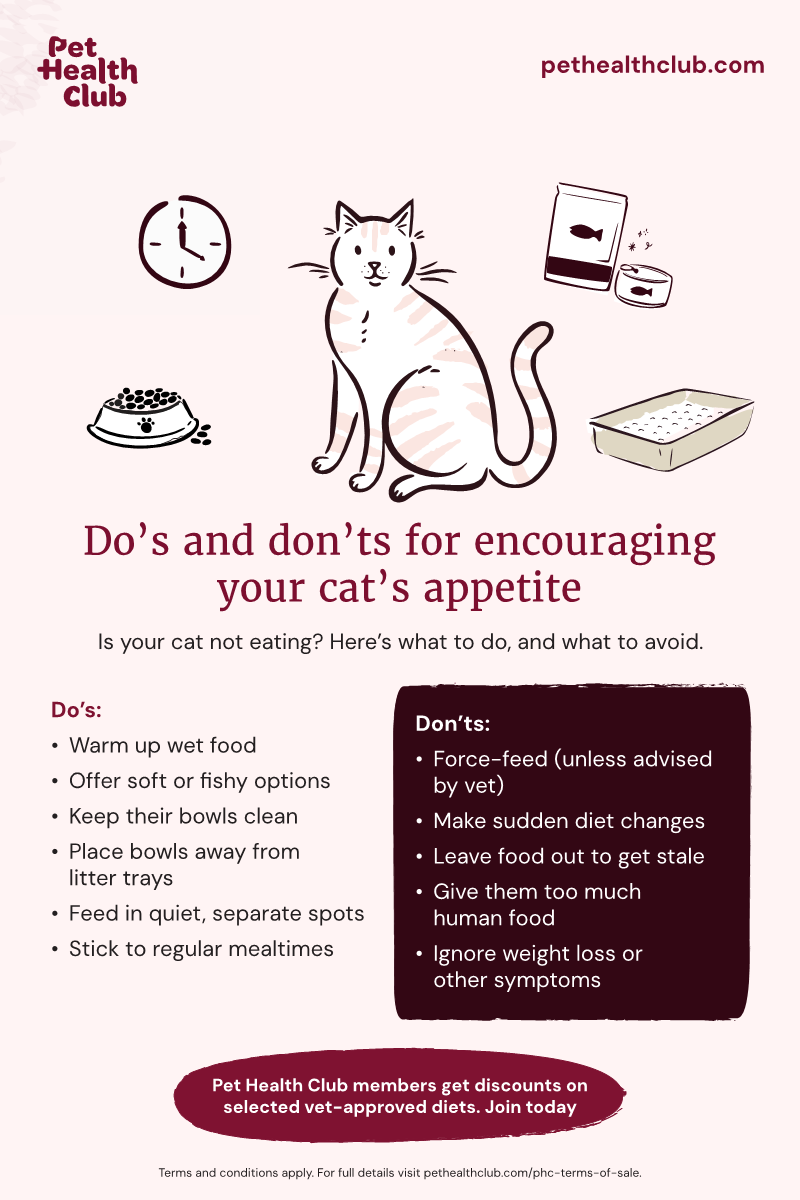
Start with calm, low-risk steps. Do not force food into your cat’s mouth. Force-feeding can increase fear and may cause food to enter the lungs.
Try these steps:
-
Offer a fresh portion in a clean, shallow dish.
-
Warm wet food slightly to increase its smell.
-
Offer a small amount of a familiar food your cat has eaten safely before.
-
Move the bowl to a quiet, low-traffic area.
-
Keep dogs and other cats away during meals.
-
Wash the bowl well and rinse away all soap.
-
Offer small meals instead of one large serving.
-
Monitor water intake and litter box use.
If your cat accepts another food, do not assume the problem is solved. A temporary food preference can hide dental pain or nausea. Arrange a veterinary check if the appetite change continues or returns.
Should you change your cat’s food?
A food change may help when the old food has spoiled, the formula has changed, or your cat has developed a preference. But sudden changes can cause vomiting or diarrhea.
When possible, switch over seven to ten days:
• Days 1 to 2: 75% old food and 25% new food
• Days 3 to 4: 50% old food and 50% new food
• Days 5 to 6: 25% old food and 75% new food
• Day 7 onward: 100% new food
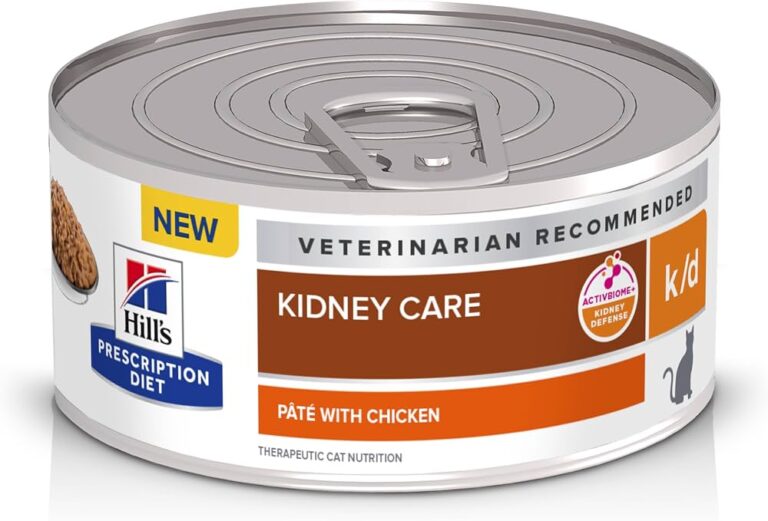
Some cats need a slower change. If your cat has a medical diet, ask your veterinarian before making any switch.
Can you add toppers?
A small amount of a safe topper may encourage eating. Examples include a little wet cat food, plain cooked chicken, or a veterinary-approved broth without onion, garlic, or heavy salt.
Toppers should not replace a complete and balanced cat diet. Too many extras can upset the stomach, add excess calories, or teach a cat to hold out for treats.
A practical lesson many cat caregivers learn is to avoid offering five new foods at once. That can confuse the cat and make it hard to know what helped.

How to prevent future food refusal
Prevention starts with a stable routine and careful observation. Feed your cat in a quiet place at regular times. Keep food sealed in an airtight container, and follow the storage instructions on the package.
Do not pour new food on top of old food. Wash and dry the bowl first. Wet food should not sit out for long, especially in a warm room.
Helpful habits include:
• Keep the original food bag or lot number
• Store dry food away from heat and moisture
• Refrigerate opened wet food as directed
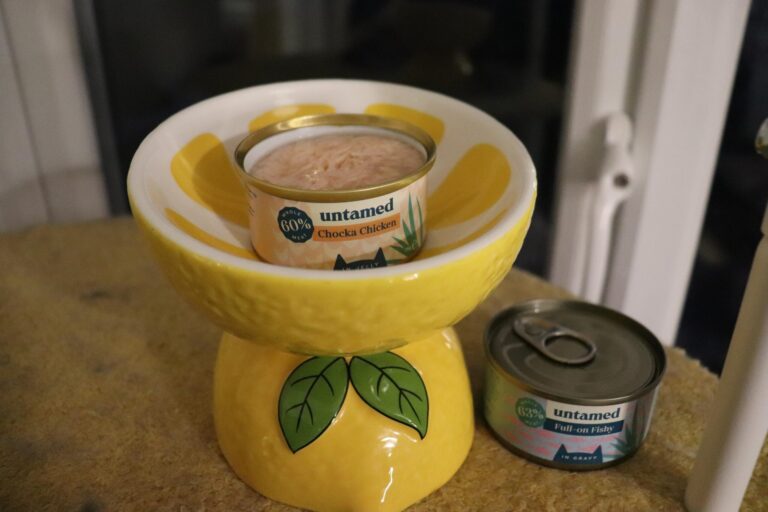
• Use clean glass, ceramic, or stainless steel bowls
• Weigh your cat regularly
• Schedule routine veterinary exams
• Introduce new foods slowly
• Keep a small supply of familiar food at home
Some cats do well with a little planned variety. You might rotate between two complete and balanced foods, but only if your cat handles both well. Other cats become upset by variety and do best with one steady diet.
There is no perfect feeding plan for every cat. Age, health, weight, allergies, dental condition, and personal preference all matter.
When to call a veterinarian
Contact a veterinarian promptly if your cat stops eating and has any other symptom. Do not wait for appetite to return when your cat appears ill.
Seek urgent veterinary care for:
• No food intake for about 24 hours
• Repeated vomiting
• Severe diarrhea
• Extreme tiredness or weakness
• Trouble breathing
• A swollen or painful belly
• Yellow skin, eyes, or gums
• Straining to urinate
• No urine production
• Suspected poisoning
• Sudden collapse
A veterinarian may perform a physical exam, check the teeth, and recommend blood tests, urine testing, X-rays, or ultrasound. Treatment depends on the cause and may include fluids, nausea medicine, dental care, pain relief, or a prescription diet.
Avoid giving human medicine. Acetaminophen, ibuprofen, and many other common drugs can be deadly to cats. Also avoid force-feeding unless a veterinary professional has shown you how to do it safely.
If you are still asking, “why does my cat stop eating the same food?” a medical check is the safest answer when the change is sudden, severe, or persistent.
Frequently asked questions
Why does my cat stop eating the same food but still want treats?
Your cat may prefer the taste or smell of treats, but this can also happen with dental pain, nausea, or another illness. Treats are not a reliable sign that your cat is healthy, so watch the total amount eaten and contact your veterinarian if normal meals remain untouched.
How long can a cat go without eating?
A cat should not go without food for long. Contact a veterinarian if your cat has eaten little or nothing for about 24 hours, and seek help sooner for kittens, overweight cats, senior cats, or cats with medical conditions.
Why does my cat stop eating dry food but eat wet food?
Dry food may be painful to chew if your cat has dental disease or mouth inflammation. Some cats also prefer the stronger smell and softer texture of wet food, but a sudden change still deserves attention.
Should I change my cat’s food if they refuse it?
You can offer a different familiar food while arranging veterinary advice, but avoid making many sudden changes. If you switch diets, do it slowly unless your veterinarian gives different instructions.
Can stress make a cat stop eating?
Yes. Moving, loud noise, new pets, visitors, conflict with another cat, and changes in routine can reduce appetite. Give your cat a quiet feeding area, but contact a veterinarian if eating does not return quickly.
Is it normal for cats to skip a meal?
An occasional missed meal may happen, especially after a small snack or a stressful event. Repeated skipped meals, weight loss, or any other symptom is not something to dismiss as normal.
How can I make my cat’s food more appealing?
Serve a fresh portion in a clean dish, warm wet food slightly, and feed your cat in a quiet place. Do not add onion, garlic, salty broth, or human seasoning, as these can be unsafe.
Conclusion
The answer to “why does my cat stop eating the same food?” may be simple food preference, but it may also involve dental pain, nausea, stress, spoiled food, or a serious health problem. Look for other symptoms, check the food and feeding area, and avoid sudden diet changes.
If your cat refuses all food, seems unwell, or eats very little for about 24 hours, call a veterinarian. Careful observation today can protect your cat’s health tomorrow. Share your experience with a trusted pet community, explore reliable feline health resources, and keep your veterinarian’s number close.