Why Does My Cat Suddenly Hate Her Food: Key Causes
Your cat may reject her food because of illness, stress, food changes, pain, or a sudden loss of smell.
If you are wondering, “why does my cat suddenly hate her food?” you are not alone. Cats can seem fussy, but a sudden food refusal often has a reason. Dental pain, nausea, stress, spoiled food, and kidney disease can all change a cat’s appetite. This guide explains the most likely causes, what you can safely try at home, and when your cat needs veterinary care.

Why does my cat suddenly hate her food?
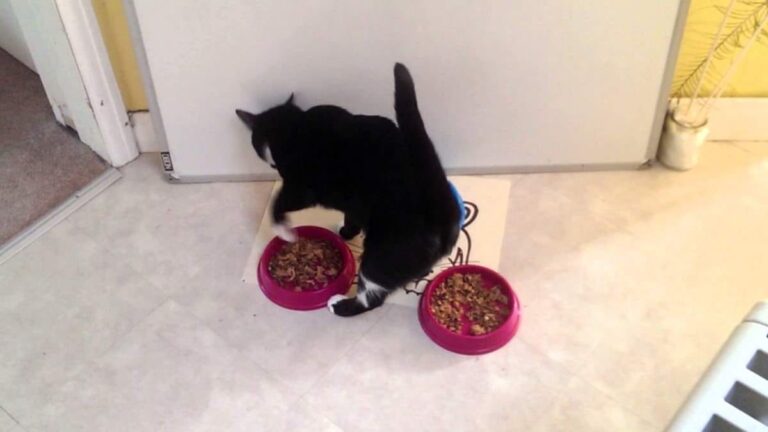
A cat may stop eating because the food smells different, feels unpleasant, or makes her feel sick. Cats depend heavily on smell, so even a small change in scent can turn a familiar meal into something suspicious.
The answer may also be medical. A cat with a sore mouth may want food but struggle to chew. A cat with nausea may approach the bowl, sniff it, and walk away. This is why a sudden appetite change deserves attention, even if your cat still seems fairly normal.
Common causes include:
• Dental pain, gum disease, or a broken tooth
• Nausea, constipation, hairballs, or stomach upset
• Kidney, liver, thyroid, or other internal disease
• Stress from visitors, moving, noise, or a new pet
• A new food formula, flavor, texture, or bowl
• Food that is stale, spoiled, too cold, or poorly stored
• A blocked nose or respiratory infection that reduces smell
• Pain in another part of the body
• A bad experience linked with the food or feeding area
A cat’s appetite is like a small health dashboard. One missed meal may mean little, but a pattern of refusal can signal a problem beneath the surface.

Medical reasons your cat may refuse her food
When people ask why does my cat suddenly hate her food, medical issues should be considered first. Cats often hide pain and illness. They may not cry, limp, or act sick until the condition has become serious.
Dental disease and mouth pain
Dental disease is one of the most common reasons a cat stops eating normally. Inflamed gums, tooth resorption, ulcers, and a painful tooth can make chewing uncomfortable.
Watch for:
• Dropping food from the mouth
• Chewing on one side
• Pawing at the face
• Bad breath
• Drooling
• Choosing soft food over kibble
• Walking away after sniffing the bowl
Some cats with dental pain still seem hungry. They may beg for food, then refuse it when chewing hurts. A veterinary oral exam is often needed because pain can hide below the gum line.
Nausea and digestive upset
Nausea can make food smell unpleasant. Your cat may lick her lips, swallow often, drool, vomit, or sit near the bowl without eating.
Possible triggers include:
• Hairballs
• Constipation
• Sudden food changes
• Eating plants or unsafe items
• Parasites
• Pancreatitis
• Inflammatory bowel disease
Do not assume vomiting is always the cause. Cats can feel nauseated without vomiting. Refusing food may be the only clear sign.
Kidney disease and other internal illness
Older cats may lose interest in food because of kidney disease, diabetes, hyperthyroidism, liver disease, or cancer. These conditions can cause nausea, dehydration, weakness, weight loss, or changes in drinking and urination.
This does not mean appetite loss always points to a serious disease. It does mean that repeated food refusal should not be dismissed as simple pickiness, especially in senior cats.
Respiratory infection and reduced smell
Cats use scent to judge food. A blocked nose can make a meal seem less appealing. Sneezing, watery eyes, nasal discharge, mouth breathing, or congestion may explain why does my cat suddenly hate her food.
Gently warming wet food may increase its smell. However, a cat with breathing trouble needs prompt veterinary care. Never force food into a cat that cannot breathe comfortably.
Pain, fever, or injury
Pain anywhere in the body can reduce appetite. Arthritis, an injury, a urinary problem, or fever may cause a cat to hide and ignore food.
Look at the whole cat, not only the bowl. Changes in movement, posture, grooming, sleep, litter box use, or social behavior can provide important clues.

Food and feeding problems that can change appetite
Sometimes the problem is not the cat. It is the food, bowl, or feeding routine.
A sudden recipe change
Pet food companies may adjust ingredients, packaging, or manufacturing sites. Even when the label looks similar, the smell and texture may differ.
If you recently bought a new bag or case, compare it with the old package. Check the expiration date, lot number, color, smell, and texture. Do not feed food that smells sour, looks moldy, feels unusually oily, or has damaged packaging.
Food freshness and storage
Dry food loses aroma after it sits open for too long. Wet food can spoil when left at room temperature for several hours, especially in a warm room.
Keep food in its original bag inside a sealed container. Refrigerate opened wet food and use it within the time advised on the package or by your veterinarian. Serve refrigerated food slightly warmed, but never make it hot.
Texture and shape
Cats can have strong texture preferences. One cat may love pâté, while another prefers chunks in gravy. Some cats reject a new kibble shape even when the flavor is familiar.
If your cat refuses only one texture, offer a small amount of a familiar texture. Avoid placing many foods down at once, since a crowded buffet can create more confusion than comfort.
Bowl placement
Cats may avoid eating near a litter box, loud appliance, busy doorway, or aggressive housemate. Some dislike deep bowls that touch their whiskers. Others feel unsafe if they must face away from the room while eating.
Try a clean, wide, shallow dish in a quiet area. Keep food and water separate from the litter box. If you have more than one cat, feed them apart so one cat cannot guard the bowl.
Too many treats
Treats, table scraps, and flavored supplements can reduce interest in regular meals. They may also upset the stomach or create a habit of waiting for something more exciting.
Treats should remain a small part of the daily diet. Ask your veterinarian how to adjust portions if your cat receives several treats each day.

Stress can explain why does my cat suddenly hate her food
Cats like predictable routines. A small change in the home can feel huge to a sensitive cat.
Stress may follow:
• Moving to a new home
• Visitors or loud parties
• A new baby or pet
• Construction or strong smells
• Changes in work hours
• A different feeding place
• Conflict with another cat
• A recent trip to the veterinarian
• A dirty or exposed litter box
A stressed cat may eat less, hide more, overgroom, vocalize, or urinate outside the litter box. Some cats refuse food because they do not feel safe enough to lower their guard.
Create a calm feeding area. Use the same bowl and meal times. Keep other pets away while your cat eats. A pheromone diffuser may help some cats, although results vary and it should not replace medical care.
One useful lesson from many cat care cases is that food refusal is often a combination of problems. A mild mouth ache may begin the issue, while stress then makes the cat even less willing to eat. Treating only the food preference may not solve the real cause.

What to do when your cat suddenly rejects her food
Start with a calm check rather than immediately buying many new foods. Your goal is to learn whether your cat feels sick or simply dislikes something about the meal.
Follow these steps
-
Check the food. Look at the date, smell, texture, package, and storage conditions.
-
Offer the usual food in a clean, shallow dish. Avoid making several changes at once.
-
Try a small amount of familiar wet food. Slight warming can improve aroma.
-
Watch your cat eat. Note chewing, drooling, lip licking, gagging, or dropping food.
-
Check water intake and litter box habits. Changes can reveal dehydration or illness.
-
Reduce noise and separate your cat from other pets during meals.
-
Record what happens. Write down food offered, amount eaten, vomiting, stool, urine, energy, and behavior.
-
Contact your veterinarian if the refusal continues or if other signs appear.
Do not force-feed your cat unless a veterinarian has shown you how and advised it. Force-feeding can cause fear, food aversion, and aspiration, which happens when food enters the airway.
Do not give human medicine. Common drugs such as acetaminophen and ibuprofen can be dangerous or fatal to cats. Avoid appetite stimulants, antacids, and supplements unless prescribed for your cat.

When to call the veterinarian
A healthy adult cat that skips one meal may not have an emergency, but monitor closely. Cats should not go without food for long periods, especially if they are overweight. Prolonged fasting can raise the risk of hepatic lipidosis, also called fatty liver disease.
Call your veterinarian promptly if your cat:
• Eats nothing for about 24 hours
• Is overweight and stops eating
• Refuses food and water
• Vomits repeatedly
• Has diarrhea with weakness or blood
• Seems painful, very tired, or withdrawn
• Has yellow gums, eyes, or skin
• Has trouble breathing
• Strains to urinate or produces little urine
• Has sudden weight loss
• Has diabetes, kidney disease, or another ongoing condition
A cat that strains to urinate, cannot urinate, collapses, or has breathing difficulty needs emergency care. These problems can worsen quickly.
Your veterinarian may examine the mouth, check hydration, feel the abdomen, and recommend blood work or imaging. The right tests depend on age, history, symptoms, and how long the appetite change has lasted.

How to prevent future food refusal
You cannot prevent every appetite change, but you can make problems easier to spot and food changes safer.
• Change food over seven to ten days when possible. Start with mostly old food and add a small amount of new food.
• Keep meal times steady. Routine helps many cats feel secure.
• Store food well. Close dry food tightly and refrigerate opened wet food.
• Use clean bowls. Wash them often with mild soap and rinse them well.
• Offer food in a quiet place. Keep it away from litter boxes and noisy machines.
• Schedule regular veterinary exams. Older cats may benefit from more frequent checks.
• Monitor body weight. A small home scale can reveal gradual loss before it is obvious.
• Keep a note of your cat’s normal appetite, water intake, and litter box routine.
• Introduce new treats and foods in small amounts.
A slow food transition is especially important for cats with sensitive stomachs. If your cat has a medical diet, ask your veterinarian before adding treats or switching products.

Common mistakes to avoid
When a cat refuses food, worried owners often make choices that accidentally make the problem worse.
One mistake is offering a new meal every hour. This can upset the stomach and teach a cat to wait for a favorite option. Another is leaving wet food out all day, which can create a safety problem and make the food smell unpleasant.
Avoid hiding medicine in a full meal unless your veterinarian recommends it. If your cat learns that food contains bitter medicine, she may reject that food later.
Do not assume a cat will eat when she becomes hungry enough. This idea is risky because cats can develop serious liver problems after prolonged food refusal. If your cat is not eating, monitor the situation and seek professional advice early.

Frequently asked questions about why does my cat suddenly hate her food
Why does my cat suddenly hate her food but still eat treats?
Treats often have a stronger smell and richer taste than regular food. However, this pattern can also happen with dental pain or nausea, so it should not automatically be called picky behavior.
How long can a cat go without eating?
A cat should not be allowed to go without food for long, especially if she is overweight or has a health condition. Contact a veterinarian if your cat has eaten nothing for about 24 hours, or sooner if she seems ill.
Why does my cat sniff her food and walk away?
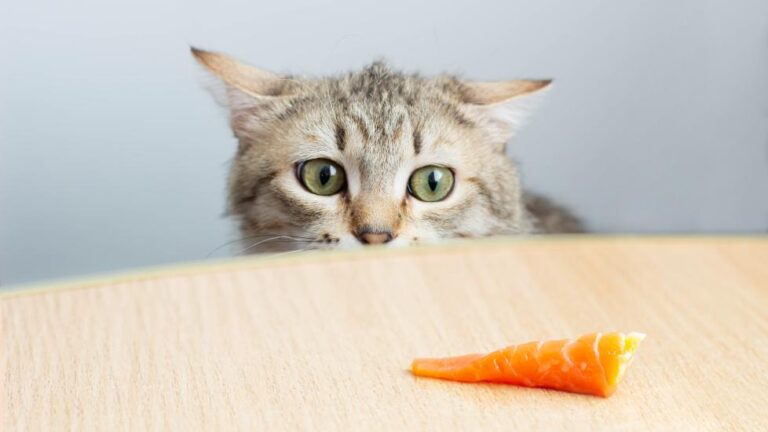
Sniffing and walking away can point to nausea, mouth pain, a blocked nose, stress, or food that smells different. Note any drooling, lip licking, vomiting, sneezing, or chewing problems and share these details with your veterinarian.
Should I change my cat’s food if she suddenly refuses it?
First check the food’s freshness, storage, and expiration date. If your cat seems sick or refuses several meals, consult a veterinarian before making repeated diet changes.
Can stress make a cat stop eating?
Yes. Moving, noise, visitors, new pets, and conflict with another cat can reduce appetite. Give your cat a quiet feeding space, but arrange veterinary care if eating does not return soon.
Is it safe to warm my cat’s food?
Slightly warming wet food can make its aroma stronger and may help some cats eat. Warm it gently, stir it well, and check the temperature before serving.
What should I feed a cat that refuses her normal food?
You may offer a small amount of a familiar wet food or another food your veterinarian has approved. Avoid force-feeding and do not keep switching foods if your cat refuses several meals.
Conclusion
The answer to why does my cat suddenly hate her food may be simple, such as stale food, a new recipe, or stress. It may also signal dental pain, nausea, infection, or another health problem. Check the food, create a calm feeding space, observe your cat closely, and never ignore ongoing appetite loss.
If your cat eats nothing for about 24 hours, shows other symptoms, or has a medical condition, contact your veterinarian. A careful response today can protect your cat’s health tomorrow. Share your experience with your veterinarian, keep an appetite log, and explore trusted feline health resources for ongoing support.