Why Does My Cat Only Eat The Middle Of Wet Food: Causes
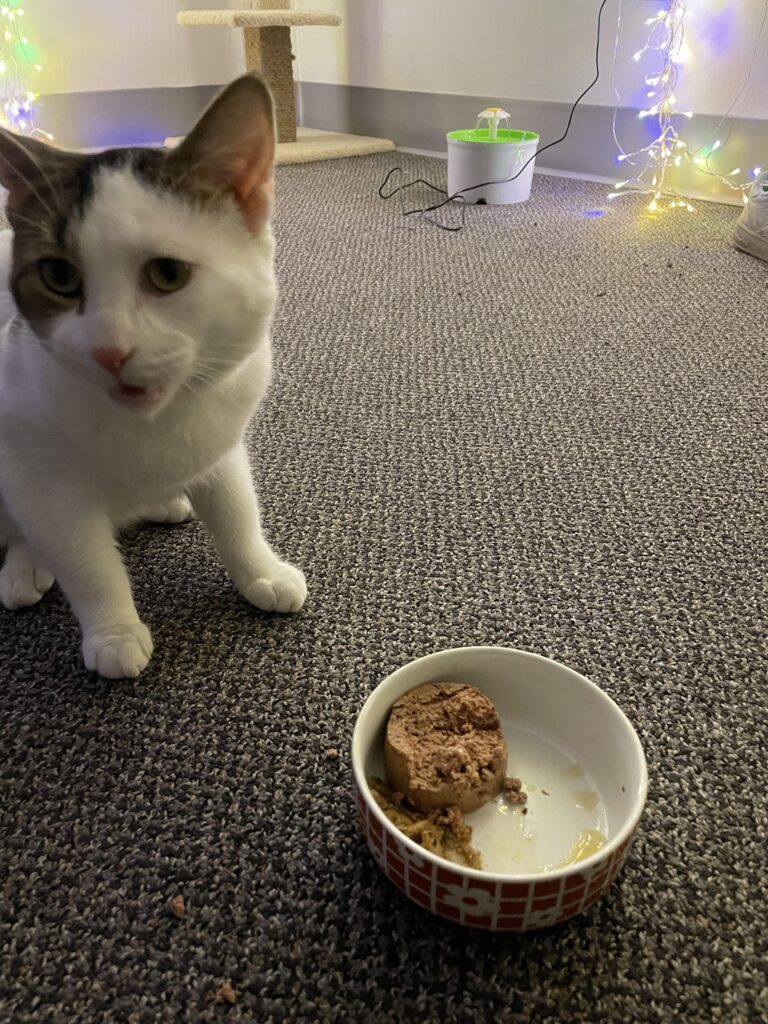
Your cat may eat only the middle of wet food because it feels fresher, softer, warmer, and safer to reach.
If you wonder, “Why does my cat only eat the middle of wet food?” you are not alone. This eating pattern is often harmless, but it can also reveal a dislike of the food’s texture, bowl, smell, or temperature. Understanding the reason helps you make mealtimes easier and spot health problems early.
Why does my cat only eat the middle of wet food?
Many cats eat the center first because it has a different texture from the food near the edge. The middle may be softer and more moist, while the outer layer can dry out or stick to the bowl.
Cats also have strong senses of smell. The center may hold more of the food’s natural aroma because it has had less contact with air. For a cat, the meal may seem like a small “fresh spot” surrounded by less appealing food.
Common reasons include:
• The middle is softer and easier to lick.
• The food at the edge has dried out.
• The center smells stronger.
• The bowl shape makes the edges hard to reach.
• The cat dislikes the food touching its whiskers.
• The food is too cold near the edge.
• The cat has dental pain or mouth discomfort.
• The cat is selective about texture or flavor.
In many cases, why your cat only eats the middle of wet food comes down to comfort and preference rather than stubbornness. Still, a sudden change in eating habits deserves closer attention.
 display: block; margin: 0 auto;”
loading=”lazy”
/>
Your cat may prefer the texture in the center
Texture is one of the biggest reasons why a cat only eats the middle of wet food. Cats can be very particular about how food feels in their mouth. One cat may enjoy pâté, while another prefers shredded meat in gravy.
The outside of a serving can change as it sits. Air may dry the edges. Gravy may run toward the side of the dish. The center may stay moist and smooth, which makes it easier to lick or bite.
This is especially common with pâté-style food. When you press pâté into a bowl, the center can remain soft while the surface near the sides becomes firm. Your cat may simply be choosing the part that feels best.
Try these simple changes:
• Add one or two teaspoons of warm water and mix the food well.
• Spread the food into a thin, even layer.
• Break up pâté with a fork.
• Serve smaller portions more often.
• Test a different texture, such as minced, mousse, or shredded food.
Do not heat canned food until it is hot. If you warm it, use a small amount and check the temperature with your finger first. Lukewarm food often smells more appealing than food straight from the refrigerator.

The bowl may be causing the problem
A deep or narrow bowl can make the edges uncomfortable to reach. Some cats dislike pressing their whiskers against the sides. This sensitivity is often called whisker stress or whisker fatigue, although the medical evidence for the term “whisker fatigue” is limited.
The discomfort is still real for some cats. Their whiskers are sensitive touch organs, and repeated contact with a bowl may make them pull away. A cat may then eat only from the middle because that area gives its face more space.
Try using:
• A wide, shallow ceramic plate.
• A flat stainless steel dish.
• A plate with a smooth surface.
• A bowl that does not slide across the floor.
Avoid scented plastic bowls if possible. Plastic can hold odors and may develop scratches that trap bacteria. Wash food dishes after each meal with warm water and mild dish soap.
A flat plate is a simple test. If your cat begins eating the full serving, the bowl was likely part of the problem.

Food temperature and freshness can affect eating
Cats often respond strongly to smell. Cold wet food has less aroma, while slightly warmed food releases more scent. Since cats use smell to judge food, a chilled meal may seem less inviting.
The center of the food may also stay fresher than the outer layer. This can explain why your cat only eats the middle of wet food after the meal has been sitting out.
For safer feeding:
-
Serve only the amount your cat will eat within a short period.
-
Cover and refrigerate unused wet food right away.
-
Use refrigerated leftovers within the time listed on the package or advised by your veterinarian.
-
Warm the next serving gently with a little warm water.
-
Throw away food that smells sour, looks unusual, or has been left out too long.
Do not leave wet food at room temperature for many hours, especially in a warm home. Bacteria can multiply even when the food looks normal.
You can also try serving a fresh portion on a clean plate. If your cat eats the new food from the center again, the issue may be food freshness or texture rather than hunger.

Your cat may dislike the flavor or texture near the edge
Some wet foods contain more gravy, gel, or fat in certain areas. The center may contain the meat pieces your cat likes, while the edge may contain jelly or sauce. Cats can notice small differences that people might miss.
This behavior may also happen when a cat is bored with one recipe. A cat may still be hungry but eat only the most appealing part. That does not always mean the food is unhealthy, but it may mean the food does not match your cat’s preference.
Keep a simple food diary for a week. Record:
• The brand and recipe.
• The food texture.
• How much your cat eats.
• Whether the food was cold or warmed.
• The type of dish used.
• Any vomiting, loose stool, or behavior changes.
Change only one factor at a time. If you change the food, bowl, feeding place, and temperature together, you will not know which change helped.
When changing diets, make the transition slowly over about seven days unless your veterinarian gives different advice. A sudden switch can cause stomach upset or food refusal.

Dental pain can change how a cat eats
A cat that eats only soft food in the middle may have mouth pain. Dental disease is common in cats, and many hide discomfort well. A cat may continue eating but avoid food that takes more chewing or touches a painful area.
Watch for signs such as:
• Dropping food from the mouth.
• Chewing on one side.
• Pawing at the face.
• Bad breath.
• Red or bleeding gums.
• Trouble swallowing.
• Drooling.
• Weight loss.
• Hiding or acting less social.
If your cat suddenly starts eating only the middle of wet food, do not assume it is simply picky. A veterinary examination can check the teeth, gums, tongue, and jaw. Dental disease can worsen without treatment, and cats often mask pain until it becomes serious.
Never give human pain medicine to a cat. Common medicines such as acetaminophen and ibuprofen can be dangerous or fatal to cats.

Nausea and other health problems may be involved
A cat with nausea may approach food, lick a small amount, and walk away. This can look like picky eating. The cat may choose the center because it has the strongest smell or the easiest texture, but the real issue may be illness.
Health problems that can affect appetite include:
• Stomach or intestinal disease.
• Kidney disease.
• Liver disease.
• Diabetes.
• Pancreatitis.
• Infections.
• Stress or anxiety.
• Medication side effects.
Contact a veterinarian promptly if your cat eats much less than normal, refuses food, vomits, has diarrhea, seems weak, or loses weight. Cats that stop eating can develop a serious liver condition called hepatic lipidosis, especially if they are overweight.
A cat that has eaten nothing for about 24 hours needs veterinary advice. Kittens, senior cats, and cats with chronic disease may need help sooner. Appetite changes are useful health clues, not just behavior problems.

Stress can change your cat’s eating pattern
Cats like predictable routines. A noisy room, a new pet, guests, construction, or a moved food bowl can make eating feel unsafe. Your cat may eat only the center because it wants to stay alert and leave quickly.
Place the food in a quiet area away from:
• Litter boxes.
• Washing machines.
• Busy hallways.
• Barking dogs.
• Other cats that guard food.
Give each cat a separate feeding area when possible. Some cats eat better when they cannot see another pet nearby.
Stress can also cause a cat to eat less overall. If the behavior began after a major change at home, restore a calm routine and watch your cat closely. If appetite does not return, speak with a veterinarian.

What to do when your cat only eats the middle
Start with low-risk changes. You do not need to replace the entire diet at once.
Try this step-by-step plan:
-
Serve a small, fresh portion on a wide, shallow plate.
-
Bring refrigerated food closer to room temperature.
-
Mix in a little warm water to improve moisture and scent.
-
Spread the food evenly rather than piling it in the center.
-
Offer a different texture from the same complete and balanced food range.
-
Feed in a quiet place.
-
Measure the amount offered and the amount left.
-
Monitor your cat’s weight each week.
One mistake many cat owners make is offering several new foods at once. This can create stomach upset and make it harder to identify the preferred option. It can also teach some cats to wait for a more exciting meal.
Another mistake is repeatedly adding treats or human food. Treats should remain a small part of the daily diet. The main food should provide complete and balanced nutrition for your cat’s life stage.
If your cat eats enough calories, maintains a healthy weight, and shows no warning signs, eating the middle may simply be a harmless preference. Your goal is not to force a clean bowl. Your goal is steady, comfortable, nutritious eating.
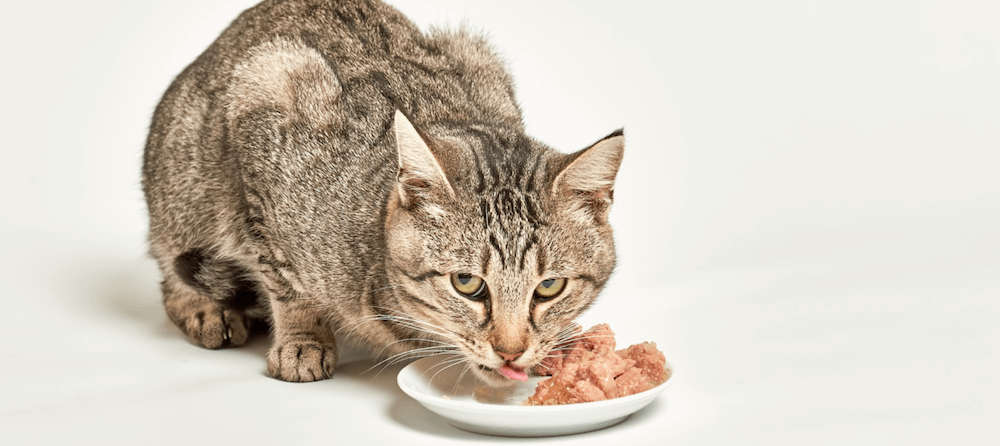
How much wet food should your cat eat?
The right amount depends on your cat’s weight, age, activity, health, and the calorie content of the food. Two cans of different recipes may contain very different calorie amounts, so the feeding chart on the package is a useful starting point.
Your veterinarian can help you set a daily calorie goal. This matters because a cat that eats only the middle may appear to eat, while still receiving too few calories.
Check for:
• Stable body weight.
• Normal energy.
• Regular bathroom habits.
• Healthy skin and coat.
• A steady appetite.
Use a kitchen scale or measuring cup when tracking food. If your cat leaves half of each serving, calculate how much it actually eats over 24 hours. A food diary can give your veterinarian valuable information.
Do not judge nutrition by bowl appearance alone. A cat may leave food because the portion is too large, the recipe is unappealing, or the cat is receiving calories from treats.
When should you call the veterinarian?
Call your veterinarian if your cat only eats the middle of wet food and the habit is new, worsening, or linked with other symptoms.
Seek prompt veterinary care for:
• No food intake for about 24 hours.
• Repeated vomiting.
• Severe diarrhea.
• Sudden weight loss.
• Extreme tiredness.
• Trouble breathing.
• Yellow eyes or gums.
• Pain while eating.
• Heavy drooling.
• A swollen or painful belly.
Cats are skilled at hiding illness. A small eating change may be the first visible sign of dental disease, stomach trouble, or another medical problem. A checkup is safer than waiting for a cat to become obviously ill.
Your veterinarian may examine the mouth, weigh your cat, ask about food and behavior, and recommend blood tests or dental imaging if needed. The correct tests depend on your cat’s age, symptoms, and health history.
Frequently Asked Questions
Is it normal for a cat to eat only the middle of wet food?
It can be normal if your cat is otherwise active, comfortable, and eating enough each day. The center may be softer, fresher, or easier to reach, but a sudden change should be discussed with a veterinarian.
Why does my cat only eat the gravy or soft center?
Your cat may prefer the smell and texture of gravy or soft food. Dental pain, nausea, or difficulty chewing can also make softer food more appealing, especially if this behavior is new.
Should I mix the wet food together?
Yes, gently mixing the food can spread moisture and flavor throughout the serving. Add a little warm water if needed, but avoid making a sudden diet change or adding ingredients that are not safe for cats.
Can a deep bowl cause my cat to eat only the middle?
Yes. A deep bowl may press against sensitive whiskers or make the outer food difficult to reach. Try a wide, shallow ceramic or stainless steel plate to see whether your cat eats more comfortably.
How long can wet cat food sit out?
Wet food should not sit out for many hours. Follow the package guidance, refrigerate unused food promptly, and discard food that has been left out too long or looks or smells unusual.
When is picky eating a medical concern?
Picky eating is more concerning when it comes with weight loss, vomiting, drooling, bad breath, tiredness, diarrhea, or reduced eating overall. A cat that refuses all food for about 24 hours needs veterinary advice, and some cats need help sooner.
Conclusion
Why does my cat only eat the middle of wet food? The most common answers are texture, freshness, temperature, bowl shape, whisker comfort, and personal preference. However, dental pain, nausea, stress, or another health issue can cause the same pattern.
Start with a fresh, shallow serving dish, gently warm the food, spread it evenly, and track how much your cat truly eats. If the change is sudden or comes with other symptoms, contact your veterinarian instead of treating it as simple fussiness.
Small observations can make a big difference in your cat’s health. Try one change at a time, keep a simple food record, and share your experience or questions in the comments.