Why Does My Cat Prefer Pate Over Chunks: Best Food Guide
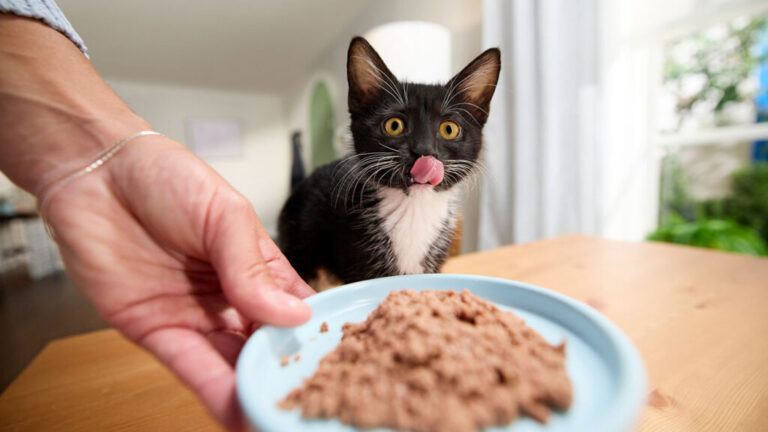
Cats often prefer pâté because its smooth texture is easier to lick, chew, smell, and eat than chunky food.
If you wonder, “why does my cat prefer pâté over chunks,” the answer usually involves texture, scent, mouth comfort, and learned food habits. This guide explains the most common reasons, how to choose a healthy pâté, and when a sudden texture preference may signal a health concern.
Why Does My Cat Prefer Pâté Over Chunks?
The main reason cats prefer pâté over chunks is simple: pâté feels smoother and more consistent in the mouth. It does not require much chewing, and many cats can lick it up with ease.
Cats also have strong food preferences. Texture can matter as much as flavor. One cat may enjoy gravy and shreds, while another may reject anything that feels firm or uneven.
When people ask, “why does my cat prefer pâté over chunks,” these are the most common explanations:
• Pâté is easier to lick and swallow.
• Its smell spreads well across the bowl.
• It has a soft, even texture.
• It may feel safer to cats with sore teeth or gums.
• Cats can become used to one texture early in life.
• Pâté often holds more moisture than some chunky foods.
Think of pâté as a smooth yogurt and chunky food as a stew. Both can be nutritious, but they feel very different while eating. Your cat may simply know which texture feels best.
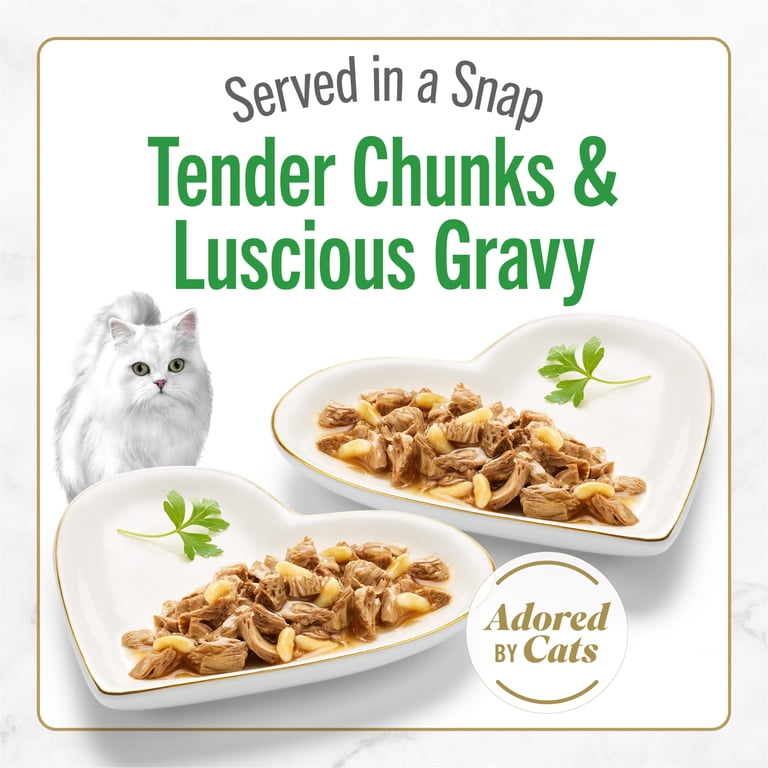
Texture Is a Major Part of Cat Food Preference
Cats do not judge food by taste alone. Texture, temperature, smell, moisture, and mouthfeel all affect whether a cat accepts a meal.
Pâté has a uniform texture. Each bite feels much like the last one. Chunky food can contain meat pieces, sauce, and gel. Some cats dislike this changing texture, especially if the pieces are large, dry, or rubbery.
This helps explain why does my cat prefer pâté over chunks even when both foods have similar ingredients. The ingredient list may look alike, but the eating experience is not alike.
Cats often favor predictable food
Predictability matters to cats. They are creatures of habit, and many feel more comfortable when their meals look and feel the same each day.
A cat that has eaten pâté for years may view chunky food as unfamiliar. It may sniff the bowl, paw near it, and walk away. This does not always mean the food tastes bad. It may mean the texture is outside the cat’s comfort zone.
Pâté may be easier for senior cats
Older cats may have less strength in their jaw. They may also have missing teeth, gum disease, or mild arthritis that makes chewing harder.
Pâté can be helpful because it needs less chewing. However, soft food does not treat dental disease. A cat with mouth pain still needs a veterinary exam.
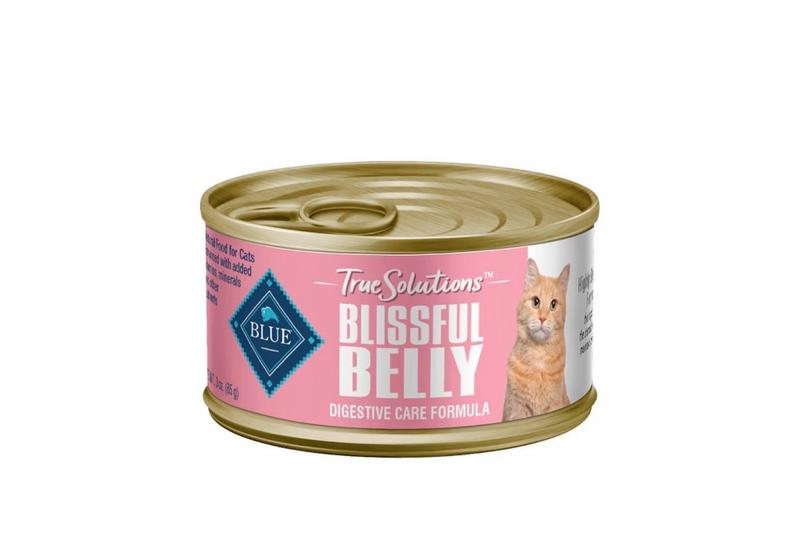
Dental Pain Can Make Cats Reject Chunks
A sudden change from chunks to pâté deserves attention. If your cat once ate chunky food but now refuses it, mouth pain may be part of the reason.
Dental disease is common in cats. Plaque can harden into tartar, and inflammation can develop along the gums. Some cats hide pain well, so food changes may be one of the first signs you notice.
Possible signs of dental or mouth trouble include:
• Dropping food while eating
• Chewing on one side
• Pawing at the mouth
• Bad breath
• Drooling
• Bleeding gums
• Weight loss
• Taking longer to finish meals
• Showing interest in food but walking away
This is another important clue when asking why does my cat prefer pâté over chunks. A cat may not be choosing pâté only because it likes the texture. It may be choosing the food that hurts less.
Do not force a cat to eat hard or chunky food if it seems painful. Arrange a veterinary visit, especially if the change is sudden or comes with weight loss.

Smell and Moisture May Make Pâté More Appealing
Cats have a strong sense of smell. Aroma plays a large role in appetite, especially because cats have fewer taste buds than humans.
Pâté often has a rich meat smell. When warmed slightly, its aroma becomes stronger. This can make it more appealing to cats that are picky, older, stressed, or recovering from illness.
Moisture also changes the eating experience. Wet pâté may be softer and easier to swallow. It can also help increase water intake, which is useful for cats that do not drink much from a bowl.
Still, more moisture does not automatically mean better nutrition. Check the label for a statement that the food is complete and balanced for your cat’s life stage.
A safe way to improve aroma
You can make pâté more inviting by:
• Serving it at room temperature
• Adding a small amount of warm water
• Stirring it into a smooth paste
• Offering fresh food in a clean bowl
• Using a shallow dish that does not press against the whiskers
Avoid heating food until it is hot. Test the temperature with your finger before serving it.

Learned Preferences Start Early
Kittens often learn food preferences through repeated exposure. If a kitten grows up eating smooth food, it may continue to prefer smooth food as an adult.
This does not mean your cat is spoiled. Food preferences are often built through habit. A texture that feels normal to one cat may feel strange to another.
Some cats also connect food with positive experiences. If pâté was offered during illness, after adoption, or as a special treat, the cat may form a strong preference for it.
This is one reason why does my cat prefer pâté over chunks can have a behavioral answer. The cat may have learned that pâté is familiar, safe, and rewarding.
You can gently broaden food preferences by offering tiny amounts of another texture beside the usual food. Never remove the preferred food for a long period to “make” a cat eat something else. Cats that stop eating can develop serious liver problems, including hepatic lipidosis.

Is Pâté Healthier Than Chunky Cat Food?
Pâté is not automatically healthier than chunky cat food. The recipe and nutrition profile matter more than the shape or texture.
A good cat food should provide the nutrients cats need, including animal-based protein, taurine, essential fatty acids, vitamins, and minerals. It should also be labeled as complete and balanced for the correct life stage.
When comparing pâté and chunks, check:
• The nutritional adequacy statement
• Protein and fat levels
• Calorie content
• Added vitamins and minerals
• The food’s intended life stage
• Feeding directions
• The manufacturer’s quality controls
Pâté may contain more water, so the protein percentage on the label can look lower than expected. Wet food labels list nutrients “as fed,” meaning the water is included. Dry matter comparisons give a clearer view of nutrient levels.
Your veterinarian can help compare foods if your cat has kidney disease, diabetes, urinary problems, food allergies, or weight concerns.
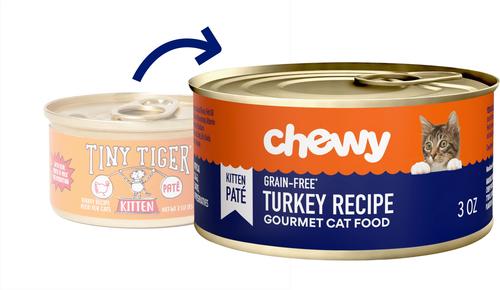
Pâté Versus Chunks: Benefits and Limitations
Both textures can fit into a healthy diet. The best choice depends on your cat’s needs, your feeding routine, and the food’s nutritional quality.
Benefits of pâté
• Easy to lick and swallow
• Often useful for cats with dental discomfort
• Usually high in moisture
• Simple to mix with warm water
• Consistent texture
• May be easier for kittens and senior cats
Limitations of pâté
• Some cats may gain weight if portions are too large
• Open cans need safe refrigeration
• It may be less convenient for travel
• Some cats dislike the dense texture
• It does not clean teeth
Benefits of chunky food
• Offers a different mouthfeel
• May provide more chewing action
• Can be useful for texture variety
• Some cats enjoy meat pieces and gravy
Limitations of chunky food
• Pieces may be too large for some cats
• Texture can vary from bite to bite
• Some cats lick the gravy and leave the meat
• It may be harder for cats with dental pain to eat
Chewing chunky food does not replace brushing or professional dental care. In fact, many cats swallow pieces with little chewing.

How to Switch a Cat From Pâté to Chunks
If you want to introduce chunky food, make the change slowly. A sudden switch can cause food refusal, vomiting, or diarrhea.
Try this seven-day approach:
-
Serve mostly pâté with a tiny amount of chunky food mixed in.
-
Keep the new texture very small at first.
-
Mash the chunks into the pâté.
-
Add a little warm water or broth made for pets.
-
Increase the chunky portion only if your cat keeps eating well.
-
Pause or step back if your cat refuses the meal.
-
Keep fresh water available at all times.
Some cats accept minced food before they accept large chunks. You can also try a smooth food with a small amount of shredded meat. The goal is to build comfort, not win a battle.
A common mistake is offering several new foods at once. If your cat refuses the meal, you will not know which texture or recipe caused the problem.

How to Feed a Cat That Only Wants Pâté
If the pâté is complete and balanced, there may be no need to change your cat’s texture preference. Many cats eat pâté for life and remain healthy.
Focus on proper portions and regular meals. Use the feeding guide as a starting point, then adjust based on body condition and veterinary advice.
Helpful feeding habits include:
• Measure food instead of guessing
• Offer meals at consistent times
• Use a clean, shallow dish
• Remove uneaten wet food after a few hours
• Refrigerate opened cans in a sealed container
• Warm refrigerated food slightly before serving
• Monitor weight each month
• Keep treats under about 10 percent of daily calories
If your cat eats only pâté, you can still provide variety through different proteins and recipes. Make changes slowly and avoid foods that are not made for cats.
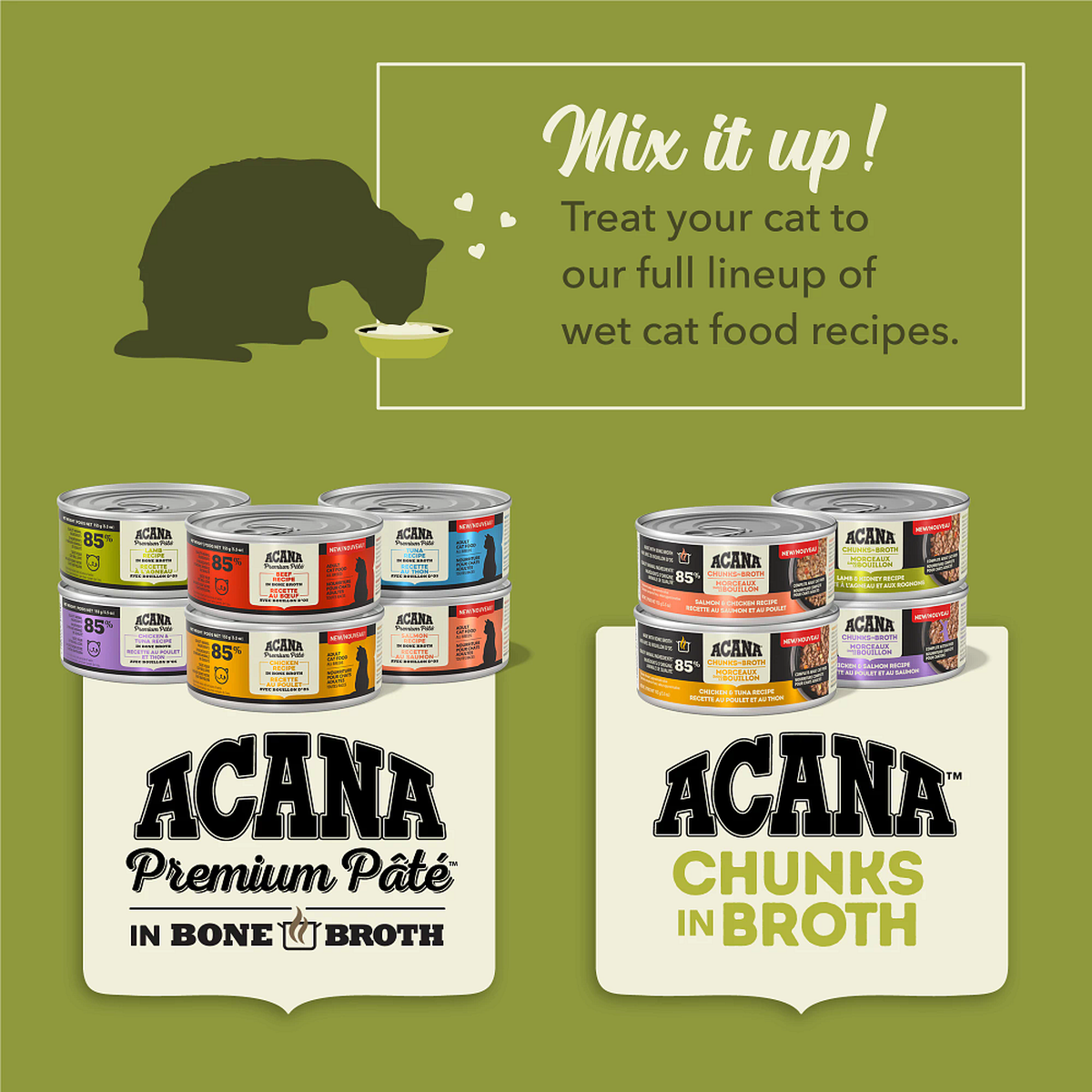
When a Texture Preference Needs Veterinary Care
A stable preference for pâté is usually not a problem. A sudden preference, however, may point to illness.
Contact your veterinarian if your cat refuses chunks and also shows:
• Reduced appetite
• Weight loss
• Vomiting or diarrhea
• Low energy
• Increased thirst or urination
• Trouble swallowing
• Drooling or mouth odor
• Hiding more than usual
• Changes in grooming
A cat that does not eat for about 24 hours needs prompt veterinary advice. Kittens, overweight cats, and cats with existing illness may become unwell sooner.
Your veterinarian may check the teeth, gums, throat, digestive system, and overall body condition. Blood tests or dental imaging may be needed if the cause is not clear.
The key lesson from why does my cat prefer pâté over chunks is that preference and pain can look similar. Watch the whole cat, not only the food bowl.
Practical Examples From Everyday Cat Care
Consider a senior cat named Luna. She used to eat chunks but began licking only the gravy. Her owner changed to pâté, and Luna ate better. A veterinary exam later found painful dental disease. The pâté helped her eat, but dental care was still needed.
Now consider Milo, a young cat that has always eaten pâté. He is active, maintains a healthy weight, and has normal checkups. In his case, the preference is likely behavioral or sensory rather than a warning sign.
Another common case involves a cat that refuses chilled pâté but eats it at room temperature. This cat may be reacting to smell. Cold food has less aroma, much like cold leftovers seem less flavorful to people.
These examples show why does my cat prefer pâté over chunks cannot be answered with one rule. Look at age, history, appetite, behavior, and health together.
Frequently Asked Questions About Why Does My Cat Prefer Pâté Over Chunks
Is it normal for a cat to prefer pâté over chunks?
Yes. Many cats have strong texture preferences, and pâté is smooth, soft, and easy to eat. If your cat is healthy and the food is complete and balanced, this preference is usually normal.
Why does my cat prefer pâté over chunks all of a sudden?
A sudden change may come from dental pain, nausea, stress, reduced smell, or another health problem. Schedule a veterinary check if the change continues or comes with weight loss, drooling, vomiting, or low energy.
Can cats live on pâté only?
Yes, cats can eat pâté only if it is labeled complete and balanced for their life stage. Check portions carefully because wet food still contains calories, and some recipes are made only for occasional or supplemental feeding.
Does pâté help a cat with dental disease?
Pâté may be easier for a cat with sore teeth or gums to eat, but it does not cure dental disease. A veterinarian should examine the mouth and recommend dental treatment when needed.
Should I force my cat to eat chunky food?
No. Forcing food can increase stress and may cause your cat to avoid meals. Introduce new textures slowly while continuing to offer a nutritious food your cat reliably eats.
How can I make chunks more acceptable to my cat?
Mash the chunks into pâté, add a small amount of warm water, or try minced food first. Make changes gradually and stop if your cat refuses food or develops digestive upset.
Conclusion
The answer to why does my cat prefer pâté over chunks is often a mix of comfort, smell, moisture, texture, and habit. Pâté may be easier to lick and swallow, but a sudden preference can also point to dental pain or illness.
Choose a complete and balanced food, serve suitable portions, and watch your cat’s weight and behavior. If the change is sudden or your cat seems unwell, contact a veterinarian rather than assuming it is simple pickiness.
Try small, gentle texture changes only when needed, and let your cat’s health guide the choice. Share your cat’s favorite texture and feeding experience in the comments, or explore more trusted cat nutrition resources for practical care tips.