Why Does My Cat Have Dry Skin Flakes: Causes And Fixes
Dry skin flakes in cats often come from low humidity, poor grooming, allergies, parasites, or an underlying health problem.
Wondering why does my cat have dry skin flakes can feel worrying, especially when white specks appear on the coat or bedding. The good news is that many causes are mild and manageable, but persistent flakes need a closer look. This guide explains the likely causes, safe home care, warning signs, and when a veterinarian should examine your cat.
What dry skin flakes look like in cats
Dry skin flakes are small pieces of dead skin that shed from the outer layer of the skin. You may see them as white or gray specks on your cat’s fur, near the tail, or on favorite sleeping spots.
Some cats have only a few flakes. Others may have thick scale, red skin, scabs, hair loss, or greasy patches. These extra signs can help show whether the problem is simple dryness or a skin disease.
Common areas include:
• The back and sides
• The base of the tail
• Around the neck
• Behind the ears
• The lower back
If you are asking why does my cat have dry skin flakes, first check the skin itself. Healthy skin should not be very red, sore, smelly, or covered in crusts.

Why does my cat have dry skin flakes?
There is no single answer to why does my cat have dry skin flakes. Several causes can look alike, so the pattern, timing, and other symptoms matter.
Low humidity
Dry indoor air can pull moisture from the skin. This is common during winter when heaters run often. A cat may develop mild flaking without itching, redness, or hair loss.
Low humidity alone is usually not dangerous. Still, it can make another skin problem feel worse.
Poor grooming
Cats spread natural oils through their coat when they groom. Older, overweight, arthritic, or painful cats may not reach every area well. As a result, dead skin and loose fur can build up.
A cat with dental pain may also groom less. If flakes appear on the back, but the head and legs look clean, limited grooming may be part of the answer.
Fleas and other parasites
Fleas can cause intense itching and small scabs. Some cats are highly allergic to flea saliva, so even one bite may trigger a strong reaction.
Walking dandruff, also called cheyletiellosis, is caused by tiny mites. It may look like moving white flakes, though the movement can be hard to see. Ear mites usually affect the ears, but severe infestations may cause wider skin irritation.
Allergies
Cats can react to flea bites, food ingredients, or things in the environment. Possible triggers include pollen, dust, mold, cleaning products, and some fabrics.
Allergies often cause itching, overgrooming, scabs, or bald spots rather than flakes alone. A cat may lick the belly, legs, or sides until the hair becomes thin.
Skin infections
Bacterial or yeast infections can cause scale, redness, odor, greasy fur, and crusts. Ringworm is a fungal infection that may cause circular hair loss, broken hairs, scaling, and irritated skin.
Ringworm can spread to people and other pets. A veterinarian should confirm it with proper testing rather than relying only on appearance.
Diet and nutrient problems
A poor diet may affect skin and coat health. Cats need complete and balanced food with enough protein and essential nutrients, including certain fatty acids.
However, dry skin flakes do not always mean your cat lacks a supplement. Adding oils or vitamins without veterinary advice can cause side effects or create an unbalanced diet.
Medical conditions
Some internal disorders may change the skin and coat. These can include thyroid disease, diabetes, kidney disease, liver disease, and other conditions.
These causes are less likely in a cat with only a few flakes and no other changes. Weight loss, increased thirst, vomiting, tiredness, or changes in appetite make a medical check more important.

How to tell which cause may be involved
When you ask why does my cat have dry skin flakes, look at the full picture rather than the flakes alone. A simple checklist can help you spot useful clues.
Consider:
• When the flakes began
• Whether your cat is itchy
• Any hair loss or bald patches
• Redness, sores, scabs, or a bad smell
• Recent food, litter, or cleaning product changes
• Whether flea prevention is current
• Changes in grooming, appetite, thirst, weight, or energy
Seasonal timing can also help. Flakes that begin after turning on indoor heat may point toward dry air. Flakes with sudden itching may suggest fleas, mites, or an allergy.
Take a clear photo of the skin and coat. You can also save a small sample of loose flakes in a clean bag for your veterinarian, but do not scrape or pick at irritated skin.

What you can do at home
If your cat has mild flakes and acts normal, gentle care may help. Make changes slowly and watch the skin for one to two weeks.
- Brush gently
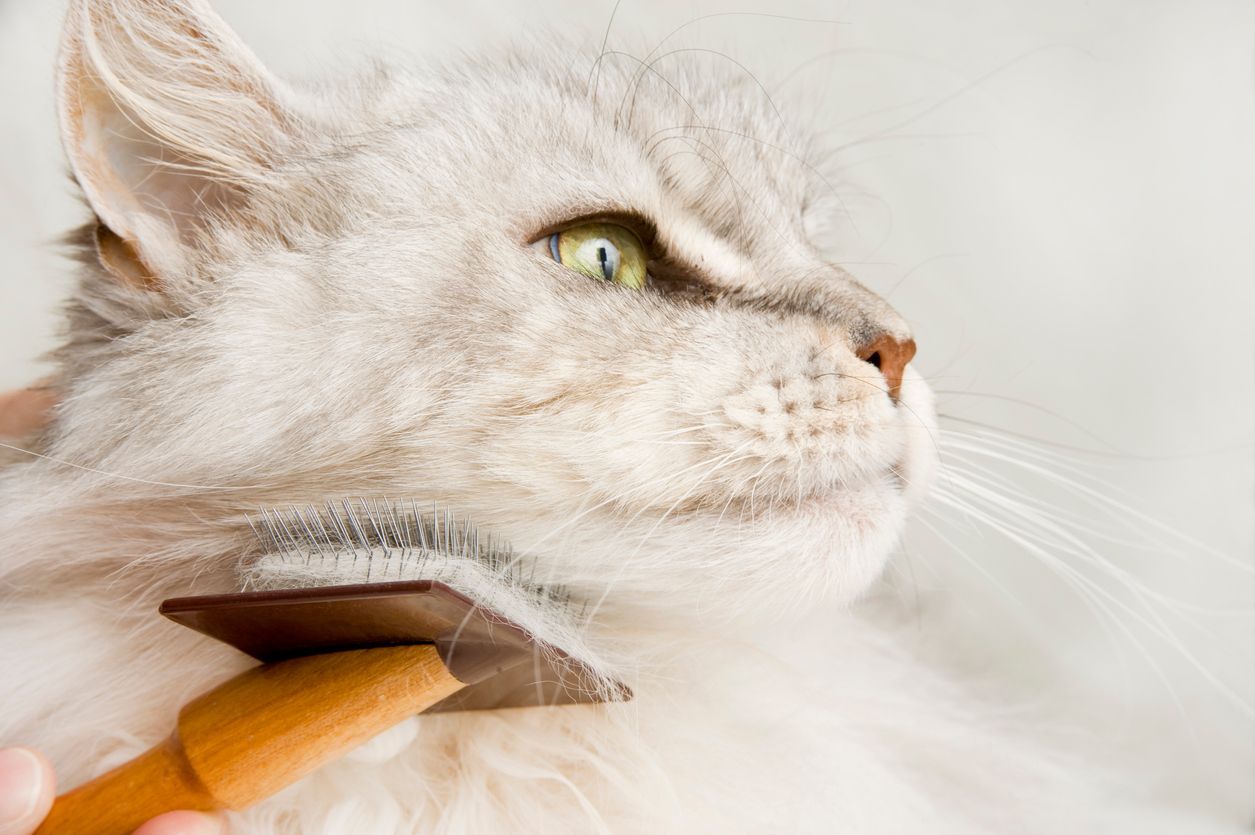
Use a soft cat brush. Brushing removes loose flakes and spreads natural oils. Stop if your cat has sore skin or reacts with pain.
- Improve indoor moisture
A clean humidifier may help during dry weather. Keep it away from your cat, change the water often, and clean it as directed to limit mold and bacteria.
- Feed a complete diet
Choose food labeled complete and balanced for your cat’s life stage. Avoid sudden food changes. If you suspect a food allergy, ask your veterinarian about a structured diet trial.
- Keep flea control current
Use only flea products made for cats and matched to your cat’s weight. Never use a dog flea product on a cat unless a veterinarian specifically confirms it is safe. Products containing permethrin can be toxic to cats.
- Support comfortable grooming
Help older or heavy cats with short brushing sessions. A low step, warm bed, and easy access to food and water can also help a stiff cat move and groom more comfortably.
- Check the skin weekly
Part the fur in bright light. Look for redness, scabs, sores, swelling, parasites, or new bald spots. Early changes are easier to treat than advanced skin disease.

What not to use on flaky cat skin
Many human skin products are unsafe for cats. Cats lick their fur, so anything placed on the skin may enter the mouth.
Avoid:
• Human dandruff shampoo
• Essential oils
• Tea tree oil
• Scented lotions
• Alcohol-based sprays
• Hydrogen peroxide
• Human steroid creams
• Unapproved flea treatments
Do not bathe your cat often unless your veterinarian recommends it. Frequent bathing can remove protective oils and increase dryness. If a medicated shampoo is needed, use the exact product and schedule provided by the veterinary team.
One common mistake is treating flakes as the main disease. Flakes are a sign, much like a cough. Removing them may improve the coat for a short time, but it will not cure fleas, mites, infection, or allergies.

When should a veterinarian examine your cat?
A veterinarian should check your cat if the flakes last more than a week or two, return often, or appear with other symptoms. Some causes require skin tests, flea treatment, prescription medicine, or blood work.
Arrange an appointment soon if you notice:
• Severe itching or constant licking
• Bald patches or broken hairs
• Red, painful, or swollen skin
• Scabs, open sores, or bleeding
• Greasy fur or a strong odor
• Flakes that seem to move
• Ear discharge or frequent head shaking
• Weight loss, vomiting, or low energy
Seek prompt veterinary care if your cat stops eating, seems very weak, has widespread skin wounds, or may have been exposed to a toxic product.
During an exam, the veterinarian may inspect the coat, use a flea comb, examine skin samples, test for ringworm, or recommend blood tests. The right test depends on your cat’s age, symptoms, history, and physical findings.

How veterinarians treat dry skin flakes
Treatment depends on the cause of why does my cat have dry skin flakes. A cat with dry indoor skin may need simple environmental support, while a cat with mites may need a specific parasite medicine.
Possible treatments include:
• Cat-safe flea and mite control
• Prescription antifungal medicine
• Antibiotics for certain bacterial infections
• Allergy management
• A supervised food trial
• Pain control for arthritis or dental disease
• Treatment for thyroid, kidney, liver, or other illness
Your veterinarian may also suggest a cat-safe shampoo, coat rinse, or fatty acid supplement. Do not stop treatment early just because the flakes improve. Skin often needs time to recover, and stopping too soon can allow the problem to return.
It is also useful to know that not every skin issue has a fast answer. Allergies may require several steps to identify, and some cats have more than one cause at the same time.

Prevention tips for a healthy coat
You may not prevent every case of why does my cat have dry skin flakes, but steady care lowers the risk and helps you notice changes early.
Try these habits:
• Feed a complete and balanced cat diet
• Keep fresh water available
• Brush based on coat length and comfort
• Use reliable, cat-safe parasite prevention
• Keep bedding clean and dry
• Avoid smoke, strong fragrances, and harsh cleaners
• Schedule routine veterinary exams
• Weigh your cat from time to time
• Watch older cats for pain or grooming changes
A healthy coat is not always perfectly shiny. Some cats naturally have a little visible dander, especially after shedding. The key is to notice a change from your cat’s normal skin and coat.
In my experience with common cat-care questions, owners often notice flakes first on a dark blanket. That small clue can be helpful, but it should lead to a calm skin check rather than panic. The safest lesson is simple: observe the whole cat, not only the flakes.
Frequently Asked Questions
Why does my cat have dry skin flakes but no itching?
Mild dry air, normal shedding, or reduced grooming can cause flakes without itching. If the flakes continue, spread, or become greasy, a veterinarian should rule out infection, parasites, or another skin problem.
Can dry cat food cause dry skin flakes?
Dry food does not automatically cause flaky skin when it is complete and balanced. However, a poor diet, low water intake, food allergy, or another health issue may affect the coat.
Should I bathe my cat to remove dry skin flakes?
Usually, no. Frequent bathing can worsen dryness, and many human shampoos are unsafe for cats. Ask your veterinarian before using a cat shampoo, especially if the skin is red or sore.
Are dry skin flakes in cats a sign of fleas?
They can be, especially when your cat is itchy, has scabs, or chews near the tail and lower back. Fleas are not always easy to see, so a veterinary-approved prevention plan may still be needed.
Can cat dandruff spread to people?
Some causes, such as ringworm and certain mites, can spread to people or other pets. Wash your hands after handling irritated skin and contact a veterinarian if your cat has circular hair loss, crusts, or moving flakes.
Is coconut oil safe for a cat’s flaky skin?
Coconut oil is not a reliable treatment for the cause of flaky skin. Cats may lick it, and too much can cause stomach upset or add unwanted calories, so discuss skin products with your veterinarian first.
How long does it take for cat flakes to go away?
Simple flakes from dry air may improve within one to two weeks after care changes. Flakes caused by parasites, infection, allergies, or illness usually need targeted treatment and may take longer to resolve.
Conclusion
The answer to why does my cat have dry skin flakes may be as simple as dry indoor air or poor grooming, but fleas, allergies, infections, and medical conditions are also possible. Check for itching, redness, hair loss, odor, sores, and changes in appetite or energy.
Start with gentle brushing, safe parasite prevention, balanced food, and a comfortable home environment. Do not use human products or guess at supplements. If the flakes persist or come with other symptoms, book a veterinary exam so your cat can receive the right treatment.
Your careful observation can make a real difference. Keep track of changes, share photos with your veterinarian, and explore more trusted cat health resources to support a clean, comfortable coat.