Why Does My Cat Have Dry Skin On Her Back: Causes And Care
Your cat may have dry skin on her back because of low humidity, allergies, parasites, poor grooming, or an underlying health problem.
Wondering why does my cat have dry skin on her back can be worrying, especially when you notice flakes, dandruff, or rough fur. In many cases, the cause is mild and treatable, but skin changes can also point to fleas, mites, allergies, pain, or illness. This guide explains the common causes, safe home steps, warning signs, and when your cat needs veterinary care.
What dry skin on a cat’s back looks like
Dry skin means the skin has lost some of its natural moisture and protective oils. You may see white flakes, small scales, dull fur, or rough patches along your cat’s back.
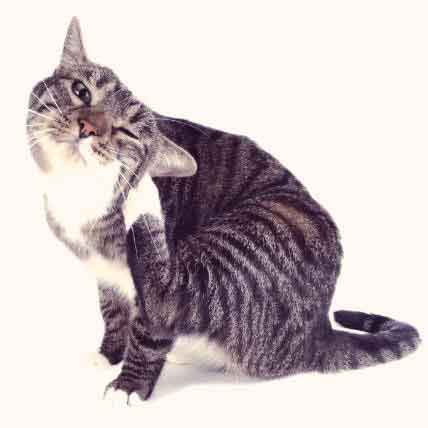
Some cats also scratch, lick, bite, or rub the area. Others show no clear discomfort at all. Cats often hide pain, so a small change in grooming or behavior matters.
Signs can include:
• White flakes that look like dandruff
• Dry, scaly, or thick skin
• A dull or greasy coat
• Small scabs or red spots
• Hair loss or thin fur
• Frequent scratching or licking
• Mats that form near the back or tail
• A strong skin odor
If you are asking why does my cat have dry skin on her back, first check whether the skin is simply flaky or whether it is also red, sore, swollen, or losing hair. The second group of signs is more likely to need professional care.

Why does my cat have dry skin on her back?
The answer may involve the environment, grooming, parasites, food, allergies, or health conditions. The back is a common place to notice skin problems because it is easy to see, yet some cats cannot groom this area well.
Low humidity and dry air
Indoor heating in winter can dry the air. Air conditioning can have a similar effect. Your cat’s skin may then become flaky, much like human skin after a long day in cold, dry weather.
This cause is more likely when:
• The problem began during winter
• Your home has forced-air heat
• Your cat has no itching or redness
• The flakes are small and spread across the coat
A humidifier may help, but keep it clean. A dirty humidifier can release mold or bacteria into the air.
Poor grooming
Healthy cats spend a large part of the day grooming. Their tongue spreads natural oils through the coat and removes loose skin cells.
Older, overweight, arthritic, or painful cats may groom less. A cat with dental pain may also stop grooming well. As a result, dry skin and loose fur can collect along the back.
This is one reason why does my cat have dry skin on her back may be linked to mobility rather than a skin disease. Look for other clues, such as trouble jumping, stiffness, weight gain, or mats.
Fleas and flea allergy dermatitis
Fleas are a very common cause of itching and skin irritation in cats. You may not see live fleas because cats can remove them while grooming. One flea bite can cause intense itching in a sensitive cat.
Flea dirt looks like tiny black grains. Place suspected debris on a damp white paper towel. If it leaves a reddish-brown stain, it may contain digested blood from fleas.
Flea allergy can cause:
• Scratching near the back or tail base
• Small scabs
• Hair loss
• Biting at the skin
• Red bumps
• Restlessness
Never use a dog flea product on a cat unless a veterinarian confirms it is safe. Products containing permethrin can be life-threatening to cats.
Mites and other parasites
Some mites can cause heavy scaling, itching, and hair loss. Cheyletiella mites are sometimes called “walking dandruff” because the flakes may seem to move. Ear mites can also lead to skin irritation if your cat scratches around the head and neck.
Ringworm is not a worm. It is a fungal infection that can cause scaly skin and broken hairs. It can spread to people and other pets, so a cat with circular bald spots or crusty patches should be checked by a veterinarian.
Allergies
Cats may react to flea bites, food ingredients, pollen, dust, mold, or household products. Allergies often cause itching more than simple dryness.
Possible signs include:
• Repeated licking
• Scabs around the neck or back
• Ear infections
• Red skin
• Hair loss from overgrooming
• Recurrent skin problems
Food allergies can happen even after years of eating the same food. A vet may suggest a strict elimination diet. This diet must be followed carefully, since treats and flavored medicines can affect the result.
Diet and poor nutrition
A balanced, complete cat food usually provides the nutrients needed for healthy skin and fur. Cats that eat an incomplete diet may lack key nutrients, including certain fatty acids, protein, zinc, or vitamins.
Dry skin alone does not prove that your cat needs supplements. Too much of some nutrients can cause harm, and human supplements may contain unsafe ingredients.
Ask a veterinarian before adding fish oil or another supplement. A vet can help choose a cat-safe product and the right dose.
Overbathing or harsh products
Most cats do not need frequent baths. Repeated bathing can remove protective oils and leave the skin dry. Human shampoo, dish soap, scented sprays, and essential oils can irritate feline skin.
If a bath is needed, use a gentle cat shampoo recommended by a veterinary professional. Rinse well and dry your cat in a warm, calm room.
Pain, arthritis, or obesity
A cat may stop grooming the middle or lower back because bending hurts. Arthritis is common in older cats, but it can affect younger cats too.
Extra body weight can also make grooming hard. In these cases, the dry coat is a clue that your cat may need help with movement, weight, or pain control.
Medical conditions
Less often, dry skin connects to a medical problem. Possible causes include dehydration, diabetes, kidney disease, liver disease, hormonal disorders, and other conditions.
These illnesses usually cause more than flakes. You may notice changes in thirst, urination, appetite, weight, energy, or coat quality. This is why does my cat have dry skin on her back should not be viewed as only a cosmetic issue when other symptoms appear.

How to check your cat’s back safely
A calm skin check can help you describe the problem to your veterinarian. Choose a quiet time when your cat is relaxed.
Follow these steps:
- Part the fur with your fingers in bright light.
- Look for redness, scabs, bald spots, swelling, or tiny black specks.
- Check the skin near the tail base, neck, and sides.
- Notice whether the coat is dry, oily, matted, or smelly.
- Watch for scratching, licking, biting, or pain.
- Take clear photos so you can track changes.
Do not scrape, squeeze, or pick at scabs. Do not force your cat to stay still. A frightened cat may scratch or bite, and stress can make the examination harder.
A flea comb can help find flea dirt. Comb over a white towel or paper and inspect the debris. Even if you find nothing, fleas are not fully ruled out.

Safe home care for mild dry skin
If your cat has mild flakes but no redness, sores, severe itching, or behavior changes, simple care may help.
Try these steps:
• Brush gently with a soft cat brush
• Keep fresh water available at all times
• Feed a complete and balanced cat diet
• Use a clean humidifier during very dry weather
• Wash bedding with fragrance-free detergent
• Avoid essential oils and scented sprays
• Keep flea prevention current
• Reduce stress and provide a quiet resting place
Brush slowly and stop if your cat seems uncomfortable. Brushing can remove flakes, but it will not cure fleas, allergies, mites, infection, or disease.
One practical lesson many cat caregivers learn is that “natural” does not always mean safe. Coconut oil, tea tree oil, vinegar, and human skin creams may cause stomach upset, toxicity, or more irritation if your cat licks them.

When to call the veterinarian
Make an appointment if the dry skin lasts more than a week or two, keeps returning, or is getting worse. A vet visit is also wise if your cat scratches often or develops bald patches.
Seek prompt veterinary care for:
• Open sores or bleeding
• Pus, swelling, or a strong odor
• Severe itching
• Rapid hair loss
• Pain when touched
• Extreme tiredness
• Vomiting or poor appetite
• Increased thirst or urination
• Sudden weight loss
• Trouble walking or grooming
Contact a veterinarian quickly if you suspect a toxic flea product or essential oil exposure. Do not wait for symptoms to become severe.
During the visit, the veterinarian may inspect the coat, use a flea comb, examine skin samples, test for fungus, or recommend blood work. The right test depends on your cat’s age, signs, history, and examination.

How veterinarians diagnose dry skin
There is no single test that explains every case of why does my cat have dry skin on her back. Diagnosis often begins with detailed questions.
Your vet may ask:
• When did the flakes begin?
• Has your cat been scratching or licking?
• What food and treats does she eat?
• Which flea products have you used?
• Have you changed cleaners, litter, or shampoo?
• Has her weight, thirst, or appetite changed?
• Does she have pain or trouble grooming?
The vet may then perform:
• A full skin and coat examination
• Flea combing
• Skin scraping for mites
• Fungal testing
• Cytology to look for bacteria or yeast
• Blood or urine tests
• A carefully supervised food trial
Treatment depends on the cause. It may include parasite control, medication for infection, allergy care, pain treatment, diet changes, or support for another illness.
Avoid treating by guesswork. A steroid cream may reduce redness while allowing an infection to continue. A supplement may also hide the signs without fixing the cause.
How to prevent dry skin from returning
Prevention begins with regular observation. Check your cat’s coat during normal petting so small changes do not go unnoticed.
Helpful habits include:
- Use veterinarian-approved flea prevention year-round when advised.
- Brush according to your cat’s coat type.
- Keep your cat at a healthy weight.
- Schedule routine wellness exams.
- Feed a complete and balanced diet.
- Keep litter boxes and bedding clean.
- Avoid sudden changes in food or household products.
- Watch older cats for pain and reduced grooming.
- Keep indoor air comfortable but not overly humid.
- Record recurring skin flare-ups and possible triggers.
A simple photo log can be useful. Take a picture once a week in similar lighting. This helps you see whether the skin is improving, staying the same, or spreading.

Common mistakes to avoid
When people search why does my cat have dry skin on her back, they often find quick home remedies. Some are harmless, but others may delay care or hurt the cat.
Avoid these mistakes:
• Using dog flea medicine on a cat
• Applying essential oils to the coat
• Using human dandruff shampoo
• Scrubbing flaky skin
• Giving human allergy medicine without advice
• Adding supplements without checking the dose
• Assuming every bald patch is ringworm
• Waiting when sores or severe itching are present
Do not shave the area unless a veterinary professional recommends it. Shaving can stress your cat and may expose sensitive skin to sun, cold, or further irritation.

Frequently asked questions
Why does my cat have dry skin on her back but no itching?
Dry air, mild grooming problems, or a coat that needs brushing can cause flakes without strong itching. If the problem continues, a veterinarian should check for parasites, allergies, or illness.
Can dry cat skin be caused by fleas?
Yes. Flea bites can cause skin irritation and allergy, especially around the back and tail base. You may not see fleas, so ask your veterinarian about safe, cat-specific prevention.
Should I put coconut oil on my cat’s dry skin?
It is best not to apply coconut oil without veterinary advice. Cats may lick it, and it can cause stomach upset or make the coat greasy while the real cause remains untreated.
Can a poor diet cause dry skin in cats?
An incomplete or unbalanced diet may affect the skin and coat. Most complete commercial cat foods provide needed nutrients, but diet changes and supplements should be discussed with a veterinarian.
Is dry skin on a cat’s back an emergency?
Mild flakes alone are usually not an emergency. Redness, pain, open sores, severe itching, sudden hair loss, weakness, appetite loss, or changes in thirst require prompt veterinary advice.
Can indoor cats get skin parasites?
Yes. Indoor cats can still encounter fleas and other parasites through people, other pets, buildings, or brief outdoor contact. Regular prevention may be appropriate based on your veterinarian’s advice.
How can I moisturize my cat’s dry skin?
Do not use human lotions or oils. Support healthy skin with fresh water, balanced food, gentle brushing, suitable humidity, and treatment for the actual cause if one is found.
Conclusion
Dry skin on a cat’s back may come from dry air, reduced grooming, fleas, mites, allergies, diet, harsh products, pain, or an underlying illness. Mild flakes may improve with gentle brushing and better home care, but ongoing or severe signs deserve a veterinary examination.
Watch your cat’s skin, coat, appetite, energy, and grooming habits together. If you are still wondering why does my cat have dry skin on her back, take a photo, note any changes, and contact your veterinarian for clear guidance. Share this guide with another cat parent, and explore more trusted feline health resources to help your cat stay comfortable.