Why Does My Cat Have Dry Patches: Causes & Care
Your cat may have dry patches from allergies, parasites, infection, dry air, poor grooming, or an underlying health problem.
If you are wondering why does my cat have dry patches, the answer is not always simple. Skin flakes, scabs, bald spots, and rough areas can look alike, but each sign may point to a different cause. This guide explains what to look for, what you can safely do at home, and when your cat needs a veterinarian.
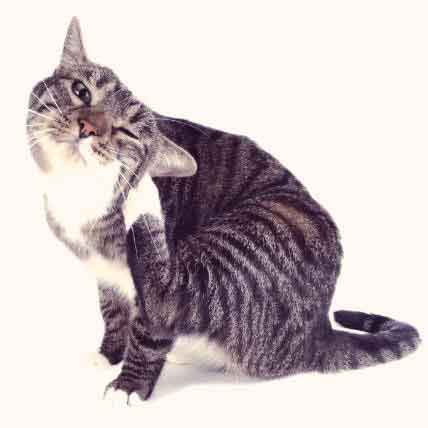
What do dry patches on a cat look like?
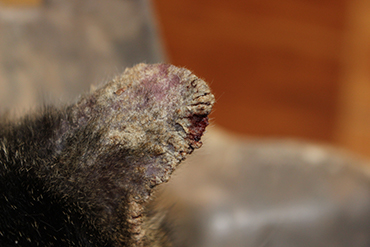
Dry patches are areas of skin that look flaky, scaly, crusty, or rough. They may appear with hair loss, redness, small scabs, or thick skin. Some cats scratch or lick the area, while others show no clear discomfort.
Dry patches may occur anywhere, but common sites include:
• The back and base of the tail
• The neck and head
• The belly and inner legs
• Behind the ears
• The paws
• The lower back
A small, dry spot may be mild. However, spreading patches, open sores, or repeated scratching need attention. Cats often hide pain, so skin disease can worsen before it becomes easy to notice.
The key to understanding why does my cat have dry patches is to study the whole pattern. Location, itching, hair loss, odor, age, diet, and recent changes all offer useful clues.
Common causes of dry patches in cats
Several problems can lead to dry skin in cats. Some are easy to manage, while others need prescription treatment.
Fleas and other parasites
Fleas are one of the most common causes of itchy skin. A cat may react strongly to just one flea bite, especially if it has a flea allergy. This can cause tiny scabs and dry patches along the back, neck, and tail base.
Ear mites may cause dark debris in the ears and intense scratching. Other mites can cause crusts, hair loss, and severe itching. Indoor cats are not fully protected because parasites can enter homes on people, other animals, clothing, or used furniture.
Never use a dog flea product on a cat unless a veterinarian confirms it is safe. Some dog products contain permethrin, which can be life-threatening to cats.
Allergies
Cats can develop allergies to flea bites, food, pollen, dust, mold, or household products. Allergy-related skin problems often cause itching, licking, redness, and scabs rather than simple dryness.
Food allergies may cause skin trouble around the face, ears, and neck. They can also cause vomiting or loose stool, but skin signs may occur without stomach problems. A proper food trial under veterinary guidance is more reliable than changing foods at random.
Ringworm
Ringworm is a fungal infection, not a worm. It may cause round areas of hair loss, scaling, broken hairs, or crusty skin. Some cats have little itching, so a calm cat can still have ringworm.
Ringworm can spread to people and other pets. Children, older adults, and people with weak immune systems may be more vulnerable. A veterinarian can confirm it with tests because ringworm may look like allergies or mites.
Bacterial or yeast infections
Bacteria can enter scratched or damaged skin and cause infection. Yeast can also grow when the skin barrier is weak. Signs may include redness, moisture, crusts, swelling, odor, or discharge.
These infections often develop because of another problem, such as fleas or allergies. Treating only the infection may bring short-term relief while the original cause remains.
Dry air and environmental irritation
Indoor heating and low humidity can dry the skin, much like winter air dries human hands. Harsh shampoos, scented sprays, laundry products, and dusty litter may also irritate sensitive skin.
This cause is more likely when the patches are mild, widespread, and not very itchy. Still, environmental dryness should not be assumed if your cat has bald spots, scabs, or worsening lesions.
Poor grooming or excess grooming
Older, overweight, painful, or arthritic cats may struggle to groom certain areas. Their coat can become dull, tangled, and flaky.
The opposite can also happen. A stressed or itchy cat may lick one area so much that the hair breaks and the skin becomes dry. This behavior is called overgrooming and can be linked to pain, allergies, parasites, or stress.
Nutrition and health conditions
A poor diet can affect the coat, especially if it lacks balanced nutrients. Most complete commercial cat foods provide the nutrients healthy cats need, so supplements are not always the answer.
Illnesses such as diabetes, thyroid disease, kidney disease, or immune problems may affect the coat and skin. These causes are less common than fleas or allergies, but they matter more in older cats or cats with weight loss, thirst, vomiting, or low energy.
How to tell what may be causing the dry patches
You cannot diagnose every skin problem by appearance alone. Still, a few clues can help you decide how quickly to seek care.
• Small scabs on the back or tail base may suggest fleas or flea allergy.
• Round bald spots with scaling may suggest ringworm.
• Dark ear debris with head shaking may suggest ear mites or an ear infection.
• Red, moist, or smelly skin may suggest infection.
• Dry flakes without much itching may relate to low humidity or poor grooming.
• Patches on the face or paws may occur with allergies, infection, or irritation.
• Repeated licking of one spot may point to itch, pain, or stress.
Photograph the area in good light. A daily photo can show whether the patch is spreading. You can also note changes in food, litter, cleaning products, medication, and contact with other animals.
A common mistake is to treat the visible patch while ignoring the trigger. For example, a soothing cream may reduce scaling, but fleas can keep causing new lesions. The skin is often the messenger, not the whole problem.
What a veterinarian may do
A veterinarian will examine the skin, coat, ears, mouth, and general health. They may ask about diet, parasite prevention, grooming, travel, household changes, and contact with other pets.
Common tests include:
- Flea combing to look for fleas or flea dirt
- Skin scraping to check for mites
- Hair or skin testing for ringworm
- Cytology to look for bacteria or yeast
- Blood tests when illness, allergy, or organ disease is possible
- A controlled diet trial for suspected food allergy
Testing matters because many skin diseases look similar. A patch that appears dry could actually be an infection, parasite problem, or early ringworm.
Veterinary guidance also helps avoid unsafe home remedies. Essential oils, human creams, steroid products, and some natural treatments can harm cats if licked or absorbed through the skin.

Safe things you can do at home
If the patch is small and your cat seems well, you can take a few gentle steps while arranging advice.
• Keep the area clean and dry. Do not scrub or peel crusts.
• Use a flea comb, especially around the neck and tail base.
• Wash bedding and vacuum areas where your cat sleeps.
• Avoid scented sprays, harsh cleaners, and new grooming products.
• Keep your cat indoors while the cause is unclear.
• Take clear photos to track changes.
• Prevent licking if your veterinarian recommends a safe collar or covering.
• Feed a complete and balanced cat food.
Do not bathe your cat repeatedly. Frequent bathing can remove natural oils and make dry skin worse. Never apply coconut oil, tea tree oil, alcohol, hydrogen peroxide, or human lotion without veterinary advice.
If you have more than one pet, ask your veterinarian whether all animals need parasite testing or treatment. Treating only the visibly affected cat may allow parasites or infection to continue spreading.

Treatment depends on the cause
Treatment for dry patches may include prescription or veterinary-approved products. The right plan depends on the diagnosis.
Possible treatments include:
• Flea control for the cat and the home
• Antifungal medication for ringworm
• Anti-parasite medicine for mites
• Antibiotics for selected bacterial infections
• Antifungal treatment for yeast infections
• Allergy control and itch relief
• A carefully managed food trial
• Pain treatment for arthritis or another painful condition
• Medicated shampoo when appropriate
Do not stop medicine early just because the skin looks better. Ringworm and some infections can return when treatment ends too soon. Follow the label and your veterinarian’s instructions closely.
Supplements may help some cats, but they are not a universal cure. Omega-3 fatty acids, for example, may support skin health in certain cases, but product quality and dose matter. Ask a veterinarian before adding supplements, especially if your cat takes other medicine.

When dry patches need urgent veterinary care
Some skin problems can wait for a routine visit. Others need prompt attention.
Contact a veterinarian soon if your cat has:
• Fast-spreading patches
• Open wounds, bleeding, or pus
• Severe itching or nonstop licking
• Facial swelling or trouble breathing
• Fever, weakness, or loss of appetite
• A painful, hot, or foul-smelling area
• Multiple bald spots
• Possible ringworm exposure
• Skin problems in a kitten or senior cat
• Weight loss, increased thirst, or repeated vomiting
Seek urgent help for breathing trouble, facial swelling, poisoning, collapse, or severe pain. These signs may indicate a serious allergic reaction or another emergency.
If you are still asking why does my cat have dry patches after several days of home care, it is time for a professional examination. Waiting too long can allow a small skin issue to become infected or spread to other animals.

Preventing future dry patches
Prevention starts with regular observation. Run your hands gently through your cat’s coat once a week and check the skin, ears, paws, and tail base.
Helpful habits include:
• Use veterinarian-approved flea prevention year-round when advised.
• Feed a balanced diet made for your cat’s life stage.
• Brush your cat based on its coat type.
• Keep litter boxes clean and use low-dust litter if irritation is a concern.
• Wash bedding often.
• Introduce new foods and products slowly.
• Keep stressful changes gradual.
• Schedule routine wellness exams.
Older cats deserve extra attention because arthritis, dental pain, and other illness can reduce grooming. A cat that suddenly looks unkempt may need more than a brush. It may need a health check.
One practical lesson is to avoid changing five things at once. If you switch food, litter, shampoo, and flea products together, you may not know what helped or caused irritation. Make one safe change at a time and keep notes.
Why does my cat have dry patches after a bath?
A bath can remove protective oils and leave the skin dry, especially if the shampoo is not made for cats. Human shampoo is often too harsh for feline skin and may cause irritation.
If the patches continue, become red, or cause itching, contact your veterinarian. Avoid bathing again until you know the cause.
Can dry patches on cats heal on their own?
Mild dryness from low humidity or a minor irritant may improve after the trigger is removed. However, parasites, ringworm, allergies, and infections usually need specific treatment.
A patch that spreads, itches, or causes hair loss should not be ignored. Early care is often simpler and less costly.
Why does my cat have dry patches but no itching?
Some conditions, including ringworm, mild dryness, and early skin disease, may cause little or no itching. Cats also hide discomfort well.
No itching does not rule out a medical problem. Watch for scaling, hair loss, odor, redness, or changes in the patch.
Are dry patches in cats caused by a vitamin deficiency?
A nutrient deficiency is possible but is not the most common cause when a cat eats a complete, balanced diet. Fleas, allergies, infection, and grooming problems are more frequent explanations.
Do not give human vitamins or large doses of supplements. Some can be toxic to cats, so ask a veterinarian first.
Why does my cat have dry patches near the tail?
Dry patches near the tail base often occur with fleas or flea allergy. Cats may develop tiny scabs and intense irritation after only a few bites.
Check with a flea comb and ask your veterinarian about safe flea control. Treating the home may also be needed.
Can I put lotion on my cat’s dry skin?
Do not use human lotion unless a veterinarian specifically approves it. Cats lick their fur, and some ingredients can cause stomach upset, skin irritation, or poisoning.
A veterinarian can recommend a cat-safe product if moisture support is needed.
Can stress cause dry patches in cats?
Stress can lead to overgrooming, which may create bald or dry-looking areas. Yet stress should be considered only after medical causes such as fleas, allergies, pain, and infection are checked.
Provide quiet resting spots, steady routines, and safe hiding places. A veterinarian can help if overgrooming continues.
Why does my cat have dry patches that keep coming back?
Recurring patches often mean the underlying trigger has not been fully controlled. Fleas, allergies, ringworm, chronic infection, and pain can all cause repeated skin trouble.
A detailed exam and testing may be needed. Keep a record of symptoms, treatments, diet, and household changes to help find the pattern.
Conclusion
Why does my cat have dry patches? Common causes include fleas, allergies, parasites, ringworm, infection, dry air, grooming problems, and less often, nutritional or internal disease. The appearance alone cannot confirm the cause, so spreading patches, scabs, bald areas, odor, or ongoing itching deserve veterinary advice.
Start by taking a photo, checking for recent changes, avoiding harsh products, and using only cat-safe parasite control. With early care and the right diagnosis, most skin problems can be managed well. If your cat has dry patches, contact your veterinary clinic for guidance and share this article with another cat parent who may need it.