Why Does My Cat Only Eat Pate: Causes And Solutions
Your cat may only eat pâté because its soft texture, strong smell, and easy-to-chew form feel safest and most appealing.
If you are wondering why does my cat only eat pâté, you are not alone. Many cats prefer smooth wet food due to taste, texture, dental comfort, past habits, or mild health changes. This guide explains the most likely reasons, how to check for warning signs, and how to offer a balanced diet without turning mealtime into a battle.

Why does my cat only eat pâté?
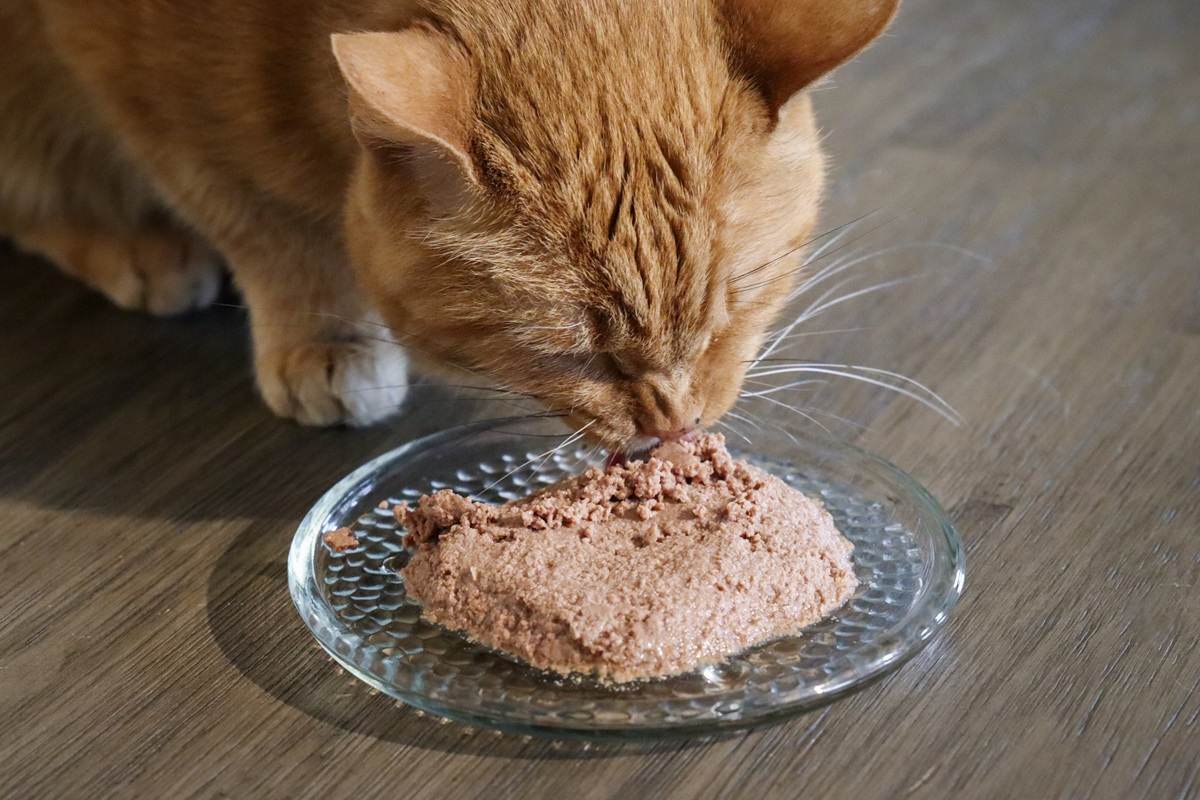
Pâté is a smooth cat food made from finely ground meat, fish, organs, broth, and other ingredients. It has a soft texture and often gives off a strong smell, which can make it very attractive to cats.
Cats are natural hunters. They often prefer foods that smell like fresh meat and feel easy to tear or swallow. Pâté can resemble the soft texture of prey, while dry food may seem hard, bland, or less fresh.
The answer to why does my cat only eat pâté often comes down to preference. Still, a sudden change in eating habits deserves more attention than a lifelong preference.
A cat that has always loved pâté may simply be selective. A cat that used to eat chunks or kibble but now refuses them may have mouth pain, nausea, or another health concern.
Common reasons cats prefer pâté
Pâté has a soft, smooth texture
Some cats dislike the feel of shredded meat, chunks, or gravy in their mouths. Pâté is even and consistent, so every bite feels the same.
This can help cats that are cautious eaters. They do not need to pull apart pieces or chew tough bits. The smooth texture may also suit older cats with less chewing strength.
Pâté smells stronger
Wet food usually has more moisture than dry food. Its scent becomes stronger when it is served at room temperature or warmed slightly.
Smell matters greatly to cats. If a cat has a blocked nose or a weaker sense of smell, strong-smelling pâté may be easier to notice than dry kibble.
Your cat learned this preference
Cats build food habits through repetition. If your cat received pâté during kittenhood, illness, or a stressful move, it may connect that food with comfort and safety.
Food preference can become like a favorite chair. Once a cat feels secure with one texture, it may resist change.
Pâté is easier to eat
Cats with dental disease, sore gums, loose teeth, or mouth inflammation may avoid foods that need much chewing. Pâté can slide over tender areas with less discomfort.
This is one important reason why does my cat only eat pâté may have a medical answer. A cat does not always cry or paw at its mouth when dental pain is present.
Past nausea changed food preference
A cat that once felt sick after eating may develop a strong dislike for that food or texture. This is called a learned food aversion.
For example, if a cat ate dry food before vomiting, it may later avoid dry food. The cat may not understand the real cause, but it can link the smell or texture with feeling sick.
Pâté may be more filling
Wet food contains much more water than dry food. It can make a cat feel full while also adding fluid to the daily diet.
Some cats prefer the larger volume of wet food. Others enjoy the rich smell and taste of animal-based ingredients.
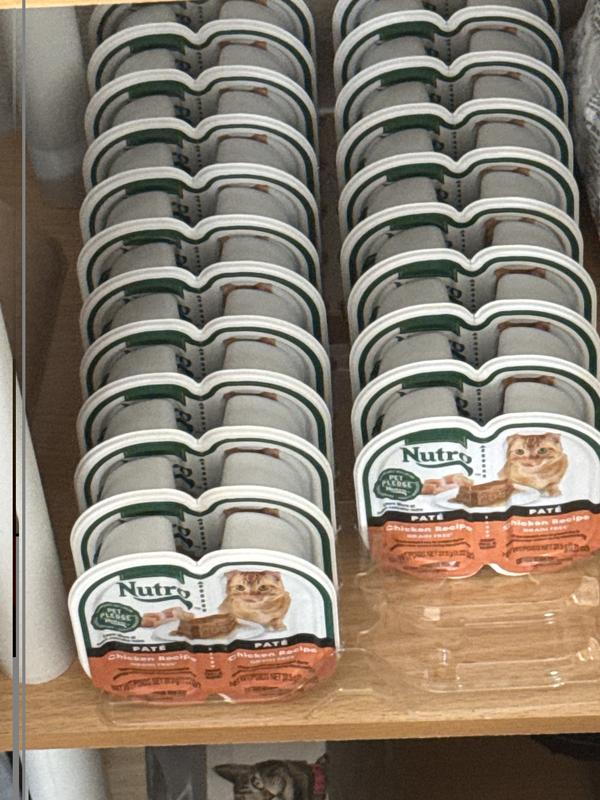
Is eating only pâté healthy for cats?
Eating only pâté can be healthy if the food is complete and balanced for your cat’s life stage. Look for a statement on the label showing that the food meets recognized nutritional standards for cats.
A complete diet should provide key nutrients such as:
• Animal-based protein
• Taurine
• Essential fatty acids
• Vitamins and minerals
• Suitable calories for your cat’s age and size
Not every canned pâté is a complete meal. Some products are labeled for supplemental or intermittent feeding only. These foods may be useful as treats, toppers, or short-term additions, but they should not replace a balanced diet.
Pâté is not automatically better than chunks, shreds, or dry food. The best choice depends on nutrition, calorie needs, medical status, and what your cat will eat consistently.
For many cats, a complete wet diet is a sound option. It may also help increase water intake, which can support urinary health. However, food alone cannot prevent every urinary or kidney problem.
If your cat eats only pâté and maintains a healthy weight, normal energy, and regular bathroom habits, the preference may not be a problem.

When a pâté preference may signal a health problem
A lifelong preference is usually less worrying than a sudden food change. Contact your veterinarian if your cat suddenly refuses familiar textures or eats much less than usual.
Watch for these signs:
• Dropping food from the mouth
• Chewing on one side
• Bad breath
• Pawing at the face
• Excessive drooling
• Weight loss
• Vomiting or diarrhea
• Low energy
• Hiding more than usual
• Drinking or urinating much more
• Trouble swallowing
Dental disease is common in adult and senior cats. Pain can make crunchy food difficult, but some cats will still eat soft food because hunger remains stronger than their discomfort.
Other possible causes include nausea, kidney disease, diabetes, thyroid disease, nasal congestion, and digestive problems. These conditions cannot be diagnosed from food preference alone.
Cats that stop eating completely need prompt veterinary advice. Going without food can place cats at risk of hepatic lipidosis, a serious liver condition, especially when they are overweight.
How to check whether your cat is truly selective
Start by observing the pattern rather than changing many things at once. Note what your cat eats, how much it eats, and how long meals take.
Ask yourself:
• Has this preference always been present?
• Does your cat refuse all non-pâté food or only certain brands?
• Does your cat lick the gravy but leave the chunks?
• Is your cat chewing normally?
• Has its weight changed?
• Are vomiting, diarrhea, or dental signs present?
A simple food diary can help. Record the food type, amount offered, amount eaten, and any symptoms for several days.
Also check the food label. A cat may seem to eat well but still receive too few calories if it only licks the surface. Measure portions and follow the feeding guide as a starting point, then adjust with veterinary advice.

How to transition your cat to another texture
If you want to add chunks, shreds, or dry food, move slowly. A sudden switch can cause refusal, stress, or stomach upset.
Use this gradual plan:
-
Serve the usual pâté first.
-
Add a very small amount of the new food beside it.
-
Keep the foods separate at first if your cat dislikes mixed textures.
-
Increase the new food only when your cat eats calmly.
-
Return to the last accepted amount if your cat refuses a meal.
Some cats prefer a clean separation between foods. Mixing a crunchy texture into pâté may make the entire bowl seem wrong to them.
You can also try warming wet food slightly. Warm food releases more aroma, but it should feel lukewarm, never hot. Stir it well and test the temperature before serving.
When introducing dry food, soften a few pieces with warm water. This can make the texture less harsh and create a bridge between pâté and kibble.
Do not starve your cat to force acceptance. Hunger may increase stress and can be dangerous if the cat stops eating.

Practical tips for feeding a pâté-loving cat
You do not have to change your cat’s texture preference if the diet is complete and your veterinarian is satisfied with its health.
These tips can make pâté feeding safer and easier:
• Feed measured portions to prevent weight gain.
• Split the daily amount into two or more meals.
• Use a clean, shallow dish to protect the whiskers.
• Remove uneaten wet food after about two hours at room temperature.
• Store opened food in the refrigerator in a sealed container.
• Warm refrigerated food slightly before serving.
• Keep fresh water available at all times.
• Brush your cat’s teeth if your veterinarian recommends it.
• Schedule dental checks as part of routine care.
A shallow ceramic or stainless-steel dish may work better than a deep plastic bowl. Some cats dislike strong smells left in plastic or the pressure of their whiskers against the sides.
One common mistake is changing brands, flavors, and textures all at once. If the cat refuses the meal, you will not know which change caused the problem. Small steps provide clearer answers.

Pâté, dry food, and dental health
Many people assume dry food cleans a cat’s teeth. Ordinary kibble does not reliably remove dental plaque because most cats swallow pieces whole or crush them briefly.
Dental diets made for oral care may offer more support because they are specially designed for chewing. Even then, they do not replace veterinary dental exams or professional cleaning when needed.
Pâté does not cause dental disease by itself. Dental problems are linked to plaque, tartar, inflammation, genetics, age, and individual health factors.
If your cat eats only pâté, focus on oral care rather than forcing dry food. Ask your veterinarian about tooth brushing, dental diets, oral rinses, and regular mouth checks.
A cat with painful teeth should receive treatment, not a tougher food. Changing texture may hide the symptom while the disease continues.

How much pâté should your cat eat?
The right amount depends on calorie density, body weight, age, activity, and health. Two cans of different pâté foods may contain very different calories.
Use the calorie information on the label. Then compare your cat’s body shape and weight over time.
A healthy cat should have:
• Ribs that can be felt under a thin layer of fat
• A visible waist when viewed from above
• A slight abdominal tuck from the side
Your veterinarian can provide a more precise calorie target. This is especially important for kittens, pregnant cats, senior cats, and cats with diabetes or kidney disease.
Avoid judging portions by the number of cans alone. Check the serving size and calories per can or gram.
What if your cat only eats one brand of pâté?
A cat that accepts only one brand may become vulnerable if the recipe changes or the product becomes unavailable. Still, forcing a broad diet too quickly can lead to food refusal.
Try offering a second complete pâté in a separate dish. Start with a similar flavor and texture. For example, move from chicken pâté to another chicken-based pâté before trying fish or chunky food.
Keep the original food available during early trials. Once your cat accepts the new option, you can slowly build a small rotation.
Some cats have food allergies or ingredient sensitivities. If a special diet has been prescribed, follow your veterinarian’s plan instead of adding random foods.
A real-life style example: why texture can matter
A common case involves an older cat that suddenly stops eating dry food but continues eating smooth pâté. The owner may think the cat has become “picky,” yet the real issue can be sore gums or a fractured tooth.
In situations like this, the cat is not being stubborn. It is choosing the food that hurts less. A veterinary exam can uncover dental disease, and treatment may restore interest in other foods.
The lesson is simple: when a food preference appears suddenly, look for a reason before treating it as a behavior problem. Food changes are often clues, not complaints.
Frequently Asked Questions
Why does my cat only eat pâté and not chunks?
Your cat may prefer pâté because it is smoother, easier to swallow, or stronger in smell. If the change is sudden, dental pain, nausea, or another health issue should be considered.
Is it okay if my cat eats only pâté?
Yes, if the pâté is complete and balanced and your cat maintains a healthy weight. Check the label and ask your veterinarian whether the food fits your cat’s age and medical needs.
Why does my cat only eat pâté but lick gravy from other food?
Your cat may enjoy the flavor and moisture of gravy but dislike chewing chunks. You can try finely minced food, mashed chunks, or a smoother texture while watching for mouth pain.
Should I force my cat to eat dry food?
No. Forcing dry food can create stress and may cause a cat to eat too little. If you need to change the diet, use a slow transition and never ignore a sudden loss of appetite.
Can pâté help my cat drink more water?
Yes. Wet pâté contains much more moisture than dry food, so it can increase daily water intake. It does not replace fresh drinking water or treatment for urinary and kidney disease.
Why does my cat only eat pâté after dental problems?
Soft food is often easier to eat when the mouth is sore. Dental disease can cause a cat to avoid crunchy food, so a veterinary dental exam is wise if the preference is new.
Conclusion
Why does my cat only eat pâté? In many cases, the answer is simple: pâté smells appealing, feels smooth, and is easy to eat. A complete and balanced pâté diet can support good health, but a sudden preference may point to dental pain, nausea, or another medical issue.
Check the label, track your cat’s appetite and weight, and make food changes slowly. If your cat stops eating, loses weight, or shows signs of pain, contact a veterinarian promptly. Share your cat’s favorite pâté experience or explore more cat nutrition resources to make every meal safer and more enjoyable.