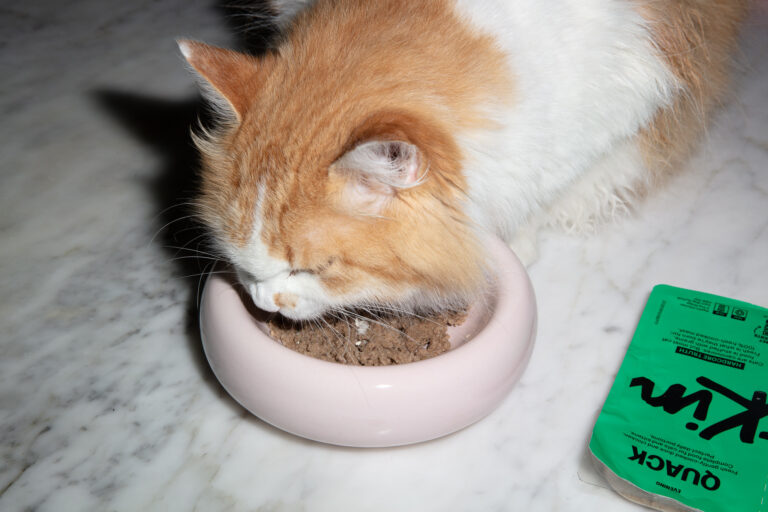
Why Is My Cat Suddenly Fussy With Food: Causes And Fixes
Your cat may suddenly fuss with food because of dental pain, illness, stress, food changes, or a learned preference.
If you are wondering, “why is my cat suddenly fussy with food,” the answer may be simple, but it should not be ignored. A cat that turns away from a favorite meal may be showing discomfort, stress, or an early health problem. This guide explains the common causes, warning signs, safe steps to try at home, and when to call your veterinarian.

Why Is My Cat Suddenly Fussy With Food?
Cats can be very selective eaters. They may reject a meal because its smell, texture, temperature, or taste has changed. However, a sudden appetite change can also point to pain or illness.
The key difference is timing. A cat that has always preferred one brand may simply have a strong food preference. A cat that suddenly refuses food after eating well for months deserves closer attention.
Common reasons include:
• Dental pain from gum disease, a broken tooth, or mouth sores
• Nausea, constipation, hairballs, or stomach upset
• Kidney disease, diabetes, thyroid disease, or another medical condition
• Stress caused by travel, guests, a new pet, noise, or household changes
• A recent change in food, bowl, feeding place, or feeding schedule
• Food that is stale, spoiled, too cold, or unpleasant
• A learned habit after receiving treats or table scraps
When people ask, “why is my cat suddenly fussy with food,” I first suggest looking at the whole picture. Is your cat refusing all food, or only one flavor? Is your cat drinking, using the litter box, and acting normally? These details help separate a food preference from a health concern.
Medical Causes of Sudden Food Fussiness
A cat may seem fussy when the real problem is that eating hurts or makes them feel sick. Cats are skilled at hiding pain. Their quiet behavior can make a small health problem look like simple stubbornness.
Dental pain
Dental disease is one of the most common hidden causes of appetite changes in cats. Inflamed gums, infected teeth, oral ulcers, and resorptive lesions can make chewing painful.
Watch for:
• Dropping food from the mouth
• Chewing on one side
• Pawing at the face
• Bad breath
• Drooling
• Choosing soft food over dry food
• Walking away after sniffing the bowl
Some cats still want to eat but cannot do so comfortably. This is why “why is my cat suddenly fussy with food” often has a dental answer, especially in middle-aged and older cats.
Nausea and stomach upset
Nausea can come from many causes. A hairball, sudden diet change, constipation, parasites, pancreatitis, or another digestive issue may reduce appetite.
A nauseated cat may sniff food, lick its lips, swallow often, or sit near the bowl without eating. Vomiting and diarrhea make the problem more urgent, especially if they continue.
Kidney, thyroid, liver, or other disease
Medical problems may change a cat’s appetite in different ways. Some cats eat less. Others become very hungry but lose weight. Kidney disease can cause nausea, increased thirst, and a dull appetite. Hyperthyroidism may cause weight loss despite a strong appetite.
Diabetes, liver disease, cancer, infections, and pain can also affect eating habits. A veterinarian may need a physical exam, blood work, urine testing, or dental examination to find the cause.
Medication side effects
Some medicines can cause nausea, dry mouth, or a change in taste. If your cat became fussy soon after starting a drug, contact your veterinarian. Do not stop prescribed medicine without professional advice.
Food and Feeding Reasons Your Cat May Reject a Meal
Not every food refusal means disease. Cats rely heavily on smell. Even a small change in a food’s scent can make it seem unfamiliar.
A new recipe or formula
Pet food companies may change recipes, ingredients, or manufacturing sites. The package may look the same, but the smell or texture may differ.
Try comparing the new food with an older can or bag if you still have one. Check the expiration date and look for a damaged package, odd color, or unusual smell.
Texture matters
Cats often have strong texture preferences. One cat may like pâté. Another may prefer chunks in gravy or shredded meat. Dry food can also vary in size, shape, hardness, and smell.
If your cat rejects a new texture, offer a gradual transition. Mix a small amount of the new food with the old food, then increase the new portion over seven to ten days. A slower change may be better for sensitive cats.
Food temperature and freshness
Refrigerated wet food may smell weak to your cat. Let it warm slightly before serving, but do not leave it out for long periods. Warm food can smell more appealing because heat releases its aroma.
Store dry food in a sealed container away from heat and moisture. Do not keep a large bag open for months if your cat eats only small amounts. Rancid fats can create an unpleasant smell and may reduce interest in the food.
Too many treats
Treats can teach a cat to wait for something better. This can happen when a worried owner offers several foods after a cat refuses dinner.
A small number of treats is usually fine, but treats should not replace balanced meals. If your cat is healthy and your veterinarian agrees, set regular meal times and remove uneaten food after a reasonable period.

Stress and Environmental Changes Can Affect Appetite
Cats are creatures of habit. A new sofa may not bother you, but a cat may see it as a major change to its safe space.
Stress can cause a cat to eat less or refuse food. Common triggers include:
• Moving to a new home
• Visitors or loud parties
• A new baby or pet
• Conflict with another cat
• Construction, fireworks, or loud appliances
• A dirty or crowded litter box
• Moving the food bowl
• Feeding near a dog, washer, or busy doorway
If you are asking, “why is my cat suddenly fussy with food,” think about what changed in the last few days. The change may be small, such as a different person filling the bowl or a new air freshener near the feeding area.
Create a calm feeding space. Keep food away from litter boxes and busy walkways. In homes with several cats, provide separate bowls and enough distance to reduce competition.
Pheromone products may help some stressed cats, but they are not a cure for illness. If your cat stops eating after a major household change, monitor closely and speak with your veterinarian if appetite does not return soon.
How to Tell Preference From a Health Problem
The pattern of refusal matters more than one missed meal. A healthy cat may reject one flavor but accept another. A sick cat may refuse every food, including favorite treats.
Use this simple check:
-
Note when the appetite change began.
-
Record the food your cat refuses and the food your cat accepts.
-
Check whether your cat is drinking normally.
-
Watch for vomiting, diarrhea, drooling, hiding, weakness, or breathing changes.
-
Check the litter box for urine and stool changes.
-
Weigh your cat if you can do so safely.
-
Call your veterinarian if the change continues or other signs appear.
A cat that eats only treats is not necessarily eating enough. Cats need proper nutrition, and small food tastes may hide a serious decline in total calorie intake.
Weight loss is especially important. Even gradual weight loss can become dangerous in cats. Cats that eat very little for several days may develop hepatic lipidosis, also called fatty liver disease. This risk is higher in overweight cats, but any cat with poor intake needs attention.

What to Do When Your Cat Is Suddenly Fussy With Food
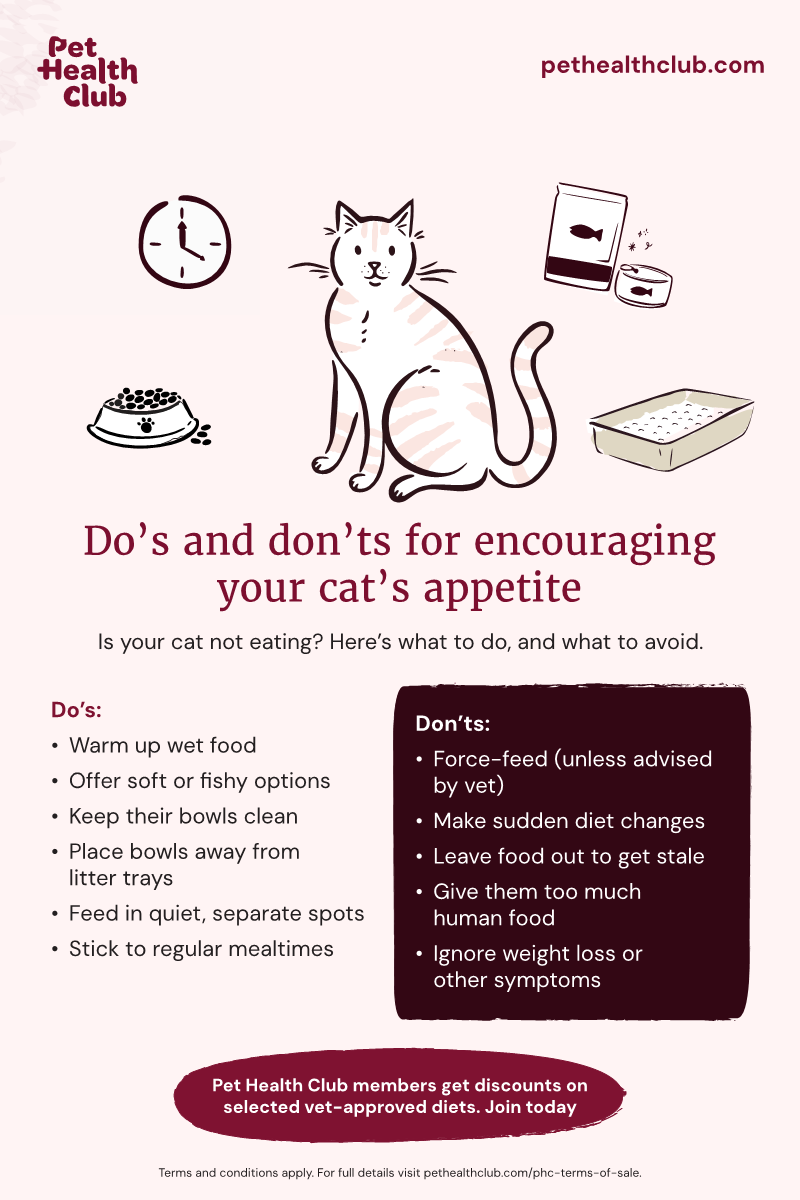
Once you have checked for warning signs, try gentle steps that make food easier and more appealing. Do not force food into your cat’s mouth. Force-feeding can increase stress and may cause food aversion or aspiration.
Try these safe measures:
• Offer the usual food first before introducing many new options.
• Serve wet food at room temperature or warm it slightly.
• Use a clean, wide, shallow dish if whisker contact seems bothersome.
• Feed in a quiet room away from pets and loud sounds.
• Offer small portions more often.
• Keep wet food refrigerated after opening and follow storage directions.
• Make diet changes slowly over about a week.
• Keep fresh water available in several easy-to-reach places.
• Ask your veterinarian before using broth, supplements, appetite stimulants, or homemade diets.
Never give onion, garlic, alcohol, chocolate, grapes, raisins, or foods sweetened with xylitol. These foods can be toxic to cats. Avoid human medicines as well, since common pain relievers can be deadly to cats.
If your veterinarian finds a health problem, follow the treatment plan closely. Dental treatment, nausea control, fluids, pain relief, or a prescription diet may restore appetite more effectively than trying new foods at home.

When to Call the Veterinarian
Call your veterinarian promptly if your cat refuses food and also shows signs of illness. Do not wait for the problem to become severe.
Seek urgent veterinary care if your cat:
• Has eaten little or nothing for about 24 hours
• Is vomiting repeatedly
• Has severe diarrhea or blood in vomit or stool
• Seems weak, collapsed, confused, or very painful
• Has trouble breathing
• Has yellow skin, gums, or the whites of the eyes
• Cannot urinate or keeps straining in the litter box
• Is losing weight quickly
• Is a kitten, senior cat, or has a known medical condition
A male cat that strains to urinate may have a urinary blockage. This is an emergency and can become fatal without quick treatment.
Your veterinarian may examine the mouth, abdomen, hydration level, and body weight. Blood tests, urine tests, X-rays, ultrasound, or a dental exam may be recommended based on the findings.
There is no single test that answers “why is my cat suddenly fussy with food” for every cat. A careful history is very useful, so write down food intake, symptoms, medications, and recent changes before the visit.

Common Mistakes Cat Owners Make
When a beloved cat refuses food, it is natural to panic. Many caring owners then offer a buffet of treats, switch foods repeatedly, or wait too long because the cat still seems bright.
Here are mistakes worth avoiding:
• Changing foods several times in one day
• Assuming a cat is fine because it is drinking water
• Ignoring bad breath or chewing changes
• Giving human medicine
• Force-feeding without veterinary instruction
• Waiting several days while the cat eats almost nothing
• Hiding medication in food without checking whether it creates food aversion
One useful lesson from cat care is that appetite is a health signal, not just a behavior issue. Treat the sudden change with patience, but take it seriously.
Also remember that online advice has limits. A feeding tip may help a healthy cat with a simple preference, but it cannot diagnose dental pain, kidney disease, pancreatitis, or an intestinal blockage.

How to Prevent Future Food Fussiness
You cannot control every appetite change, but you can make problems easier to spot and manage.
Keep your cat’s diet steady unless a veterinarian recommends a change. If you need to change food, use a gradual transition and keep notes about which flavors and textures your cat accepts.
Schedule routine veterinary exams. Adult cats often benefit from yearly checkups, while senior cats may need more frequent monitoring. Regular dental checks can also find painful problems before they greatly affect eating.
Helpful habits include:
• Measuring meals and tracking leftovers
• Weighing your cat from time to time
• Keeping food and water bowls clean
• Providing a quiet feeding area
• Offering safe enrichment and play
• Limiting treats to a small part of daily calories
• Keeping several days of familiar food at home
• Saving the food label and lot number in case of a product concern
These steps help you notice small changes early. In many cases, the answer to “why is my cat suddenly fussy with food” becomes clearer when you compare appetite with weight, behavior, bowel habits, and recent events.
Frequently Asked Questions About Why Is My Cat Suddenly Fussy With Food
Why is my cat suddenly fussy with food but still acting normal?
Your cat may dislike a food change, stale food, a new texture, or a feeding location. Still, cats can hide early illness, so contact your veterinarian if the change lasts more than a day or your cat eats very little.
Why is my cat suddenly fussy with food and losing weight?
Weight loss with reduced appetite can point to dental disease, nausea, kidney disease, thyroid disease, diabetes, or another medical problem. Arrange a veterinary exam soon rather than trying many foods at home.
Why is my cat suddenly fussy with food after changing brands?
A new brand may have a different smell, texture, fat level, or ingredient mix. Return to the familiar food if it is safe and available, then transition more slowly while watching for vomiting or diarrhea.
Can stress make a cat suddenly fussy with food?
Yes. Moving, loud noise, new pets, visitors, or conflict with another cat can reduce appetite. Give your cat a quiet feeding area, but seek veterinary advice if eating does not return quickly.
Should I worry if my cat skips one meal?
One missed meal may not be serious in an otherwise healthy adult cat, especially if the cat eats normally later. Repeated missed meals, very low intake, vomiting, pain, or unusual behavior should prompt a call to your veterinarian.
How can I encourage my cat to eat safely?
Offer familiar food in a clean, quiet place and warm wet food slightly to improve its smell. Avoid force-feeding, unsafe human foods, and frequent food changes unless your veterinarian gives specific instructions.
Conclusion
The answer to “why is my cat suddenly fussy with food” may be a simple preference, but it may also be dental pain, nausea, stress, or another health issue. Look at the full pattern: food intake, weight, drinking, litter box use, energy, and behavior.
Offer familiar food, keep the setting calm, and avoid risky home remedies. If your cat eats very little for about 24 hours or shows warning signs, contact a veterinarian promptly. Share your cat’s symptoms and food history at the visit, and explore more trusted cat-care resources to support healthier meals.