Why Do Cats Need Hydrolyzed Protein Cat Food: Vet Guide
Cats may need hydrolyzed protein to reduce immune reactions, itching, vomiting, and diarrhea linked to food allergies.
If you have wondered why do cats need hydrolyzed protein cat food, the answer starts with how the immune system sees food proteins. Hydrolyzed diets break proteins into very small pieces, which may help sensitive cats digest food with fewer allergic reactions. This guide explains when these diets help, how they work, how vets use them, and what mistakes to avoid.
What Is Hydrolyzed Protein Cat Food?
Hydrolyzed protein cat food contains proteins that have been split into tiny parts through a process called hydrolysis. Water and enzymes break large protein chains into smaller peptides. These pieces are often too small for the immune system to recognize as a threat.
Normal cat food may contain chicken, beef, fish, dairy, or other proteins. A cat with a food allergy may react to one or more of these ingredients. Hydrolyzed food aims to lower that reaction while still giving the cat important amino acids.
It is helpful to think of a protein as a long chain of beads. Hydrolysis cuts that chain into very small sections. The body can still use the pieces, but the immune system may be less likely to attack them.
Hydrolyzed protein is not the same as a novel protein. A novel protein diet uses a meat your cat has not eaten before, such as rabbit or venison. A hydrolyzed diet changes the size of the protein itself.
Why Do Cats Need Hydrolyzed Protein Cat Food?
The main reason why do cats need hydrolyzed protein cat food is to manage suspected food allergies or food related skin and digestive problems. Some cats react badly to a protein even when the food looks healthy and balanced.
A cat may develop an immune response to a food protein. This can lead to inflammation in the skin, ears, stomach, or intestines. Hydrolyzed protein may reduce exposure to the protein shape that causes the reaction.
Veterinarians may suggest a hydrolyzed diet when a cat has:
• Ongoing itching or overgrooming
• Repeated ear infections
• Red, sore, or crusty skin
• Vomiting without a clear cause
• Long-term soft stools or diarrhea
• Weight loss or poor body condition
• Inflammatory bowel disease
• Suspected food allergy
• Symptoms that do not improve with standard treatment
Food allergies are not the most common cause of every skin or stomach problem. Fleas, parasites, infections, stress, kidney disease, and other illnesses can cause similar signs. This is why a proper veterinary exam matters.
When people ask why do cats need hydrolyzed protein cat food, they often expect a simple answer. In reality, the food is usually part of a careful diagnostic trial rather than a universal daily need.
How Food Allergies Affect Cats
A food allergy occurs when the immune system reacts to a food ingredient. The reaction can affect the skin, digestive tract, or both. Even a small amount of the trigger may cause signs in a sensitive cat.
Food intolerance is different. It does not involve the immune system in the same way. For example, a cat may have trouble digesting a food because of its fat level, lactose content, or another feature.
Common signs of a food allergy include:
• Severe or repeated itching
• Hair loss from licking or chewing
• Small scabs around the neck or back
• Red skin or facial irritation
• Vomiting
• Diarrhea
• Frequent bowel movements
• Gas or abdominal discomfort
Cats can develop a food allergy after eating the same food for years. A long history of eating chicken, for example, does not prove that chicken is safe for that cat forever.
Food allergies can occur at any age. They may also appear alongside environmental allergies. This overlap can make diagnosis difficult without a controlled food trial.

How Hydrolyzed Protein May Help
Hydrolyzed protein food may help by lowering the chance that the immune system will recognize the protein as an allergen. The protein is not removed completely. Instead, it is changed into smaller fragments.
The level of hydrolysis differs between products. Some diets use highly broken-down proteins, while others use larger peptide fragments. A cat that reacts to one formula may not respond the same way to another.
Hydrolyzed food may also help the digestive tract in some cats. A diet with carefully selected ingredients can reduce exposure to several possible triggers at once. This may make it easier to see whether food plays a role in the illness.
Still, hydrolyzed protein is not a cure for every cat problem. It will not treat fleas, bacterial infections, kidney disease, or many other causes of itching and vomiting.
This is another important part of why do cats need hydrolyzed protein cat food: the diet can be a useful medical tool, but it should match a specific health goal.
Hydrolyzed Protein Cat Food and Elimination Diet Trials
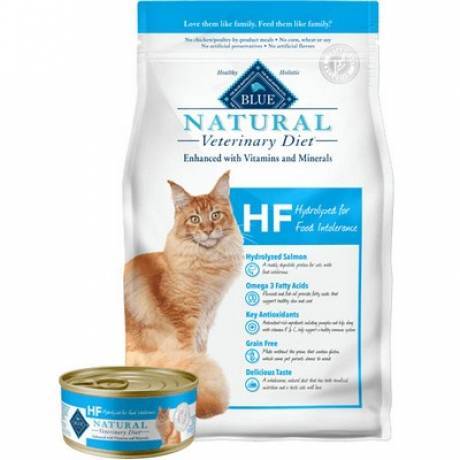
A food elimination trial is the most useful way to test for a food allergy. During the trial, the cat eats only the selected hydrolyzed diet for a set period. Many veterinary dermatologists recommend a trial of about eight to twelve weeks, depending on the symptoms.
The exact plan should come from your veterinarian. Some cats show digestive improvement sooner, while skin symptoms may take longer. The trial must be strict because even small amounts of another food can affect the result.
During a food trial:
- Feed only the prescribed diet.
- Remove treats, table scraps, flavored medicines, and supplements.
- Prevent access to other pets’ food.
- Keep a daily record of itching, vomiting, stool quality, and appetite.
- Follow the trial for the full time your veterinarian recommends.
- Ask your vet before adding any new food.
If the cat improves, the vet may reintroduce the old food. A return of symptoms can support the diagnosis of a food allergy. This step is called a rechallenge.
A diet trial is not reliable if the cat receives several foods at once. I have seen many well-meaning owners give one small treat during a trial and then wonder why the symptoms continue. The safest approach is to treat the trial like a medical test, not a casual food change.
Prescription Versus Over-the-Counter Hydrolyzed Cat Food
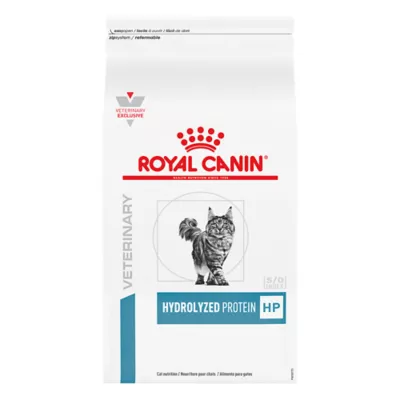
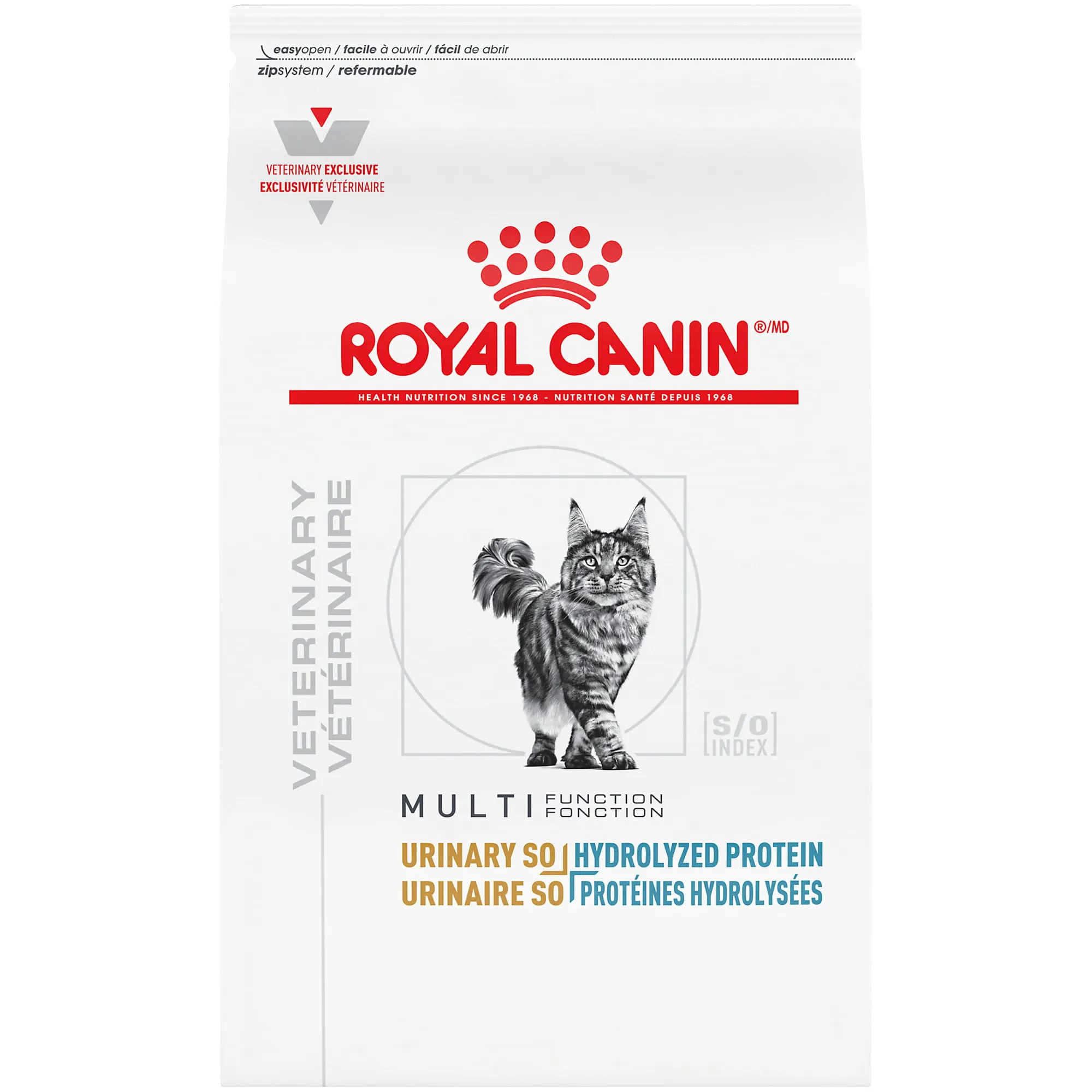
Most hydrolyzed protein cat foods used for allergy testing are veterinary prescription diets. These products are made for a specific medical purpose and often have strict quality controls.
Over-the-counter foods may use terms such as “sensitive,” “limited ingredient,” or “easy digestion.” These foods can be useful for some cats, but they are not always truly hydrolyzed. They may also contain several proteins or traces of ingredients not shown clearly on the label.
Prescription diets may offer:
• A more controlled protein source
• Smaller and more consistent protein fragments
• Better protection against cross-contact
• Complete and balanced nutrition
• Guidance from a veterinary team
This does not mean every prescription diet is perfect for every cat. Some cats dislike the flavor, and some may need a different formula. Cost can also be a concern.
When considering why do cats need hydrolyzed protein cat food, product accuracy matters. A veterinary diet used for diagnosis is different from a general “sensitive stomach” food sold in a pet store.
Benefits of Hydrolyzed Protein Cat Food
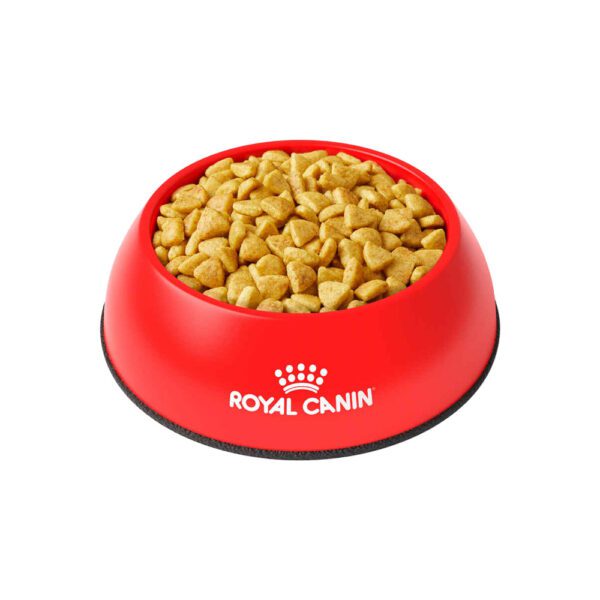
Hydrolyzed diets can offer several benefits when a veterinarian suspects a food allergy or certain digestive disorders.
May reduce allergy signs
Smaller protein fragments may lower immune system stimulation. This can reduce itching, skin inflammation, and repeated ear problems in some cats.
May improve digestion
Some cats have less vomiting or diarrhea when their diet contains a carefully selected protein source. Improved digestion may also help the cat maintain a healthier weight.
Can support a clear diagnosis
A strict diet trial gives the veterinarian useful information. It can show whether food is contributing to the cat’s symptoms.
May reduce ingredient confusion
A controlled diet can be easier to assess than food containing many meat sources, flavorings, and supplements. This is especially useful when a cat has eaten many different proteins.
Can provide complete nutrition
Veterinary hydrolyzed diets are designed to meet feline nutrient needs. This is important because cats require nutrients such as taurine, arachidonic acid, vitamin A, and specific amino acids.
These benefits do not appear in every cat. A successful outcome depends on the correct diagnosis, proper feeding, and the cat’s acceptance of the food.

Limitations and Possible Drawbacks
Hydrolyzed protein cat food has limits. It may not work if the food is not the true cause of the symptoms. It may also fail if the cat eats other foods during the trial.
Some common challenges include:
• High cost
• Strong or unusual taste
• Refusal to eat the new diet
• Loose stool during the transition
• Difficulty separating pets at mealtime
• Hidden ingredients in treats or medicines
• Symptoms caused by more than one condition
A cat must eat enough calories. Never starve a cat into accepting a new food. Cats that stop eating can develop hepatic lipidosis, a serious liver condition. Contact a veterinarian quickly if your cat refuses food, especially for more than a day.
Hydrolyzed diets may also have different textures and smells. Some are available as dry food, wet food, or both. If your cat rejects one form, ask the veterinary team whether another approved form is suitable.
The answer to why do cats need hydrolyzed protein cat food should always include this warning: a medical diet is helpful only when the cat eats it safely and receives enough nutrition.
How to Introduce a Hydrolyzed Diet
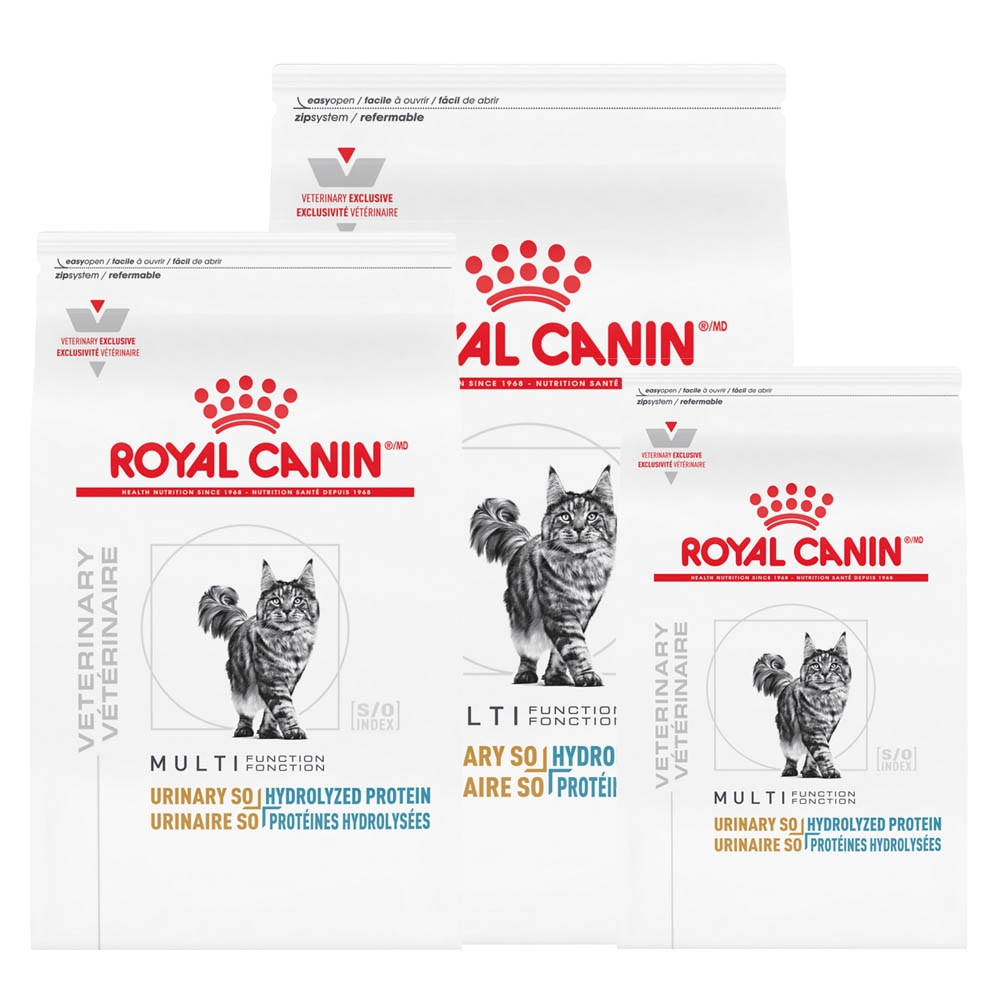
A slow change often improves acceptance. However, cats with severe reactions may need a faster change under veterinary guidance.
A common transition plan is:
• Days 1 to 3: Mix about 25% new food with 75% old food.
• Days 4 to 6: Mix about 50% new food with 50% old food.
• Days 7 to 9: Mix about 75% new food with 25% old food.
• Day 10: Feed the new diet alone.
This plan is only a guide. A cat with vomiting or diarrhea may need a slower change. A cat with a strict elimination trial may need a different plan.
Keep meals calm and predictable. Serve food in a clean, wide bowl. Some cats dislike their whiskers touching deep bowls. Warming wet food slightly can also improve its smell, but ask your veterinarian before adding broth, toppers, or other ingredients.
Do not add tuna juice, treats, milk, or flavored supplements during a food allergy trial. Even small additions can make the results unclear.
What Mistakes Should Cat Owners Avoid?
The biggest mistake is assuming that a hydrolyzed diet will work without strict feeding. A cat may eat the correct food at home but receive regular treats from another family member.
Other mistakes include:
• Changing foods too often
• Stopping the trial after one week
• Using flavored medication without veterinary approval
• Sharing food between cats
• Choosing a limited ingredient diet without checking its protein list
• Ignoring fleas or other possible causes
• Stopping prescribed medicine suddenly
• Feeding homemade food without a veterinary nutrition plan
Another common error is focusing only on food. A cat with itchy skin may also need flea prevention, infection treatment, or testing for environmental allergies.
In cases involving why do cats need hydrolyzed protein cat food, teamwork helps. Everyone in the home should know what the cat can and cannot eat. A simple note on the refrigerator can prevent accidental treats.
Is Hydrolyzed Protein Safe for Healthy Cats?
A complete and balanced hydrolyzed diet is generally safe when selected for the cat’s life stage and health needs. However, healthy cats do not automatically need one.
These diets are usually more expensive than standard cat food. They may also be less appealing to some cats. Feeding a medical diet without a clear reason can add cost without providing a real benefit.
A veterinarian may recommend long-term use if the cat has a confirmed food allergy or chronic condition that improves on the diet. Other cats may use it only during a diagnostic trial.
The food should also match the cat’s age, weight, kidney health, urinary needs, and other medical conditions. A diet that works for one cat may not be right for another.
Hydrolyzed Protein for Cats With Digestive Disease
Some cats with chronic vomiting or diarrhea may have inflammatory bowel disease, food sensitivity, parasites, pancreatitis, or another digestive disorder. Hydrolyzed food can be part of the treatment plan, but it is not a diagnosis.
Your veterinarian may suggest blood tests, stool tests, imaging, or other checks. In some cases, an ultrasound or intestinal biopsy is needed. These tests help rule out serious conditions.
Cats with digestive disease may also need smaller meals, medication, added water, or a different fiber level. A hydrolyzed diet alone may not solve every digestive problem.
If your cat has blood in the stool, repeated vomiting, severe weakness, dehydration, yellow skin, or sudden weight loss, seek veterinary care promptly. These signs need more than a food change.
How to Know If the Diet Is Working
Improvement may appear in stages. Digestive signs can improve first, while skin and ear problems may take longer.
Track these details each day:
• Number of vomiting episodes
• Stool form and frequency
• Scratching or licking
• New skin lesions
• Ear odor or discharge
• Appetite and water intake
• Body weight
• Energy and behavior
Take photos of skin lesions when they appear. This gives your veterinarian a better way to compare progress over time.
A good response does not prove that hydrolyzed protein caused the improvement. Other changes may have happened at the same time. That is why a planned rechallenge or follow-up exam can be important.
If there is no improvement, your vet may check for poor diet compliance, cross-contact, parasites, infections, environmental allergies, or another illness.
What Does Research Say About Hydrolyzed Cat Food?
Veterinary nutrition research supports hydrolyzed diets as one option for managing suspected adverse food reactions. Clinical guidelines commonly recommend a strict elimination diet as part of diagnosis.
Research also shows that product quality can vary. The level of protein breakdown and the risk of trace ingredients differ among formulas. This is one reason prescription veterinary diets are often preferred for a formal food trial.
No diet works for every cat. Scientific evidence is strongest when the food is used in a controlled trial and the cat is monitored by a veterinarian.
It is also important to separate marketing claims from medical evidence. Words such as “natural,” “premium,” or “sensitive” do not prove that a food will prevent allergy symptoms.
Frequently Asked Questions About Why Do Cats Need Hydrolyzed Protein Cat Food
Do all cats with allergies need hydrolyzed protein cat food?
No. Some cats respond to a novel protein diet, while others need treatment for fleas, infections, or environmental allergies. A veterinarian can help choose the right diagnostic plan.
How long does hydrolyzed cat food take to work?
Digestive signs may improve within a few weeks, but skin signs can take eight to twelve weeks or longer. Follow the full trial period set by your veterinarian.
Can I give treats during a hydrolyzed diet trial?
Usually, no. Regular treats may contain proteins that affect the test, so ask your veterinarian about approved treats made with the same diet.
Is hydrolyzed protein the same as a limited ingredient diet?
No. A limited ingredient diet reduces the number of ingredients, while hydrolyzed food breaks protein into smaller pieces. Some limited ingredient foods can still trigger a reaction.
Can kittens eat hydrolyzed protein cat food?
Some hydrolyzed diets are made for growth, while others are made only for adult maintenance. Check the label and use a product approved by your veterinarian for the kitten’s age.
What if my cat refuses hydrolyzed food?
Do not force the cat to go hungry. Ask your veterinarian about another texture, flavor, or approved formula, and seek help quickly if your cat stops eating.
Can hydrolyzed food cure a cat’s food allergy?
It can control signs while the cat eats the proper diet, but it does not remove the allergy permanently. Many cats need long-term avoidance of the triggering protein.
Conclusion
The reason why do cats need hydrolyzed protein cat food is usually linked to suspected food allergies, chronic itching, vomiting, diarrhea, or inflammatory digestive disease. Hydrolysis breaks proteins into smaller pieces that may be less likely to trigger an immune response.
These diets work best when used under veterinary guidance and fed as part of a strict elimination trial. They are not needed by every cat, and they cannot replace testing for fleas, infections, parasites, or other health problems.
If your cat has ongoing skin or stomach signs, schedule a veterinary exam before changing food. Keep a symptom diary, follow the feeding plan closely, and ask about the safest diet for your cat’s age and health. Explore trusted veterinary nutrition resources, and share your experience with your veterinarian so your cat can receive a clear, informed care plan.