Why Do Cats Need Limited Ingredient Cat Food: Key Benefits
Cats may need limited ingredient food to reduce allergy triggers, support digestion, and make food reactions easier to identify.
If you are asking, “why do cats need limited ingredient cat food,” the answer depends on your cat’s health, diet history, and symptoms. This type of food is not a must for every cat, but it can be a useful tool for cats with suspected food allergies, sensitive stomachs, or unclear reactions to common ingredients. This guide explains how limited ingredient diets work, when they help, what they cannot fix, and how to choose one safely.
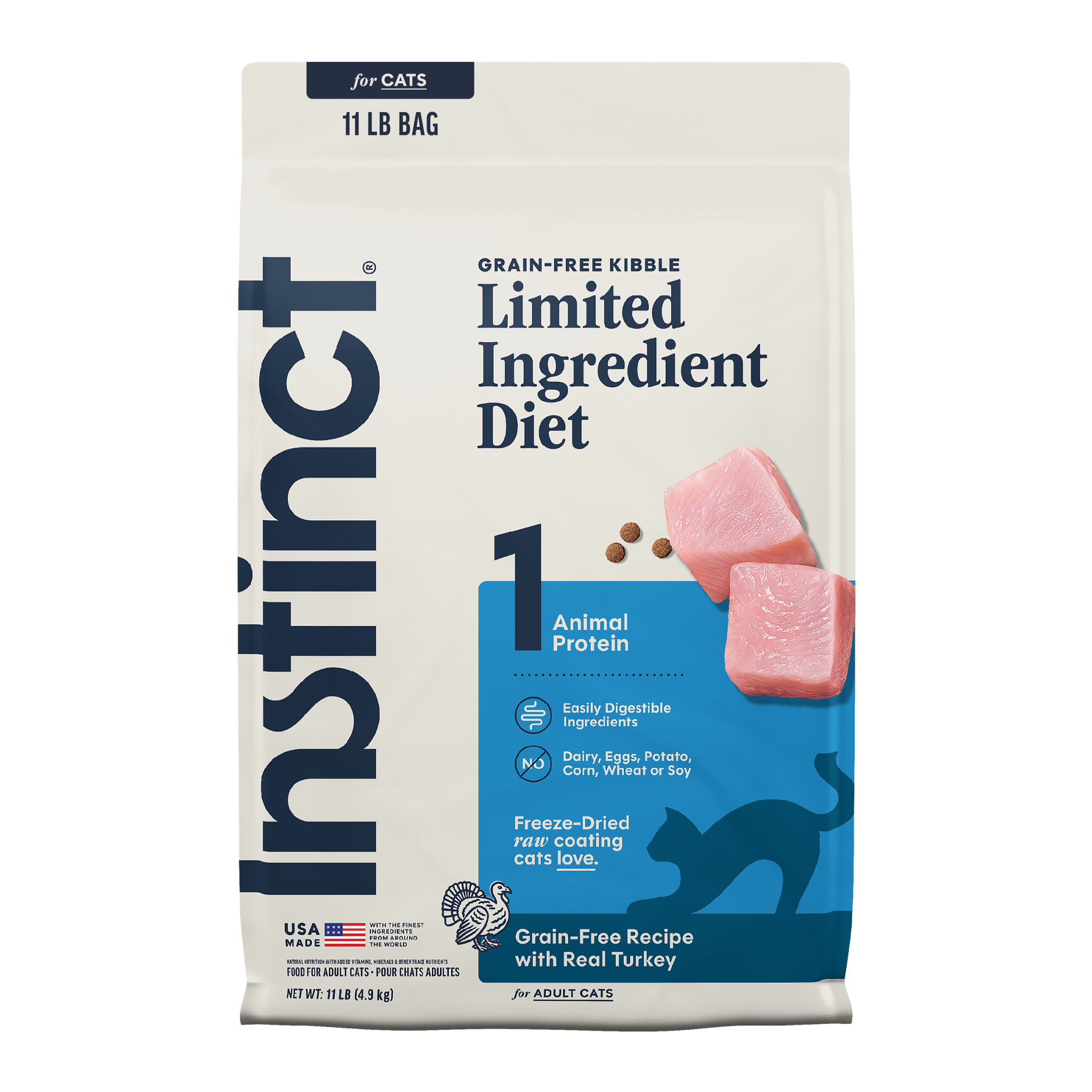
What Is Limited Ingredient Cat Food?
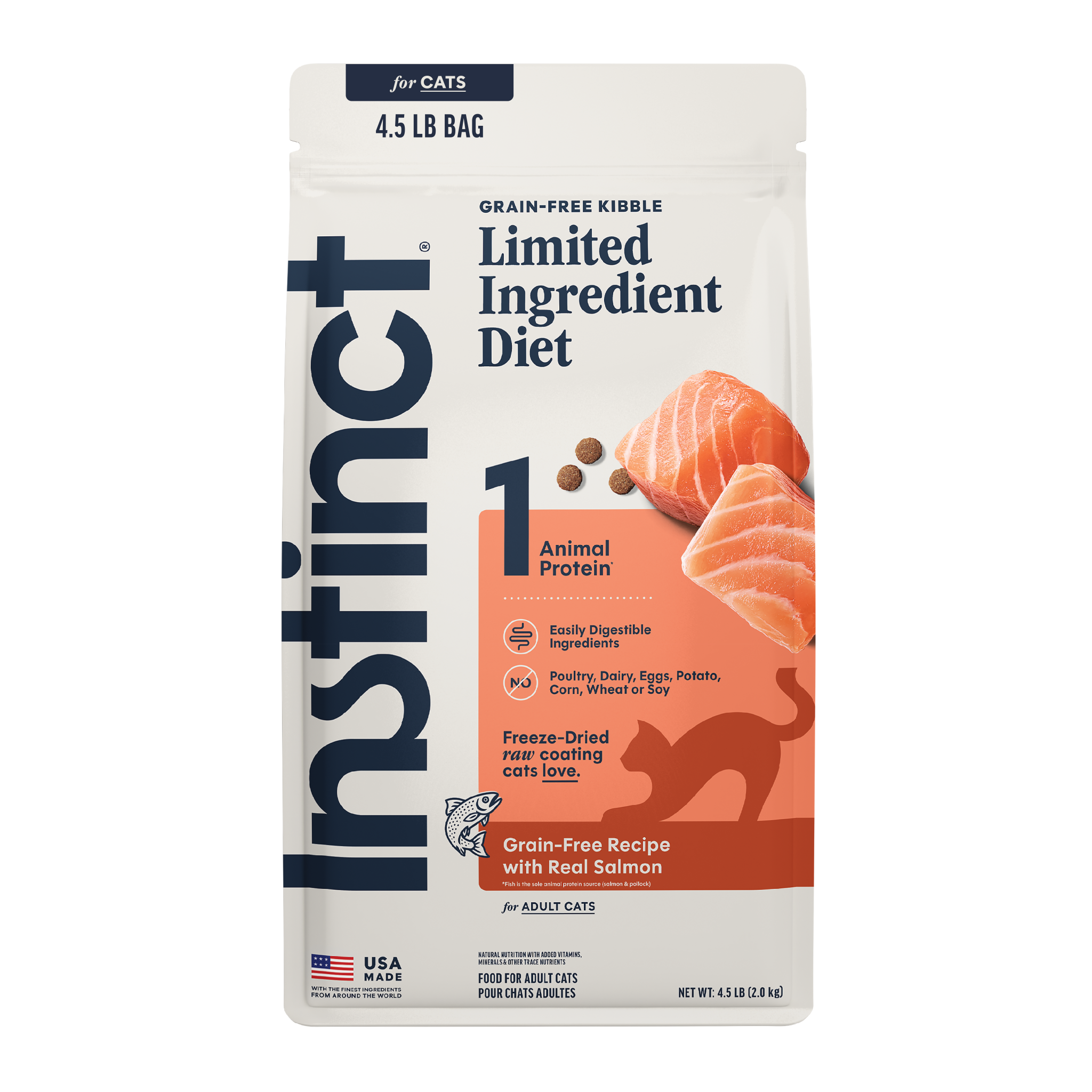
Limited ingredient cat food contains a shorter list of ingredients than many standard recipes. It usually features one main animal protein, one carbohydrate source, and a small group of essential vitamins and minerals.
The goal is not simply to use fewer ingredients. The goal is to reduce the number of possible triggers in your cat’s diet. A simpler recipe works like a clean test. If your cat improves, you have fewer ingredients to investigate.
Common limited ingredient recipes may use:
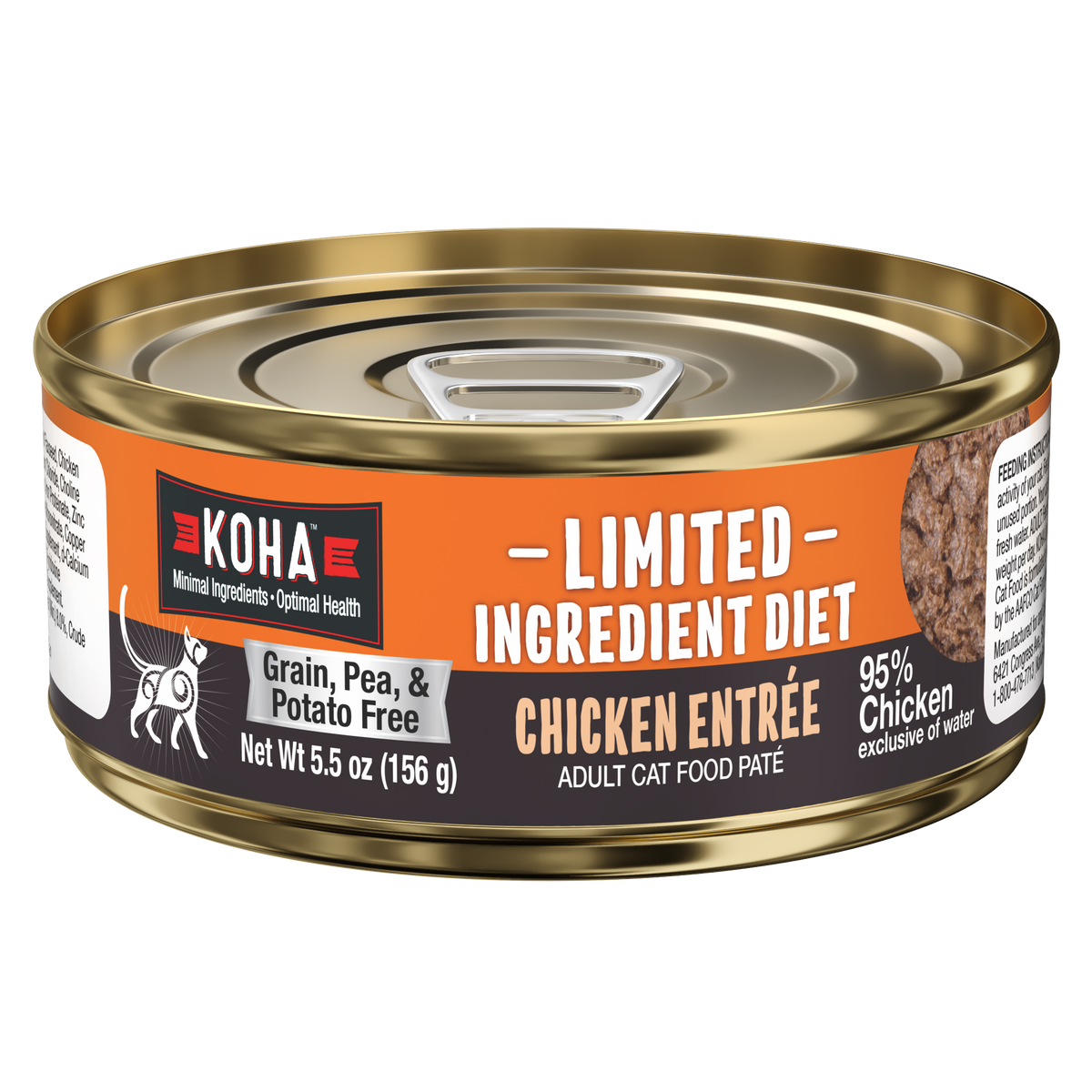
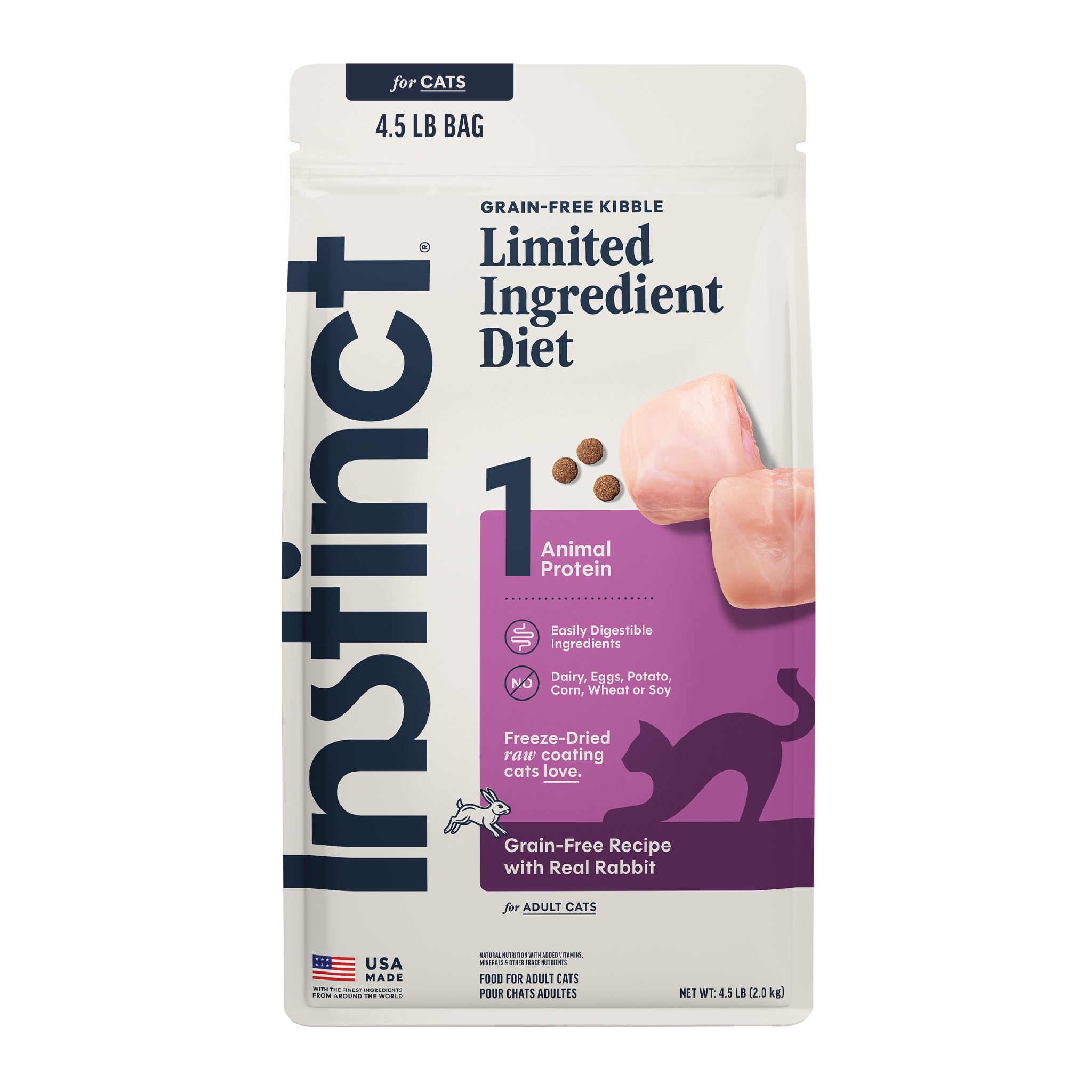
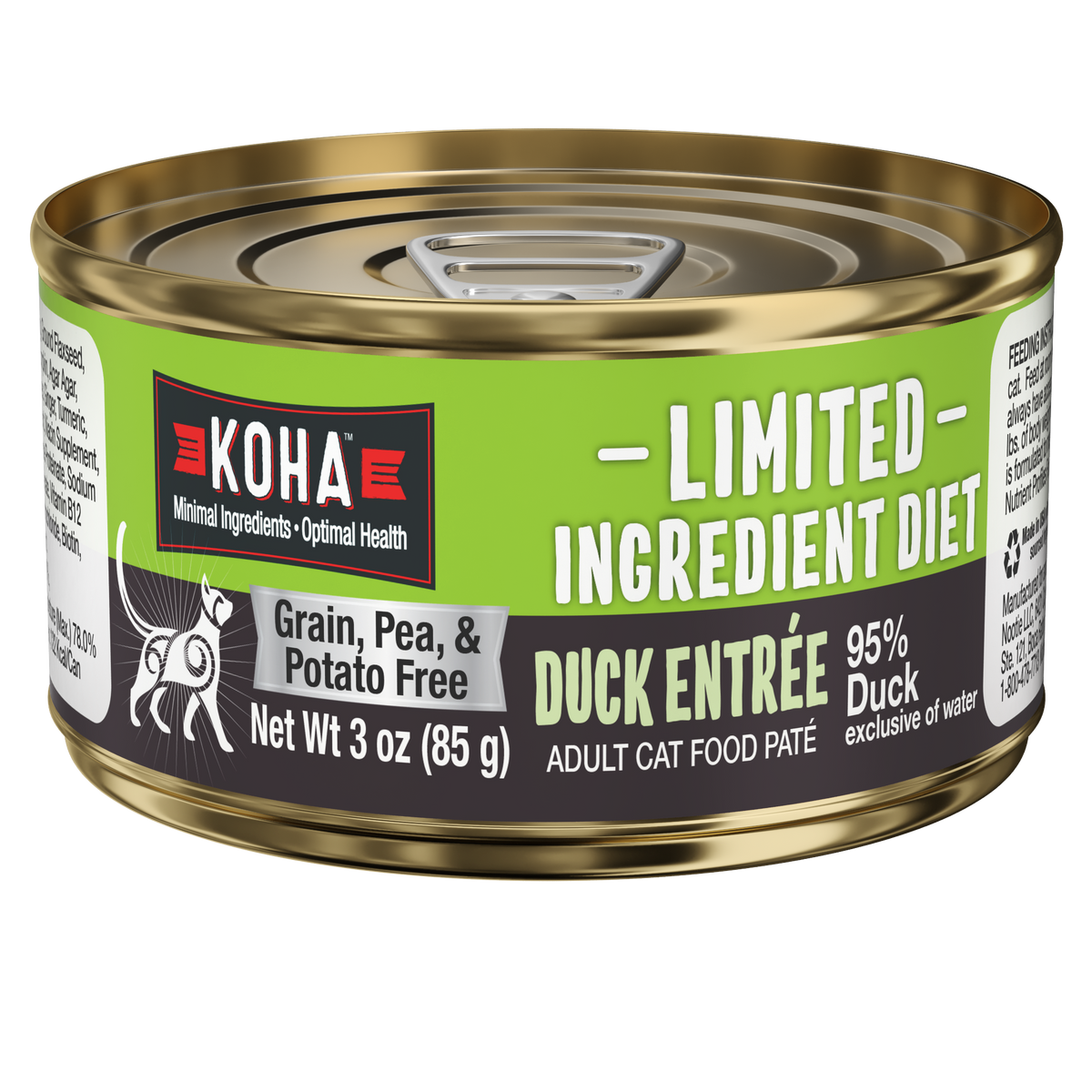
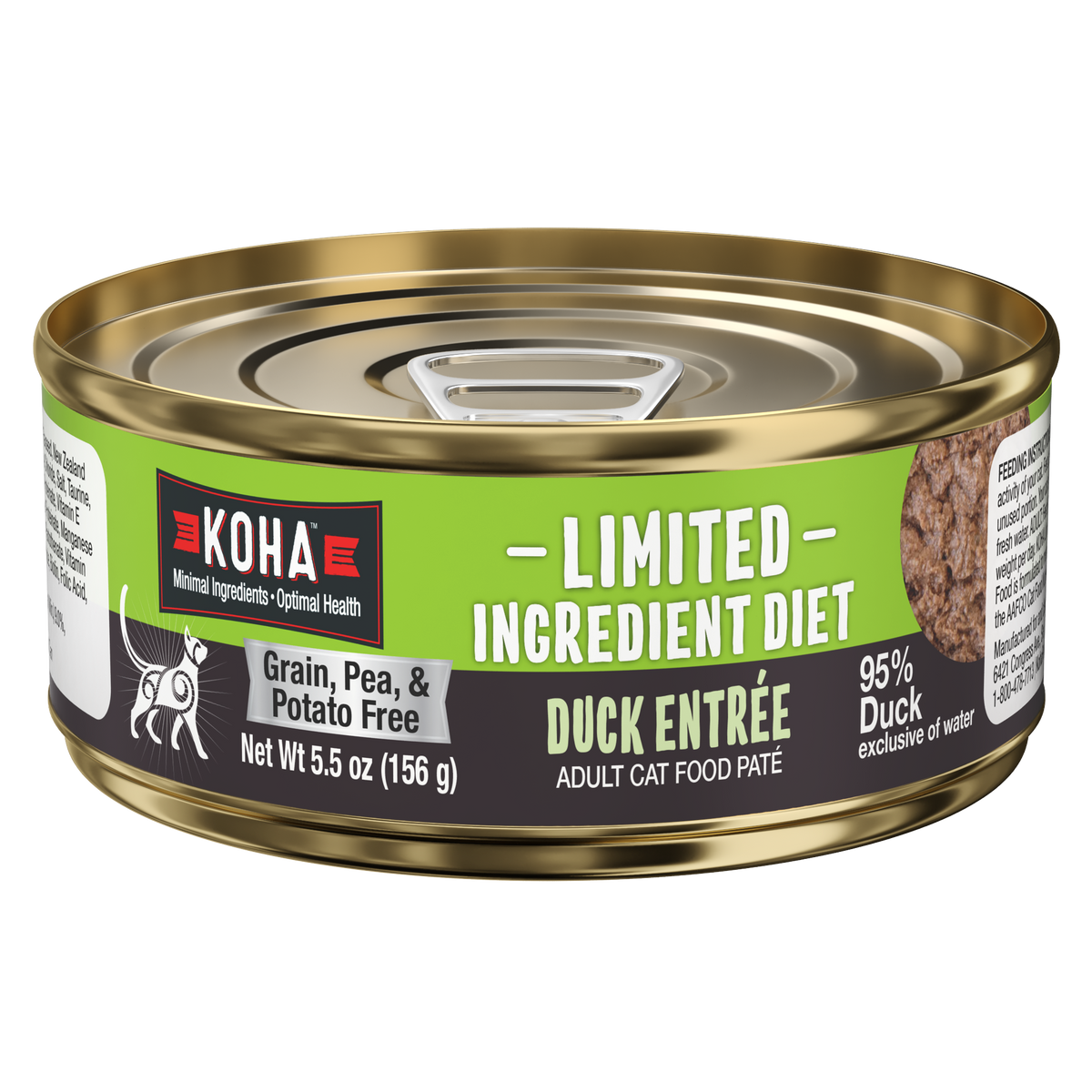
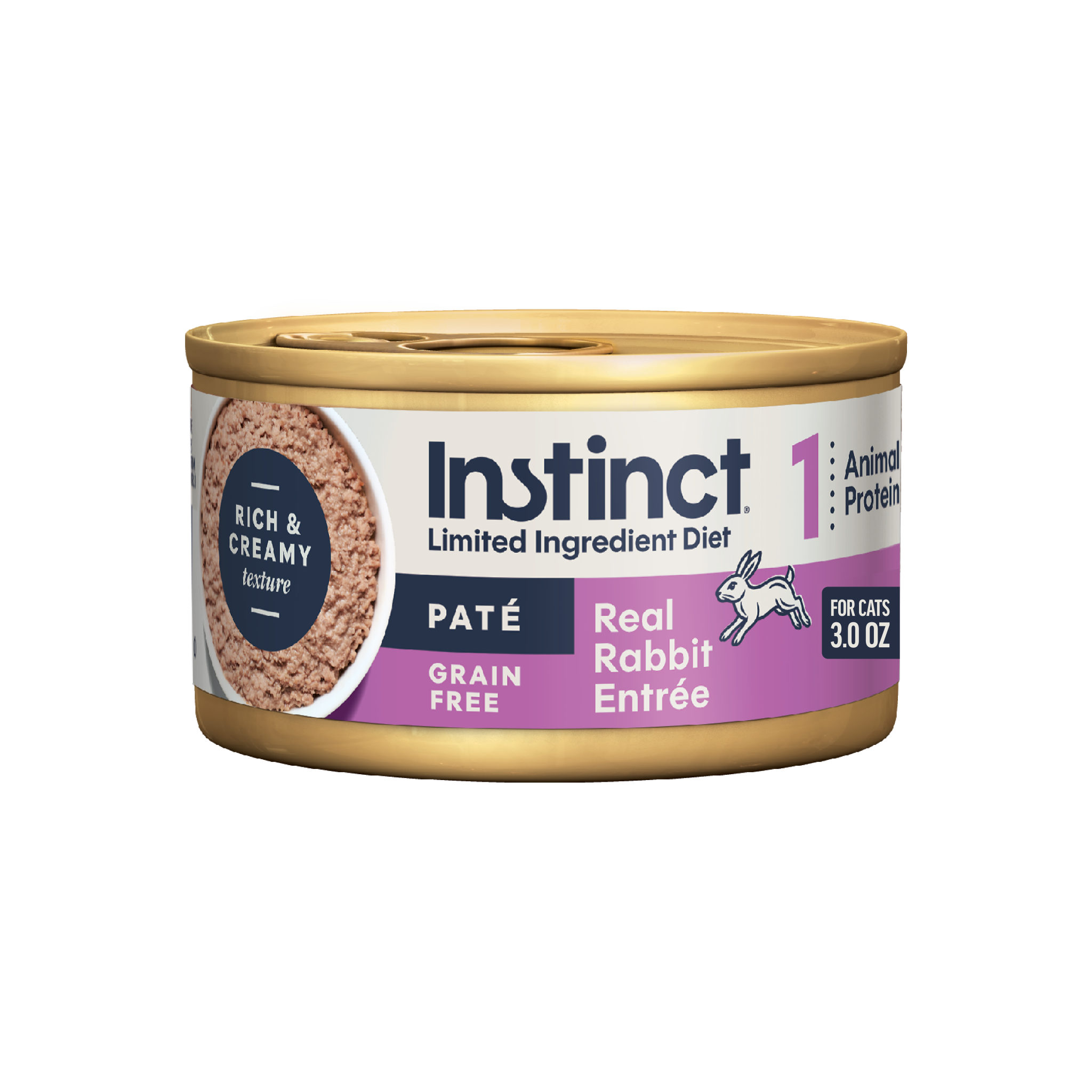
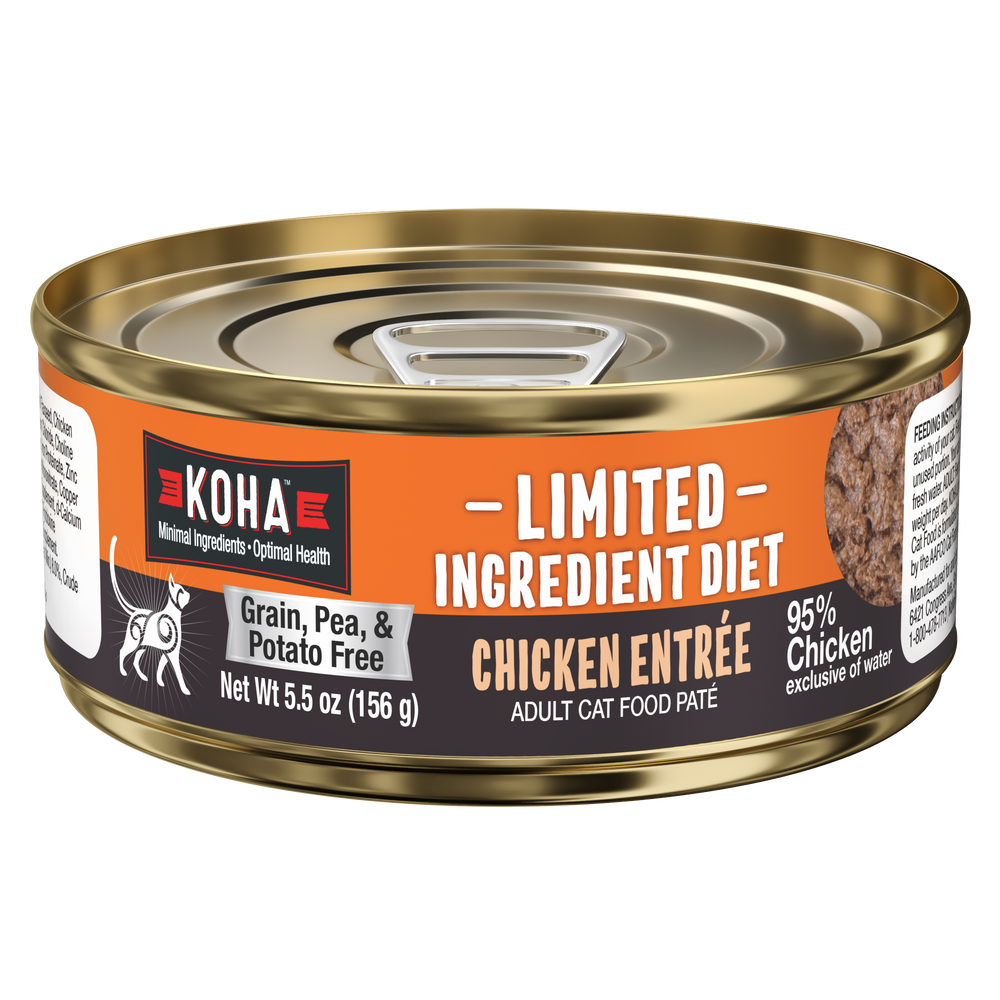
• One animal protein, such as turkey, rabbit, duck, or fish
• One carbohydrate source, such as peas, potatoes, or rice
• Added taurine, fatty acids, vitamins, and minerals
• No artificial colors or extra flavor blends
However, “limited ingredient” has no single legal formula that every brand must follow in the same way. One product may contain five major ingredients, while another may contain ten or more. Always read the full label instead of relying only on the front of the package.
Why Do Cats Need Limited Ingredient Cat Food?
The main reason why do cats need limited ingredient cat food is to reduce dietary variables. When a cat eats a recipe with many proteins, grains, oils, and flavor additives, it can be hard to identify what causes a reaction.
A limited ingredient diet may help in several ways:
• It can reduce exposure to a suspected food allergen.
• It may make stool changes easier to track.
• It can support a food elimination trial.
• It may be easier for some cats with sensitive digestion.
• It gives your veterinarian a clearer picture of your cat’s diet.
Cats are obligate carnivores. Their bodies need nutrients found in animal tissue, including taurine and certain forms of vitamins and fatty acids. A shorter ingredient list must still provide complete and balanced nutrition. Fewer ingredients do not automatically mean better nutrition.
This point matters because some owners remove too many foods without replacing key nutrients. A homemade diet or poorly planned restricted diet can cause serious deficiencies. For long-term feeding, choose a product labeled complete and balanced for your cat’s life stage or follow a veterinary nutrition plan.
Food Allergies and Food Intolerances in Cats
Food allergies involve the immune system. A cat’s body reacts to a protein as if it were harmful. Food intolerances do not always involve the immune system and may instead cause digestive upset or other poor reactions.
In cats, food allergy signs often affect the skin. Possible signs include:
• Persistent itching
• Red or inflamed skin
• Repeated ear problems
• Hair loss from overgrooming
• Small scabs around the head, neck, or body
Some cats also develop vomiting or diarrhea. Yet these signs can come from fleas, environmental allergies, parasites, infections, inflammatory bowel disease, or other medical problems. That is why a food change alone should not replace a veterinary exam.
Common food allergens in cats can include beef, fish, chicken, and dairy products. Still, any protein may cause a reaction. A cat can also develop an allergy to an ingredient it has eaten for years.
Understanding why do cats need limited ingredient cat food becomes easier when you view the diet as a method of removing clues. It does not cure every allergy. It helps narrow the search.
How a Limited Ingredient Diet Helps Find the Problem
A true food trial is more controlled than simply buying a new bag of food. Your veterinarian may suggest feeding a novel protein diet or a hydrolyzed protein diet for a set period.
A novel protein is one your cat has not eaten before. A hydrolyzed protein is broken into very small parts. These smaller parts may be less likely to trigger an immune response.
A food trial usually follows these steps:
-
Ask your veterinarian to rule out other causes of the symptoms.
-
Choose a suitable veterinary diet or carefully selected limited ingredient food.
-
Feed only the approved food for the trial period.
-
Avoid treats, table scraps, flavored medicines, and shared pet bowls.
-
Record itching, stool quality, vomiting, appetite, and weight.
-
Follow your veterinarian’s plan for reintroducing old ingredients.
Many trials last several weeks. Skin problems may take longer to improve than mild digestive signs. If symptoms return after the old diet comes back, that pattern can support a food allergy diagnosis.
One of the most common mistakes is giving “just one treat.” Even a small amount can make the results unclear. This is one practical lesson behind why do cats need limited ingredient cat food: the diet works only when the test stays controlled.
Digestive Benefits of Limited Ingredient Cat Food
Some cats have sensitive stomachs. They may vomit after eating too fast, develop loose stool after a food change, or react poorly to rich recipes. A simpler diet may reduce digestive stress for certain cats.
That does not mean every limited ingredient food will solve vomiting or diarrhea. Digestive symptoms can also result from hairballs, worms, infections, pancreatitis, kidney disease, or intestinal disorders. Frequent vomiting is not normal just because cats sometimes groom themselves.
A gentle diet may help by offering:
• A familiar or carefully chosen protein
• Moderate fat levels
• Highly digestible ingredients
• A stable recipe with fewer changes
• A consistent feeding routine
Change foods slowly over about seven days unless your veterinarian advises another plan. Mix a small amount of the new food with the old food, then increase the new portion step by step. A sudden switch can cause diarrhea even when the new food is suitable.
When discussing why do cats need limited ingredient cat food, digestion is one possible reason, not a guaranteed result. The best food depends on the cause of the stomach problem.
Skin, Coat, and Inflammation Support
A cat’s skin and coat can reflect its overall health. Poor coat quality, excessive shedding, or constant licking may point to allergies, parasites, stress, pain, or nutritional problems.
A balanced limited ingredient diet may support skin health when it removes a problem ingredient or provides useful nutrients. Omega-3 fatty acids, especially EPA and DHA from marine sources, may help support a healthy inflammatory response. They do not replace treatment for infection or severe allergy.
Look for a food that supplies:
• Adequate animal-based protein
• Taurine
• Essential fatty acids
• Zinc and other required minerals
• A complete vitamin profile
Coat changes take time. Healthy hair growth does not happen overnight. Take weekly photos and keep a symptom diary so you can spot gradual improvement instead of relying on memory.
Limited Ingredient Cat Food for Cats With Sensitive Stomachs
A sensitive stomach is a description, not a diagnosis. It may describe a cat that has occasional soft stool, food-related vomiting, or poor tolerance for sudden diet changes.
If your cat has a sensitive stomach, consider these practical steps:
• Feed smaller meals more often.
• Use a slow feeder if your cat eats too fast.
• Keep the diet stable.
• Avoid sudden changes and rich table foods.
• Ask your veterinarian about hairball, parasite, or medical testing.
• Monitor water intake and litter box habits.
Some cats do better with wet food because it adds moisture and may be easier to eat. Other cats prefer dry food. Texture and taste matter, so the most nutritious food will not help if your cat refuses to eat it.
Why do cats need limited ingredient cat food in this situation? A shorter recipe may reduce irritation for some cats, but it is not automatically easier to digest. Ingredient quality, fat level, fiber, moisture, and preparation also matter.
How to Choose the Best Limited Ingredient Cat Food
Choosing a limited ingredient recipe requires more than looking for a short ingredient list. Start with the nutrition statement. In the United States, look for a statement showing that the food is complete and balanced for the correct life stage.
Check these label details:
• The main animal protein
• All added protein sources
• The fat and fiber levels
• Calorie content
• Feeding instructions
• The life stage, such as kitten, adult, or senior
• Manufacturer contact details
• Quality control information
Be careful with vague terms such as “meat flavor.” These terms may not tell you which animal proteins are present. If your cat is completing an elimination trial, hidden proteins can make the trial fail.
A limited ingredient food for cats with allergies should match the plan made with your veterinarian. Over-the-counter foods may contain trace amounts of other proteins because of shared equipment. Veterinary therapeutic diets often have tighter controls, though no product should be treated as perfect without professional guidance.
When considering why do cats need limited ingredient cat food, remember that ingredient simplicity and nutritional completeness must work together. One without the other is not enough.
Wet Food, Dry Food, or Both?
Limited ingredient recipes come in wet, dry, and sometimes freeze-dried forms. The best format depends on your cat’s medical needs, preference, teeth, feeding routine, and budget.
Wet food contains more water than dry food. This can support total water intake, which may be useful for cats that rarely drink from a bowl. Dry food is convenient, easy to measure, and often less expensive per meal.
You may choose:
• Wet food for extra moisture and strong flavor
• Dry food for convenience and portion control
• A mix of both for flexibility
Do not assume dry food cleans teeth unless it has evidence and a dental claim supported by accepted standards. Regular dental care still matters.
If you combine wet and dry food, reduce the amount of each so you do not overfeed calories. Obesity can worsen many health problems, including joint strain and diabetes risk. Your veterinarian can help set a daily calorie target.
What Limited Ingredient Cat Food Cannot Do
Limited ingredient cat food is useful, but it is not a universal treatment. It cannot cure fleas, dental disease, kidney disease, infections, stress, or every form of intestinal inflammation.
It also may not help if:
• The suspected allergen is still in the recipe.
• Your cat receives treats or flavored medication.
• The symptoms have another medical cause.
• The food lacks complete nutrition.
• Your cat refuses to eat enough of it.
Never let a cat go without food while trying to force a diet change. Cats that eat too little can develop hepatic lipidosis, a serious liver condition. Contact a veterinarian quickly if your cat stops eating, becomes weak, vomits repeatedly, or loses weight.
The honest answer to why do cats need limited ingredient cat food includes an important limit: some cats do not need it at all. Healthy cats may thrive on a quality complete and balanced diet with several safe ingredients.
Common Mistakes to Avoid
Many diet trials fail because of small details. The food itself may be fine, but the feeding plan is not consistent enough to show a clear result.
Avoid these mistakes:
• Switching foods every few days
• Giving treats that contain another protein
• Sharing food between pets
• Forgetting flavored supplements or medicines
• Choosing a food that is not complete and balanced
• Focusing only on marketing words
• Stopping the trial as soon as symptoms improve
• Ignoring weight loss or reduced appetite
Read labels each time you buy a new bag. Recipes can change, and similar product names may have different ingredients.
In practical feeding plans, consistency is often the hardest part. A family may remember the main food but forget that a guest gave the cat chicken from the dinner table. Write the diet rules on the refrigerator and tell everyone in the home.
When to Contact a Veterinarian
Talk with your veterinarian before starting a restricted diet if your cat has ongoing symptoms. This is especially important for kittens, pregnant cats, senior cats, underweight cats, and cats with chronic disease.
Seek prompt veterinary care for:
• No food intake for 24 hours, or sooner in a very young or sick cat
• Repeated vomiting
• Bloody stool or vomit
• Severe diarrhea
• Trouble breathing or facial swelling
• Sudden weakness
• Rapid weight loss
• Extreme thirst or urination changes
A veterinarian may recommend a physical exam, fecal testing, blood work, skin testing, or other checks. Food allergies are diagnosed mainly through a proper elimination and reintroduction process. Blood and skin tests are not always reliable for identifying food allergies in cats.
This medical step explains why do cats need limited ingredient cat food only after other causes are considered. A diet can support care, but it should not hide a serious illness.
A Simple Feeding Plan to Discuss With Your Veterinarian
If your veterinarian agrees that a limited ingredient diet is suitable, use a clear plan.
-
Write down every food, treat, supplement, and flavored medicine your cat receives.
-
Select one complete and balanced diet.
-
Measure each meal with a kitchen scale or accurate measuring cup.
-
Change foods gradually when possible.
-
Keep bowls, treats, and feeding times consistent.
-
Track stool, vomiting, itching, appetite, and body weight.
-
Attend the follow-up visit.
-
Reintroduce the old diet only when your veterinarian says it is safe.
A symptom diary can be simple. Record the date, food, stool score, scratching level, and any unusual behavior. This turns vague concerns into useful information.
If the diet helps, your veterinarian may advise continuing it or slowly testing individual ingredients. If it does not help, that result is also useful. It suggests the cause may be unrelated to food or may require a different diet approach.
Frequently Asked Questions About Why Do Cats Need Limited Ingredient Cat Food
Do all cats need limited ingredient cat food?
No. Healthy cats usually do not need a restricted ingredient list if they eat a complete and balanced diet. Limited ingredient food is most useful when a veterinarian suspects food allergy, food intolerance, or diet-related digestive trouble.
Why do cats need limited ingredient cat food for allergies?
A shorter ingredient list can reduce exposure to possible allergens and make an elimination trial easier to manage. It works best when the cat eats only the approved diet and has veterinary follow-up.
Can limited ingredient cat food stop vomiting?
It may help if a food reaction contributes to the vomiting. However, repeated vomiting can signal parasites, intestinal disease, kidney problems, or another condition, so a veterinary exam is important.
Is grain-free food the same as limited ingredient cat food?
No. Grain-free food avoids certain grains, but it may still contain many proteins and other ingredients. A limited ingredient diet focuses on reducing the total number of ingredients and possible triggers.
How long does it take for limited ingredient cat food to work?
Digestive signs may improve sooner, while skin signs can take several weeks or longer. Follow the full trial period set by your veterinarian, even if symptoms improve early.
Can I give treats during a limited ingredient diet trial?
Only give treats approved as part of the trial. A single treat with another protein can make the results unclear and may bring symptoms back.
Is homemade limited ingredient cat food safe?
It can be safe only when a veterinary nutrition professional creates and checks the recipe. Homemade diets may lack taurine, calcium, vitamins, or other nutrients when prepared without expert guidance.
Conclusion
The best answer to why do cats need limited ingredient cat food is that some cats benefit from fewer dietary variables. A carefully chosen recipe may help identify food reactions, support sensitive digestion, and provide a clearer path toward better skin and stool health.
Still, limited ingredient food is not automatically healthier, grain-free food is not the same thing, and a short ingredient list does not guarantee complete nutrition. Choose a complete and balanced product, change diets slowly, track symptoms, and involve your veterinarian when problems persist.
Start by reviewing your cat’s current food label and writing down every treat and supplement. Then discuss the safest next step with your veterinary team, and share your experience or questions in the comments.