Why Do Cats Need Prescription Gastrointestinal Food: Vet Guide
Cats need prescription gastrointestinal food when illness demands gentle digestion, balanced nutrients, and careful support guided by a veterinarian.
If you are asking why do cats need prescription gastrointestinal food, the answer starts with how illness changes digestion, nutrient use, and hydration. These diets are not simply expensive versions of regular cat food. They are carefully made tools that may help a sick cat digest meals, replace lost fluids, and recover safely under veterinary care.
What Is Prescription Gastrointestinal Cat Food?
Prescription gastrointestinal cat food is a therapeutic diet made for cats with digestive problems. It usually contains highly digestible proteins, carefully selected fats, balanced fiber, and key nutrients in controlled amounts.
Unlike ordinary “sensitive stomach” food, a prescription diet is designed for a medical purpose. A veterinarian may recommend it for a short recovery period or as part of long-term care.
When people ask why do cats need prescription gastrointestinal food, they are often surprised to learn that the goal is not only to stop diarrhea. The diet may also reduce digestive work, support the gut lining, and help the cat absorb more nutrition from each bite.
These foods come in wet and dry forms. Wet food can be useful when a cat needs more water, while dry food may be easier to measure and store. Your veterinarian can help you choose the best format based on your cat’s symptoms and eating habits.
 display: block; margin: 0 auto;”
loading=”lazy”
/>
Why Do Cats Need Prescription Gastrointestinal Food?
The main reason is that a sick digestive tract may not handle a normal diet well. Vomiting, diarrhea, inflammation, infection, constipation, or surgery can change how the stomach and intestines process food.
A therapeutic gastrointestinal diet may help by:
• Providing nutrients that are easier to digest
• Offering enough calories in smaller meals
• Supporting normal stool quality
• Replacing nutrients lost through vomiting or diarrhea
• Reducing irritation from hard-to-digest ingredients
• Helping the intestines absorb water and nutrients
• Supporting recovery after illness or surgery
So, why do cats need prescription gastrointestinal food instead of regular cat food? A normal diet may be complete and balanced, but it may not be ideal during digestive illness. A therapeutic diet is made with a specific health need in mind.
Think of it like eating soup after a stomach bug. Your body may still need calories and nutrients, but a simple meal can feel easier to manage than a heavy one. Prescription gastrointestinal food works in a similar way for many cats.
Still, this food does not treat every cause of stomach trouble. A cat with a blockage, toxin exposure, pancreatitis, kidney disease, or cancer may need other treatment as well.
Digestive Conditions That May Require a Therapeutic Diet
A veterinarian may suggest prescription gastrointestinal food for several conditions. The right diet depends on the diagnosis, the cat’s age, and the severity of the signs.
Acute vomiting or diarrhea
Short-term vomiting and diarrhea can lead to dehydration and weakness. A highly digestible diet may help the gut rest while the cause is investigated.
However, repeated vomiting is not always a simple upset stomach. Parasites, foreign objects, infections, and serious organ disease can cause similar signs.
Chronic enteropathy
Some cats have long-lasting intestinal inflammation. They may lose weight, vomit from time to time, or have soft stools for weeks or months.
A prescription diet may support these cats through a novel protein, hydrolyzed protein, or highly digestible formula. The diet is often part of a structured food trial.
Pancreatitis
Pancreatitis can make digestion painful. Some cats need a diet with controlled fat, high digestibility, and strong palatability.
The ideal fat level is not the same for every cat. Never choose a pancreatitis diet based only on advice from a website or another pet owner.
Recovery after surgery
The stomach and intestines may need gentle meals after surgery. Small servings of prescription gastrointestinal food can provide energy without placing too much strain on digestion.
Your veterinarian may also recommend this food after dental work, hospitalization, or another illness that caused poor appetite.
Constipation and stool problems
Some gastrointestinal diets contain specific fibers that help regulate stool movement. Fiber can add bulk or hold water, depending on its type.
Yet fiber is not right for every constipated cat. Severe constipation, dehydration, or an intestinal blockage requires veterinary treatment first.

How Prescription Gastrointestinal Food Supports the Gut
The benefits of prescription gastrointestinal food come from its design. Each formula uses a different balance of nutrients, so products are not interchangeable.
High digestibility
Highly digestible food allows the body to use more of the meal. This can mean less undigested material moving through the intestines.
This feature may help a cat that has poor absorption or frequent loose stools. It also helps provide energy when the cat can eat only small portions.
Controlled fat
Fat contains many calories, but too much fat can be difficult for some sick cats to process. Certain formulas use moderate or controlled fat levels to reduce digestive stress.
This does not mean all cats need low-fat food. Cats need dietary fat for energy and essential fatty acids, so the correct amount depends on the medical problem.
Selected fiber
Fiber affects stool texture, water content, and intestinal movement. Some diets use soluble fiber, insoluble fiber, or a blend of both.
Certain formulas also include prebiotic fibers. These fibers can help support beneficial gut bacteria, although the response varies between cats.
Balanced electrolytes
Vomiting and diarrhea can cause losses of water and electrolytes. Therapeutic diets may contain adjusted levels of nutrients such as sodium and potassium.
Food alone may not correct severe dehydration. A cat that is weak, dry-gummed, or unable to keep water down may need fluids from a veterinary team.
Strong aroma and taste
Ill cats often eat less. Many gastrointestinal diets are made to smell appealing and feel soft in the mouth.
Palatability matters because even the best formula cannot help if a cat refuses to eat it. Cats that stop eating can develop hepatic lipidosis, or fatty liver disease, especially when they are overweight.

What Ingredients Are Common in These Diets?
There is no single ingredient list for all prescription gastrointestinal cat foods. Each brand and formula has a different purpose.
Common features may include:
• Easily digested animal proteins
• Moderate levels of fat
• Carefully selected carbohydrates
• Soluble and insoluble fiber
• Prebiotic ingredients
• Omega-3 fatty acids in some formulas
• Added vitamins and minerals
• Increased calorie density in some recovery diets
Some formulas use hydrolyzed proteins. These proteins are broken into smaller pieces that may be less likely to trigger an immune response in cats with certain food reactions.
Other formulas use a novel protein. This means the protein comes from a source the cat has not eaten before. These diets must be fed strictly during a food trial, or the results may be unclear.
Ingredient quality matters, but the full nutrient profile matters more. A food can contain a familiar ingredient and still be unsuitable for a cat with a specific disease.
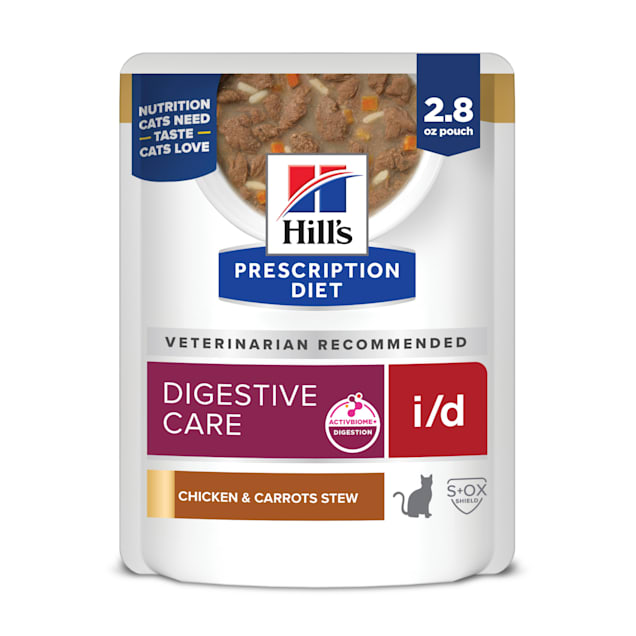
Prescription Gastrointestinal Food Versus Regular Cat Food
Regular cat food is made for healthy cats at different life stages. It must meet general nutritional standards, but it is not designed to manage a specific digestive disorder.
Prescription gastrointestinal food may differ in several ways:
• It may use more digestible ingredients.
• It may provide more calories in a smaller serving.
• It may contain a special fiber blend.
• It may control fat or protein for a medical reason.
• It may include nutrients that support recovery.
• It may offer a texture that helps a weak or nauseated cat eat.
This explains why do cats need prescription gastrointestinal food when a “sensitive stomach” product is available at a pet store. Over-the-counter sensitive-stomach food may help a healthy cat with mild, occasional stomach upset, but it does not replace a veterinary diagnosis.
Prescription food is not automatically better for every cat. It is better matched to certain health needs. A healthy cat may gain no special benefit from eating it, and some formulas may be unsuitable for cats with another medical condition.

How to Feed a Cat Prescription Gastrointestinal Food
Changing food too fast can cause more stomach trouble. Unless your veterinarian gives different instructions, make the switch slowly over several days.
-
Start with a small amount of the new food mixed with the old food.
-
Increase the new food a little each day.
-
Offer small meals instead of one large meal.
-
Keep fresh water available at all times.
-
Measure portions carefully.
-
Track vomiting, stool quality, appetite, and weight.
Some cats with severe vomiting may need a different feeding plan. Ask your veterinarian before offering food after repeated vomiting or surgery.
Do not add treats, table scraps, milk, supplements, or flavored medicines without asking. Even a small extra snack can affect a food trial or worsen symptoms.
One practical lesson from cases commonly seen in veterinary care is that consistency matters. A family may feed the prescribed food all day, then offer a different treat at night. The cat does not improve, and the diet gets blamed. Keeping a simple food diary can prevent this mistake.
How Long Should a Cat Eat Prescription Gastrointestinal Food?
The answer depends on the cause of the digestive problem. Some cats need the diet for only a few days. Others need it for several weeks or for long-term disease management.
Your veterinarian may stop the diet when:
• Vomiting has ended.
• Stool has returned to normal.
• Appetite and energy have improved.
• Body weight is stable.
• Blood tests or imaging show progress.
Do not stop a prescribed diet as soon as your cat looks better. Symptoms can improve before the digestive tract has fully recovered.
For a long-term condition, your veterinarian may recommend regular checkups. These visits help confirm that the diet still meets your cat’s needs and that weight, hydration, and muscle health remain stable.
Why do cats need prescription gastrointestinal food for months in some cases? Chronic inflammation, food intolerance, or poor nutrient absorption may continue even after visible symptoms decrease. Long-term feeding should always be monitored.
Possible Limitations and Side Effects
Prescription gastrointestinal food is helpful, but it is not risk-free or suitable for every cat.
Some cats may experience:
• Refusal to eat the new texture or flavor
• Temporary soft stool during the food change
• Weight gain if portions are too large
• Weight loss if the cat eats too little
• A return of symptoms when the diet is stopped
• Nutrient concerns if the diet is used incorrectly
A cat that refuses food for 24 hours needs prompt veterinary advice. Kittens, overweight cats, and cats with existing disease may become unsafe sooner.
Never use a prescription gastrointestinal diet to delay care for red-flag symptoms. Contact a veterinarian quickly if your cat has repeated vomiting, bloody stool, severe diarrhea, a painful belly, pale gums, collapse, breathing trouble, or possible toxin or string ingestion.
The biggest mistake is treating a symptom without finding its cause. Diet can support healing, but it cannot remove a foreign object or cure every infection.
What to Ask Your Veterinarian
A short list of questions can make the feeding plan much clearer.
Ask:
• What condition are we treating?
• Should my cat eat wet food, dry food, or both?
• How much should I feed per day?
• How many meals should I offer?
• Can my cat have treats?
• How long should the diet continue?
• What signs mean I should call the clinic?
• When should my cat return for a weight check?
You can also ask whether the food is complete and balanced for your cat’s life stage. Most therapeutic diets are made to meet nutritional standards, but some recovery products are intended only for short-term or supplemental use.
Bring the food label to the appointment if you are unsure. A veterinarian can check whether the selected formula matches the diagnosis.
A Practical Example
Imagine a cat named Luna that has vomiting, loose stool, and a falling appetite. Her veterinarian examines her, checks hydration, and runs tests to rule out serious disease.
The veterinarian then recommends a gastrointestinal diet in small meals. Luna’s family mixes the food gradually, stops all table scraps, and records her meals and litter box changes.
After several days, Luna eats better and her stool improves. The diet helped, but the examination was still essential. Without finding the cause, the family might have missed a parasite, obstruction, or organ problem.
This example shows why do cats need prescription gastrointestinal food as part of a complete plan, not as a stand-alone cure. The food supports the body while diagnosis and treatment address the illness.
Frequently Asked Questions
Why do cats need prescription gastrointestinal food?
Cats may need it when digestive illness makes normal food hard to digest or absorb. The diet can provide gentle nutrition, controlled nutrients, and support during recovery under veterinary guidance.
Can I give prescription gastrointestinal food to a healthy cat?
A healthy cat may eat it safely in some cases, but there is usually no reason to use a therapeutic diet without veterinary advice. The formula may not match the needs of a healthy cat or a different medical condition.
How quickly does prescription gastrointestinal food work?
Some cats show better appetite or stool within a few days, but timing varies by cause and severity. Continued vomiting, diarrhea, or poor appetite requires a call to your veterinarian.
Can prescription gastrointestinal food stop vomiting?
It may reduce digestive stress when the food is appropriate for the cat’s condition. It cannot stop vomiting caused by a blockage, toxin, severe infection, or another problem that needs medical treatment.
Can my cat eat treats while on this diet?
Treats may interfere with recovery or a food trial, so ask your veterinarian first. If treats are allowed, use small portions of the prescribed food rather than unrelated snacks.
Is wet or dry gastrointestinal food better?
Neither form is always best. Wet food can add water and may appeal to cats with low appetite, while dry food can be convenient and calorie-dense; your veterinarian can recommend the right option.
What if my cat refuses the prescription food?
Do not let a sick cat go without food for long. Call your veterinarian, who may suggest another texture, a different formula, appetite support, or a check for nausea and pain.
Conclusion
Why do cats need prescription gastrointestinal food? They may need it because digestive disease can make ordinary meals harder to process and nutrients harder to absorb. A therapeutic formula can offer digestible calories, controlled fat, useful fiber, and better support during recovery.
The safest approach is simple: get a diagnosis, follow the feeding plan, avoid unapproved treats, and watch your cat’s appetite, stool, weight, and energy. If symptoms continue or worsen, contact your veterinarian rather than changing diets repeatedly at home.
With the right food and medical support, many cats can regain comfort and return to normal eating. Talk with your veterinary team about the best plan for your cat, and explore trusted pet health resources to keep learning.