Why Won’t My Cat Eat Pate: Reasons And Helpful Tips
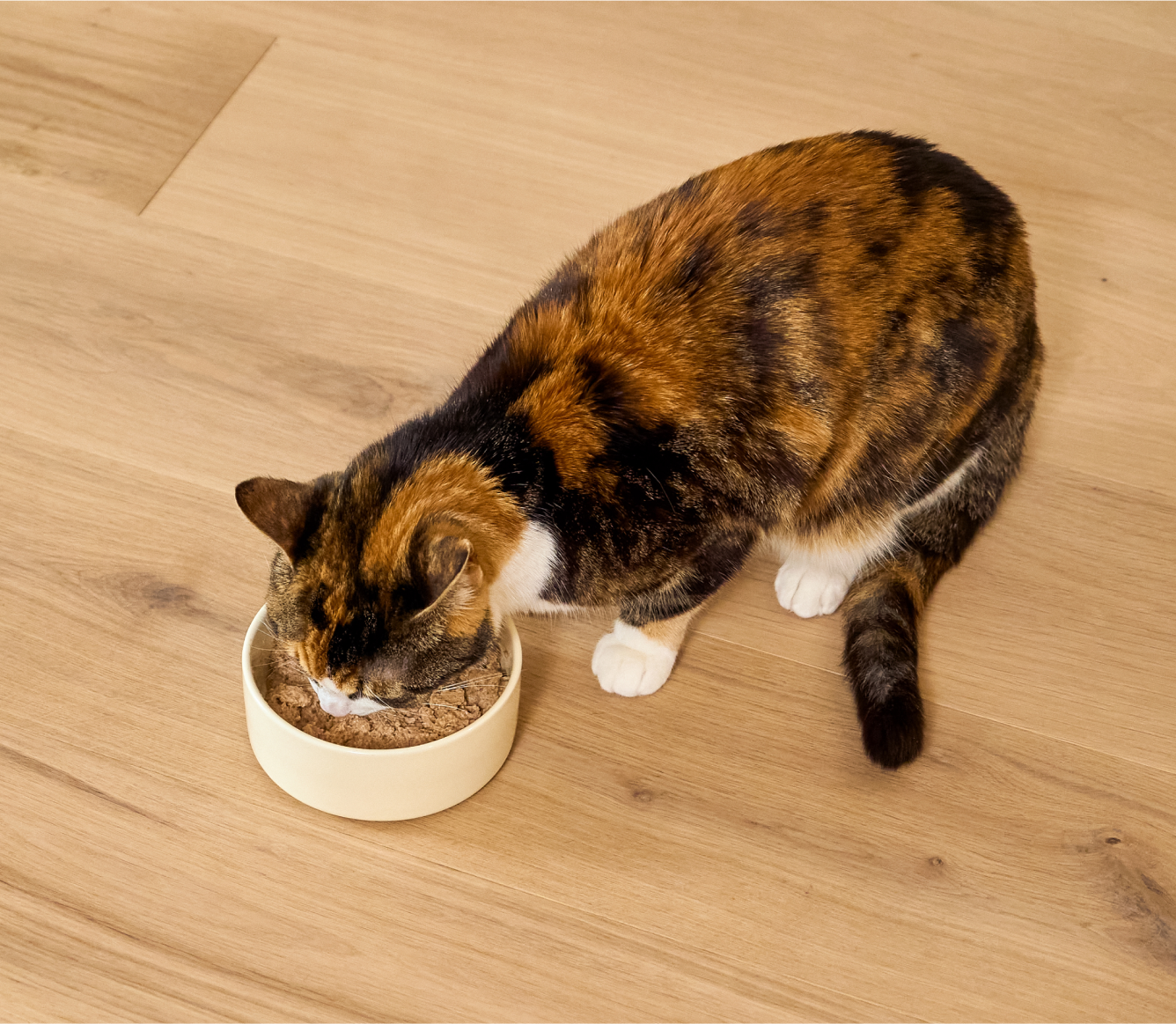
Your cat may reject pate because of texture, smell, illness, stress, or a learned food preference.
If you are wondering, “why won't my cat eat pate,” you are not alone. Cats can be very selective, and a sudden food refusal may be harmless—or may signal dental pain, nausea, or another health problem. This guide explains the common causes, safe steps to try at home, and when your cat needs a veterinarian.

Why Won’t My Cat Eat Pate?
Pate is smooth, soft, and finely blended. Some cats enjoy this texture, while others dislike it because it feels sticky or pasty in their mouth. A cat that prefers shreds, chunks, gravy, or crunchy food may turn away from pate even when it smells appealing.
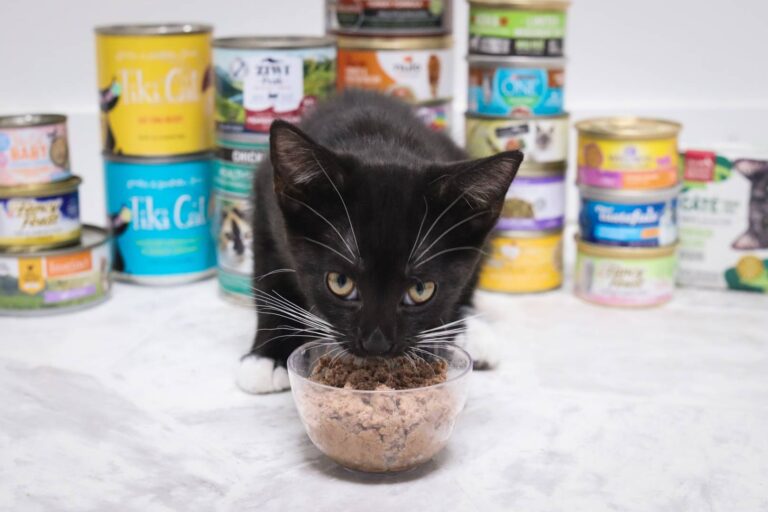
The answer to why won't my cat eat pate often comes down to personal preference. Cats use smell, texture, temperature, and taste to judge food. They may also connect a certain food with a past upset stomach.
Other cats reject pate because the food is new. Cats often prefer familiar meals, and sudden changes can make them cautious. Even a new flavor from the same brand may seem completely different to a cat.
Common Reasons Your Cat Rejects Pate
Your cat dislikes the texture
Texture is one of the biggest reasons why won't my cat eat pate has a simple answer. Some cats like firm food that they can chew. Others prefer small pieces in gravy because the food feels more like prey.
A cat may lick the gravy from pate but leave the rest behind. This does not always mean the cat dislikes the flavor. It may simply dislike the smooth mouthfeel.
Try offering a small amount beside a food your cat already enjoys. Do not mix a large amount of pate into the old food at first. That can make your cat reject the entire meal.
The smell is not strong enough
Cats depend heavily on scent when choosing food. Cold food has less smell, so a refrigerated serving may seem uninteresting. This is one reason why won't my cat eat pate may happen after you open a new container.
Warm the food slightly by placing the dish in warm water for a few minutes. The food should be lukewarm, never hot. Stir it well and test the temperature before serving.
Avoid microwaving food in a metal dish. If you use a microwave, heat only a small amount in a safe bowl and stir it carefully to remove hot spots.
The flavor has changed
Manufacturers may change ingredients, suppliers, or recipes. Even small changes can matter to a sensitive cat. If your cat suddenly refuses a familiar pate, compare the new label with the old one if you still have it.
Check the expiration date, package seal, color, and smell. Do not feed food that looks spoiled, smells sour, or has a damaged container.
Your cat prefers dry food
Cats that grew up eating dry food may not recognize wet food as a meal. Pate also has a different smell and feel. A cat may sniff it, paw near it, and walk away.
This does not mean your cat is being stubborn. Food habits form over time. A slow and calm transition usually works better than removing all familiar food at once.
Stress is affecting appetite
Moving, visitors, loud sounds, new pets, and changes in routine can affect eating. Some cats will eat only when the room is quiet. Others may avoid food if their bowl is near a litter box, busy walkway, or noisy appliance.
Stress can explain why won't my cat eat pate, especially if your cat still acts normal and eats other food. Place the dish in a calm area. Give your cat space instead of watching closely.
The bowl is uncomfortable
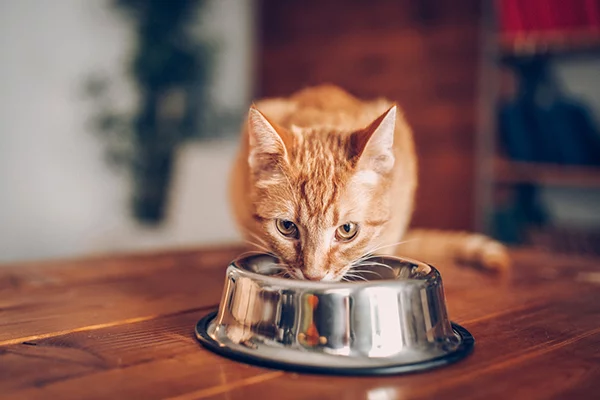
Some cats dislike deep bowls because their whiskers brush the sides. Others dislike plastic bowls because they hold odors or are harder to clean. A wide, shallow ceramic or stainless steel dish may help.
Wash the bowl after each wet meal. Old food smells can put off a sensitive cat. Keep water in a separate, clean bowl away from the litter box.

Health Problems That Can Cause Food Refusal
Food refusal should not always be treated as a behavior issue. If you are asking why won't my cat eat pate and your cat refuses all food, illness must be considered.
Dental pain
Dental disease can make chewing painful. A cat may approach the bowl, sniff it, and then leave. Drooling, bad breath, pawing at the mouth, dropping food, and chewing on one side are warning signs.
Pate is soft, but it can still hurt if a cat has mouth ulcers, sore gums, a broken tooth, or an infected tooth. A veterinary dental exam is the safest way to find the cause.
Nausea or stomach trouble
Nausea may cause lip licking, repeated swallowing, drooling, vomiting, or hiding. Some cats stop eating because they associate food with feeling sick.
Do not force-feed pate unless a veterinarian has shown you how. Force-feeding can increase stress and may cause food to enter the lungs.
Kidney, liver, or other disease
Illness can reduce appetite in older cats. Kidney disease, liver disease, diabetes, infections, intestinal problems, and pain may all affect eating.
Cats often hide signs of illness. A small appetite change can be an early clue. This is why why won't my cat eat pate deserves more attention when the change is sudden or lasts more than a short time.
Nasal congestion
A congested cat may struggle to smell food. Respiratory infections can cause sneezing, watery eyes, nasal discharge, and poor appetite.
Warming food can increase its aroma, but it will not treat the infection. Contact your veterinarian if breathing signs appear or your cat seems weak.
When to Call a Veterinarian
Call your veterinarian promptly if your cat refuses food and shows any of these signs:
• Vomiting or repeated diarrhea
• Severe tiredness, weakness, or hiding
• Trouble breathing
• Drooling or signs of mouth pain
• Yellow gums, eyes, or skin
• Straining to urinate or producing little urine
• A swollen or painful belly
• Sudden weight loss
• Dehydration or very dry gums
A healthy adult cat should not go without food for long. Cats that eat very little for several days can develop hepatic lipidosis, also called fatty liver disease. Overweight cats may face a higher risk, but any cat with prolonged food refusal needs veterinary advice.
Kittens, senior cats, and cats with diabetes or other chronic disease may need help sooner. If you are unsure why won't my cat eat pate, call the clinic rather than waiting for the problem to become severe.
How to Encourage Your Cat to Eat Pate
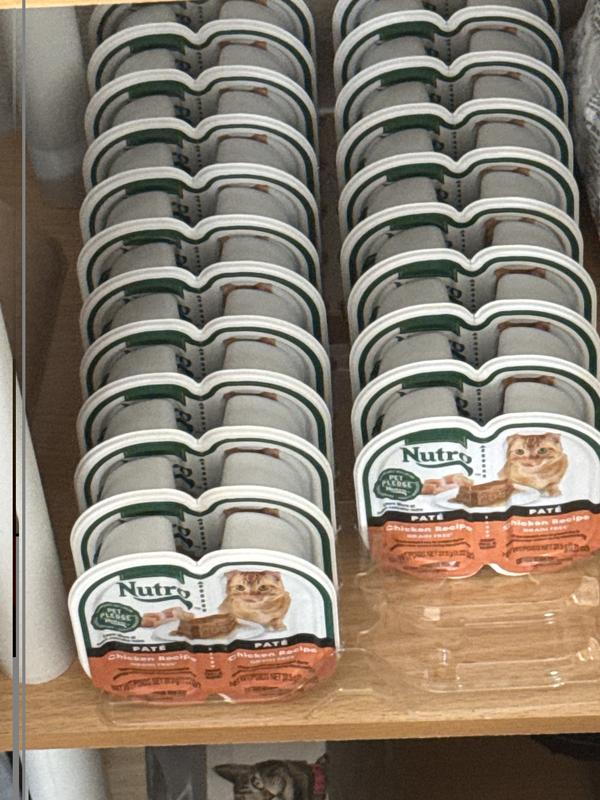
First, offer a tiny portion. A tablespoon is often enough for testing. Large servings can look overwhelming and may create more waste.
Try these steps:
-
Serve the pate at room temperature or warm it slightly.
-
Use a clean, shallow dish.
-
Offer the food in a quiet room.
-
Add a small amount of warm water to change the texture.
-
Mix in a little of a favorite wet food.
-
Try a different flavor from the same brand.
-
Offer pate beside, not directly mixed with, the familiar food.
-
Remove uneaten wet food after about 20 to 30 minutes.
Do not add onions, garlic, salty broth, butter, or human sauces. These ingredients may be unsafe for cats. Plain warm water is a safer choice for changing moisture and texture.
If your cat only licks the top, try stirring the pate with a fork. You can also press it into a thin layer on a plate. Some cats prefer to lick a spread rather than eat a mound.
A Safe Food Transition Plan
A slow transition can help answer why won't my cat eat pate when the main problem is unfamiliarity. Start with about 90 percent of the old food and 10 percent pate. Keep this mix for several days if your cat accepts it.
Then increase the new food in small steps:
• Days 1 to 3: 90 percent old food and 10 percent pate
• Days 4 to 6: 75 percent old food and 25 percent pate
• Days 7 to 9: 50 percent old food and 50 percent pate
• Days 10 to 12: 25 percent old food and 75 percent pate
• After day 12: 100 percent pate, if accepted
Some cats need two or three weeks. Move more slowly if your cat refuses a step. Never allow a planned transition to become prolonged fasting.
One practical lesson from cat-feeding cases is that owners often change too many things at once. They switch the flavor, bowl, location, and feeding time together. Make one change at a time so you can see what helps.

Is Pate Healthy for Cats?
Pate can be a healthy choice when it is labeled complete and balanced for your cat’s life stage. Look for a nutritional adequacy statement on the package. This shows that the food is designed to meet recognized cat nutrition standards.
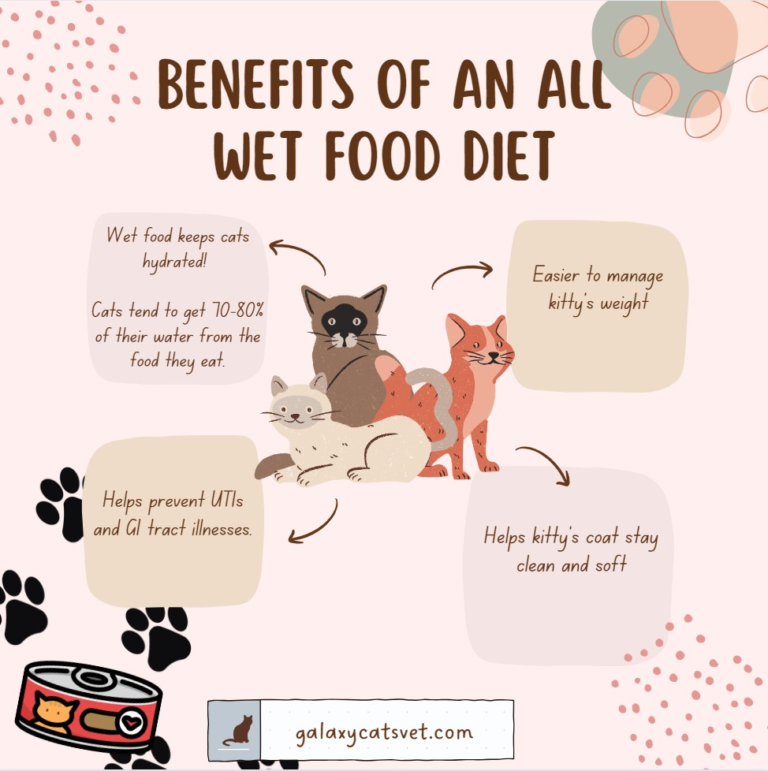
Wet food can provide more moisture than dry food. This may support overall water intake, which is useful for cats that do not drink much. However, wet food is not automatically better for every cat, and some cats do well on a balanced dry diet.
The best food depends on your cat’s age, health, weight, preferences, and veterinary needs. A cat with urinary disease, kidney disease, food allergies, or diabetes may need a specific therapeutic diet.
Treats and toppers should make up only a small part of the daily diet. Too many extras can upset the nutrient balance and make your cat hold out for tastier food.
Mistakes to Avoid When Your Cat Refuses Pate
Avoid turning meals into a battle. Chasing your cat with a spoon or forcing food into the mouth can increase fear. It may also make future meals harder.
Do not keep offering endless choices. A buffet of foods can teach some cats to wait for a favorite option. Offer a reasonable meal, give your cat quiet time, and keep a simple record of what your cat eats.
Avoid sudden fasting as a training method. This is especially important if the reason why won't my cat eat pate could be pain or illness.
You should also avoid judging appetite by the bowl alone. Measure the food you serve and note how much remains. Check for vomiting, stool changes, water intake, and weight changes. These details help your veterinarian.
Frequently Asked Questions
Why won’t my cat eat pate but will eat dry food?
Your cat may prefer the crunch, smell, or familiar texture of dry food. Try a gradual change and offer pate at room temperature, but do not force the switch if your cat stops eating.
Why won’t my cat eat pate but lick the gravy?
Your cat may like the flavor but dislike the thick texture. Mash the food with warm water, or try minced pieces or shreds in gravy instead.
Should I warm pate before serving it?
Slightly warming pate can make its smell stronger and more appealing. Use warm water or a short, careful heating step, then stir and check the temperature before serving.
How long can a cat go without eating?
A cat should not be left without food for an extended period. Contact a veterinarian if your cat eats nothing for about 24 hours, or sooner if the cat is young, elderly, overweight, sick, vomiting, or acting weak.
Can a cat suddenly stop liking a food?
Yes. Cats may react to a recipe change, spoiled food, stress, dental pain, nausea, or another illness. A sudden change in appetite deserves close observation and veterinary advice if it continues.
Is pate better than dry food for cats?
Neither is always best for every cat. Pate can add moisture, while dry food may be convenient and familiar; the key is a complete and balanced diet that suits your cat’s health and needs.
Conclusion
The question “why won't my cat eat pate” often has a simple answer, such as texture, temperature, smell, or habit. Still, appetite loss can also point to dental pain, nausea, stress, or disease. Offer small portions, make gentle changes, and watch your cat’s behavior closely.
If your cat refuses all food, seems ill, loses weight, or shows pain, contact a veterinarian without delay. Try the feeding steps in this guide, keep a clear food record, and share your experience or questions in the comments.