Why Does My Cat Eat But Lose Weight: Causes And Solutions
A cat may eat but lose weight because illness prevents proper digestion, nutrient use, or healthy calorie storage.
If you are asking, “why does my cat eat but lose weight,” you are right to take it seriously. Weight loss can be easy to miss, especially under a thick coat, yet it may signal diabetes, thyroid disease, intestinal trouble, dental pain, or cancer. This guide explains the main causes, warning signs, testing process, and safe next steps.
Why does my cat eat but lose weight?
When a cat eats well but keeps losing weight, the body may not be using food normally. In simple terms, calories enter the body, but they do not become healthy body tissue.
This can happen when:
• The body burns calories too quickly
• Food is not digested or absorbed well
• A disease causes muscle and fat loss
• The cat loses calories through urine or stool
• Pain, stress, or illness changes normal body function
Some cats also seem hungry all the time. This is called polyphagia, or increased appetite. Polyphagia with weight loss is more concerning than a small change in appetite alone.
A cat’s weight can change for many reasons, but ongoing loss is not normal. Even a loss of 5% to 10% of body weight may matter. For example, a 10-pound cat that loses one pound has lost 10% of its body weight.
Common medical causes of weight loss in cats
Several health problems can explain why does my cat eat but lose weight. The most likely cause depends on the cat’s age, thirst, urine habits, stool, energy, and medical history.
Hyperthyroidism
Hyperthyroidism is common in older cats. An overactive thyroid gland makes the body work faster than normal.
A cat with hyperthyroidism may:
• Eat more than usual
• Lose weight
• Drink more water
• Urinate more often
• Vomit or have loose stool
• Act restless or unusually active
• Have a fast heartbeat
Many cats with this condition look bright and hungry at first. That can make the weight loss easy to dismiss. Blood testing can usually detect abnormal thyroid hormone levels.
Diabetes mellitus
Diabetes occurs when the body cannot use sugar properly. In cats, this often happens because insulin does not work well enough.
Typical signs include:
• Increased thirst
• More urine in the litter box
• Strong appetite
• Weight loss
• Weakness in the back legs in some cats
A diabetic cat may eat normally or even eat more while its cells lack usable energy. The body then breaks down fat and muscle for fuel.
Intestinal disease and poor nutrient absorption
A cat may eat but lose weight when the intestines cannot absorb nutrients. Inflammatory bowel disease, intestinal parasites, and some cancers can interfere with digestion.
Signs may include:
• Chronic vomiting
• Diarrhea or soft stool
• Large or greasy stools
• Gas
• A dull coat
• A swollen or painful belly
Some cats have only weight loss. That is why a normal-looking stool does not rule out intestinal disease.
Exocrine pancreatic insufficiency
The pancreas makes enzymes that help digest fat, protein, and carbohydrates. If it does not produce enough enzymes, food passes through without being fully used.
Cats with this problem may have:
• A strong appetite
• Weight loss
• Frequent or large stools
• Pale, loose, or greasy feces
• A messy coat from poor grooming
This condition is less common than hyperthyroidism or diabetes, but it can be treated once confirmed.
Cancer
Cancer can cause weight loss through many pathways. It may reduce nutrient absorption, increase inflammation, or raise the body’s energy needs.
A cat with cancer may still eat well. Other signs can include vomiting, diarrhea, a lump, weakness, breathing changes, or hiding. These signs do not prove cancer, but they should always prompt a veterinary exam.
Dental pain
Dental disease usually causes cats to eat less, but some cats keep eating despite pain. They may swallow food without chewing or choose soft food.
Watch for:
• Dropping kibble
• Chewing on one side
• Bad breath
• Pawing at the mouth
• Drooling
• Red or bleeding gums
Pain can also raise stress hormones and contribute to muscle loss. A full oral exam may require sedation because cats often hide mouth pain.

Other reasons a cat loses weight despite eating
Not every case is caused by one major disease. Diet, behavior, and home changes can also play a role.
The cat is not eating as much as you think
A cat may visit the bowl often but consume only small amounts. This can happen when several pets share food or when another animal guards the bowl.
Measure the food offered and the food left over. If possible, feed the cat in a quiet room and track the exact amount for several days.
The food does not provide enough calories
Some diets have fewer calories per cup than others. A cat may eat the same volume but receive less energy.
This can happen with:
• A new weight control diet
• Homemade food that lacks balance
• Too many treats replacing meals
• An incorrect food label estimate
• Food that has gone stale
• A diet that does not match the cat’s health needs
Do not simply increase food without finding the cause. Extra calories may worsen diabetes, intestinal disease, or liver problems.
Stress changes the body
Moving, a new pet, construction noise, or conflict between cats can affect eating and weight. Some cats eat to cope with stress, while others lose weight quietly.
Stress alone should not be assumed until medical causes have been checked. Cats often hide illness, and stress can occur at the same time as disease.
Muscle loss is mistaken for fat loss
Older cats may lose muscle along the spine, hips, and legs. Their body weight may fall slowly, even if they still eat well.
Run your hands gently over the back and hips. You should feel the bones, but they should not feel sharp or bare. A veterinarian can assess body condition and muscle condition separately.

Warning signs that need prompt veterinary care
The answer to why does my cat eat but lose weight may be urgent if other symptoms are present. Contact a veterinarian soon if weight loss continues for more than a week or two.
Seek same-day care if your cat has:
• Repeated vomiting or severe diarrhea
• Extreme weakness or collapse
• Trouble breathing
• Yellow skin, eyes, or gums
• A painful or swollen abdomen
• Little or no urine
• Blood in vomit, stool, or urine
• Severe dehydration
• A sudden loss of appetite
A cat that stops eating is also at risk. Cats can develop hepatic lipidosis, or fatty liver disease, after several days of poor food intake. Overweight cats may face an especially high risk.
Do not wait for a cat to look very sick. Weight loss can begin weeks before a serious illness becomes obvious.
How a veterinarian finds the cause
A good diagnosis starts with details from home. Before the visit, record your cat’s food, water, urine, stool, behavior, and weight.
Your veterinarian may ask:
• When did the weight loss begin?
• Has appetite increased, decreased, or stayed the same?
• What food and treats does your cat receive?
• Has thirst or urination changed?
• Has there been vomiting or diarrhea?
• Are other pets eating from the same bowl?
• Has your cat taken medication or supplements?
The exam may include a mouth check, thyroid check, abdominal palpation, heart rate, body condition score, and muscle assessment.
Common tests include:
- Complete blood count to check for anemia, infection, and other changes
- Blood chemistry to assess the liver, kidneys, glucose, proteins, and electrolytes
- Urinalysis to check urine concentration, glucose, infection, and kidney function
- Thyroid testing for hyperthyroidism
- Fecal testing for parasites
- Pancreatic testing when poor digestion is suspected
- X-rays or ultrasound when imaging is needed
No single test finds every cause. A normal result is helpful, but it may not end the investigation if weight loss continues.

What to do at home while waiting for an appointment
Safe tracking can help your veterinarian and protect your cat.
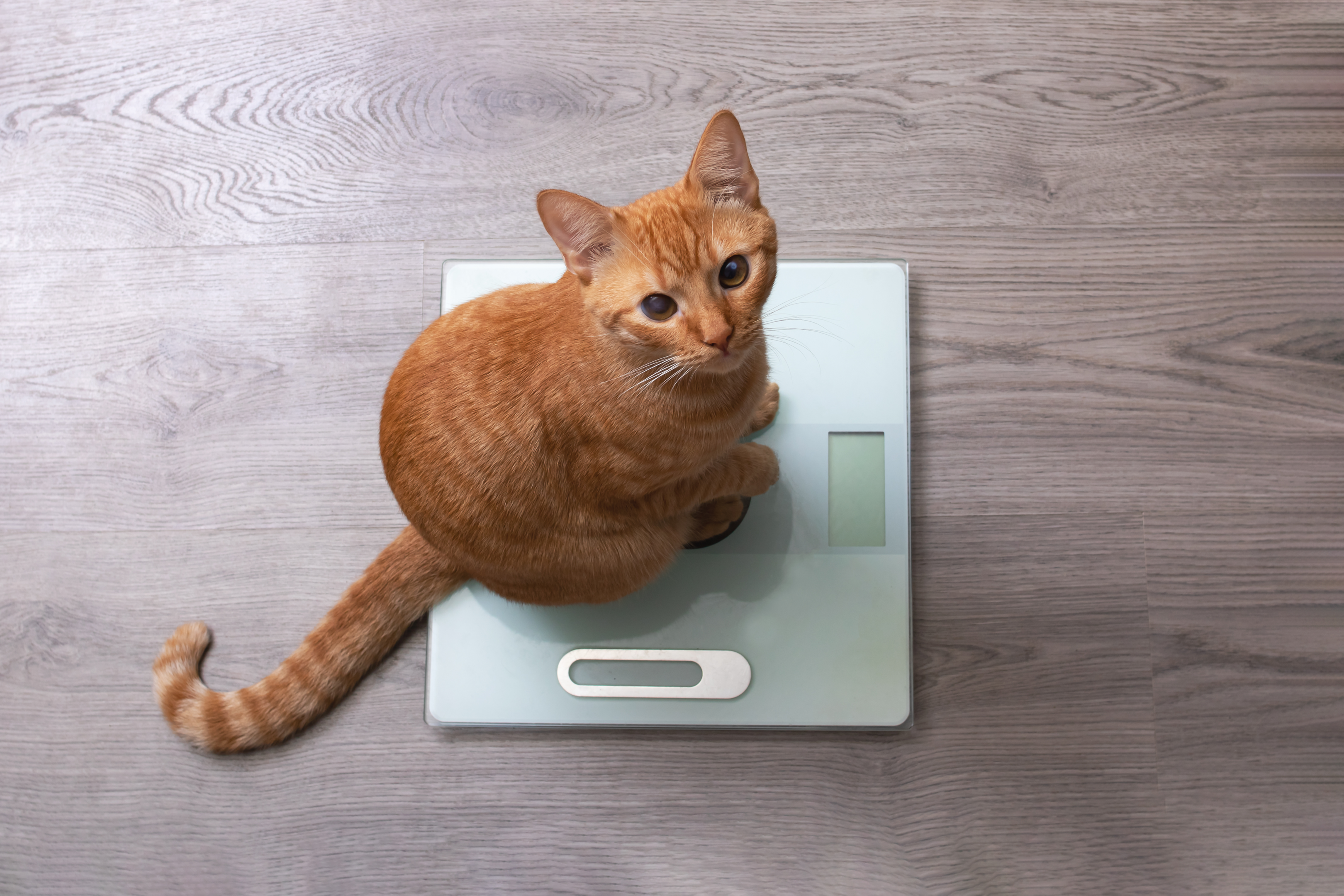
Weigh your cat
Use a baby scale or weigh yourself while holding your cat, then subtract your weight. Try to weigh at the same time of day and under similar conditions.
Write down the result. A trend is more useful than one number.
Measure food carefully
Record:
• The brand and recipe
• The amount offered
• The amount eaten
• Treats and table food
• Any food another pet may provide
Avoid sudden diet changes. A rapid change can cause stomach upset and make the pattern harder to understand.
Track water and litter box habits
More water and urine can point toward diabetes or kidney disease. Changes in stool size, color, smell, or frequency may suggest poor digestion.
Do not force water or food into your cat’s mouth. This can cause choking or food inhalation.
Keep the cat comfortable
Offer a quiet feeding area. Keep food fresh, use clean bowls, and reduce competition from other pets.
Do not give human medicine. Many common drugs, including acetaminophen and some pain relievers, can be toxic to cats.
Treatment depends on the underlying problem
There is no single best treatment for a cat that eats but loses weight. The plan must match the cause.
Possible treatments may include:
• Medication for hyperthyroidism
• Insulin and diet management for diabetes
• Deworming for parasites
• Prescription food for intestinal disease
• Digestive enzymes for pancreatic insufficiency
• Dental treatment for painful teeth
• Fluid support for dehydration
• Surgery, chemotherapy, or other care for certain tumors
Your cat may need more calories, but feeding more is not always the main answer. If the body cannot use nutrients, the disease must be treated first.
Ask the veterinarian what improvement should look like. Some cats regain energy within days, while healthy weight gain may take weeks or months.

Feeding tips for healthy weight gain
If your veterinarian approves a feeding plan, use small, regular meals. Many cats prefer several meals rather than one large serving.
Helpful steps include:
• Choose a complete and balanced cat food
• Follow the veterinarian’s calorie target
• Warm wet food slightly to improve its smell
• Offer food in a calm, low-traffic place
• Use a clean, wide bowl if whisker contact seems bothersome
• Limit treats to a small part of daily calories
• Keep a daily food log
Avoid force-feeding unless a veterinary professional has shown you how. Feeding by mouth when a cat resists can cause aspiration pneumonia and food aversion.
High-calorie supplements are not always safe. Some may upset the stomach or provide an unbalanced diet. Ask before using them.

Mistakes to avoid when your cat is losing weight
Well-meaning owners can accidentally delay care. These common mistakes are worth avoiding.
• Assuming a good appetite means the cat is healthy
• Waiting until the cat looks thin
• Changing foods many times in a short period
• Giving milk, raw meat, or human supplements without advice
• Counting treats as “too small to matter”
• Ignoring dental disease
• Using leftover medication from another pet
• Treating parasites without testing or veterinary guidance
A cat can look cheerful while being medically unwell. Appetite is one clue, not a complete health report.
One practical lesson from many feline health cases is to trust the scale. People often notice a thin back or loose collar only after weeks of change. Regular home weights can reveal trouble much earlier.

Can weight loss be prevented?
Some causes cannot be fully prevented, but early care lowers risk and improves treatment options.
Schedule routine wellness exams, especially for senior cats. Your veterinarian may recommend blood and urine tests based on age and health history.
At home:
• Feed a balanced diet made for cats
• Keep parasite prevention up to date
• Check the mouth and coat during grooming
• Monitor weight every few weeks
• Provide fresh water in more than one place
• Reduce conflict between household pets
• Report lasting appetite, thirst, or litter box changes
Senior cats often benefit from more frequent monitoring. Cats age faster than people, so a small change can matter.
Frequently Asked Questions
Why does my cat eat but lose weight and drink more water?
Increased thirst and urination with weight loss can occur with diabetes, kidney disease, or hyperthyroidism. A blood test and urinalysis are needed to tell these problems apart.
Is it normal for an older cat to lose weight?
Some muscle loss can occur with age, but ongoing weight loss is not considered normal aging. Older cats should be checked for hyperthyroidism, kidney disease, dental problems, intestinal disease, and cancer.
Why does my cat eat but lose weight even though its stool looks normal?
Normal stool does not rule out diabetes, hyperthyroidism, dental pain, or early intestinal disease. Weight trends and other signs help guide the needed tests.
Can worms make a cat eat but lose weight?
Yes. Some intestinal parasites can reduce nutrient absorption or cause blood loss. Fecal testing helps identify parasites, and treatment should match the specific parasite.
Should I give my cat more food if it is losing weight?
Do not increase food sharply before speaking with a veterinarian. Extra food may not fix the cause, and sudden changes can trigger vomiting or diarrhea.
When is weight loss an emergency in cats?
Weight loss with weakness, repeated vomiting, breathing trouble, yellow gums, severe dehydration, or refusal to eat needs urgent care. A cat that has stopped eating should be assessed promptly because fatty liver disease can develop.
Conclusion
The answer to why does my cat eat but lose weight may involve diabetes, hyperthyroidism, poor nutrient absorption, parasites, dental pain, cancer, stress, or a diet problem. Appetite alone cannot show whether a cat is healthy.
Track your cat’s weight, food, water, and litter box habits. Arrange a veterinary visit if the weight loss continues, and seek urgent help when serious symptoms appear. Early testing gives your cat the best chance for effective treatment and a comfortable life. Share this guide with another cat owner and explore trusted veterinary resources for more practical feline health advice.