Why Do Cats Prefer Wet Food: Top Reasons Explained
Cats prefer wet food because its strong aroma, soft texture, high moisture, and meat-like taste match their natural instincts.
Understanding why do cats prefer wet food can make mealtimes easier and help you choose a diet that fits your cat’s age, health, and habits. Wet food is not automatically better for every cat, but its smell, texture, and water content often make it more appealing than kibble. This guide explains the science, benefits, limits, and practical feeding tips in simple terms.

Why do cats prefer wet food?
The main reason cats prefer wet food is that it closely matches the sensory features of fresh prey. Cats are natural hunters, and they often respond to food that smells like meat, feels moist, and has a soft texture.
Dry food can still be healthy when it is complete and balanced. However, kibble has less water and a weaker smell. Since cats rely heavily on their sense of smell when choosing food, this difference matters.
Here are the most common reasons cats choose wet food:
• Wet food has a stronger meat aroma.
• Its soft texture is easy to chew and swallow.
• It contains much more water than dry food.
• The taste often seems richer and more intense.
• It can feel closer to the texture of natural prey.
• Many cats enjoy variety in flavor, texture, and temperature.
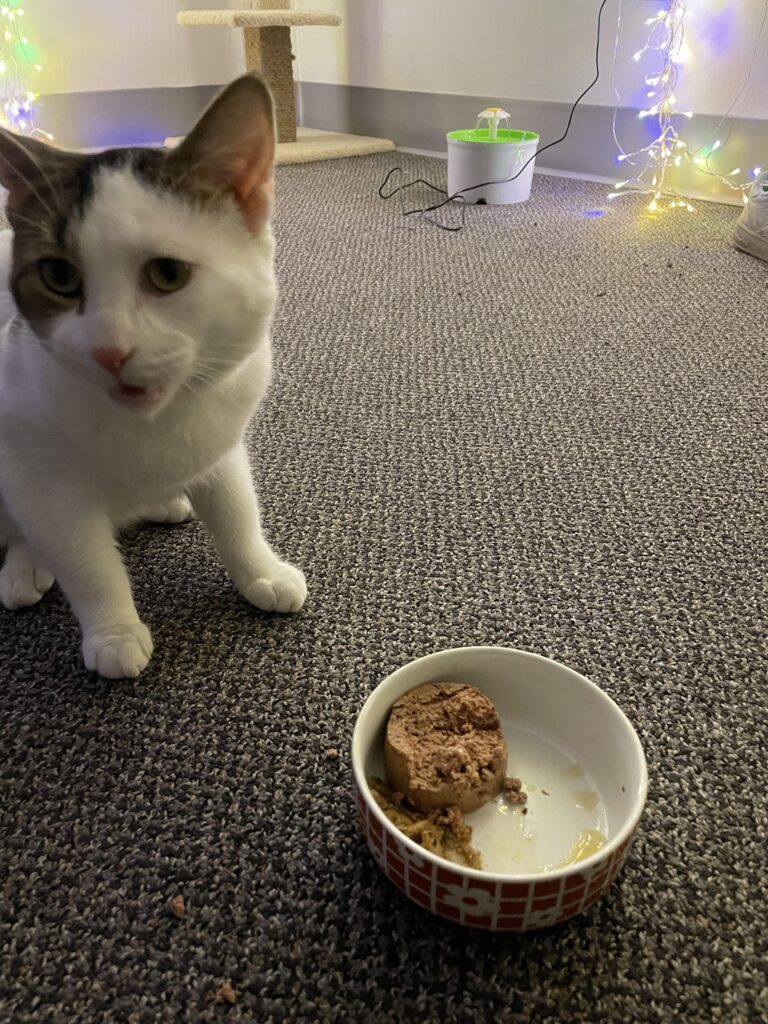
Cats are also cautious eaters. A sudden change in smell or texture may make them refuse a meal. This is why one cat may love pâté while another prefers shredded meat in gravy.
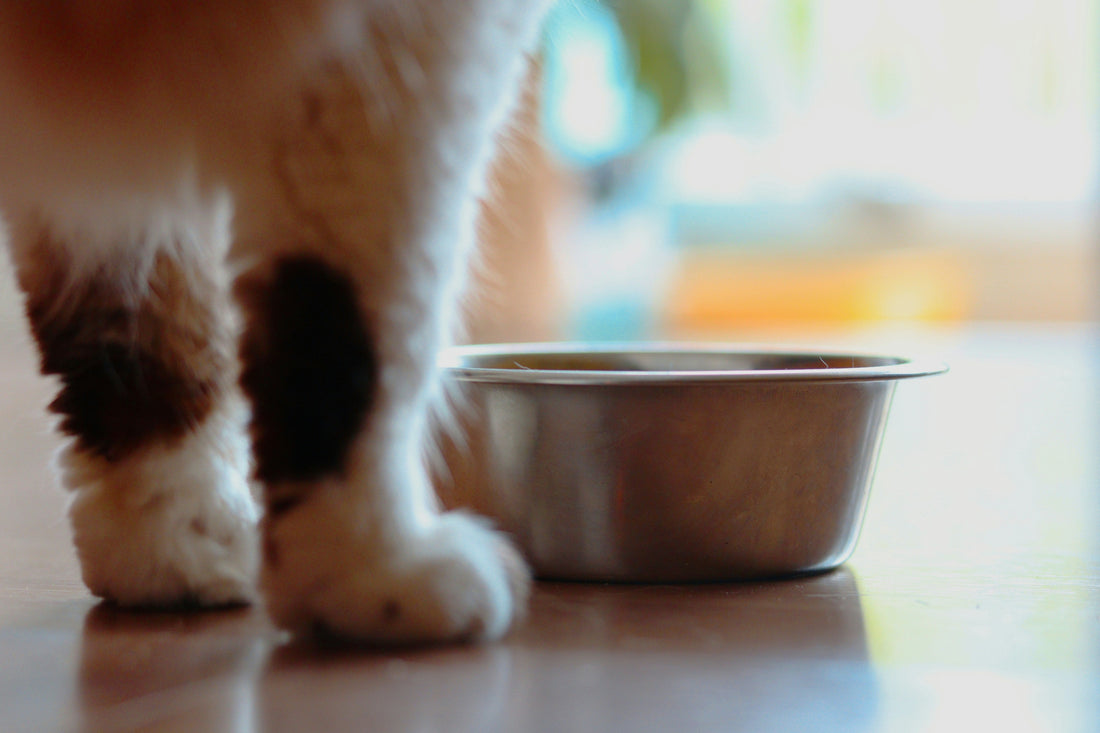
Wet food smells stronger and tastes more appealing
Smell plays a major role in feline appetite. A cat has a highly developed sense of smell, and aroma helps it judge whether food is fresh and worth eating.
Wet food releases more scent because it contains water and oils. Warming it slightly can make the aroma even stronger. This may encourage a picky cat to take the first bite.
Dry food has a lower moisture level. Its smell can fade after the bag is opened, especially if it is stored in a warm place or left in a bowl for many hours.
Cats also respond to taste compounds linked to meat. Unlike humans, cats cannot taste sweetness well. They are obligate carnivores, which means their bodies need nutrients found in animal tissues, such as taurine and certain amino acids.
This helps explain why do cats prefer wet food with meat-based flavors. The food may offer a scent and taste that fit their biological needs.
Still, flavor preference is personal. Some cats like chicken, while others prefer fish, turkey, or beef. A cat may also reject a food after eating it often, then accept it again weeks later.

Wet food has a soft texture cats often enjoy
Texture is another important part of the answer to why do cats prefer wet food. Wet food comes in many forms, including:
• Smooth pâté
• Minced meat
• Shredded pieces
• Chunks in gravy
• Morsels in broth
Soft food can be easier for kittens, older cats, or cats with sore mouths. Dental disease is common in adult and senior cats, and chewing hard kibble may feel painful when the gums or teeth are inflamed.
A cat with mouth pain may approach the bowl, sniff the food, and walk away. Some cats also drop kibble, chew on one side, or swallow pieces without chewing.
Wet food is not a cure for dental disease. In fact, some soft foods may leave more residue around the teeth than specially designed dental diets. If your cat shows signs of oral pain, a veterinary exam is important.
Texture can also affect comfort. A cat that dislikes large chunks may eat smooth pâté. Another cat may refuse pâté but enjoy shredded pieces. Finding the right texture can be as important as finding the right flavor.
Wet food provides more moisture
One of the clearest health benefits of wet food is its water content. Most canned and pouched cat foods contain about 70% to 80% moisture, while dry food often contains around 6% to 10%.
Cats evolved from desert-dwelling ancestors. They may not always drink enough from a water bowl because wild cats get much of their water from prey. As a result, many cats have a low natural thirst drive.
Wet food can help increase daily water intake. This is useful for cats that rarely drink, although it does not replace fresh water.
Extra moisture may support:
• Normal urine production
• Bladder health
• Kidney function
• Softer hydration status during illness
• Better fluid intake for cats prone to urinary issues
Research on feline diets suggests that higher moisture intake can increase urine volume and reduce urine concentration. This may be helpful for some cats with urinary concerns, but diet alone cannot prevent every urinary problem.
Cats with kidney disease, urinary crystals, diabetes, or other medical conditions need an individualized plan. Ask your veterinarian before changing a therapeutic diet.

Wet food can support appetite and healthy eating
Wet food may help cats eat enough calories when their appetite is low. Its smell and soft texture can be useful after illness, surgery, stress, or a move to a new home.
Older cats may also eat better when food is easy to chew and smells strong. However, a lasting appetite change should never be dismissed as simple fussiness.
Contact a veterinarian if your cat:
• Refuses food for about 24 hours
• Eats much less than usual
• Loses weight
• Vomits often
• Has diarrhea
• Hides or acts weak
• Drinks or urinates much more than usual
Cats can develop serious liver problems after going without food, especially if they are overweight. Never force-feed a cat unless a veterinarian has shown you how to do it safely.
Wet food can also help with portion control. It often contains fewer calories per gram than dry food because of its water content. The cat may receive a larger-looking meal with fewer calories, which can help some cats feel satisfied.
Always check the feeding guide and calorie information. A large serving of wet food can still lead to weight gain if it exceeds your cat’s needs.
Is wet food better than dry food?
There is no single best choice for every cat. The better question is whether the food is complete, balanced, safe, and suitable for your cat’s health needs.
A complete and balanced cat food should provide the nutrients required for the cat’s life stage. Look for a nutritional adequacy statement on the label. This statement shows whether the food is designed for growth, adult maintenance, or all life stages.
Wet food may be a good choice when your cat:
• Does not drink much water
• Has trouble chewing
• Needs help with portion control
• Has a strong preference for soft textures
• Needs a higher-moisture diet recommended by a veterinarian
Dry food may be useful when your cat:
• Prefers crunchy texture
• Needs food in a puzzle feeder
• Has a feeding schedule that requires food to stay out
• Eats a complete and balanced kibble well
Some cats do well on a combination of wet and dry food. Mixed feeding can offer moisture and texture variety while keeping meals convenient.
The key is to count calories from both foods. Treats, toppers, and table scraps count too.

Why some cats still prefer dry food
Although why do cats prefer wet food is a common search, not every cat prefers it. Some cats choose dry food because they like its crunch, smell, or routine.
Kibble is also easy to leave out for measured grazing. Its texture may provide mild mechanical cleaning, but ordinary dry food should not be considered a substitute for tooth brushing or professional dental care.
A cat may prefer dry food because:
• It grew up eating kibble.
• It dislikes gravy or strong smells.
• It enjoys crunchy textures.
• The dry food is more familiar.
• Wet food was introduced too quickly.
• The cat has learned that refusing food brings extra treats.
A preference does not always mean the food is healthier. It simply shows what your cat finds familiar and rewarding.
Avoid turning meals into a battle. Pressure can create stress and make food refusal worse. Offer a suitable diet calmly and make changes in small steps.
How to switch a cat to wet food
A slow transition is usually easier than an overnight change. Many cats dislike sudden changes because they depend on familiar smells.
Try this process:
-
Offer a small spoonful of wet food beside the normal meal.
-
Let your cat inspect it without pressure.
-
Keep the original food available at first.
-
Increase the wet food amount slowly over one to two weeks.
-
Test different textures, such as pâté or shredded meat.
-
Serve food at room temperature or warm it slightly.
-
Remove uneaten wet food after a safe period.
Never heat food in a metal can or pouch. If you warm a small portion, stir it well and check the temperature before serving.
Do not hide medicine in a full meal unless your veterinarian approves. If the cat dislikes the medicine, it may begin avoiding the entire food.
One lesson many cat caregivers learn is that patience works better than tricks. A cat may need several calm exposures before accepting a new food. The goal is trust, not a quick win.
Safe storage and serving tips for wet cat food
Wet food spoils faster than dry food. Safe handling protects your cat from harmful bacteria and reduces waste.
Follow these habits:
• Wash the bowl after each meal.
• Refrigerate unused food in a sealed container.
• Use opened food within the time listed on the label.
• Do not leave wet food in a warm room for many hours.
• Serve smaller portions if your cat eats slowly.
• Keep the feeding area clean and quiet.
A shallow ceramic or stainless steel bowl may work better than a deep bowl. Some cats dislike having their whiskers touch the sides, although whisker sensitivity varies from cat to cat.
Store unopened cans and pouches in a cool, dry place. Do not use cans that are swollen, leaking, badly dented, or foul-smelling.
If your cat suddenly refuses a favorite wet food, check the batch, smell, texture, and expiration date. Food quality problems are uncommon, but they should not be ignored.
Common mistakes when feeding wet food
Wet food can be a great option, but a few mistakes can cause problems.
• Changing food too fast can cause digestive upset.
• Offering too many toppers can create a picky eater.
• Leaving food out too long can allow bacteria to grow.
• Ignoring calories can lead to weight gain.
• Choosing food without checking nutritional adequacy can cause nutrient gaps.
• Assuming wet food prevents dental disease can delay dental care.
• Treating a sudden appetite change as normal pickiness can hide illness.
Avoid feeding homemade diets unless they are formulated by a veterinary nutrition professional. Meat alone does not provide every nutrient a cat needs. Cats require a careful balance of vitamins, minerals, taurine, fatty acids, and amino acids.
Raw diets also carry food safety risks for cats and people. They may expose households to harmful bacteria and can cause nutritional imbalance if poorly designed.
How to choose a healthy wet food
When comparing wet foods, focus on the whole diet rather than one ingredient or marketing phrase.
Check for:
• A complete and balanced statement
• The correct life stage
• Clear calorie information
• A named animal protein
• Feeding directions
• Good manufacturing and storage details
“Premium,” “natural,” and “holistic” terms may sound helpful, but they do not always tell you whether the food is right for your cat. Ingredient lists also need context. A long list is not automatically better, and a short list is not automatically healthier.
For cats with medical conditions, choose food with veterinary guidance. Prescription diets are designed for specific needs and should not be replaced without professional advice.
If you are unsure, ask your veterinarian to review the label and daily calorie amount. A veterinary nutritionist can help with complex cases, food allergies, and homemade diet plans.
Why do cats prefer wet food but refuse new brands?
Cats often reject new brands because the smell, texture, shape, or fat level is different. They may also associate an unfamiliar food with a past episode of nausea.
Introduce new brands in tiny amounts. Try matching the old food’s texture first, then change flavors or formulas later.
Why do cats prefer wet food at room temperature?
Room-temperature food usually has a stronger smell than chilled food. A stronger aroma may make the meal more attractive, especially for cats with a low appetite.
Can wet food help a cat drink more water?
Yes, wet food adds water to the meal and can raise total daily moisture intake. Keep fresh drinking water available because food moisture may not meet every cat’s needs.
Do cats need both wet and dry food?
No. A complete and balanced wet diet can meet a cat’s nutritional needs, just as a complete and balanced dry diet can. Some cats enjoy a combination, but the total calorie intake must remain appropriate.
Is wet food good for cats with urinary problems?
It may increase water intake and urine volume, which can support some urinary care plans. However, cats with crystals, blockages, or urinary disease need veterinary advice and may require a specific therapeutic diet.
Can a cat eat only wet food?
Yes, if the wet food is complete and balanced for the cat’s life stage. Feed the correct amount, store it safely, and monitor body weight, stool quality, and appetite.
Conclusion
The answer to why do cats prefer wet food often comes down to scent, texture, taste, and moisture. Wet food can be easier to eat, more appealing to picky cats, and useful for increasing water intake. Still, dry food can also be healthy when it is complete, balanced, and fed in the right portion.
Choose food based on your cat’s health, age, body condition, and personal preference. Make changes slowly, keep meals fresh, and contact your veterinarian about any lasting appetite change. Try one practical step today, then share your cat’s favorite texture or feeding tip in the comments.