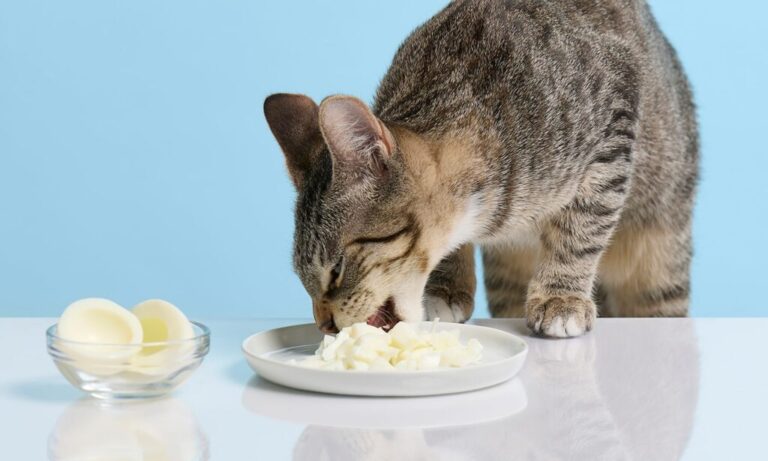
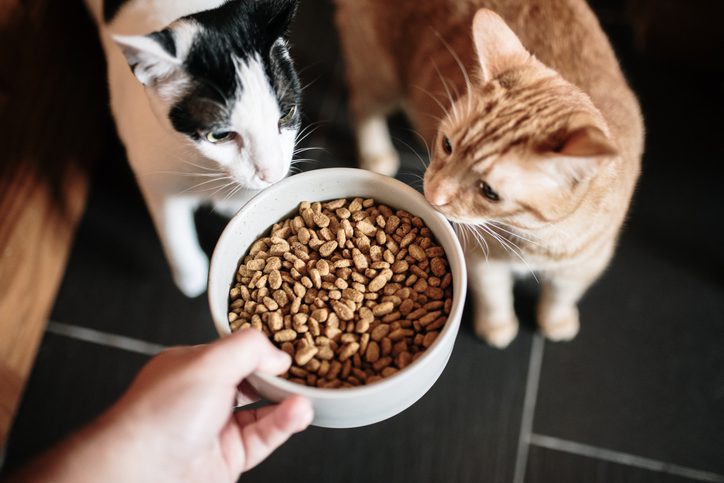
Why Does My Cat Refuse Food After Changing Brands: Reasons
Your cat may refuse food after changing brands because new smells, textures, and ingredients feel unfamiliar.
If you are asking, “why does my cat refuse food after changing brands,” you are not alone. Cats often treat food changes like a stranger entering their territory. Their strong sense of smell, fixed habits, and sensitive stomachs can all play a part. This guide explains the common causes, safe solutions, warning signs, and the best way to change your cat’s food.
Why does my cat refuse food after changing brands?
The most common reason is simple: the new food does not smell, taste, or feel like the old food. Cats rely heavily on scent when choosing what to eat. A small change in meat flavor, fat level, texture, or aroma may be enough for your cat to walk away.
Cats also prefer familiar routines. If your cat has eaten one brand for months or years, that food becomes part of the daily pattern. A sudden switch can feel like a break in that routine.
Common reasons include:
• The new food has a different smell.
• The kibble is larger, harder, or shaped differently.
• The wet food has a new texture or amount of gravy.
• The recipe contains a new protein, such as chicken instead of fish.
• The food is served at a different temperature.
• Your cat connects the new food with nausea or stomach discomfort.
• The food may be stale, spoiled, or poorly stored.
When people ask why does my cat refuse food after changing brands, they often assume the cat is being picky. Picky eating can happen, but it is not the only explanation. Dental pain, stress, illness, or nausea can also reduce appetite.

How cats react to new food
Cats have fewer taste buds than humans, but their sense of smell is much stronger. That means aroma often matters more than flavor. A food that seems pleasant to you may smell strange or weak to your cat.
Texture also matters. Some cats like smooth pâté. Others prefer chunks in gravy, shredded meat, or dry kibble. If your cat has a strong texture preference, changing from one style to another may lead to food refusal.
Age can make this more noticeable. Older cats may have dental disease, a weaker sense of smell, or health problems that make eating harder. A senior cat that suddenly rejects food needs closer attention than a healthy adult cat that skips one meal.
A useful way to understand why does my cat refuse food after changing brands is to think of the new food as a new language. Your cat may need time to recognize it as safe and familiar.

Other reasons your cat may stop eating
A brand change may not be the true cause. The timing can be misleading. Your cat may have developed a health problem at the same time the food changed.
Possible medical causes include:
• Dental disease or painful gums
• Nausea or vomiting
• Constipation
• Kidney disease
• Diabetes
• Liver disease
• Pancreatitis
• Intestinal blockage
• Respiratory illness that reduces the sense of smell
• Stress, fear, or changes at home
Cats often hide pain. A cat may look calm while feeling unwell. Refusing food can be one of the first visible signs of a problem.
Stress can also affect appetite. Moving house, adding a new pet, loud building work, visitors, or a dirty litter box may cause a cat to eat less. If you are wondering why does my cat refuse food after changing brands, check both the food and the wider environment.

Is the new cat food safe?
Check the package before assuming your cat dislikes the recipe. Look at the expiration date, seal, smell, and texture. Do not feed food that has a sour smell, damaged packaging, mold, insects, or an unusual appearance.
Dry food can lose its aroma when stored in warm or humid places. Wet food can spoil if it sits in the bowl for too long. Refrigerated wet food may also smell less appealing when served cold.
Choose food that is labeled as complete and balanced for your cat’s life stage. In the United States, this statement is regulated through nutritional standards. Kitten food, adult food, and senior diets are not always interchangeable.
If the new product is a prescription diet, follow your veterinarian’s instructions. A prescription diet may be important for kidney disease, urinary problems, food allergies, or other conditions. Still, your veterinarian may suggest a slower transition or a different approved formula if your cat refuses it.
How to change cat food safely
A gradual change is usually easier than a sudden switch. A slow transition gives your cat time to accept the new smell and lets the digestive system adjust.
Try this seven-day plan:
-
Days 1 and 2: Serve about 75% old food and 25% new food.
-
Days 3 and 4: Serve about 50% old food and 50% new food.
-
Days 5 and 6: Serve about 25% old food and 75% new food.
-
Day 7: Serve only the new food if your cat is eating well.
Some cats need two to three weeks. Go slower if your cat has a sensitive stomach or becomes reluctant to eat. If loose stool or vomiting develops, return to the last ratio your cat tolerated and contact your veterinarian if symptoms continue.
This gradual method is one of the best answers to why does my cat refuse food after changing brands. The new food becomes less of a surprise and more of a familiar part of the meal.

What to do when your cat refuses the new food
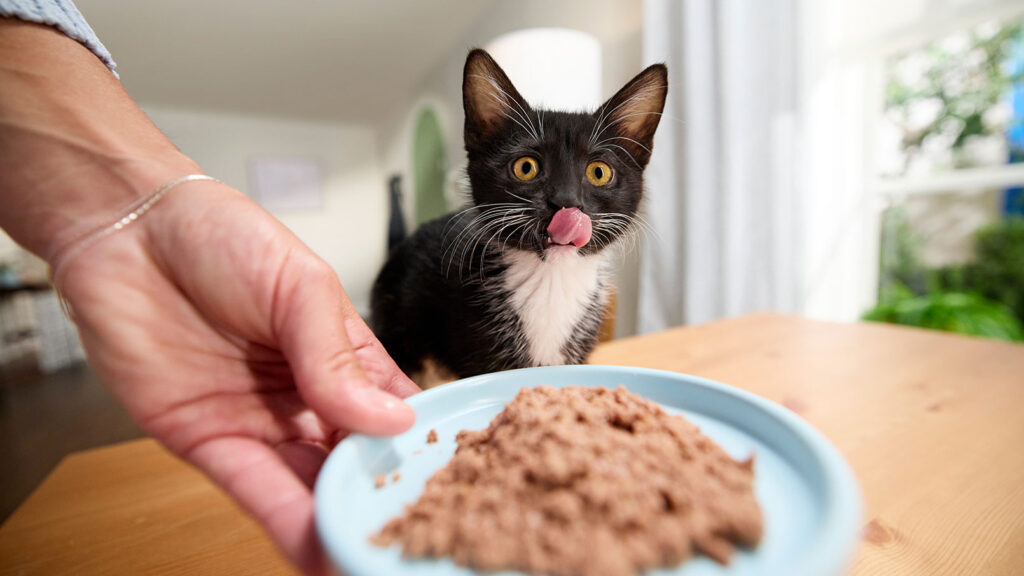
Do not force food into your cat’s mouth. Force-feeding can increase stress and may cause food aversion. Instead, make the new meal more familiar and appealing.
You can try:
• Mixing a small amount of the new food with the old food
• Warming wet food slightly to increase its smell
• Adding a little warm water to dry food
• Offering food in a clean, shallow dish
• Feeding in a quiet place away from dogs, children, and busy walkways
• Serving smaller portions more often
• Using the same feeding schedule each day
• Offering the food at room temperature rather than straight from the refrigerator
Avoid changing several things at once. If you add treats, toppers, broth, and a new bowl together, you will not know what helped. Some human foods and broths also contain onion, garlic, excess salt, or other ingredients that can harm cats.
One practical lesson many cat owners learn is that patience works better than pressure. A cat may reject a full bowl of new food but accept one teaspoon mixed with a familiar meal.

A simple real-life example
A common pattern looks like this: a cat eats the same chicken pâté for years, then the owner changes to a fish-based food. The cat sniffs it, scratches near the bowl, and walks away. The owner assumes the cat dislikes the brand, but the real issue may be the strong fish smell or the smooth texture.
In this situation, start with a small amount of the new food beside or under the old food. Keep the bowl in the same place. If the cat eats the old portion, increase the new food slowly over several days.
Another mistake is offering many replacement foods after every refusal. This can teach a cat that refusing dinner leads to a more exciting option. It is better to provide calm, steady choices while still making sure the cat eats enough.
This example shows why does my cat refuse food after changing brands cannot always be answered by the label alone. The protein, texture, smell, feeding place, and transition speed all matter.

How long can a cat go without eating?
Cats should not go without food for long. A healthy adult cat that skips one meal may simply be unsettled, but ongoing refusal needs attention. After about 24 hours without meaningful food, contact your veterinarian for advice.
Overweight cats face a special risk called hepatic lipidosis, or fatty liver disease. This can happen when the body rapidly breaks down fat during a period of poor eating. It can become serious and may require intensive treatment.
Kittens, senior cats, diabetic cats, and cats with chronic disease may need help sooner. Do not wait for severe weakness or repeated vomiting before asking for veterinary guidance.
When considering why does my cat refuse food after changing brands, focus on how much your cat is truly eating. Sniffing the bowl or licking a little gravy is not the same as eating a normal meal.
When to call a veterinarian
Contact a veterinarian promptly if your cat refuses food and shows any other concerning sign. Appetite loss can point to a medical problem that has nothing to do with the food brand.
Seek urgent veterinary care if your cat has:
• No food intake for about 24 hours
• Repeated vomiting or severe diarrhea
• Trouble breathing
• Extreme weakness or collapse
• A swollen or painful belly
• Yellow gums, eyes, or skin
• Straining to urinate or producing no urine
• Pale gums
• Signs of severe pain
• Sudden weight loss
• Excessive thirst or urination
Male cats with urinary blockage need emergency care. They may visit the litter box often, cry, lick the genital area, or pass little to no urine. This is not a food preference problem.
A veterinarian may examine the mouth, check hydration, feel the abdomen, and recommend blood tests or imaging. These steps help separate a simple food transition issue from illness.
How to choose a better replacement food
If the old brand is unavailable, choose a replacement with a similar profile. Matching the old food’s texture and main protein may make the change easier.
Compare:
• Wet, dry, pâté, shredded, or chunked texture
• Main animal protein
• Moisture level
• Calorie content
• Life-stage label
• Feeding instructions
• Guaranteed analysis on the package
Do not assume the most expensive food is automatically the best choice. A suitable diet should meet your cat’s nutritional needs, fit your veterinarian’s advice, and be something your cat will eat consistently.
If you suspect a food allergy, do not keep switching between random brands. Food allergy testing is limited, and a veterinarian may recommend a carefully managed elimination diet. During that trial, treats and flavored medicines may also affect the result.
The best answer to why does my cat refuse food after changing brands may be that the replacement is too different. A similar formula often creates a smoother transition.
Common mistakes to avoid
Food changes often fail because the process moves too fast. Avoid these common mistakes:
• Replacing the old food in one day
• Offering a large bowl of unfamiliar food
• Changing the bowl, location, schedule, and food at the same time
• Leaving wet food out for many hours
• Using human food as a regular topper
• Ignoring dental pain or other symptoms
• Waiting several days while the cat eats almost nothing
• Assuming a cat will eat when it becomes hungry enough
That last belief can be dangerous. A cat may continue refusing food even when hungry because nausea, pain, or stress is present. Cats are not always able to “give in” safely.
Keep a short food diary during the transition. Record the food offered, the amount eaten, vomiting, stool changes, water intake, and behavior. This information can help your veterinarian find patterns faster.
Frequently asked questions
Why does my cat refuse food after changing brands but eat treats?
Treats often have a stronger smell and more concentrated flavor than regular food. However, eating treats does not prove that your cat is healthy or getting enough nutrition. Limit treats and contact your veterinarian if normal meals remain untouched.
How long does it take a cat to accept a new food?
Many cats adjust within one to two weeks when the change is gradual. Some need longer, especially if they are older, anxious, or strongly attached to one texture.
Should I switch back to the old cat food?
If your cat is refusing nearly all food, returning to the familiar diet may help maintain intake while you seek veterinary advice. If the old food caused a medical problem or was removed for safety reasons, ask your veterinarian before using it again.
Can changing cat food cause vomiting or diarrhea?
Yes, a sudden diet change can upset the digestive system and cause soft stool or vomiting. Stop the transition and seek veterinary advice if symptoms are repeated, severe, bloody, or linked with poor appetite.
Why does my cat refuse food after changing brands even when the ingredients look similar?
Ingredient lists do not show every factor that affects acceptance. Cooking method, fat coating, aroma, moisture, shape, and texture can all differ between products.
Should I warm my cat’s wet food?
Slightly warming wet food can release more aroma and make it more appealing. Warm it only to room temperature or slightly above, and test it before serving so it is not hot.
Can stress cause a cat to stop eating after a food change?
Yes. A food change combined with travel, visitors, a new pet, or a different feeding area can reduce appetite. Give your cat a quiet feeding space and watch closely for medical signs.
Conclusion
The answer to why does my cat refuse food after changing brands is often a mix of unfamiliar smell, texture, routine, and sensitive digestion. Still, appetite loss can also signal dental pain, stress, nausea, or a serious illness.
Change food slowly, keep meals calm, check the package, and track how much your cat actually eats. If your cat refuses food for about 24 hours or shows other warning signs, contact a veterinarian promptly. Share your experience in the comments or explore more trusted cat-care resources to help your companion eat safely and confidently.