Why Is Kitten Food Higher In Calories: Explained
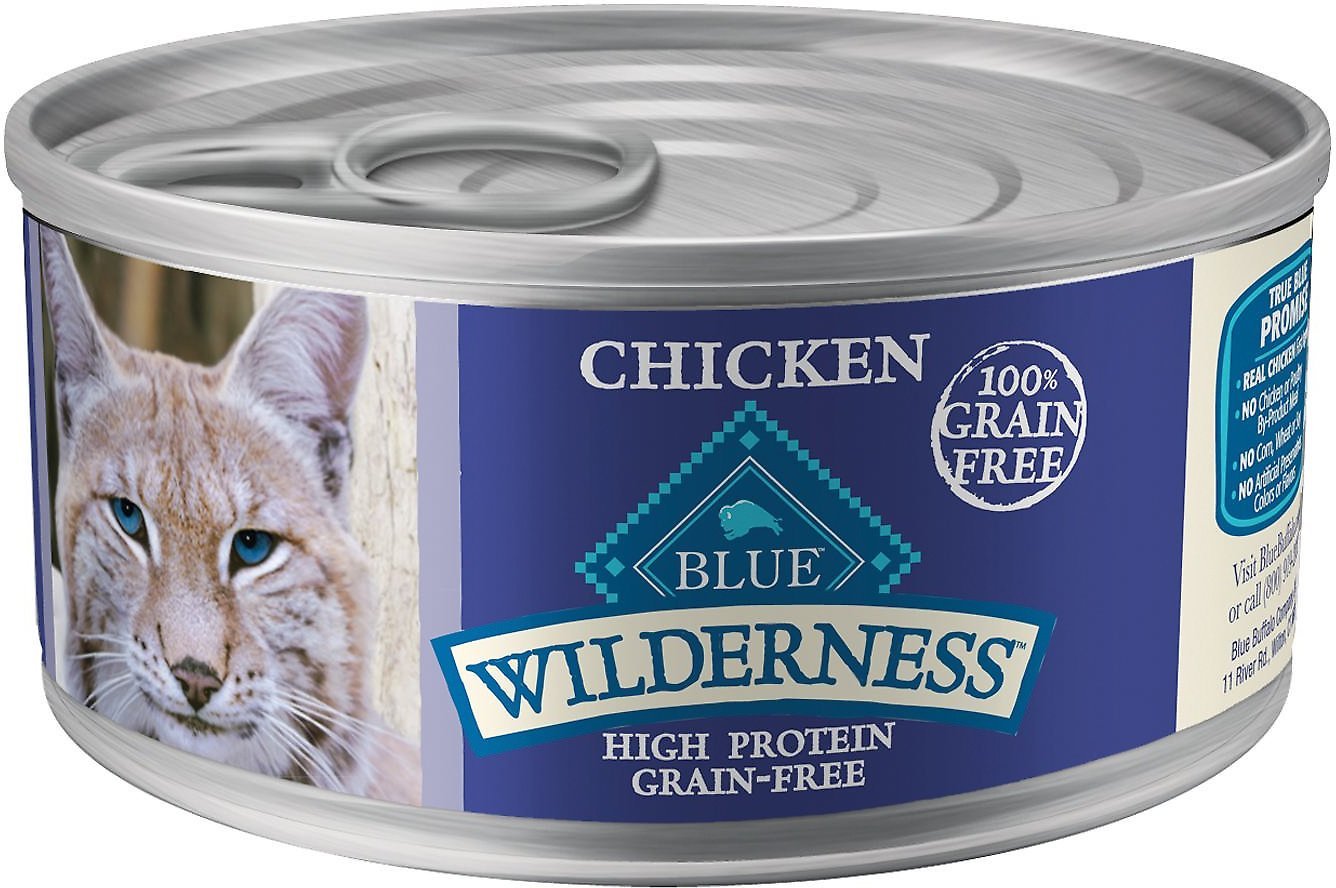
Kitten food is higher in calories because growing kittens need extra energy to build bones, muscles, organs, and healthy immune systems.
Kittens grow at a remarkable pace during their first year. Their small bodies need more than basic nutrition. They need concentrated energy, high-quality protein, essential fats, and key nutrients for rapid development. That is why kitten food is higher in calories than most adult cat food.
Understanding why kitten food is higher in calories can help you choose the right diet, read feeding labels, and avoid common mistakes such as overfeeding or switching to adult food too soon. This guide explains the science in simple terms and offers practical feeding tips you can use at home.
Why is kitten food higher in calories?
Kitten food is higher in calories because kittens use a large amount of energy for growth, play, learning, and body development. An adult cat mainly uses food to maintain its body. A kitten uses food to build one.
During the first months of life, a kitten develops:
• Strong bones and joints
• Lean muscle
• The brain and nervous system
• Healthy skin and fur
• A working immune system
• Adult teeth and internal organs
Growth is like building a house. The body needs both building materials and fuel. Protein, minerals, and vitamins provide the materials, while calories provide the fuel.
Kittens also have small stomachs. They cannot eat large meals like adult cats. Kitten food solves this problem by packing more energy into each bite. A small meal can provide the calories a growing kitten needs without filling the stomach too quickly.
This is the main reason kitten food is higher in calories, but calorie content is only one part of the picture. Kitten formulas also tend to contain more protein and fat than adult maintenance diets.

How much energy do growing kittens need?
Kittens need more energy per pound of body weight than adult cats. Their needs are high because growth requires constant cell development and tissue repair.
A young kitten may spend much of the day eating, sleeping, and playing. This pattern is normal. Play uses energy, while sleep supports growth and recovery.
Energy needs change with age:
• Very young kittens need frequent meals because their stomachs are small.
• Kittens around three to six months often have high energy needs during fast growth.
• Older kittens may need fewer calories as growth begins to slow.
• Adult cats usually need fewer calories per pound because they are maintaining their bodies instead of building them.
The exact amount depends on weight, age, breed, activity level, health, and whether the kitten has been spayed or neutered. A highly active kitten may need more food than a calm kitten of the same weight.
Food labels offer a starting point, not a perfect rule. Watch your kitten’s body shape and growth. You should be able to feel the ribs with light pressure, but the ribs should not be sharply visible.
What nutrients make kitten food different?
The reason kitten food is higher in calories also relates to the way those calories are supplied. A quality kitten diet provides energy along with nutrients needed for healthy development.
Protein for muscle and tissue growth
Kittens need plenty of complete protein. Protein supplies amino acids that help build muscles, skin, organs, enzymes, and immune cells.
Animal-based ingredients often provide useful amino acids such as taurine and arginine. Taurine is especially important for cats because they cannot make enough of it on their own.
A kitten food should list a complete and balanced nutritional statement for growth or for all life stages. In the United States, these statements are based on nutritional standards set by AAFCO.
Fat for energy and brain development
Fat contains more calories per gram than protein or carbohydrates. This makes it an efficient energy source for kittens with small stomachs.
Healthy fats also support:
• Brain development
• Eye health
• Skin and coat condition
• Absorption of vitamins A, D, E, and K
• Essential fatty acid needs
Many kitten foods include omega-3 fatty acids, including DHA. DHA supports brain and eye development, although the amount and quality can vary between products.
Calcium and phosphorus for bones
Kittens need carefully balanced minerals for bones and teeth. Calcium and phosphorus work together, but more is not always better.
An unbalanced diet can harm bone development. This is one reason homemade kitten diets should be planned with a veterinary nutrition professional. Meat alone does not provide the right mineral balance for a growing kitten.
Taurine and other essential nutrients
Cats have special nutritional needs. Kitten food is designed to provide taurine, arachidonic acid, vitamin A, and other nutrients that cats cannot produce in adequate amounts.
This makes a complete commercial kitten diet safer than trying to create meals from random kitchen ingredients. Treats, plain meat, or milk may be suitable only as small extras, not as a complete diet.

Is kitten food more nutritious or simply more calorie-dense?
Kitten food is usually both nutrient-dense and calorie-dense. This means it provides more usable energy and more key nutrients in a smaller amount of food.
However, higher calories do not automatically mean better quality. A food can be calorie-rich but poorly balanced. Look for a product made for kittens, growth, or all life stages.
Check the package for:
• A complete and balanced statement
• Feeding directions for kittens
• Calorie information per can, pouch, or cup
• Protein and fat levels
• Clear ingredient and manufacturer information
• Advice for the kitten’s current weight and age
Dry food often lists calories per cup, while wet food may list calories per can or pouch. These numbers cannot be compared directly unless you convert them to the same unit.
Wet kitten food may seem lower in calories per package because it contains more water. Water adds weight but no calories. On a dry matter basis, the nutrient levels may be closer than the label first suggests.
Why can’t kittens eat adult cat food?
Adult cat food is made mainly for maintenance. It helps an adult cat maintain weight, muscle, organs, and normal daily function.
It may not provide the right amount of energy and nutrients for rapid growth. A kitten eating adult food for a short time may not suffer harm, but long-term feeding can make it harder to meet growth needs.
This is especially important for:
• Orphaned kittens
• Underweight kittens
• Large-breed kittens
• Kittens recovering from illness
• Kittens with poor appetite
• Kittens in homes with several cats
Some adult foods are labeled for all life stages. These foods are formulated to meet the needs of both kittens and adult cats. Still, portion sizes may need to be adjusted for each cat.
Most kittens should stay on kitten food until they reach adult size. Many cats transition at about 12 months, but large breeds may mature later. Your veterinarian can help choose the right timing.
Can high-calorie kitten food cause excessive weight gain?
Yes, kitten food can contribute to excess weight if portions are too large or if a kitten has low activity. The goal is healthy growth, not rapid weight gain.
Kittens need extra calories, but they do not need unlimited food in every situation. Free-choice feeding may work for some young kittens, yet it can lead to overeating in others.
To manage feeding:
- Start with the package guide for your kitten’s current weight.
- Divide the daily amount into several meals.
- Weigh your kitten regularly.
- Adjust portions if weight gain is too fast or too slow.
- Count treats as part of the daily food intake.
- Ask a veterinarian about feeding after spaying or neutering.
A kitten should gain weight steadily. Sudden weight loss, a swollen belly, vomiting, diarrhea, or poor appetite needs veterinary attention.
Do not place a kitten on a weight-loss diet without professional advice. Growing cats still need enough protein, minerals, and energy for normal development.

How often should kittens eat?
Young kittens usually do best with small, frequent meals. Their stomachs are small, and they may struggle to eat enough calories in one or two large meals.
A general schedule may look like this:
• Up to about 12 weeks: three to four meals each day
• Around three to six months: three meals each day
• Around six to 12 months: two to three meals each day
These are broad guidelines. A kitten’s health, size, appetite, and food type all matter.
Wet food can help increase water intake. Dry food is convenient and calorie-dense, but fresh water should always be available. Some kittens enjoy a mix of wet and dry food, which can offer variety and help owners manage meals.
Avoid cow’s milk. Many cats cannot digest lactose well, and milk can cause diarrhea. Orphaned kittens need a veterinary-approved milk replacer, not regular dairy milk.
Wet versus dry kitten food: Which is better?
Both wet and dry kitten food can support healthy growth when they are complete and balanced for kittens.
Wet food contains more water. This may help kittens that do not drink much. It can also be easier for very young kittens to chew.
Dry food is convenient, easy to measure, and often more calorie-dense. It can work well for owners who need to leave food out for short periods, although measured meals are safer for kittens that overeat.
Consider your kitten’s needs:
• Choose wet food if hydration or soft texture is a priority.
• Choose dry food for convenience and easy portion control.
• Combine both if your kitten tolerates each food well.
• Transition slowly over several days to reduce stomach upset.
There is no single perfect texture for every kitten. The best choice is a complete diet your kitten eats well and digests comfortably.
Common mistakes when feeding high-calorie kitten food
Knowing why kitten food is higher in calories is useful, but feeding errors can still happen. Most problems come from good intentions.
Feeding based only on hunger
Kittens often act hungry. They are active and curious, but begging does not always mean they need more food.
Use body condition, weight trends, and veterinary guidance along with appetite. A kitten that constantly begs may need more frequent meals, more play, or a health check.
Mixing too many foods
Changing brands and flavors every day can cause loose stools. It also makes it hard to know which food is causing a problem.
Introduce a new food gradually. Mix a small amount of the new food with the old food, then increase it over about seven days.
Giving too many treats
Treats may seem small, but calories add up quickly in a small kitten. Keep treats limited and choose tiny pieces made for cats.
Plain cooked meat may be used as an occasional treat, but avoid bones, onions, garlic, chocolate, grapes, raisins, and foods containing xylitol.
Switching to adult food too early
Some owners switch when a kitten looks almost full-grown. Appearance can be misleading. Internal growth and bone development may continue after a kitten reaches its adult-looking shape.
Ask your veterinarian when your cat is ready to change diets. Make the transition slowly.
Ignoring calorie information
A cup of one dry food may contain far more calories than a cup of another. Always check the label rather than comparing portions by volume alone.
A kitchen scale can improve accuracy, especially for small kittens or cats that gain weight easily.
A practical example of kitten feeding
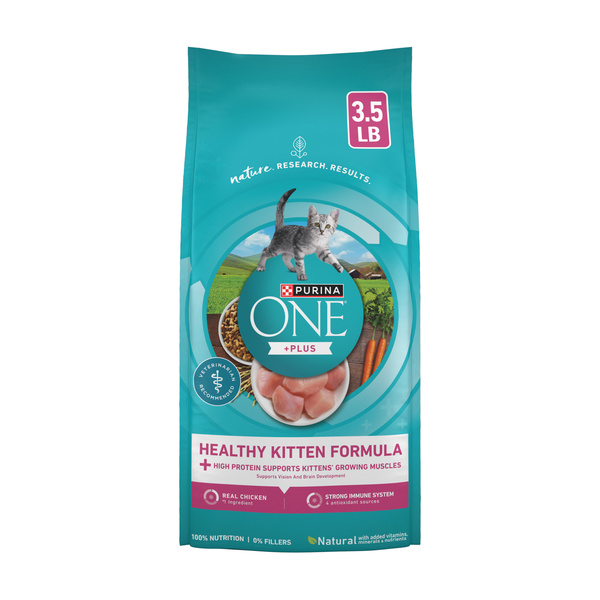
Imagine a four-month-old kitten that weighs 5 pounds. The food label gives a daily range based on weight and age. You begin near the middle of that range and divide the food into three meals.
After one week, the kitten is playful, has normal stools, and gains weight steadily. The ribs are easy to feel but not clearly visible. That suggests the plan may be working.
Now imagine the kitten gains weight very quickly and develops a round, soft belly. Instead of sharply cutting calories, measure every meal, reduce extras, and contact your veterinarian. Rapid changes can affect a growing animal.
This example shows why kitten food is higher in calories but still needs portion control. More energy is needed, yet the correct amount depends on the individual kitten.
What veterinarians use to assess kitten growth
Veterinarians do more than look at a kitten’s weight. They assess the full pattern of growth.
They may check:
• Body weight over time
• Body condition score
• Muscle development
• Coat and skin health
• Stool quality
• Hydration
• Appetite and activity
• Signs of parasites or illness
Growth charts can help identify whether a kitten is following a healthy pattern. A single weight measurement gives less information than several measurements taken over time.
Parasites, infections, dental problems, and digestive disease can affect appetite and weight. If a kitten eats well but fails to grow, do not simply add more food. A medical exam may be needed.
Nutritional standards are useful, but they cannot replace individual veterinary care. Labels provide general guidance, while your kitten’s health history provides the context.

When should you contact a veterinarian?
Contact a veterinarian if your kitten refuses food, loses weight, vomits repeatedly, or has ongoing diarrhea. Kittens can become dehydrated or weak faster than adult cats.
Seek prompt advice if you notice:
• No food intake for about 12 hours in a young kitten
• Extreme tiredness or weakness
• Trouble breathing
• A painful or swollen belly
• Pale gums
• Blood in vomit or stool
• Poor growth despite eating
• Sudden changes in thirst or urination
Do not force-feed a sick kitten unless a veterinarian gives you clear instructions. Food entering the airway can cause serious problems.
A professional can also help with calorie needs after sterilization, during recovery, or when a kitten has a special condition.
Frequently Asked Questions About Why Is Kitten Food Higher in Calories
Why is kitten food higher in calories than adult cat food?
Kitten food is higher in calories because kittens need energy for rapid growth, brain development, muscle formation, and daily activity. Adult cat food is mainly designed to maintain an already-developed body.
Is high-calorie kitten food safe for every kitten?
Yes, when it is complete and balanced for growth and fed in suitable portions. However, kittens with medical issues or unusual weight changes may need a customized feeding plan from a veterinarian.
How long should a cat eat kitten food?
Many cats eat kitten food until about 12 months of age. Large breeds may need it longer because they mature more slowly, so ask your veterinarian for breed-specific advice.
Can adult cats eat kitten food?
An adult cat can usually eat a small amount of kitten food without a problem. Regular feeding may cause weight gain because kitten food is often richer in calories and fat than an adult maintenance diet.
Does wet kitten food have fewer calories than dry kitten food?
Wet kitten food often has fewer calories per can or ounce because it contains more water. When comparing foods, check calories per serving and consider moisture content rather than judging by package size alone.
Should kittens have food available all day?
Some young kittens can safely graze, but others overeat when food is always available. Measured meals are often easier for controlling calorie intake and monitoring appetite.
What happens if a kitten eats adult cat food?
Eating adult food briefly is unlikely to cause a serious problem in most healthy kittens. Long-term feeding may not provide the extra energy and growth nutrients that kittens need.
Conclusion
Kitten food is higher in calories because growing cats need concentrated fuel for bones, muscles, organs, brain development, and active play. It also provides carefully balanced protein, fat, vitamins, minerals, and essential nutrients that adult maintenance food may not supply in the same amounts.
Choose a complete and balanced kitten diet, follow the label as a starting point, measure portions, and monitor your kitten’s growth and body condition. If appetite, weight, or digestion changes, speak with your veterinarian rather than making a major diet change alone.
With the right food and feeding routine, you can give your kitten a strong start. Share your experience or explore more trusted cat nutrition guides to keep learning.