Why Does My Cat Take Food Out Of The Bowl: Reasons Why
Your cat may take food out of the bowl because of instinct, bowl discomfort, food habits, or a preference for eating elsewhere.
If you wonder why does my cat take food out of the bowl, you are not alone. This behavior can look funny, messy, or even worrying, but it often has a simple cause. Cat behavior research and everyday veterinary experience show that small changes in the bowl, food, or feeding area can explain a lot. In this guide, you will learn how to spot the reason and help your cat eat in a calmer, cleaner way.

Why does my cat take food out of the bowl?
The most common reason is that your cat does not like the bowl. A deep or narrow bowl may press against the whiskers. This can feel unpleasant while your cat tries to reach the food.
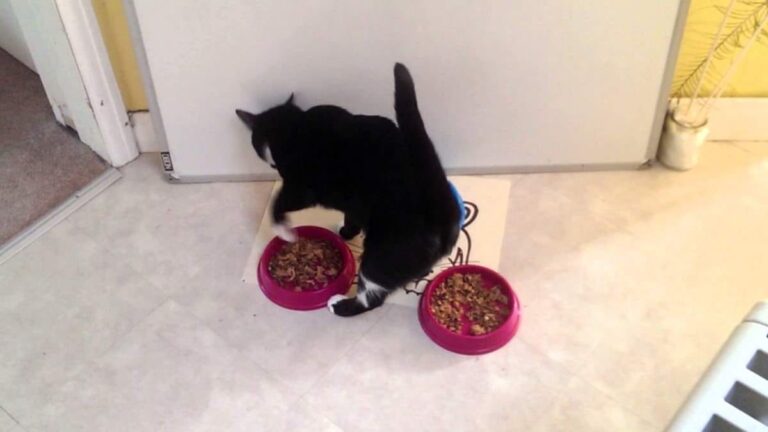
Some cats also prefer to eat from the floor. Moving food out of the bowl lets them use their paws, control each bite, or choose a safer spot. This behavior may be linked to instinct, comfort, or simple personal taste.
Your cat may also remove food when:
- The bowl is dirty or smells like old food.
- The bowl is near a litter box, loud appliance, or busy walkway.
- Another pet is watching or trying to steal the food.
- The pieces are too large or hard to pick up.
- Your cat wants to eat in private.
- The food is wet, sticky, or difficult to grip.
- The bowl moves while your cat eats.
In many cases, this is not a serious problem. Still, a new eating habit deserves attention, especially when it appears with weight loss, drooling, vomiting, or a lower appetite.

Natural hunting behavior may explain the mess
Domestic cats still carry many behaviors from their wild ancestors. A cat in the wild does not eat from a neat ceramic dish. It catches, carries, paws at, and eats prey in different places.
Taking food from the bowl may copy part of that pattern. Your cat may treat each piece like a small object to catch and move. Dry kibble is especially easy to bat around the floor.
This does not mean your cat thinks the food is prey. It means old instincts can shape modern behavior. Even a well-fed indoor cat may enjoy chasing a piece of kibble across the kitchen.
Cats also like control. Moving food lets them decide where and how to eat. For some cats, the bowl is only the starting point.
Your cat may dislike the bowl
Bowl design is one of the first things to check when asking why does my cat take food out of the bowl. A deep bowl can touch the sides of the face and whiskers. Some cats seem more comfortable with a wide, shallow dish.
This may be called whisker stress or whisker fatigue. However, these terms are not strongly defined in veterinary research. Experts generally agree that some cats dislike face contact with a bowl, but not every cat has this problem.
Try a simple test:
- Replace the deep bowl with a wide, shallow plate.
- Use a stable dish that does not slide.
- Offer the same food in both dishes.
- Watch where your cat eats most comfortably.
- Keep the new setup for several days before judging it.
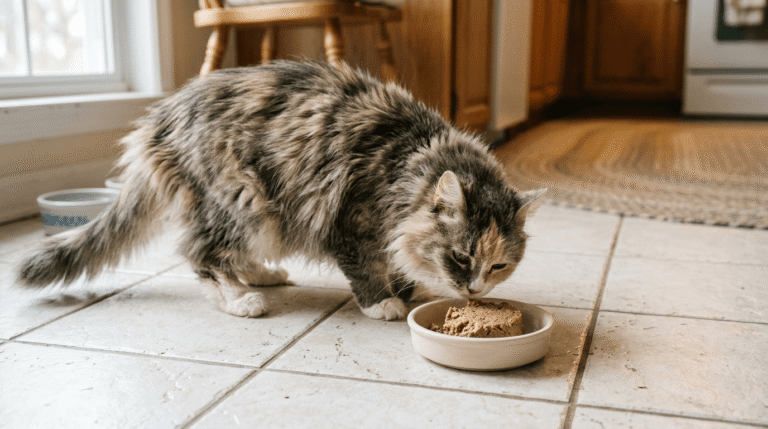
A stainless steel or glazed ceramic dish is often easy to clean. Plastic can hold scratches and odors, so it may be less suitable for long-term use.
If your cat still removes food from a flat plate, the bowl may not be the main cause. Look at the feeding area, food texture, and your cat’s health next.

The feeding location can make your cat feel unsafe
Cats are alert eaters. They may pause often, scan the room, and react to sudden sounds. A bowl beside a washing machine, speaker, doorway, or busy hallway may make meals feel stressful.
Other pets can also change the way a cat eats. A dog standing nearby may not seem dangerous to you, but your cat may feel watched. A second cat may create silent pressure, even without fighting.
Give your cat a quiet feeding area with a clear view of the room. Keep food away from the litter box. Cats usually prefer these areas to remain separate because eating and toileting serve different needs.
Helpful changes include:
- Feed pets in separate rooms when possible.
- Place the bowl away from doors and loud machines.
- Avoid corner spots where your cat cannot see approaching people or animals.
- Give each cat a separate food and water area.
- Keep children from touching the cat during meals.
If the behavior stops after you move the bowl, the location was likely part of the problem.
Food texture and size can affect eating
Some cats take food from the bowl because the food is hard to manage. Large dry pieces may be easier to chew on the floor. Wet food may stick to a dish or feel uncomfortable against the lips.
Your cat may also have a strong texture preference. One cat may love pâté, while another prefers chunks in gravy. A sudden dislike of a familiar texture can sometimes point to dental pain or mouth disease.
Try changing only one thing at a time:
- Offer smaller food pieces.
- Use a shallow plate for wet food.
- Add a small amount of warm water to dry food, if suitable.
- Test a different texture from the same complete diet.
- Keep meals fresh and remove wet food after the safe time stated on the label.
Do not change your cat’s entire diet overnight. Sudden food changes can cause stomach upset. Make changes slowly over several days unless your veterinarian gives different advice.
Why does my cat take food out of the bowl and eat it elsewhere?
A cat may carry food away because another place feels safer or more comfortable. Under a table, beside a sofa, or near a favorite bed may feel private.
Some cats also move food to protect it from other animals. This is more likely in homes with several pets. The behavior can continue even when no one actually steals the food because the habit has become part of the meal routine.
Observe where your cat takes the food. The destination can offer a clue:
- Under furniture may suggest a need for privacy.
- Near a window may suggest alertness or watchfulness.
- Beside a water bowl may reflect convenience.
- Far from other pets may point to food competition.
- Around the house may suggest play or hunting behavior.
You can place a small washable mat near the preferred eating spot. This will not always stop the behavior, but it can protect the floor and make cleanup easier.
Could dental pain cause this behavior?
Yes. Mouth pain can change how a cat picks up, chews, or drops food. A cat with dental disease may take food out of the bowl because the bowl touches a sore area or because chewing feels painful.
Common signs of dental trouble include:
- Dropping food while chewing.
- Chewing on one side.
- Swallowing kibble without chewing.
- Drooling.
- Bad breath.
- Pawing at the mouth.
- Bleeding gums.
- Avoiding hard food.
- Losing weight.
Cats often hide pain. They may continue to eat even when their mouth hurts. This is why a small eating change should not be ignored if it lasts or gets worse.
A veterinarian can check the teeth, gums, tongue, and jaw. Do not try to scrape tartar from your cat’s teeth at home. Human toothpaste and home dental tools can harm cats.
When food removal may signal illness
The question why does my cat take food out of the bowl is usually behavioral, but health problems can also play a role. Problems with the mouth, teeth, stomach, or nervous system may affect eating.
Contact a veterinarian promptly if your cat shows any of these signs:
- Refusing food for a full day.
- Eating much less than usual.
- Repeated vomiting or diarrhea.
- Sudden weight loss.
- Extreme tiredness.
- Trouble swallowing.
- Heavy drooling.
- A swollen face or jaw.
- Blood around the mouth.
- Strong distress while eating.
Cats can develop a serious liver problem when they eat too little for several days. This risk is higher in overweight cats, so appetite changes deserve quick attention.
Do not force food into your cat’s mouth unless a veterinarian tells you to do so. Force-feeding can increase stress and may cause food to enter the airway.
How to stop your cat from taking food out of the bowl
You may not need to stop the behavior if your cat is healthy, eating enough, and causing no harm. Still, you can often reduce the mess with a few gentle changes.
Use a better dish
Choose a wide, shallow, stable dish. Wash it after wet meals and rinse away soap well. If your cat prefers a plate, there is no need to insist on a traditional bowl.
Improve the feeding area
Create a quiet space with low foot traffic. Keep other pets away during meals. A calm setting can make the bowl feel safe again.
Try a feeding mat
A silicone or washable mat can catch crumbs and wet food. It also gives your cat a clear eating zone. Avoid rough mats that may trap food or harbor bacteria.
Offer smaller meals
Small portions may reduce the urge to carry food away. They also keep wet food fresher. Follow the daily amount recommended for your cat’s age, size, activity, and health.
Make meals more interesting
If your veterinarian approves, use a puzzle feeder or treat mat for dry food. These tools can meet a cat’s natural need to search and work for food. Introduce them slowly so they do not make eating harder.
Clean the floor
Food left on the floor can attract insects and bacteria. Clean the area daily, especially after wet food. Wash food dishes with hot, soapy water and let them dry fully.

Mistakes to avoid when changing feeding habits
A common mistake is changing the bowl, food, room, and meal schedule all at once. If the behavior improves or worsens, you will not know which change caused it.
Another mistake is scolding your cat. Taking food out of the bowl is not spiteful behavior. Punishment can make your cat anxious and may create more feeding problems.
Avoid these approaches:
- Do not push food back into the bowl every time.
- Do not chase your cat while it carries food.
- Do not use a strong-smelling cleaner on the dish.
- Do not withhold food to force bowl use.
- Do not assume every cat needs the same type of bowl.
- Do not ignore a sudden appetite or chewing change.
Instead, watch calmly and make one small adjustment at a time. Think of the behavior as a message, not a bad habit.
In my experience reviewing common cat-care concerns, the simplest test often gives the clearest answer: use a clean, shallow plate in a quiet area for several meals. This low-cost change can reveal whether the issue is the dish or something deeper.
A simple plan to find the cause
Follow this plan if you are still unsure why does my cat take food out of the bowl:
- Watch your cat eat without interrupting.
- Note whether the food is dry, wet, large, or sticky.
- Check for drooling, bad breath, or chewing trouble.
- Move the bowl to a quiet location.
- Try a wide, shallow plate.
- Keep other pets away during the test.
- Track how much your cat eats each day.
- Contact your veterinarian if the change continues or other signs appear.
Keep a short food diary for three to seven days. Record the food offered, the amount eaten, where your cat eats, and any unusual behavior.
This method helps separate preference from illness. It also gives your veterinarian useful details if an appointment becomes necessary.

Frequently Asked Questions
Why does my cat take food out of the bowl and leave it on the floor?
Your cat may prefer the floor, dislike the bowl, or be following a natural carry-and-eat pattern. A wide, shallow plate and a quiet feeding area may reduce the behavior.
Is taking food out of the bowl a sign that my cat is sick?
Not always. However, drooling, weight loss, vomiting, bad breath, trouble chewing, or a sudden appetite change can point to a health problem and need veterinary care.
Do cats dislike deep food bowls?
Some cats appear to dislike deep bowls because the sides touch their whiskers or face. Try a low, wide dish and watch whether your cat eats more comfortably.
Should I stop my cat from carrying food away?
You do not need to stop it if your cat is healthy and eating well. Use a washable mat, keep the area clean, and focus on reducing stress rather than punishing the behavior.
Can other pets cause my cat to remove food from the bowl?
Yes. A cat may carry food away when it feels watched or expects another pet to take the meal. Separate feeding areas can help your cat eat with less pressure.
When should I call a veterinarian about this behavior?
Call your veterinarian if the behavior is sudden, lasts several days, or comes with poor appetite, pain, drooling, vomiting, weight loss, or trouble swallowing. Cats can hide illness, so changes in eating deserve care.
Conclusion
Why does my cat take food out of the bowl? The answer may be as simple as a deep dish, a noisy room, a strong food preference, or an instinct to carry and control each bite. In other cases, dental pain or illness may be involved.
Start with a clean, shallow plate, a calm feeding space, and careful observation. Change one thing at a time, avoid punishment, and seek veterinary advice when eating changes come with pain or other warning signs. Try these steps today, and share your cat’s feeding story or explore more trusted cat-care resources for practical help.