
Why Do Cats Switch Food Bowls: Vet-Backed Reasons
Cats switch food bowls because of scent, whisker stress, habit, social pressure, or changes in comfort.
If you are wondering why do cats switch food bowls, you are not alone. This behavior often reflects a cat’s sharp senses, changing preferences, or need for safety and control. After observing many common feeding patterns, I have found that small details, such as bowl material, location, noise, and food freshness, can make a big difference. The good news is that most bowl switching is harmless and easy to understand once you know what to watch for.

Why do cats switch food bowls?
Cats may switch food bowls because one bowl feels safer, cleaner, quieter, or more comfortable than another. They may also follow the smell of food, avoid a bowl that holds stale odors, or copy the feeding habits of another pet.
Unlike humans, cats do not judge a bowl by looks alone. Their whiskers, nose, ears, paws, and instincts all help them decide where to eat. A bowl that seems perfect to you may feel unpleasant to your cat.
Common reasons include:
• The bowl smells like old food or soap
• The bowl is too narrow or deep
• Whiskers touch the sides while the cat eats
• The bowl moves, rattles, or makes a sharp sound
• Another pet guards or approaches the preferred bowl
• The food tastes or smells different
• The feeding area feels busy or unsafe
• The cat has formed a new habit
Cats can also switch bowls without any clear problem. Some cats simply enjoy variety. If your cat eats well, maintains a healthy weight, and shows no signs of illness, bowl switching is usually a personal preference rather than a warning sign.

Bowl material can change your cat’s choice
The material of a food bowl affects its smell, texture, weight, and cleanliness. These details may explain why do cats switch food bowls even when both bowls contain the same meal.
Plastic bowls can hold scratches and odors over time. Bacteria may collect in those tiny scratches, especially if the bowl is not washed well. Some cats develop chin irritation after using dirty or plastic bowls, although many other skin issues can cause similar signs.
Stainless steel bowls are often easy to clean and resist odor. They are a practical choice, but some are light and slide across the floor. A moving bowl can frustrate a cat or make eating feel unsafe.
Ceramic bowls are heavy and stable. They can work well if they have a smooth, intact glaze. Cracks and chips may trap food residue, so damaged ceramic bowls should be replaced.
Glass bowls are also easy to clean and do not usually hold much odor. However, they can break and may feel cold or slippery to some cats.
When choosing a bowl, look for these features:
• A wide, shallow shape
• A stable, non-slip base
• Smooth surfaces without cracks
• Easy daily cleaning
• No strong detergent or plastic smell
A simple test can help. Put the same food in two clean bowls made from different materials. Keep both bowls in the same place and observe which one your cat chooses over several meals.
Whisker fatigue may make cats avoid a bowl
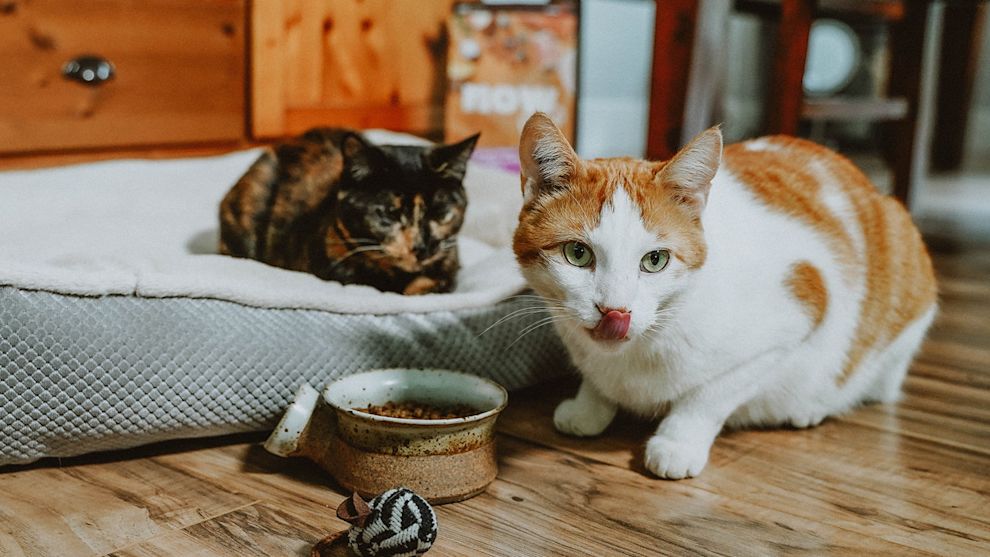
Whisker fatigue is a popular term for stress or discomfort caused by repeated contact between a cat’s whiskers and a bowl. The science around the term is still developing, and not every cat reacts to deep bowls. Still, many cats clearly prefer wide dishes that let their whiskers stay free.
Whiskers are sensitive touch tools. They help cats sense nearby objects and judge spaces. When a narrow bowl presses against them during every bite, some cats may feel annoyed or overstimulated.
Signs that a bowl may bother your cat include:
• Taking food from the floor beside the bowl
• Dropping food out of the bowl before eating
• Walking away after a few bites
• Pawing at food
• Eating only from the center
• Choosing a flat plate instead
A wide plate or shallow bowl may solve the problem. Make sure the plate is not so flat that food spills easily. A low, broad dish often provides a useful balance.
In practical feeding trials, the best change is usually simple: offer a clean, shallow dish for a few days without forcing your cat to use it. Let your cat choose. This approach gives you better information than placing the cat’s face into a new bowl.

Cleanliness and smell matter more than people expect
A cat’s nose is far more sensitive than ours. A bowl may look clean to you but still smell like fish, spoiled gravy, soap, or another animal. This is one of the most common answers to why do cats switch food bowls.
Wet food leaves oils and protein residue behind. If those residues sit in a bowl for several hours, the smell can change. Cats may reject the next meal, even if you cannot detect anything unpleasant.
Wash food bowls after every wet meal. Dry food bowls should also be cleaned often because crumbs and oils can build up. Use warm water and a mild, unscented dish soap, then rinse well.
Avoid these common mistakes:
• Leaving wet food out for long periods
• Using strong scented cleaners
• Mixing food and water in one dirty bowl
• Refilling a bowl without washing it
• Keeping a scratched plastic bowl for years
If your cat suddenly refuses a bowl, replace it with a clean dish and offer fresh food. If the cat eats normally from the new dish, the issue may have been odor or residue.

Location and household stress can cause bowl switching
Cats care deeply about where they eat. A quiet room may feel safe, while a busy kitchen may feel exposed. Sudden movement, loud appliances, children, dogs, or other cats can make a feeding area stressful.
A cat may switch bowls because one bowl sits in a better location. For example, a bowl near a washing machine may vibrate during meals. A bowl placed beside a litter box may carry unpleasant smells. A bowl in a narrow corner may make the cat feel trapped.
Try placing food in a calm area with a clear view of the room. Your cat should be able to see approaching people and pets while still having space to leave. Avoid placing food directly beside the litter box.
In homes with several cats, provide separate feeding stations. This reduces competition and lets each cat eat at its own pace. Some cats prefer to eat alone, while others feel calmer when another familiar cat is nearby.
Watch for signs of feeding stress:
• Looking around constantly while eating
• Leaving food when another pet enters
• Eating very fast
• Hissing or guarding the bowl
• Waiting until everyone leaves
• Hiding before or after meals
If these signs appear, bowl switching may be part of a larger social problem. More space, visual barriers, and separate feeding times can help.

Cats may switch bowls because food changes
Sometimes the bowl is not the main issue. The food itself may smell or taste different. Cats can notice changes in flavor, texture, temperature, and freshness.
Even the same brand may vary slightly between batches. A new formula, different protein, altered texture, or change from pâté to chunks can affect acceptance. Cats that eat wet food may also react to food served straight from the refrigerator.
Serve wet food at room temperature unless your veterinarian gives different advice. You can warm it slightly by placing the sealed portion in warm water. Never serve hot food, and avoid using a microwave without stirring well because hot spots can develop.
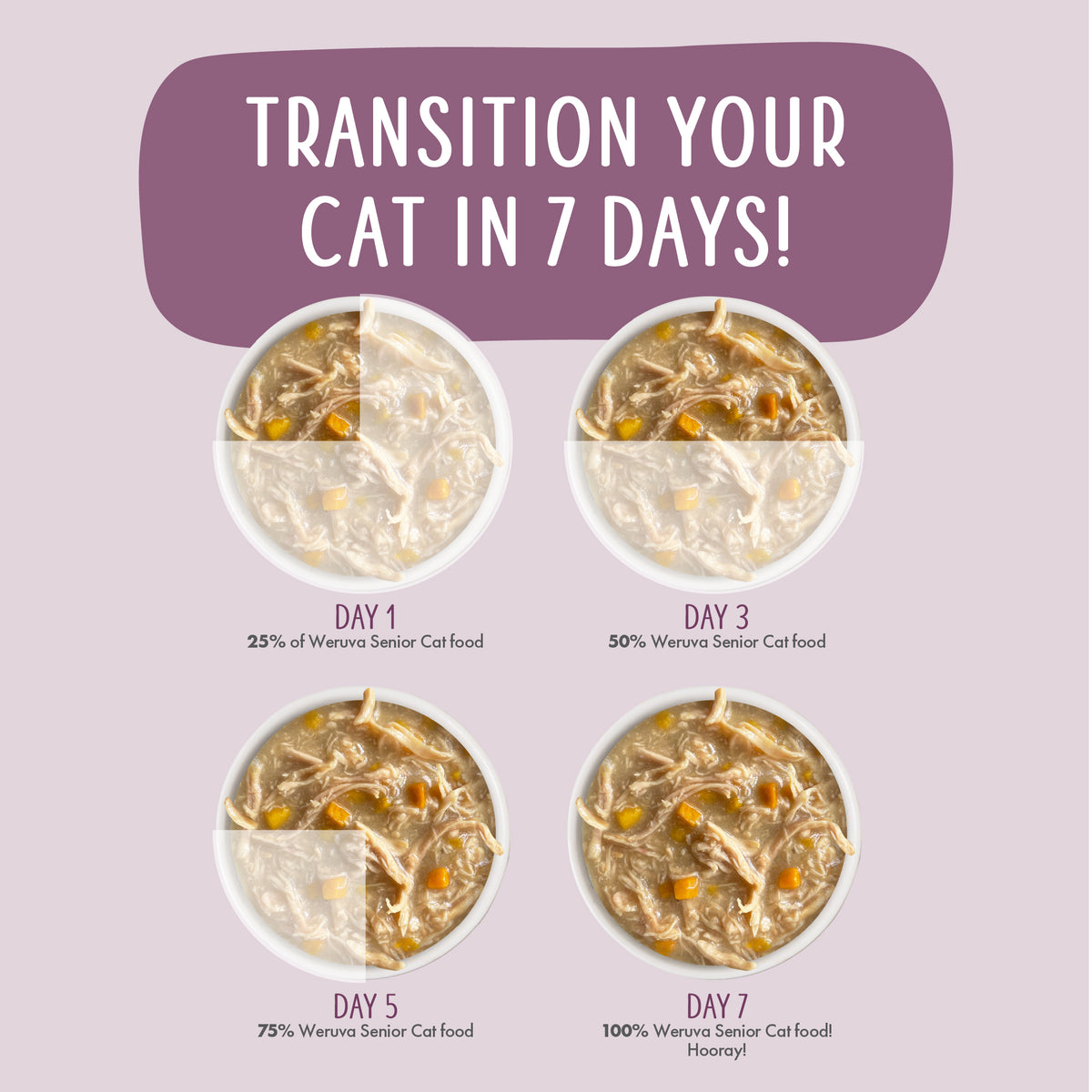
When changing food, move slowly:
-
Serve about 75% of the old food and 25% of the new food.
-
Keep that mix for a few days if your cat eats normally.
-
Move to a half and half mixture.
-
Increase the new food in small steps.
-
Return to the last accepted mix if vomiting, diarrhea, or food refusal occurs.
A gradual change can reduce stomach upset and food rejection. Cats with medical diets need special care, so ask a veterinarian before changing their food.
Habit, curiosity, and control may explain the behavior
Cats are creatures of habit, but they also like to investigate. Switching bowls may become a small routine. Your cat may learn that moving to another bowl leads to attention, a fresher portion, or a different food choice.
Some cats are also very sensitive to control. They may dislike being moved, watched, or encouraged to eat from a bowl they rejected. Pressure can make the problem stronger.
The best response is calm and consistent:
• Offer one or two suitable bowls
• Keep the feeding area stable
• Avoid chasing your cat with food
• Do not punish food refusal
• Remove uneaten wet food after a safe period
• Track which bowl, food, and location your cat prefers
One mistake I often see is changing everything at once. The owner buys a new bowl, moves the feeding area, changes the food, and adds supplements on the same day. If the cat improves or worsens, no one knows which change mattered.
Instead, change one factor at a time. This turns bowl switching into a simple observation exercise rather than a guessing game.
When switching food bowls may signal illness
Bowl preference is usually harmless, but a sudden change in eating behavior deserves attention. Cats often hide pain and illness. A cat that refuses a bowl may actually have mouth pain, nausea, dental disease, or another health problem.
Contact a veterinarian if your cat shows any of these signs:
• Refusing all food
• Eating much less than normal
• Drooling or pawing at the mouth
• Trouble chewing
• Vomiting or repeated diarrhea
• Weight loss
• Low energy
• Hiding more than usual
• Increased thirst or urination
• Bad breath that is new or severe
Dental pain is especially important to consider. A cat may approach food but leave after trying to chew. It may prefer soft food, lick gravy, or drop kibble from its mouth. These signs need a professional exam.
Do not wait several days if a cat stops eating completely. Cats can develop serious liver problems after prolonged food refusal, especially when they are overweight. A veterinarian can check the mouth, teeth, stomach, and general health.
Bowl switching alone cannot diagnose a disease. It is a clue, not a medical answer.

How to choose the best food bowl for your cat
The best bowl is one your cat uses comfortably and safely. There is no single perfect design for every cat. Face shape, eating style, health, and household setup all matter.
Use this checklist:
• Choose a wide, shallow dish for cats that dislike whisker contact.
• Choose a heavy bowl for cats that push or slide dishes.
• Choose stainless steel, glass, or intact glazed ceramic for easy cleaning.
• Choose a raised dish only if your veterinarian recommends it or your cat clearly eats better that way.
• Avoid deep corners that trap food.
• Replace bowls with cracks, chips, or deep scratches.
• Keep food and water bowls clean and separate if your cat prefers that setup.
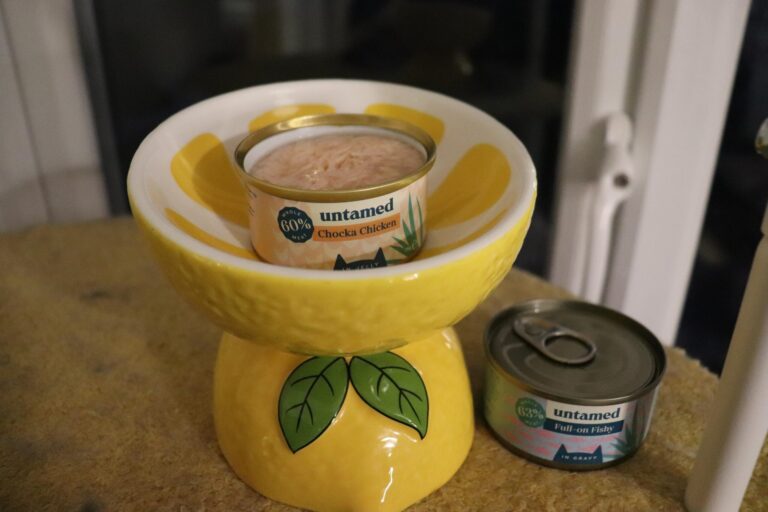
Elevated bowls are not automatically healthier. They may help some older cats or cats with certain mobility concerns, but height can also make some cats uncomfortable. The right height is the one that lets your cat eat without crouching, stretching, or showing distress.
Place the bowl on a washable mat. This keeps crumbs and water from building up and can stop the bowl from sliding. A quiet, open feeding spot is usually better than a cramped corner.
A simple plan to stop food bowl switching
If your cat keeps moving between bowls, use a calm testing plan. This can show whether the cause is the bowl, the food, the location, or another pet.
-
Wash every bowl with mild, unscented soap.
-
Offer one wide, shallow bowl made from stainless steel or ceramic.
-
Place it in a quiet area away from the litter box.
-
Serve the usual food at a comfortable temperature.
-
Keep other pets away during the meal.
-
Watch your cat without hovering.
-
Record how much your cat eats and any unusual signs.
-
Change only one detail every few days.
Use a small food journal for one week. Write down the bowl type, food texture, feeding location, appetite, and stool quality. This can reveal patterns that are easy to miss during a busy day.
For example, your cat may use the ceramic bowl in the morning but switch to the plate at night. That may point to household noise, food freshness, or another pet’s activity rather than a bowl problem.
If your cat eats well from one bowl, there is no need to force variety. Cats do not need several bowls unless your home setup or veterinary plan calls for them.
Frequently Asked Questions
Why do cats switch food bowls when the food is the same?
Cats may notice differences in bowl smell, shape, texture, or location even when the food is identical. They may also prefer the bowl that feels cleaner, quieter, or easier on their whiskers.
Do cats dislike plastic food bowls?
Some cats dislike plastic because it can hold odors and develop scratches. Many cats do well with plastic, but stainless steel, glass, or smooth ceramic may be easier to keep clean.
Is switching food bowls a sign that my cat is sick?
Not always. However, sudden bowl avoidance with poor appetite, drooling, vomiting, weight loss, or trouble chewing can signal illness and should be checked by a veterinarian.
Can whisker fatigue make a cat change bowls?
A narrow or deep bowl may bother some cats when their whiskers touch the sides. A wide, shallow dish can help, although whisker fatigue is not a confirmed explanation for every case of bowl avoidance.
Should I use two food bowls for one cat?
You can offer two bowls if your cat enjoys a choice, but it is not required. Both bowls should be clean, safe, and placed in a calm area.
How often should I wash my cat’s food bowl?
Wash the bowl after every wet food meal and clean dry food bowls regularly. Daily washing helps remove food oils, odor, and residue that may cause a cat to avoid the dish.
Why does my cat eat from the floor instead of the bowl?
The bowl may be too deep, narrow, light, or smelly. Try a clean, shallow, stable dish and monitor your cat for mouth pain or other signs of illness.
Conclusion
Cats switch food bowls for many reasons, including whisker contact, stale smells, bowl material, noise, social pressure, food changes, and simple preference. Most cases improve when you offer a clean, shallow, stable bowl in a quiet place and make changes one at a time.
Pay close attention if bowl switching comes with reduced appetite, weight loss, drooling, vomiting, or chewing trouble. Those signs need veterinary care, because the bowl may only be hiding a health concern.
Start today by testing one clean bowl, one familiar food, and one peaceful feeding spot. Keep notes for a week, follow your cat’s signals, and share your experience or questions in the comments.
2 Comments