How To Protect Endangered Birds: Simple Ways To Help
In the United States, the best way to protect endangered birds is to protect the places they need, reduce human-caused threats, and support laws and groups that aid recovery. You can help by making windows safer, keeping cats indoors, avoiding harmful pesticides, planting native habitat, reporting injured birds, and backing science-based conservation.

What Does “Endangered Bird” Mean?
An endangered bird faces a high risk of extinction across all or a large part of its range. Under the U.S. Endangered Species Act (ESA), a threatened species is likely to become endangered in the foreseeable future. These legal terms differ from “rare,” “declining,” or “at risk,” which may describe a bird without giving it federal protection.
The U.S. Fish and Wildlife Service manages most land birds, while the National Marine Fisheries Service manages some marine species. State wildlife agencies may provide additional protection.
Examples of U.S. birds that have received federal protection include:
- Whooping Crane
- California Condor
- Kirtland’s Warbler
- Northern Spotted Owl
- Red-cockaded Woodpecker
- Piping Plover
- Least Tern
- Ivory-billed Woodpecker, which remains a subject of extensive conservation and status review
Legal status can change. A bird may be listed, delisted after recovery, or reclassified as threats change. Check the current U.S. Fish and Wildlife Service species database before making a claim about a bird’s status.
Why endangered birds need special help
Birds are affected by several linked threats:
- Loss and fragmentation of nesting habitat
- Invasive plants and animals
- Window collisions
- Outdoor cats
- Pesticides and toxic pollution
- Climate-driven changes in food, water, and breeding conditions
- Disease
- Illegal collection, hunting, or disturbance
- Disasters such as oil spills, drought, fire, and hurricanes
A single action rarely solves the problem. A protected nesting site may still fail if birds collide with glass or cannot find food along their migration route. Effective conservation works across the bird’s full life cycle.

1. Protect and Restore Bird Habitat
Habitat protection is the most powerful long-term way to protect endangered birds. Birds need safe places to feed, nest, raise young, rest during migration, and survive winter. Protecting only one of these areas may not be enough.
Preserve native plants
Native plants support local insects, seeds, berries, and shelter. Many birds rely on insects to feed their young, even when adult birds eat seeds or fruit.
A useful U.S. yard plan includes:
- Native trees and shrubs suited to your region
- Native flowering plants that bloom in different seasons
- Dense shrubs for cover
- Leaf litter for insects and ground-feeding birds
- Clean water in a shallow basin
- Fewer lawns and no invasive ornamental plants
Use the National Audubon Society Native Plant Database or your state extension service to find plants suited to your area. A plant is not automatically helpful because it is sold at a local store. Some nonnative plants can spread and reduce habitat quality.
Protect wetlands, grasslands, forests, and coasts
Different birds depend on different habitats. A piping plover needs open beaches and shorelines. A red-cockaded woodpecker needs mature, fire-maintained pine forests. A grassland bird needs open land with the right vegetation height and few trees.
Support habitat by:
- Keeping natural areas intact when possible.
- preventing drainage or filling of wetlands.
- Supporting responsible forest and grassland management.
- Removing invasive plants with methods appropriate for the site.
- Keeping dogs away from nesting and feeding areas.
- Following signs and seasonal closures in wildlife refuges and parks.
- Supporting land trusts and local habitat projects.
The U.S. National Wildlife Refuge System protects important habitat across the country. Local parks, state wildlife areas, and private conservation lands also matter because birds do not follow property lines.
Reduce habitat fragmentation
A large habitat divided into small pieces can support fewer birds than one connected area. Roads, buildings, fences, and intensive development can block movement and increase predators.
You can help by keeping native vegetation connected, using wildlife-friendly landscaping, and supporting local planning rules that protect wetlands, shorelines, mature trees, and migration corridors.

2. Make Windows Safer for Birds
Window collisions are a major human-caused threat to birds in North America. Birds may see reflections of trees and sky or fly toward indoor plants and light. Clear glass can be dangerous even when it looks clean and attractive.
The U.S. Fish and Wildlife Service and the American Bird Conservancy recommend using visible patterns on the outside surface of glass.
Effective window changes
Use one of these approaches:
- Install exterior screens.
- Apply dense exterior decals or tape patterns.
- Hang an external cord or “frit” system designed for bird safety.
- Add exterior shades or sun screens.
- Close blinds during high-risk times.
- Move feeders either very close to a window or much farther away, rather than placing them at an intermediate distance.
Spacing matters. A few widely spaced stickers may not stop a bird. A dense pattern works better because it breaks up the open flight path. Follow product instructions and place treatments on the outside of the glass when possible.
The risk is often highest during migration, at dawn, and around buildings with large glass walls. Tall buildings, office campuses, schools, and homes near wooded areas may need different solutions.
What to do after a bird hits a window
If a bird is stunned but not visibly injured:
- Use a clean towel to place it in a small cardboard box with air holes.
- Put the box in a quiet, dark, room-temperature place.
- Do not give the bird food or water.
- Contact a licensed wildlife rehabilitator.
- Do not release the bird just because it becomes alert.
A bird that flies away may still have internal injuries. The Animal Help Now wildlife emergency tool can help locate a rehabilitator in the United States.
Do not handle a raptor, large bird, or visibly injured bird unless a wildlife professional gives you instructions. Wear gloves when appropriate, keep children and pets away, and wash your hands afterward.
3. Keep Cats Indoors
Outdoor cats kill large numbers of wild animals, including birds. A widely cited 2013 study in Nature Communications estimated that free-ranging cats kill between 1.3 and 4.0 billion birds annually in the contiguous United States. The study used modeling, so the estimate is not a direct count, but it shows why outdoor access is a serious conservation issue.
Indoor cats are also safer from:
- Cars
- Fights and bite wounds
- Predators
- Disease
- Poison
- Extreme weather
You can give a cat outdoor stimulation without allowing it to roam. Options include:
- A secure outdoor enclosure
- Supervised time on a harness
- A screened porch
- Indoor climbing areas
- Window perches
- Daily play and food puzzles
Keeping cats indoors is especially important near nesting areas, wetlands, parks, and protected habitat. Bells may reduce some hunting success, but they do not make outdoor roaming safe for birds or cats.
If you find a fledgling bird on the ground, do not assume it is abandoned. Young birds often leave the nest before they can fly well. Keep cats and dogs away, and contact a wildlife rehabilitator if the bird is injured or a parent does not return.

4. Avoid Pesticides and Other Toxins
Pesticides can harm birds directly or remove the insects and plants they need. Some chemicals affect birds through contaminated food, water, or treated surfaces.
The safest approach is integrated pest management, or IPM. This method treats pests only when needed and uses the least harmful effective option.
A bird-safe pest plan
- Identify the pest before treating it.
- Remove food, water, and shelter that attract the pest.
- Use barriers, pruning, traps, or hand removal first.
- Choose a targeted treatment if other steps fail.
- Follow the label exactly.
- Never apply more product than the label permits.
- Keep birds, pets, and children away during the stated restricted period.
- Never spray nests, active feeding areas, or open water.
Avoid using products containing rodenticides where birds of prey may eat poisoned rodents. Secondary poisoning can affect hawks, owls, eagles, and other scavengers.
Do not place glue traps outdoors. They can catch birds and other wildlife. Ask a licensed pest professional for a wildlife-safe plan when an infestation is severe or involves protected species.
Fertilizer runoff can also damage wetlands and streams. Use only what soil tests and plant needs support, and keep chemicals away from drains and waterways.

5. Reduce Light Pollution and Disturbance
Artificial light can disorient migrating birds, especially during nighttime migration. Birds may circle lit buildings, waste energy, or collide with glass. Turning off unnecessary lights is a simple action for homes, businesses, and cities.
You can:
- Turn off nonessential lights at night.
- Close blinds after dark.
- Use motion sensors and timers.
- Aim outdoor lights downward.
- Use the lowest brightness that meets the need.
- Ask building managers to join seasonal “lights out” programs.
The BirdCast Migration Dashboard provides migration forecasts for the United States. It can help communities identify nights when reducing light is especially useful.
Disturbance can also harm birds without killing them. Repeated flushing forces birds to spend energy and may expose nests to predators. Stay on marked trails, obey seasonal closures, keep a safe distance, and never approach a nest for a photograph.
Drones can disturb birds and may be prohibited in protected areas. Check park, refuge, and state rules before flying one near wildlife.
6. Help Birds During Migration and Extreme Weather
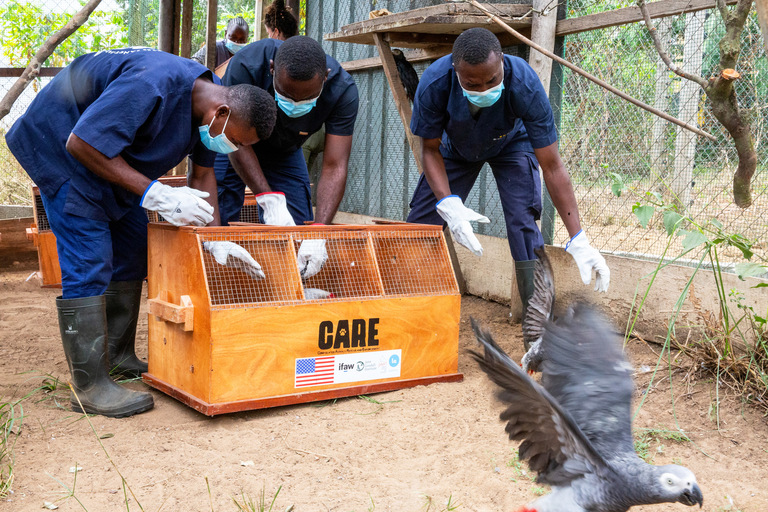
Migratory birds depend on many locations across North, Central, and South America. A bird may breed in the United States, cross several states, and spend winter in another country. Conservation must therefore protect stopover sites as well as breeding grounds.
During migration:
- Keep cats indoors.
- Turn off unnecessary lights.
- Treat collision-prone windows.
- Keep dogs leashed in sensitive areas.
- Do not remove native berries or dead trees unless there is a safety reason.
- Provide clean water and native food plants.
- Report unusual bird deaths to wildlife authorities.
Do not feed birds during an outbreak of disease unless local wildlife officials advise it. Clean feeders and birdbaths often, space feeding stations apart, and stop feeding temporarily if you see sick birds. The U.S. Geological Survey National Wildlife Health Center provides disease information and reporting guidance.
During hurricanes, wildfire smoke, drought, or extreme cold, wildlife agencies may issue special instructions. Avoid rescuing healthy wildlife on your own. Birds may need professional assessment, and moving them can separate adults from young.

7. Support Conservation Laws and Science
Individual choices help, but endangered birds also need habitat policy, enforcement, research, and funding. The Endangered Species Act protects listed species and their critical habitat, subject to the law’s specific rules and exceptions.
You can support conservation by:
- Voting for leaders who fund wildlife and habitat programs.
- Commenting on public land and development proposals.
- Supporting state wildlife action plans.
- Joining local habitat restoration projects.
- Donating to reputable bird conservation groups.
- Supporting land protection through a local land trust.
- Asking businesses to reduce glass collisions and nighttime lighting.
- Learning how your state reports wildlife crimes.
The U.S. Fish and Wildlife Service Migratory Bird Program administers protections under the Migratory Bird Treaty Act. In general, people should not capture, possess, injure, kill, or disturb protected wild birds, their nests, or eggs. Rules vary by species and activity, so contact the agency before removing a nest or handling a wild bird.
Report wildlife crimes and dangerous conditions
Report suspected poaching, illegal nest removal, or harm to a protected bird to:
- Your state wildlife agency
- The U.S. Fish and Wildlife Service law enforcement office
- Local park or refuge staff
- A wildlife rehabilitator for an injured bird
Record the location, date, species if known, and what you observed. Do not confront the person responsible or trespass to gather evidence.

8. Use Citizen Science Carefully
Citizen science can help researchers track migration, breeding, disease, and population change. Good records are most useful when they include accurate location, date, time, and identification.
Common U.S. projects include:
- eBird, managed by the Cornell Lab of Ornithology
- Project FeederWatch
- NestWatch
- Journey North
- Christmas Bird Count
Before entering a sensitive sighting, check whether the platform hides the exact location. Publicly sharing the location of a rare nest can attract crowds, photographers, collectors, or predators.
Do not enter closed areas or approach a nest for a better view. A less detailed observation from a safe distance is better than a record that disrupts breeding.
A Practical Bird Protection Checklist
Use this checklist to turn general concern into action.
| Action | Best place to start | Main benefit |
|---|---|---|
| Add exterior window patterns | Homes, offices, schools | Reduces collisions |
| Keep cats indoors | Every home with cats | Prevents hunting and protects cats |
| Plant native species | Yards, campuses, parks | Adds food, shelter, and nesting habitat |
| Avoid broad pesticide use | Gardens and farms | Protects birds and insects |
| Turn off excess lights | Homes and buildings | Reduces nighttime disorientation |
| Keep dogs controlled | Beaches, wetlands, nesting areas | Limits disturbance |
| Report injured birds | Anywhere in the United States | Connects wildlife with trained care |
| Join a bird survey | Local birding sites | Improves conservation data |
| Support habitat policy | City, state, and federal decisions | Protects birds at a larger scale |
Start with the threat that affects birds where you live. For a home with large windows, collision prevention may come first. For a coastal community, protecting nesting beaches may have the greatest value. For a rural property, native habitat and careful pesticide use may matter most.

Common Mistakes to Avoid
Feeding birds without cleaning feeders
Dirty feeders can spread disease. Clean feeders and birdbaths on a regular schedule, use fresh water, and remove feeders if sick birds appear. Follow current guidance from local wildlife officials.
Using only a few window decals
Scattered decals may leave large open spaces. Use a dense, visible pattern on the outside of the glass, or choose screens, shades, or a purpose-built exterior system.
Removing a nest without checking the law
Many wild birds and their active nests are protected. Do not move or destroy a nest because it is inconvenient. Contact your state wildlife agency or the U.S. Fish and Wildlife Service first.
Giving an injured bird food or water
A weak bird can inhale liquid or suffer harm from the wrong food. Place it in a dark, quiet box and call a licensed rehabilitator.
Assuming every bird needs rescue
A fledgling on the ground may be learning to fly while its parents feed it nearby. Keep people, cats, and dogs away unless the bird is injured or clearly orphaned.
Releasing nonnative birds
Never release a pet bird into the wild. It may die, spread disease, or harm native species. Contact a bird rescue group or veterinarian.
Treating conservation as a one-time task
Habitat, windows, feeders, and outdoor lighting need ongoing care. Review your actions each season, especially before spring nesting and fall migration.
FAQs About Protecting Endangered Birds
What should I do if I find an endangered bird?
Keep your distance, keep pets away, and do not touch the bird unless it is in immediate danger. Contact a licensed wildlife rehabilitator or your state wildlife agency. If the bird is on a road or near another urgent hazard, explain the location and danger when you call.
Is it legal to keep an endangered bird?
Usually, no. Federal and state laws may prohibit possession, capture, transport, sale, or handling of protected birds. Only authorized wildlife rehabilitators, researchers, zoos, and other permitted organizations may handle certain species.
Are bird feeders good or bad for endangered birds?
Feeders can provide food for some common species, but they do not replace habitat. They can also spread disease, attract predators, and create conflicts. Keep feeders clean, use them responsibly, and plant native species as the stronger long-term solution.
How can I help endangered birds if I live in an apartment?
Use window treatments, turn off unnecessary lights, keep cats indoors, avoid pesticides on balconies, grow native plants in containers where allowed, and join local bird surveys. You can also ask your building manager to reduce reflective glass hazards.
Can I help an endangered bird by taking it home?
No. Wild birds need species-specific care, and possession may be illegal. A licensed rehabilitator can assess injuries, provide treatment, and determine whether release is possible.
Authoritative U.S. Resources
These organizations provide current information, rules, reporting channels, and conservation guidance:
- U.S. Fish and Wildlife Service: Endangered Species
- U.S. Fish and Wildlife Service: Migratory Bird Program
- U.S. Fish and Wildlife Service: National Wildlife Refuge System
- U.S. Geological Survey: National Wildlife Health Center
- American Bird Conservancy: Glass Collisions
- Cornell Lab of Ornithology: eBird
- Animal Help Now: Wildlife Emergency Assistance
- BirdCast Migration Dashboard
Conclusion
Protecting endangered birds in the United States starts with practical steps: make glass visible, keep cats indoors, preserve native habitat, limit toxins and artificial light, and respect wildlife laws. The strongest results come when households, communities, scientists, landowners, and public agencies protect birds at the same time.
Choose one action you can complete this week. Then support a local habitat project, report wildlife threats, and keep learning from current guidance issued by your state wildlife agency and the U.S. Fish and Wildlife Service.