How Are Birds Important To Nature: Nature’s Vital Role
Birds are vital to nature across the United States. In forests, farms, wetlands, deserts, coastlines, and cities, they control insects, spread seeds, pollinate plants, recycle nutrients, clean up carrion, and support food webs. Birds also help scientists track ecosystem health because their numbers often change when habitats become polluted, fragmented, or damaged.
Their value is not only ecological. Birds support agriculture, tourism, outdoor recreation, and public health. Protecting birds helps protect the wider natural systems that people depend on.

1. Birds Control Insects and Other Pests
Many U.S. birds eat large numbers of insects. This natural pest control can benefit forests, gardens, farms, and wetlands.
Swallows, flycatchers, chickadees, warblers, and purple martins catch insects in the air or among leaves. Woodpeckers search tree bark for beetle larvae. Nuthatches and creepers find insects in cracks that other birds may miss.
A single bird does not replace all pest control. However, many birds feeding in the same habitat can reduce insect numbers. Research published in Annual Review of Ecology, Evolution, and Systematics found that insect-eating birds can provide important pest-control services in forests and farm landscapes.
Birds may help control:
- Caterpillars
- Beetles
- Grasshoppers
- Aphids
- Mosquitoes
- Flies
- Moths
- Other crop and forest pests
Birds are most helpful when they have food, nesting sites, and shelter. A lawn with no shrubs or native plants may support fewer insect-eating birds than a yard with trees, dense plants, and leaf litter.
Birds also form part of a larger control system. Bats, spiders, predatory insects, amphibians, and other animals also eat pests. Healthy habitats work best when many species share the job.

2. Birds Spread Seeds and Help Plants Grow
Birds help plants move their seeds from one place to another. This process is called seed dispersal.
Fruit-eating birds swallow berries and other fruits. Their digestive systems remove or soften the fruit around the seed. The bird then releases the seed in another location through its droppings. In some cases, the seed lands far from the parent plant, where it has less competition for light, water, and soil nutrients.
Examples include:
- Cedar waxwings spreading seeds from berry-producing shrubs
- Robins moving seeds through suburban and forest habitats
- Turkeys eating fruits, nuts, and seeds
- Thrushes carrying seeds between woodland patches
- Migrating birds moving seeds across long distances
Birds can also carry seeds on their feet or feathers. Waterbirds may transport plant material between wetlands.
This role matters after storms, fires, floods, and land clearing. When birds carry seeds into open areas, they can help native plants return. Over time, those plants provide food and shelter for insects, mammals, reptiles, and more birds.
Seed dispersal can also create challenges. Some birds spread invasive plants after eating their fruits. This is one reason land managers must consider both native and nonnative plant species when planning habitat.

3. Birds Pollinate Some Plants
Pollination happens when pollen moves from one flower to another. Birds are not the main pollinators in most U.S. ecosystems, but they are important for some plants.
hummingbirds are the best-known bird pollinators in the United States. Their long bills and tongues allow them to reach nectar in deep, tube-shaped flowers. As a hummingbird visits flowers, pollen may stick to its head or bill and move to the next flower.
In the United States, hummingbirds pollinate plants such as:
- Trumpet honeysuckle
- Cardinal flower
- Bee balm
- Columbine
- Penstemon
- Certain native vines and shrubs
Bird-pollinated flowers often have bright colors and a shape that fits a bird’s bill. They may produce a large amount of nectar because birds use more energy than many insects while flying.
Birds are especially important pollinators in some tropical ecosystems. In the continental United States, their pollination role is more limited than their roles in insect control or seed dispersal. Still, the loss of hummingbirds could affect plants that rely on them.
Planting native flowers can support both hummingbirds and insect pollinators. Choose plants suited to your region, and avoid pesticides when possible.

4. Birds Clean Up Dead Animals and Recycle Nutrients
Scavenging birds remove dead animals from the environment. This service helps return nutrients to soil and reduces the time that carcasses remain exposed.
Turkey vultures are a major example in the United States. They use strong vision and smell to locate carrion. Black vultures also feed on dead animals, especially in the Southeast and parts of the Southwest.
Other birds may eat small carcasses, fish remains, or scraps. Eagles, crows, ravens, gulls, and some hawks can all take part in this process.
Scavenging helps nature in several ways:
- It removes organic matter from the landscape.
- It returns nutrients to soil and plants.
- It limits food available to some harmful organisms.
- It supports food webs that include insects and microbes.
- It speeds the breakdown of dead animals.
Birds do not eliminate every disease risk. A carcass can still carry pathogens, and people should never handle dead wildlife with bare hands. If you find a dead bird, avoid touching it and follow guidance from your state wildlife agency, especially during unusual die-offs.
Vultures also face dangers from poisoned food, power lines, habitat loss, and illegal shooting. Protecting scavengers helps maintain a basic cleaning service in natural systems.

5. Birds Support Food Webs
Birds are both predators and prey. This gives them a central role in food webs.
A hawk may eat a mouse. A heron may eat a fish. A kingfisher may catch an aquatic animal. A chickadee may feed insects to its young. In turn, eggs, nestlings, and adult birds may provide food for foxes, snakes, raccoons, mammals, and larger birds.
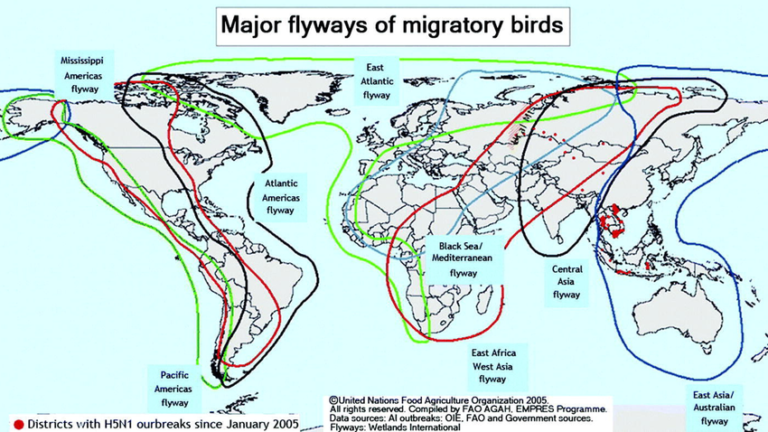
Birds also connect different habitats. A bird may feed in a wetland, nest in a woodland, and migrate across several states. This movement transfers energy and nutrients between places that may be far apart.
For example, seabirds can carry marine nutrients onto islands and coastal areas. Wetland birds connect aquatic food webs with land-based food webs. Migratory birds link the United States with Canada, Mexico, Central America, South America, and the Caribbean.
If birds disappear from a food web, the effect may spread. Insect populations may rise. Predators may lose food. Plants may receive fewer seeds. The exact effect depends on the species and habitat, but the general lesson is clear: biodiversity gives ecosystems more working parts.

6. Birds Show When Ecosystems Are Changing
Birds are useful indicators of environmental health. An indicator species is an organism whose presence, absence, behavior, or population trend provides clues about wider environmental conditions.
Birds work well as indicators because they:
- Live in nearly every habitat
- Respond to changes in food and water
- Depend on specific nesting sites
- Often migrate across large regions
- Can be surveyed over many years
- Are visible and relatively easy to identify
Long-term bird surveys help scientists track population change. The U.S. Geological Survey’s North American Breeding Bird Survey collects standardized data across the United States and Canada. The data help researchers study trends in breeding birds and identify species that need conservation attention.
Bird declines can point to problems such as:
- Habitat loss
- Pesticide exposure
- Water pollution
- Climate shifts
- Invasive species
- Collisions with buildings
- Outdoor cats
- Disease
- Reduced food supply
Bird numbers alone do not explain every environmental problem. Weather, migration conditions, counting methods, and natural population cycles can affect results. Scientists therefore use bird data with other evidence, such as plant surveys, water tests, insect counts, and habitat measurements.
A decline in one bird species does not always mean an entire ecosystem has failed. It does mean that researchers should ask what changed and whether other species are showing similar patterns.

7. Birds Benefit U.S. Farms, Forests, and Communities
Birds provide practical benefits to people because healthy ecosystems support human needs.
Agriculture
Insect-eating birds may reduce some crop pests. Seed-eating birds can sometimes cause crop damage, so their effect varies by species, season, and farm. A balanced approach looks at both benefits and costs instead of treating all birds as helpful or harmful.
Bird-friendly farms may include:
- Hedgerows
- Native flowering plants
- Tree lines
- Wetland edges
- Nest boxes where appropriate
- Reduced pesticide use
- Cover crops and mixed vegetation
Forests
Woodpeckers create or maintain cavities that later serve as nest sites for other animals. Birds also help forests recover by spreading seeds and eating insects that damage trees.
Wetlands
Herons, rails, ducks, shorebirds, and other wetland birds depend on clean water and functioning marshes. Protecting bird habitat also protects flood control, water filtration, fish habitat, and groundwater systems.
Cities and towns
Urban birds connect people with nature. Parks and native plant gardens offer food and shelter while making neighborhoods more livable. Birdwatching also supports local businesses and outdoor recreation.
The U.S. Fish and Wildlife Service has documented the large economic role of wildlife watching and related recreation in the United States. The exact value changes by survey year, but birding remains a major form of outdoor recreation.

8. Why Bird Conservation Matters
Birds face several human-caused threats in the United States. The biggest risks often work together rather than acting alone.
Habitat loss and fragmentation
Development can remove nesting areas and divide large habitats into small patches. Small patches may have fewer food sources and more predators.
Window collisions
Glass reflects trees and sky. Birds may not see the barrier and can strike windows. The Cornell Lab of Ornithology recommends using external window markers, screens, or other patterns that make glass visible to birds.
Outdoor cats
Free-ranging cats kill birds and other wildlife. Keeping cats indoors, using a secure outdoor enclosure, or using a properly fitted catio can reduce this risk.
Pesticides
Pesticides can poison birds directly or reduce the insects and plants they need. Use nonchemical controls first, follow the product label, and avoid spraying when birds or pollinators are active.
Climate and weather changes
Changes in temperature, drought, wildfire, storms, and seasonal timing can affect migration, nesting, and food supplies. Some species may adapt, while others may lose suitable habitat.
Pollution and disease
Oil, trash, contaminated water, lead, and infectious disease can harm birds. Do not feed birds moldy food or leave fishing line, hooks, plastic, or other waste outdoors.
The Migratory Bird Treaty Act protects many native migratory birds in the United States. It can restrict the capture, killing, possession, sale, or transport of protected birds, nests, eggs, and parts. Rules may vary by species and situation, so contact the U.S. Fish and Wildlife Service or a state wildlife agency before removing an active nest or handling a wild bird.

Practical Ways to Help Birds in Your Area
You can support birds by improving habitat and reducing common hazards.
- Plant native species. Use plants that naturally grow in your region and provide berries, seeds, nectar, or insects.
- Keep dead leaves where practical. Leaf litter shelters insects and helps feed ground-foraging birds.
- Add clean water. Use a shallow birdbath, refresh it often, and scrub it regularly.
- Make windows safer. Place visible markers on the outside of glass, not only inside.
- Keep cats indoors or enclosed.
- Avoid unnecessary pesticides.
- Leave nests alone. Watch from a distance and contact a wildlife rehabilitator if a bird is injured.
- Reduce outdoor lights during migration. Darker nights can lower confusion and collision risk.
- Keep dogs away from nesting wildlife.
- Report unusual bird deaths. State wildlife agencies can advise you about disease testing and safe handling.
A bird feeder can help people observe birds, but it is not required for conservation. Feeders also bring birds together and may spread disease if they are dirty. Clean feeders often, place them away from windows, and stop feeding temporarily if sick birds appear.

Key Takeaways
- Birds control insects and support natural pest management.
- They spread seeds and pollinate some native plants.
- Vultures and other scavengers recycle nutrients and remove carrion.
- Birds support food webs as predators, prey, and habitat builders.
- Bird trends can reveal changes in forests, wetlands, farms, and cities.
- Bird conservation also protects habitat, water, plants, insects, and other wildlife.
- Simple actions such as native planting, safer windows, and indoor cats can reduce harm.
Frequently Asked Questions
Why are birds important to the food chain?
Birds are predators, prey, and competitors. They eat insects, fish, seeds, fruits, and small animals. In turn, many mammals, reptiles, and larger birds eat them or their young. This makes birds an important link in many food chains.
What would happen if birds disappeared?
The effects would vary by habitat, but insect populations could increase, fewer seeds might be dispersed, some plants could receive less pollination, and predators could lose a food source. Ecosystems would not all fail in the same way, but many would become less stable.
Are all birds beneficial to nature?
No species is beneficial in every situation. Some birds eat crops, spread invasive plants, or compete with native species. Their overall effect depends on the habitat, food web, and species involved.
Do birds help humans directly?
Yes. Birds can support pest control, pollination, seed dispersal, nutrient recycling, farming, forestry, wildlife tourism, research, and outdoor recreation. These benefits differ by species and location.
How can I help birds without attracting pests?
Plant native species, keep water clean, secure trash, avoid feeding wildlife unhealthy food, clean feeders, and remove feeders if disease appears. You can also help by making windows visible and keeping cats indoors.
Conclusion: Birds Keep Nature Working
Birds are more than beautiful wildlife. Across the United States, they help ecosystems function by controlling insects, moving seeds, pollinating plants, recycling nutrients, linking food webs, and revealing environmental change.
The best way to help birds is to protect the places they need. Native plants, clean water, safer buildings, fewer pesticides, and responsible pet care can make yards and communities better for birds and people alike.