Why Do Cats Like Salmon: The Feline Fish Facts
Cats like salmon because its strong smell, rich fat, savory taste, and soft texture appeal to them.
If you have ever opened a can of salmon and seen your cat rush into the kitchen, you are not alone. Understanding why cats like salmon involves feline biology, scent, texture, learned habits, and the way commercial cat food is made. This guide explains the science, the benefits, the risks, and the safest ways to share salmon with your cat.

Why Do Cats Like Salmon?
The main reason cats like salmon is its strong aroma. Cats have a powerful sense of smell, and salmon releases rich scents from its natural oils and proteins. To a cat, that smell can be as inviting as fresh-baked bread is to a person.
Salmon also contains a high amount of protein and fat. Cats are obligate carnivores, which means their bodies are designed to get key nutrients from animal tissues. The taste and smell of salmon may signal a food that is rich in energy and useful nutrients.
Cats may also enjoy salmon because of its soft, moist texture. This texture is easy to chew and can feel more appealing than dry kibble. Wet foods with salmon often have a smooth texture that works well for cats with small mouths, dental pain, or low thirst.
However, cats do not naturally need salmon in particular. Their wild ancestors ate many types of prey, not large ocean fish as a regular food source. A cat’s love of salmon often develops through smell, taste, early food experiences, and repeated exposure.

The Science Behind a Cat’s Salmon Craving
A strong smell attracts cats
A cat’s nose helps it judge food before the first bite. Salmon has natural oils that carry scent well, especially when the fish is warmed slightly. This may explain why some cats show little interest in cold food but become excited when a meal is gently heated.
Smell matters even more when a cat is sick or has a poor appetite. Strong aromas may help encourage eating. Still, a cat that suddenly refuses all food needs prompt veterinary care, since cats can become seriously ill after not eating for too long.
Protein supports natural feeding instincts
Cats need animal protein for nutrients such as taurine, arachidonic acid, and certain vitamins. Salmon provides protein, so its scent may match the signals a cat’s brain associates with nourishing prey.
This does not mean salmon is a complete diet. A healthy cat needs a balanced food made for its life stage. Salmon can be part of that diet, but plain salmon alone lacks the full nutrient balance cats need.
Fat adds flavor and energy
Fat carries flavor and creates a smooth mouthfeel. Salmon contains helpful omega 3 fats, including EPA and DHA. These fats support normal skin, coat, brain, and eye function when included in a balanced feeding plan.
Fat is also calorie dense. A small serving may contain more calories than it seems to have, especially if the fish is packed in oil. Too many rich treats can lead to weight gain, digestive upset, or a cat that starts refusing its regular food.
Taste and texture play a role
Cats have fewer taste buds than people, but they can detect basic tastes, including bitter, sour, salty, and savory notes. Cats are especially drawn to savory flavors linked to meat and animal protein.
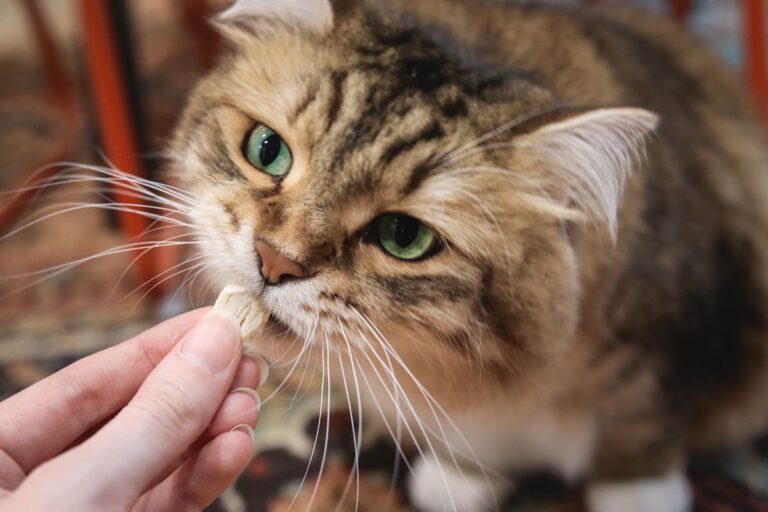
Salmon flakes are soft and moist. That can make them more enjoyable than hard food. In my experience, cats that ignore dry treats often accept a tiny piece of plain cooked salmon because it is tender and has a stronger smell.

Is Salmon Healthy for Cats?
Plain, fully cooked salmon can be a healthy occasional treat for many cats. It offers high-quality protein and useful omega 3 fats. It also adds moisture, which can support overall water intake.
The word “plain” is important. Cats should not eat salmon prepared with common human ingredients such as salt, butter, garlic, onion, spicy sauces, or heavy seasoning. Garlic and onion can damage red blood cells in cats, while excess salt and fat may cause health problems.
Salmon should support a complete and balanced cat food, not replace it. Look for food labeled as complete and balanced for your cat’s life stage. That statement means the food is designed to meet established feline nutrient requirements.
Potential benefits of cooked salmon include:
• High-quality animal protein that supports muscles
• Omega 3 fats that help support skin and coat health
• Moisture that may help cats who drink very little
• A strong aroma that may encourage a picky eater
• A soft texture that can suit some older cats
These benefits depend on portion size and preparation. A healthy treat can become unhealthy when it is too large, too frequent, or covered in rich ingredients.
Can Cats Eat Cooked, Raw, or Canned Salmon?
Cooked salmon
Cooked salmon is usually the safest form to offer. Bake, steam, or poach it without seasoning. Remove every bone, allow it to cool, and give only a small amount.
Avoid fried salmon and salmon cooked with oil, butter, or sauces. These foods may upset the stomach and add unnecessary calories.
Raw salmon
Raw salmon carries risks. It may contain harmful bacteria and parasites, and raw fish can contain thiaminase, an enzyme that breaks down vitamin B1. Long-term vitamin B1 deficiency can cause serious nervous system problems.
Freezing does not remove every food safety risk, and home preparation cannot guarantee that raw fish is safe. For these reasons, cooked salmon is a better choice for most cats.
Canned salmon
Cats may eat a small amount of canned salmon if it is plain and packed in water. Check the label carefully. Choose a product without added salt, flavorings, oil, sauces, or bones.
Human canned salmon is not a substitute for balanced cat food. It may be low in some nutrients cats need, and frequent feeding can teach a cat to reject its normal diet.
Smoked salmon
Smoked salmon is not a good cat treat. It often contains a large amount of sodium, and it may include seasonings or preservatives. Even a small amount can be too salty for a small animal.

How Much Salmon Can a Cat Eat?
Treats, including salmon, should generally provide no more than 10% of a cat’s daily calories. The other 90% should come from a complete and balanced food. Your veterinarian can suggest a more exact amount based on your cat’s weight, age, activity, and health.
For many adult cats, a teaspoon or two of plain cooked salmon is enough for a first taste. Some cats may tolerate a small bite once or twice a week. Start with less and watch for vomiting, diarrhea, itching, or other changes.
Use these safe serving steps:
-
Cook the salmon plain until the center is fully done.
-
Let it cool to a safe temperature.
-
Remove skin, fat, and every visible bone.
-
Flake a very small portion.
-
Offer it beside, or mixed into, regular cat food.
-
Store leftovers in the refrigerator and use them within a safe period.
A common mistake is giving a large piece because the cat begs for more. Begging does not always mean hunger. Cats can learn that cute behavior earns tasty food, much like a child learns which look brings an extra snack.

Risks of Feeding Salmon to Cats
Salmon is not dangerous for every cat, but it is not risk free. Preparation, portion size, and your cat’s health all matter.
Possible concerns include:
• Bones that can cause choking or injury
• Raw fish bacteria and parasites
• High sodium in smoked or canned products
• Extra calories from oil, butter, or skin
• Vomiting or diarrhea after a sudden diet change
• Food allergies or sensitivities
• Nutrient imbalance when salmon replaces balanced cat food
Cats with pancreatitis, kidney disease, obesity, diabetes, or food allergies may need a stricter diet. Salmon can also be unsuitable for cats following a prescription food trial. Ask your veterinarian before adding it if your cat has a medical condition.
Watch for signs of a food reaction. These may include repeated vomiting, loose stool, facial swelling, intense itching, hair loss, or breathing trouble. Breathing trouble or facial swelling is an emergency and needs immediate veterinary help.
I have found that the safest approach is to treat salmon like a dessert, not a main course. A tiny portion lets you learn how your cat responds without changing the whole diet.

Why Do Some Cats Hate Salmon?
Not every cat likes salmon. Cats have individual preferences, just as people do. One cat may love the smell, while another may find it too strong.
A cat may avoid salmon because of:
• An unpleasant first experience with the food
• A dislike of its soft or flaky texture
• A smell that is too intense
• Food that is too cold, dry, or stale
• Nausea, dental pain, or another health problem
• A preference for chicken, turkey, beef, or another protein
Never force a cat to eat salmon. Pressure can create fear around food and may make picky eating worse. Offer a small amount beside a familiar food, then remove it if your cat does not show interest.
If a cat refuses all food, do not assume it is simply being picky. Appetite loss can be a sign of dental disease, kidney disease, infection, pain, or stress. Contact a veterinarian if the change lasts or comes with other symptoms.
How to Offer Salmon Safely
A safe salmon treat does not need to be complicated. The goal is simple: plain, cooked, boneless fish in a small portion.
Try these practical tips:
• Choose fresh or frozen salmon without added seasoning.
• Cook it by baking, steaming, or poaching.
• Avoid garlic, onion, salt, pepper, chili, sauces, and marinades.
• Remove all bones before serving.
• Give a small piece the first time.
• Keep treats within about 10% of daily calories.
• Stop if your cat develops stomach or skin problems.
• Keep salmon away from the main family meal if it contains unsafe ingredients.
You can also use a tiny flake as a high-value reward during grooming, nail care, or carrier training. This makes the food useful without turning it into a daily habit. If your cat has a sensitive stomach, ask your veterinarian before using any new treat.
For cats that need more moisture, a complete wet food made with salmon may be a better option than human fish. It provides the flavor many cats enjoy while supplying added vitamins and minerals.
Salmon Cat Food Versus Human Salmon
Salmon cat food is formulated to meet feline nutrient needs. It may include salmon along with other animal proteins, vitamins, minerals, taurine, and essential fats. A product made for cats is usually a more reliable choice for regular feeding.
Human salmon is simply fish. It can provide protein, but it does not contain every nutrient a cat needs in the correct amounts. Feeding plain salmon too often may dilute the balance of the main diet.
Read the food label for the words “complete and balanced.” Also check whether the product is intended for kittens, adult cats, or senior cats. Kittens have different nutrient needs than adult cats, so a food designed for an adult may not be suitable as a kitten’s main diet.
Salmon-flavored food is not always made mostly from salmon. The flavor may come from a small amount of fish or added fish ingredients. This is not automatically bad, but cats with suspected food allergies need careful label review with veterinary guidance.
Frequently Asked Questions About Why Do Cats Like Salmon
Why do cats like salmon more than other fish?
Cats may prefer salmon because it has a strong smell, rich natural oils, and a soft texture. However, each cat has its own taste, so some cats may prefer tuna, chicken, or another protein.
Can cats eat salmon every day?
Cats should not usually eat human salmon every day because it is not a complete and balanced diet. A small amount of plain cooked salmon may be offered as an occasional treat unless your veterinarian advises against it.
Is salmon good for cats with dry skin?
Salmon contains omega 3 fats that may support normal skin and coat health. Still, dry skin can have many causes, including allergies, parasites, and illness, so ongoing problems need a veterinary check.
Can cats eat salmon skin?
A tiny amount of plain, fully cooked salmon skin may not harm a healthy cat, but it can be fatty and calorie dense. Avoid skin cooked with oil, salt, butter, garlic, or other seasonings.
Can kittens eat salmon?
Kittens need food made for growth, and salmon alone cannot meet those needs. A small taste of plain cooked salmon may be acceptable for some kittens, but ask a veterinarian first and keep it separate from their balanced kitten food.
Why does my cat beg for salmon but reject regular food?
Salmon has a strong aroma and may be more rewarding than ordinary food. If the refusal of regular food is sudden, lasts more than a short time, or includes vomiting or low energy, contact a veterinarian rather than offering only salmon.
Conclusion
Cats like salmon because its strong scent, savory flavor, animal protein, rich fats, and soft texture match several natural feline preferences. Plain cooked salmon can be a tasty occasional treat, but raw, smoked, seasoned, or heavily salted salmon can create health risks.
Keep portions small, remove all bones, and make complete cat food the foundation of every meal. If your cat has a medical condition or a sudden appetite change, speak with your veterinarian before adding salmon. Try the safe tips above, and share your cat’s favorite healthy treat in the comments.