Why Do Cats Gag At Shrimp: Causes And Safety Tips
Cats may gag at shrimp because its smell, texture, shell, or seasoning feels unpleasant.
If you are wondering why do cats gag at shrimp, the answer is not always simple. A gag may come from the strong seafood smell, a strange texture, a shrimp shell, or an upset stomach. In some cases, it can also signal choking, an allergy, or another health problem.
This guide explains the most common reasons cats gag at shrimp, how to tell a mild reaction from an emergency, and how to offer shrimp more safely. You will also learn what to do if your cat gags after eating shrimp and when to call a veterinarian.
Why do cats gag at shrimp?
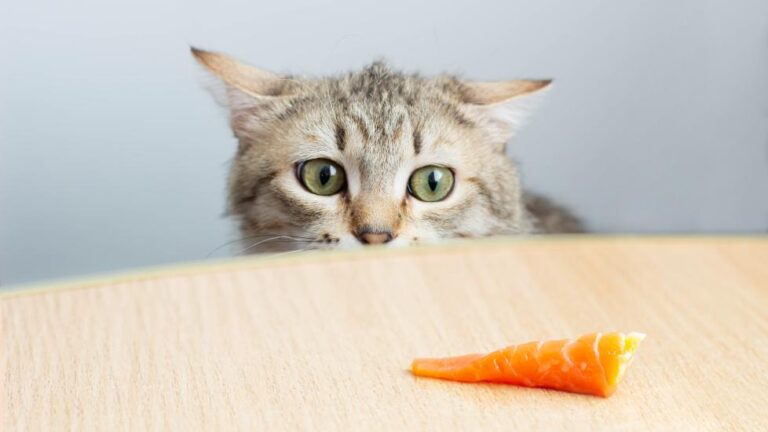
Cats can gag at shrimp for several reasons. Their sense of smell is far stronger than ours, so a scent that seems mild to you may feel intense to your cat. Shrimp also has a soft, wet texture that some cats find unpleasant.
The main reasons include:
• Strong smell: Seafood has natural odors that may seem sharp or unfamiliar to a cat.
• Odd texture: Soft, slippery shrimp can trigger a gag reflex.
• Shell or tail pieces: Hard parts may scratch the mouth or become stuck.
• Seasonings: Garlic, onion, butter, salt, chili, and sauces can upset cats or harm them.
• Eating too fast: A cat may gag if it swallows a large piece without chewing well.
• Stomach upset: Shrimp may not agree with every cat’s digestive system.
• Allergy or sensitivity: Some cats may react poorly to shellfish proteins.
• Throat or mouth trouble: Dental pain, a sore throat, or a foreign object can also cause gagging.
A single brief gag does not always mean something serious. Still, repeated gagging deserves attention because it may look like a food dislike when it is actually a medical issue.

The difference between gagging, coughing, vomiting, and choking
Many cat owners use the word “gagging” for several different actions. Knowing the difference can help you respond correctly. A short video can also help your veterinarian understand what happened.
Gagging often looks like this:
• The cat stretches its neck.
• It opens its mouth.
• It makes a retching or throat-clearing motion.
• Little or no material comes up.
Coughing usually involves a forceful push of air from the lungs. A cat may crouch low and extend its neck, which can look like gagging. Vomiting often includes belly contractions and may bring up food, liquid, foam, or bile.
Choking is more urgent. Signs may include:
• Trouble breathing
• Blue, gray, or very pale gums
• Panic or frantic pawing at the mouth
• Heavy drooling
• Inability to make normal sounds
• Collapse or weakness
If your cat cannot breathe, seek emergency veterinary care at once. Do not blindly place your fingers in the mouth, because you could push an object deeper or get bitten.
Can cats eat shrimp safely?
Most healthy cats can eat a small amount of plain, fully cooked shrimp. Shrimp should be an occasional treat, not a main food. Cats need a complete diet made for their life stage, and shrimp alone does not provide balanced feline nutrition.
For safer feeding:
-
Cook the shrimp fully without oil, butter, salt, or spices.
-
Remove the shell, tail, legs, and digestive tract.
-
Cut the shrimp into tiny pieces.
-
Offer only a small bite the first time.
-
Watch your cat for several hours.
-
Stop if gagging, vomiting, diarrhea, itching, or swelling occurs.
Raw shrimp carries a greater risk of harmful bacteria and parasites. Raw seafood may also contain enzymes that interfere with certain nutrients, depending on the type and amount. Cooking lowers many of these risks, although it does not make seasoned shrimp safe.

Why do cats gag at shrimp smell?
A cat’s nose is built for hunting. It can detect many odor details that humans miss. Shrimp releases strong compounds as it warms, ages, or sits in cooking water, and those smells may overwhelm a sensitive cat.
Some cats enjoy the smell of fish but dislike shrimp. Others may approach the food, sniff it, and then gag or walk away. This is often a sensory response rather than a sign that the shrimp is poisonous.
Freshness matters, too. Spoiled shrimp can have a sour, ammonia-like, or unusually strong odor. Never feed shrimp that smells bad, feels slimy, or has been left at room temperature for too long.
Why do cats gag at shrimp texture?
Texture plays a major role in feline food choices. Cats often prefer food that feels familiar in their mouths. A slick piece of shrimp may slide toward the throat before the cat has chewed it well.
Large pieces can also trigger gagging. This is more likely when a cat gulps food, has missing teeth, or feels stressed around other pets. A cat that eats quickly may need smaller pieces and a calm feeding area.
Do not force shrimp into your cat’s mouth. If your cat sniffs it and backs away, respect that choice. Food refusal is useful information, and your cat does not need shrimp to stay healthy.
Shrimp shells, tails, and seasoning risks
The shell and tail are not safe treats for cats. They can be hard to chew and may cause mouth injuries, throat irritation, choking, or intestinal blockage. Small sharp pieces can also irritate the digestive tract.
Seasoned shrimp creates another concern. Avoid shrimp cooked with:
• Garlic or garlic powder
• Onion or onion powder
• Chives or leeks
• Heavy salt
• Spicy peppers
• Rich sauces
• Butter or greasy oil
Garlic, onion, chives, and leeks can damage a cat’s red blood cells and may lead to anemia. High-fat foods can cause stomach upset and may contribute to pancreatitis in some animals. Salt-heavy foods can also be dangerous in large amounts.
Plain shrimp is very different from restaurant shrimp. A dish that seems harmless to a person may contain several ingredients that are unsuitable for cats.

Could a shrimp allergy make a cat gag?
A food allergy is possible, although gagging alone does not prove an allergy. A true allergy involves the immune system reacting to a food protein. Shrimp contains proteins that may trigger a reaction in a sensitive cat.
Watch for other signs, such as:
• Itchy skin
• Repeated ear infections
• Hives or raised bumps
• Swollen lips or face
• Vomiting
• Diarrhea
• Excessive licking
• Trouble breathing
Facial swelling or breathing problems require urgent veterinary care. A mild digestive reaction still deserves a call to your veterinarian, especially if it happens more than once.
Do not test the suspected food again at home if your cat had swelling, severe vomiting, or breathing changes. Your veterinarian may suggest a controlled elimination diet or another safe method to find the cause.
Why do cats gag at shrimp but eat other seafood?
Cats may react to shrimp and accept fish because each food has a different smell, texture, and protein profile. Tuna, salmon, and shrimp are not interchangeable from a cat’s point of view. One may smell appealing, while another may seem too sharp or unfamiliar.
This difference does not mean your cat is being picky for no reason. Cats form strong food preferences through smell and past experiences. If a cat felt sick after eating shrimp once, it may avoid shrimp later.
Some cats also dislike food that is cold, wet, rubbery, or slippery. You can try a tiny piece of plain cooked shrimp at room temperature, but only if your cat has no history of a reaction. Never pressure the cat to eat it.
What to do if your cat gags after eating shrimp
Stay calm and observe your cat. Remove the shrimp and check whether your cat is breathing normally. Do not give more food, milk, oil, or human medicine to “settle” the stomach.
Use this simple plan:
-
Check breathing and gum color.
-
Remove any visible food from the front of the mouth only if it is easy to reach.
-
Do not pull on a deep object or string.
-
Note how much shrimp your cat ate.
-
Watch for vomiting, diarrhea, swelling, weakness, or repeated gagging.
-
Call your veterinarian for advice if signs continue.
Emergency care is needed for breathing trouble, collapse, severe swelling, repeated unproductive retching, or suspected choking. Contact a veterinarian promptly if your cat ate seasoned shrimp containing onion or garlic, even if signs have not started.
If the gag happened once and your cat quickly returned to normal, the cause may have been taste, smell, or texture. Even then, avoid offering shrimp again until you are confident your cat is well.

How to prevent gagging when offering shrimp
The safest approach is to treat shrimp as optional. Your cat gains no special health benefit from shrimp that cannot come from a complete, balanced cat food.
If you decide to offer it, follow these tips:
• Use fresh shrimp that is fully cooked.
• Remove all shell and tail pieces.
• Skip all seasonings and sauces.
• Cut the shrimp into pea-sized pieces.
• Give one small piece at first.
• Feed your cat away from busy areas and other pets.
• Do not combine shrimp with other new foods.
• Stop immediately if your cat gags or shows other signs.
A practical lesson is to change only one thing at a time. If you offer shrimp with a new treat or table food, you will not know which item caused the problem. Simple feeding trials make problems easier to track.
A food diary can help. Record the food, amount, time, and any signs that appear. This information can be very useful during a veterinary visit.
When gagging may point to another health problem
If your cat gags at shrimp every time, the food may be the trigger. But gagging at many foods, toys, or even water may suggest a problem beyond food preference.
Possible causes include:
• Dental disease
• Mouth ulcers
• A sore throat
• Hairballs
• Asthma or airway disease
• Nausea
• A swallowed foreign object
• Gastrointestinal disease
• A growth in the mouth or throat
Cats often hide pain. A cat with dental disease may still eat, but it may chew oddly, drop food, drool, or avoid hard pieces. A veterinarian can check the mouth, throat, breathing, and digestive system.
Seek veterinary care soon if gagging lasts more than a day, returns often, or appears with weight loss, poor appetite, drooling, lethargy, or vomiting. A cat that cannot keep water down needs prompt attention.

Common mistakes to avoid
Many shrimp-related problems happen because a well-meaning owner shares food from the dinner table. The shrimp itself may not be the only concern. The coating, sauce, shell, or cooking method may create the real danger.
Avoid these common mistakes:
• Giving restaurant shrimp
• Feeding raw shrimp
• Leaving the tail attached
• Offering a whole large shrimp
• Assuming gagging is always a hairball
• Trying to make the cat vomit
• Giving human medication
• Waiting during breathing difficulty
Do not use hydrogen peroxide to make a cat vomit. It can injure the mouth, throat, and stomach, and it should not be used without direct veterinary instruction.
Another mistake is ignoring repeated mild signs. A cat may not look very sick while still having mouth pain, nausea, or a food reaction. Patterns matter more than one isolated event.
What does the evidence say about shrimp and cats?
Veterinary nutrition guidance supports feeding complete and balanced cat food as the foundation of a cat’s diet. Treats, including cooked shrimp, should remain a small part of total daily calories. Too many treats can lead to weight gain and nutritional imbalance.
Food safety guidance also favors fully cooked seafood over raw seafood for pets. Cooking reduces many bacteria and parasite risks. It does not remove problems caused by seasoning, spoiled food, shells, or an individual allergy.
There is limited research focused specifically on why cats gag at shrimp. Much of the advice comes from feline anatomy, food safety knowledge, allergy care, and clinical veterinary experience. That means no single explanation fits every cat.
The most reliable clue is the full pattern: what the shrimp contained, how much your cat ate, how quickly signs began, and whether other symptoms appeared.
Frequently Asked Questions
Why do cats gag at shrimp but not other foods?
Cats may dislike shrimp’s strong smell or slippery texture even when they enjoy other foods. A different protein or a past unpleasant experience may also cause them to avoid shrimp.
Is it normal for a cat to gag after smelling shrimp?
A brief gag after smelling shrimp can be a sensory reaction. However, repeated gagging, drooling, vomiting, or breathing changes should be discussed with a veterinarian.
Can cats eat cooked shrimp?
Healthy cats can usually eat a small amount of plain, fully cooked shrimp. Remove the shell and tail, avoid all seasoning, and stop if your cat develops any unusual signs.
Is raw shrimp safe for cats?
Raw shrimp is not the safest choice because it may carry harmful bacteria or parasites. Fully cooking the shrimp and serving a tiny, plain portion lowers some of the risk.
What should I do if my cat ate shrimp with garlic?
Call your veterinarian or a pet poison service for advice, especially if the shrimp contained garlic, onion, chives, or leeks. Watch for vomiting, weakness, pale gums, or unusual tiredness, but do not wait for severe signs before seeking help.
Why do cats gag at shrimp every time?
If your cat gags whenever it eats or smells shrimp, it may have a strong food aversion, sensitivity, allergy, or a mouth or throat problem. Avoid shrimp and arrange a veterinary check if the reaction is repeated.
Can shrimp shells cause a blockage?
Yes, shrimp shells and tails can be hard to digest and may cause choking, irritation, or an intestinal blockage. Keep these parts away from cats and contact a veterinarian if your cat swallowed one and develops vomiting, pain, or loss of appetite.
Conclusion
Why do cats gag at shrimp? The most common reasons are its strong smell, slippery texture, large pieces, shell fragments, or harmful seasonings. A brief gag may be harmless, but repeated gagging or signs such as swelling, vomiting, weakness, or breathing trouble need veterinary attention.
If you offer shrimp, choose a tiny piece of plain, fully cooked meat with the shell and tail removed. When in doubt, skip the shrimp and choose a complete cat food or a treat made for cats. Share your cat’s experience with shrimp in the comments, and explore more trusted pet-care resources to make every feeding choice safer.