Why Does My Cat Cover Her Food: Reasons And Solutions
Your cat may cover her food to hide its scent, save leftovers, or follow an instinct to protect her meal.
If you have wondered, “why does my cat cover her food,” you are not alone. This behavior can look funny, but it often has a simple link to feline instincts, comfort, routine, or the feeding area. Understanding the reason helps you decide whether to leave it alone or make a small change at home.
Why Does My Cat Cover Her Food?
Cats may cover their food because they want to hide its smell. In the wild, a cat may bury leftover food to keep it away from rivals and predators. Covering food can also help a cat save a meal for later.
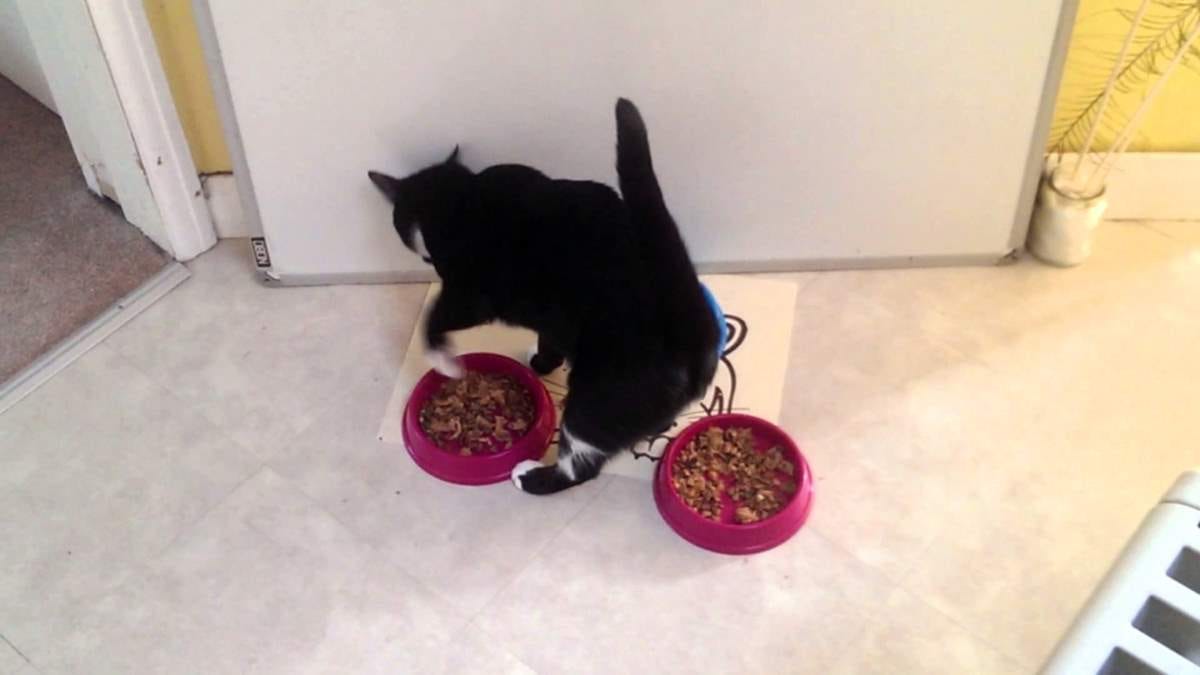
Your cat may use her paw, nose, or nearby items to “cover” the bowl. She may scratch the floor, push a mat, or drag a toy toward the food. Even when there is no soil or cover, the action can still be an old instinct.
When asking why does my cat cover her food, it helps to look at the full setting. Her age, diet, feeding time, home life, and body language can all provide clues.

<figcaption style=”font-size: 14px; color: #555; margin-top: 8px;”>
Source: reddit.com
The Natural Instinct Behind Food Covering
Domestic cats still carry many habits from their wild ancestors. Wild cats often hide food scraps to reduce odors and protect resources. A pet cat may show the same behavior even when she has a full bowl and a safe home.
Food covering is sometimes called caching. Caching means hiding or storing food for later. It is common in many animals, and cats may show a mild version of it after eating.
Your cat may cover food for these reasons:
• She wants to hide the food’s scent.
• She feels full but plans to return later.
• She wants to protect the meal from another pet.
• She feels unsure about the feeding area.
• She dislikes the smell, texture, or freshness of the food.
• She has learned that scratching near the bowl is part of her routine.
This does not mean your cat is being naughty. It is often a normal behavior, much like kneading, scratching, or carrying toys.
Common Reasons Cats Cover Their Food
She wants to save the food
Some cats eat part of a meal and try to cover the rest. This may happen when meals are too large or when food stays available all day.
A cat that eats small meals may treat the bowl like a food store. She may return later when she feels hungry. This is more common with dry food, which can remain fresh longer than wet food.
She does not like the food
Sometimes the answer to why does my cat cover her food is simple: she does not want it. A cat may scratch around a bowl after smelling food she dislikes.
This does not always mean the food is bad. Your cat may dislike its flavor, texture, temperature, or smell. Sudden food refusal, however, needs closer attention.
She smells old food
Cats have a strong sense of smell. Wet food can develop a stronger odor as it sits, even when it still looks safe to us. Your cat may try to cover it because the smell has changed.
Remove wet food after the time listed on the label or by your veterinarian. In general, do not leave wet food out for many hours, especially in a warm room.
She wants to hide food from other pets
In a home with more than one cat, food can become a resource. One cat may cover her bowl because she feels another animal could take it.
Look for signs of food stress, such as:
• Eating very fast
• Watching another pet while eating
• Growling or hissing near the bowl
• Leaving the bowl and returning often
• Blocking another cat from the feeding area
Separate feeding stations can reduce this stress.
She dislikes the bowl
A deep or narrow bowl may touch your cat’s whiskers. Some cats find this unpleasant. They may scratch near the bowl, move food out with a paw, or avoid the dish.
A wide, shallow ceramic or stainless steel dish often works well. These materials are also easier to clean than scratched plastic.
She wants a cleaner eating space
Cats are tidy animals. Your cat may cover food because she does not want old food, crumbs, or strong odors near her eating area.
Keep the bowl clean and place it away from the litter box. Most cats prefer a calm feeding spot with little foot traffic.

Why Does My Cat Cover Her Food After Eating?
Covering food after eating is often a normal end-of-meal routine. Your cat may be trying to hide the scent of leftovers. She may also be signaling that she is finished but wants to keep the food nearby.
Watch what happens next. If she returns later and eats the food, she may be storing it. If she never returns, she may dislike the food or may be receiving too much at one time.
A simple feeding log can help. Write down:
• The type of food
• The amount offered
• How much your cat eats
• How long she takes to eat
• Whether she covers the bowl
• Any changes in vomiting, stool, thirst, or energy
This record can reveal patterns. For example, your cat may cover only fish-based food or only meals served in a certain bowl.

Why Does My Cat Cover Her Food With Her Paw?
Pawing around food is a common form of covering behavior. Your cat may use her paw to push an invisible layer over the bowl. She may also scratch the floor beside it.
This action can look like digging. It may come from the same instinct cats use to bury waste or cover scents outdoors. Indoor cats often direct the behavior at rugs, mats, or the floor.
Do not punish or yell at your cat. Punishment can make mealtime stressful and may increase food-related behavior. Instead, move the bowl, clean the area, or offer smaller meals.
Be careful if your cat places her paw into wet food. Food can stick to her paw and spread across the floor. A low, stable dish can make eating easier and cleaner.

Is Covering Food Normal or a Sign of Stress?
Food covering is usually harmless when your cat eats well, maintains a healthy weight, and acts normally. A cat that covers food but remains playful and comfortable may simply be following an instinct.
The behavior deserves more attention if it appears suddenly or comes with other changes. Cats often hide illness, so small changes can matter.
Contact your veterinarian if you notice:
• Refusing food for a day or more
• Eating much less than usual
• Weight loss
• Repeated vomiting or diarrhea
• Drooling or trouble chewing
• Bad breath that is new or severe
• Low energy or hiding
• Increased thirst or urination
• Pain when touching the mouth or face
A cat that does not eat can become seriously ill, especially if she is overweight. Cats are at risk of hepatic lipidosis, also called fatty liver disease, when they stop eating. A veterinarian can check for dental pain, stomach disease, stress, infection, or other medical causes.
How to Stop a Cat From Covering Her Food
You do not always need to stop this behavior. If it causes no harm, you can simply clean up after meals. Still, these steps may help if your cat scatters food or makes a mess.
1. Offer smaller meals
Try giving smaller portions more often. This reduces leftovers and may lower the urge to hide food. Many cats do well with two or more measured meals each day.
2. Use a clean, shallow bowl
Choose a wide dish that does not press against the whiskers. Wash it often with mild soap and rinse it well. Avoid strong scents that may bother your cat.
3. Create a quiet feeding area
Place the bowl away from loud machines, busy hallways, and other animals. A calm space can help your cat feel safe while eating.
4. Feed pets apart
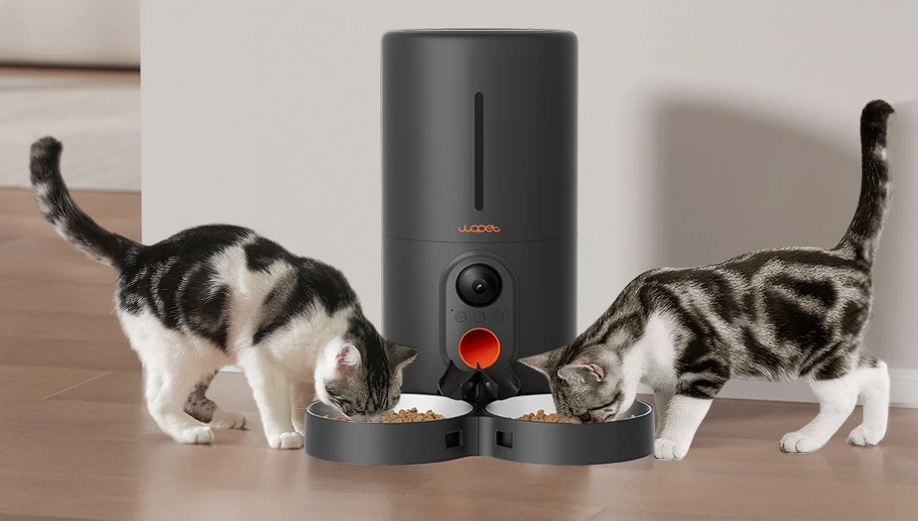
Use separate rooms or feeding stations for cats that compete. You can also place bowls out of sight of each other. This helps each cat eat at a relaxed pace.
5. Remove wet food at the right time
Serve a suitable portion and remove leftovers before they spoil. Ask your veterinarian about safe storage and serving times for your cat’s specific diet.
6. Try a feeding mat
A washable mat can protect the floor and make scratching less disruptive. Choose one that does not slide or trap food.
7. Avoid sudden diet changes
Cats can reject food after a quick change. If you need to switch diets, mix the new food with the old food over several days unless your veterinarian gives different instructions.
8. Do not force or scold
Scolding may make your cat fear the feeding area. Calm changes work better than punishment.
In my experience with common cat behavior questions, the most useful first step is to change only one thing at a time. If you replace the food, bowl, and feeding area on the same day, you will not know which change helped.

Feeding Tips That Can Reduce Food Covering
A predictable routine can make meals feel safe. Serve food at similar times each day and keep the bowl in the same calm place. Cats often respond well to steady patterns.
Measure food based on your veterinarian’s advice and the feeding guide. Labels are useful, but they do not account for every cat’s age, activity level, body condition, or health needs.
You can also try these practical tips:
• Give wet food in small servings.
• Store dry food in a sealed container.
• Keep food and water in separate but nearby areas if your cat prefers it.
• Clean dropped food quickly.
• Keep the litter box far from the feeding station.
• Watch whether your cat eats better when alone.
• Offer puzzle feeders only if your cat enjoys them and can use them easily.
Do not assume that food covering means your cat needs more food. It may mean she has too much food, dislikes the meal, or feels uneasy near the bowl.
When Food Covering May Point to a Medical Problem
The behavior itself is rarely a medical problem. The concern comes when it appears with appetite or behavior changes.
Dental pain is one possible cause. A cat with sore teeth may approach food, sniff it, paw near it, and walk away. Mouth pain can also cause drooling, chewing on one side, or dropping food.
Nausea can create a similar pattern. Your cat may seem interested in food but avoid eating after smelling it. Kidney disease, digestive illness, pain, and some medications can also affect appetite.
Only a veterinarian can diagnose the cause. Do not give human medicine or force food into your cat’s mouth unless a veterinary professional tells you to do so.
Frequently Asked Questions About Why Does My Cat Cover Her Food
Why does my cat cover her food with a blanket?
Your cat may use a blanket to hide the food’s scent or save it for later. This is usually an instinctive behavior, but remove the blanket if it becomes dirty or traps spoiled food.
Why does my cat scratch the floor around her food?
Scratching around the bowl can be a form of food covering. Your cat may be trying to hide leftovers, protect the meal, or follow an old digging instinct.
Should I stop my cat from covering her food?
You do not need to stop it if your cat eats well and the behavior causes no problems. If it creates mess or attracts insects, offer smaller meals, use a washable mat, and keep the feeding area clean.
Why does my cat cover food but not eat it?
Your cat may dislike the food, feel full, or feel stressed near the bowl. If she also refuses other foods or shows signs of illness, contact your veterinarian promptly.
Can food covering mean my cat is hungry?
Food covering does not always mean hunger. Some cats cover leftovers because they want to store them, while others do it because they do not want the food.
Why does my cat cover wet food but eat dry food?
Your cat may dislike the smell or texture of wet food, especially as it warms or sits out. Try smaller fresh servings, a different texture, or a clean shallow dish, but speak with your veterinarian if her total food intake drops.
Conclusion
The answer to why does my cat cover her food is often linked to instinct, food freshness, bowl comfort, or a need to protect leftovers. Most cases are normal, especially when your cat eats well, stays active, and shows no other changes.
Start with simple steps: offer smaller meals, use a clean shallow bowl, reduce competition, and keep the feeding area calm. If food covering begins suddenly or comes with poor appetite, weight loss, vomiting, pain, or low energy, arrange a veterinary check.
Your cat’s bowl is a small window into her comfort and health. Watch her patterns, make gentle changes, and share your experience or questions with your veterinarian or fellow cat owners.