Why Does My Cat Eat So Fast: Causes And Tips
Your cat may eat so fast because of hunger, instinct, stress, competition, or an underlying health problem.
If you keep asking, “why does my cat eat so fast?” you are not alone. Fast eating is common, but it is not always harmless. Some cats simply have a strong food drive, while others gulp meals because they feel rushed, worried, or unwell. This guide explains the main causes, warning signs, safe fixes, and when a veterinarian should check your cat.
Why does my cat eat so fast?
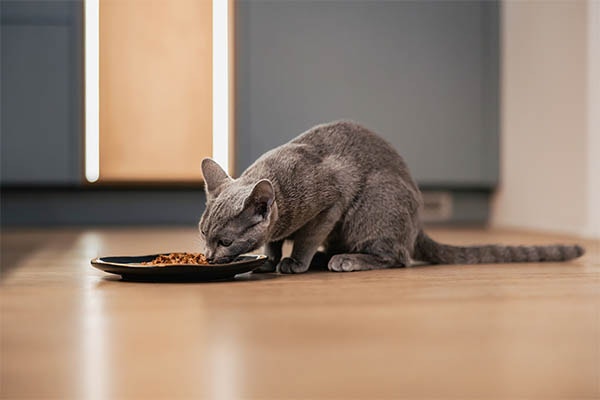
The short answer is that cats may eat quickly due to instinct, routine, competition, or increased hunger. A cat’s wild ancestors had to eat when food was available. That instinct can remain, even when your cat has a full bowl every day.
Still, why does my cat eat so fast can have more than one answer. The cause may be simple, such as a long gap between meals. It may also relate to another pet, a stressful home, or a medical condition that makes your cat feel unusually hungry.
Common causes include:
• Strong food instinct: Some cats are naturally very food-focused.
• Competition: A cat may gulp food if another pet approaches the bowl.
• Irregular meals: Long gaps can make your cat feel desperate for food.
• Boredom: Eating may become a favorite activity when your cat lacks play or mental stimulation.
• Food insecurity: Cats that once lived outdoors or had limited food may guard and swallow meals.
• Anxiety: Noise, children, visitors, or other pets can make a cat eat before it feels unsafe.
• Medical problems: Diabetes, intestinal disease, parasites, and thyroid disease may increase appetite.
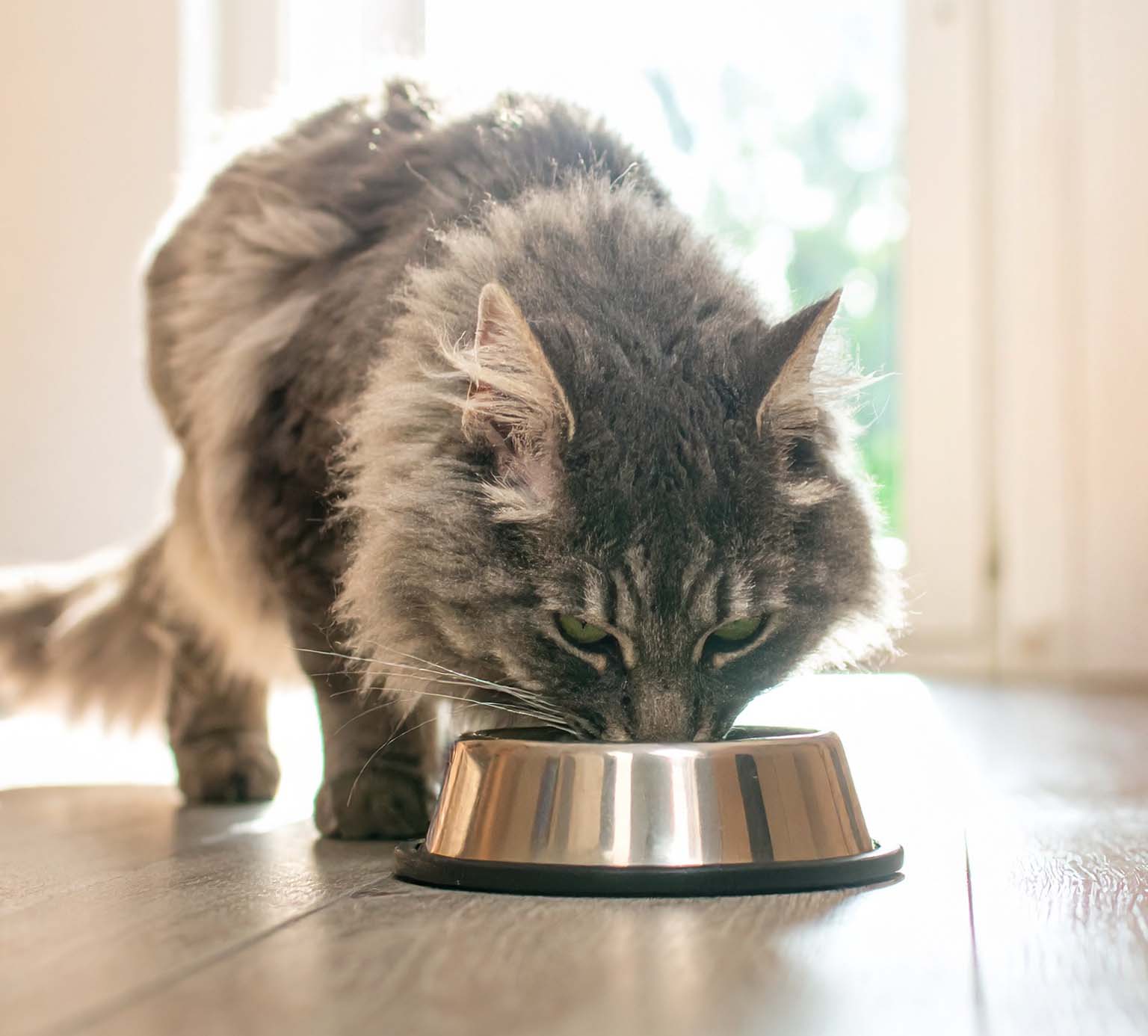
A fast eater may look healthy at first. However, repeated gulping can lead to vomiting, choking, stomach discomfort, or poor digestion.
 display: block; margin: 0 auto;”
loading=”lazy”
/>
Is fast eating normal for cats?
Some speed is normal. Cats do not chew food in the same way people do, especially when eating wet food. Their teeth are designed to tear and cut meat, so a cat may finish a small meal in a short time.
The concern is not always the number of seconds. It is the pattern around the meal. Ask yourself:
• Does your cat swallow food without chewing?
• Does your cat vomit soon after eating?
• Does your cat cough, gag, or choke?
• Has your cat gained or lost weight?
• Does your cat act frantic around food?
• Has the eating speed changed suddenly?
A cat that has always eaten quickly but maintains a healthy weight may simply have a strong appetite. A sudden change deserves more attention. Changes in appetite can be early signs of pain, stress, or illness.
Many veterinary professionals suggest watching the whole cat, not just the bowl. Energy, weight, thirst, litter box habits, coat condition, and mood can reveal more than eating speed alone.

Why does my cat eat so fast around other pets?
Competition is one of the most common reasons for rapid eating. Your cat may not need to fight for food to feel pressure. The sight, smell, or movement of another animal may be enough to trigger a “eat now” response.
This can happen in homes with multiple cats, dogs, or even young children. A quiet cat may seem calm but still swallow food quickly because it expects another animal to steal the meal.
Signs of food competition include:
• Watching another pet while eating
• Eating faster when another animal enters the room
• Blocking access to the bowl
• Growling, hissing, or swatting near food
• Leaving the bowl and returning when the area is quiet
• Searching for leftover food after the meal
Give each cat a separate feeding area. Place bowls in different rooms when possible. You can also feed one cat behind a closed door for a short time.
Do not punish food guarding. Punishment can increase fear and make the problem worse. Instead, reduce pressure and create a calm, predictable meal routine.

Medical reasons a cat may eat too fast
Sometimes the answer to why does my cat eat so fast is medical. A sudden increase in appetite, called polyphagia, can occur with several health conditions.
Possible medical causes include:
Diabetes
Diabetes can cause a cat to feel hungry even while losing weight. Increased thirst and more frequent urination often occur too. Some cats also seem tired or develop weakness in their back legs.
Hyperthyroidism
Older cats may develop an overactive thyroid. Signs can include increased hunger, weight loss, restlessness, vomiting, diarrhea, and a rough coat.
Intestinal parasites
Worms and other parasites can affect nutrient absorption. A cat may eat more while losing weight or developing a dull coat and loose stool.
Digestive disease
Inflammatory bowel disease and other intestinal problems may affect how the body absorbs nutrients. Vomiting, diarrhea, weight loss, and appetite changes may appear together.
Medication effects
Some medicines can increase hunger. Steroids are one example. Ask your veterinarian before changing or stopping any prescribed medicine.
Anxiety or pain
Stress can change eating habits in either direction. Some cats stop eating, while others use food as a coping behavior. Pain may also change how, when, or where a cat eats.
Contact your veterinarian if fast eating comes with weight loss, increased thirst, frequent urination, vomiting, diarrhea, weakness, or a sudden appetite change. A veterinary visit may include a physical exam, blood work, urine testing, and a stool test.

Can eating too fast hurt my cat?
Yes, fast eating can cause problems. A cat that gulps food may swallow extra air. This can lead to burping, stomach discomfort, bloating, or vomiting soon after the meal.
Food may also come back up before it reaches the stomach. This is called regurgitation. It often happens quickly after eating, and the food may look only partly digested.
Fast eating can also create a cycle:
-
The cat gulps food.
-
The stomach fills too quickly.
-
The cat vomits or regurgitates.
-
The cat feels hungry again.
-
The cat rushes through the next meal.
Choking is less common, but it can be serious. Signs include repeated coughing, pawing at the mouth, trouble breathing, blue or gray gums, or sudden panic. Treat breathing trouble as an emergency.
Do not force your fingers into a choking cat’s mouth. Call an emergency veterinary clinic for instructions. If your cat often vomits after meals, schedule a veterinary exam rather than assuming the issue is only eating speed.

How to slow down a cat that eats too fast
The best solution depends on the cause. Start with simple changes, then watch your cat for two to three weeks.
Use a slow feeder
A cat slow feeder has ridges, spaces, or small openings that make your cat work for each bite. Choose a design that is easy to clean and not so difficult that your cat becomes frustrated.
Puzzle feeders can also help. They turn a meal into a short hunting game. Start with an easy feeder, then increase the challenge slowly.
Divide meals into smaller portions
Give several small meals instead of one or two large meals. For example, divide the daily food amount into three or four meals.
An automatic feeder can help keep the schedule steady. Measure the full daily amount first so smaller meals do not become extra meals.
Spread wet food thinly
Place wet food across a wide, flat plate. This makes it harder to gulp a large mouthful at once. Avoid deep bowls if they cause your cat to press its face into the food.
Feed in a quiet space
Move the bowl away from litter boxes, loud appliances, busy hallways, and other pets. Cats often eat better when they can see the room and leave easily.
Add gentle play before meals
A short play session can copy the natural hunt, catch, eat, and rest pattern. Use a wand toy for five to ten minutes, then offer the meal.
Do not make your cat exercise hard before eating. The goal is calm activity, not exhaustion.
Offer food puzzles
Hide small portions in several safe places or use a treat puzzle with part of the regular meal. This adds mental work and can reduce boredom.
Keep the daily amount accurate
Slow feeding does not replace portion control. Use a measuring cup or kitchen scale, and follow your veterinarian’s guidance. Cats with weight concerns may need a specific calorie plan.
A practical lesson from many feeding trials is that changing the bowl alone may not solve the problem. If another cat still creates pressure, even the best feeder may fail. The feeding environment matters just as much as the feeding tool.

What not to do when your cat gulps food
Some well-meant methods can create new problems. Avoid placing large objects, rocks, or unsafe items in the food bowl. Your cat could swallow them, break a tooth, or hurt its mouth.
Do not suddenly cut the food amount. A sharp reduction can increase hunger, stress, and food guarding. It may also be unsafe for cats that stop eating, since cats can develop serious liver problems when they go without food.
Avoid chasing, scolding, or taking the bowl away while your cat eats. These actions may teach your cat that food is under threat. The result can be faster eating and stronger guarding.
Do not use treats to distract your cat from every meal. Treats add calories and may increase food obsession. Use a portion of the normal meal in a puzzle feeder instead.
Also, do not assume that a slow feeder is always safe. Check that your cat can eat without bending its neck awkwardly or becoming upset. Wash the feeder often to prevent old food and bacteria from building up.

How to create a better feeding routine
A steady routine can help your cat feel safe. Feed at similar times each day, even on busy mornings or weekends. Predictability reduces the need to act as if every meal is the last one.
Try this simple plan:
-
Measure the full daily food amount.
-
Divide it into three or four meals.
-
Feed cats in separate, quiet areas.
-
Use a flat plate or suitable slow feeder.
-
Watch your cat eat for a few minutes.
-
Record vomiting, stool changes, thirst, and weight.
-
Adjust the plan with veterinary advice if needed.
Keep a simple food diary. Note the food type, portion, meal time, eating speed, and any symptoms. This record can help your veterinarian see patterns that are easy to miss.
If your cat eats dry food, make sure fresh water is available. Wet food contains more moisture, but every cat still needs access to clean water. Water intake matters even more if your cat has kidney disease, diabetes, or another condition affecting hydration.
A healthy feeding plan should fit your cat’s age, body condition, activity level, and medical needs. Kittens, senior cats, pregnant cats, and cats with illness may need different meal plans.
When should you call the veterinarian?
Call your veterinarian if fast eating is new, intense, or linked to other changes. A cat that suddenly becomes desperate for food needs more than a new bowl.
Arrange a prompt appointment if you notice:
• Weight loss despite increased eating
• Increased thirst or urination
• Repeated vomiting or diarrhea
• Blood in stool or vomit
• Weakness, shaking, or unusual sleepiness
• A swollen or painful belly
• Trouble chewing or swallowing
• Worms or rice-like pieces near the stool
• A major change in behavior
Seek urgent care if your cat cannot breathe, repeatedly chokes, collapses, has a hard swollen abdomen, or cannot keep water down.
Veterinary guidance can rule out conditions that home feeding changes cannot fix. Blood tests, urine tests, parasite checks, and thyroid testing may be useful, especially for older cats.
There is also a limit to online advice. Eating speed alone cannot diagnose a disease. The safest approach is to combine careful observation at home with a professional exam when warning signs appear.

Frequently asked questions about why does my cat eat so fast
Why does my cat eat so fast and then vomit?
Your cat may swallow air or fill the stomach too quickly, causing regurgitation. Try smaller meals and a slow feeder, but contact a veterinarian if vomiting happens often or your cat loses weight.
Is it normal for a kitten to eat very fast?
Kittens need frequent meals because they are growing, so strong hunger is common. Feed a complete kitten diet in measured portions and ask your veterinarian how much your kitten needs each day.
How can I slow down my cat’s eating without buying a special feeder?
Spread wet food across a flat plate, divide meals into smaller portions, or place measured food in several safe locations. Watch closely to ensure your cat does not become frustrated or swallow any unsafe object.
Why does my cat eat so fast but still lose weight?
Fast eating with weight loss may point to diabetes, hyperthyroidism, parasites, or digestive disease. Schedule a veterinary visit soon, especially if thirst, urination, vomiting, or diarrhea has also increased.
Should I feed my cat more if it eats too fast?
Not automatically. Extra food can cause weight gain and may hide a medical problem, so measure the daily portion and discuss hunger with your veterinarian.
Can stress make a cat eat too fast?
Yes. Another pet, loud noise, household changes, or past food shortages can make a cat feel unsafe during meals. A quiet feeding area and a predictable routine often help.
Conclusion
Why does my cat eat so fast? The cause may be instinct, hunger, competition, stress, boredom, or illness. Smaller meals, calm feeding spaces, slow feeders, and measured portions can help many cats eat more safely.
Watch for vomiting, weight loss, increased thirst, behavior changes, and other warning signs. Start with one gentle change, keep a short food diary, and contact your veterinarian if the habit is sudden or persistent. Share your experience with other cat owners or explore more trusted feline nutrition resources to help your cat enjoy calmer, healthier meals.