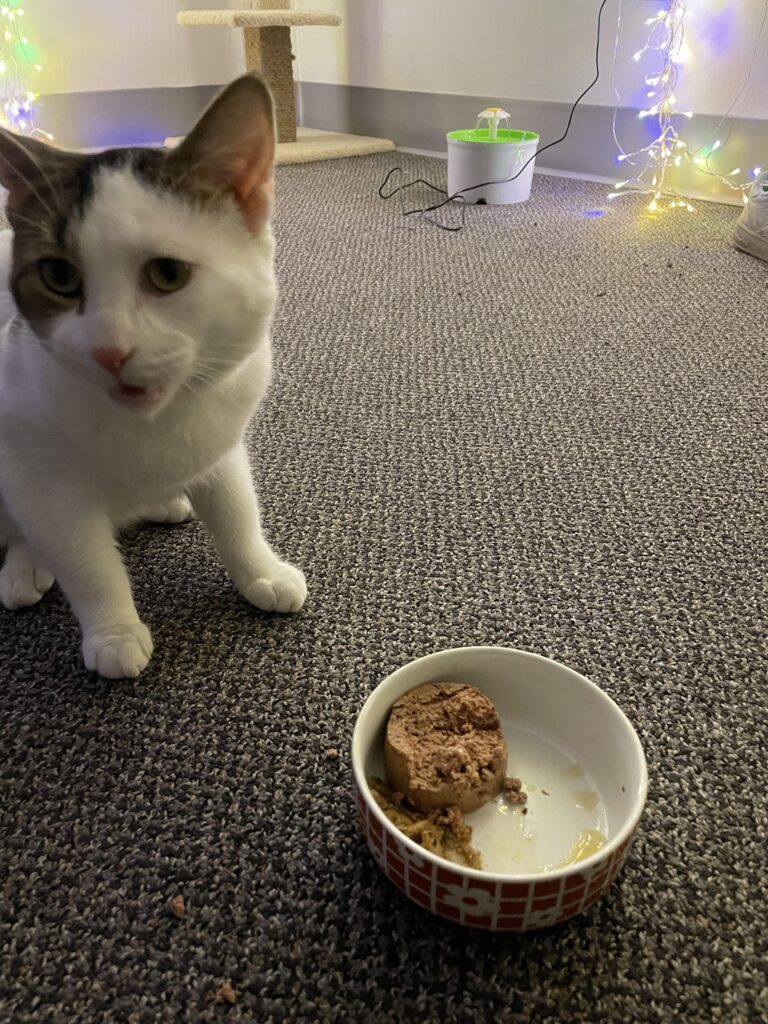
Why Do Kittens Need Kitten Food: Nutrition Guide
Kittens need kitten food because their growing bodies require more calories, protein, vitamins, and minerals than adult cats.
If you have ever watched a kitten race across the room, climb your curtains, and fall asleep in a food bowl, you have seen how much energy growth takes. Understanding why do kittens need kitten food helps you choose meals that support healthy bones, muscles, teeth, vision, and brain development during this important stage.
What Is Kitten Food?
Kitten food is specially made for cats from weaning until they reach adulthood. It usually contains more energy and key nutrients than adult cat food.
A growing kitten needs fuel for two jobs:
• Daily activity, play, and body heat
• Fast growth of bones, muscles, organs, and the nervous system
This is the main reason why do kittens need kitten food rather than standard adult food. Adult cat food may keep a mature cat healthy, but it may not provide enough nutrition for a developing kitten.
Look for a food labeled “complete and balanced” for growth or for “all life stages.” In the United States, these labels are linked to nutritional standards set by the Association of American Feed Control Officials, commonly called AAFCO.
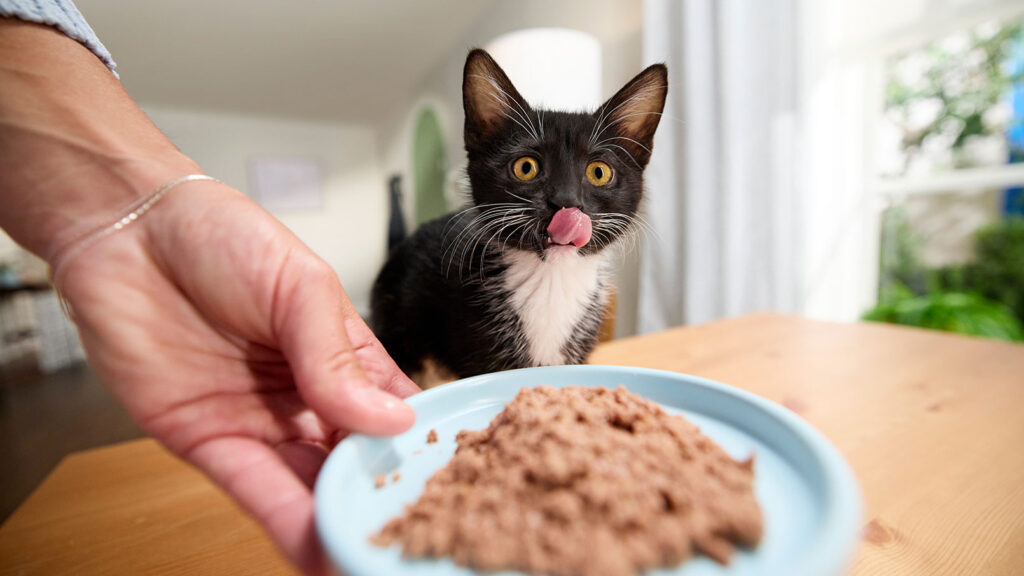
Why Do Kittens Need Kitten Food?
Why do kittens need kitten food? Their nutritional needs are different from those of adult cats. A kitten’s body is building itself every day, much like a house that is still under construction.
Kitten food supports this work in several key ways:
• It provides more calories in small portions.
• It supplies high-quality protein for muscle growth.
• It supports strong bones and teeth with balanced minerals.
• It gives the brain and eyes nutrients needed for normal development.
• It offers essential fatty acids for healthy skin, fur, and brain function.
• It helps support the immune system during early life.
Kittens also have small stomachs. They may not be able to eat a large amount at one time, so their food must deliver plenty of nutrition in each bite.
This is why do kittens need kitten food even when an adult cat seems to enjoy the same meal. A kitten may eat the food, but eating it does not always mean receiving the right balance of nutrients.

Kitten Food Has More Energy
Growing kittens often need more calories per pound than adult cats. Their bodies use energy for play, warmth, movement, and growth.
A healthy kitten may spend much of the day in short bursts of activity. One minute, the kitten is chasing a toy. The next minute, it is sleeping deeply. This cycle can repeat many times.
Kitten food is often more calorie-dense than adult food. That means a kitten can eat a small serving and still get useful energy.
However, more calories do not mean unlimited feeding. Too much food can cause fast weight gain, loose stools, or poor growth. Follow the feeding guide on the package, then adjust with help from a veterinarian if needed.
A simple way to check body condition is to gently feel your kitten’s ribs. You should be able to feel them under a thin layer of fat, but they should not be sharply visible.

Protein Helps Build a Strong Body
Protein is one of the most important reasons why do kittens need kitten food. It provides amino acids, which act like small building blocks for muscles, skin, organs, enzymes, and hormones.
Cats are obligate carnivores. This means their bodies are adapted to use nutrients found in animal tissues. A quality kitten diet should include suitable animal-based protein and meet recognized nutrition standards.
Important amino acids include taurine and arginine. Taurine supports normal heart and eye function. Arginine helps the body process waste from protein digestion.
A kitten that does not receive enough of the right nutrients may show poor growth, dull fur, low energy, or other health problems. These signs can have many causes, so always ask a veterinarian rather than trying to diagnose the issue at home.
Kitten Food Supports Bones and Teeth
Kittens grow rapidly during their first months. Their bones and teeth need the right balance of calcium, phosphorus, vitamin D, and other nutrients.
The balance matters as much as the amount. Adding extra calcium or mineral supplements to a complete kitten diet can be harmful. More is not always better, especially during a sensitive growth period.
This is another important answer to why do kittens need kitten food. A food made for growth is designed to provide nutrients in suitable proportions.
Do not give a kitten human vitamins unless a veterinarian specifically recommends them. Some products may contain unsafe ingredients, and a supplement can upset the nutrient balance of the diet.
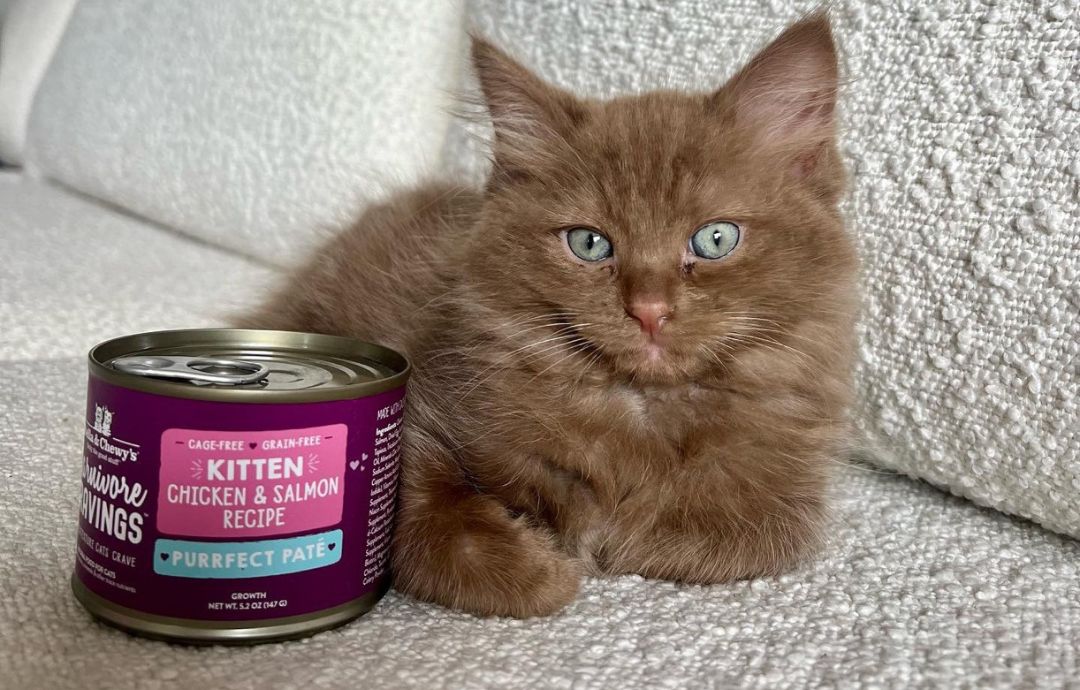
Brain, Eye, and Immune System Development
A kitten’s brain and eyes continue to develop after birth. Kitten food may include nutrients such as taurine, arachidonic acid, and omega-3 fatty acids, including DHA.
DHA is linked with brain and eye development in young animals. Taurine is also vital for cats because they cannot make enough of it on their own.
Early life is also a time when the immune system is still maturing. A complete diet helps provide the protein, vitamins, and minerals needed for normal immune function.
Food cannot replace vaccines, parasite control, clean water, or veterinary care. Good nutrition is one part of a complete kitten care plan, not a substitute for medical support.
Wet Kitten Food Versus Dry Kitten Food
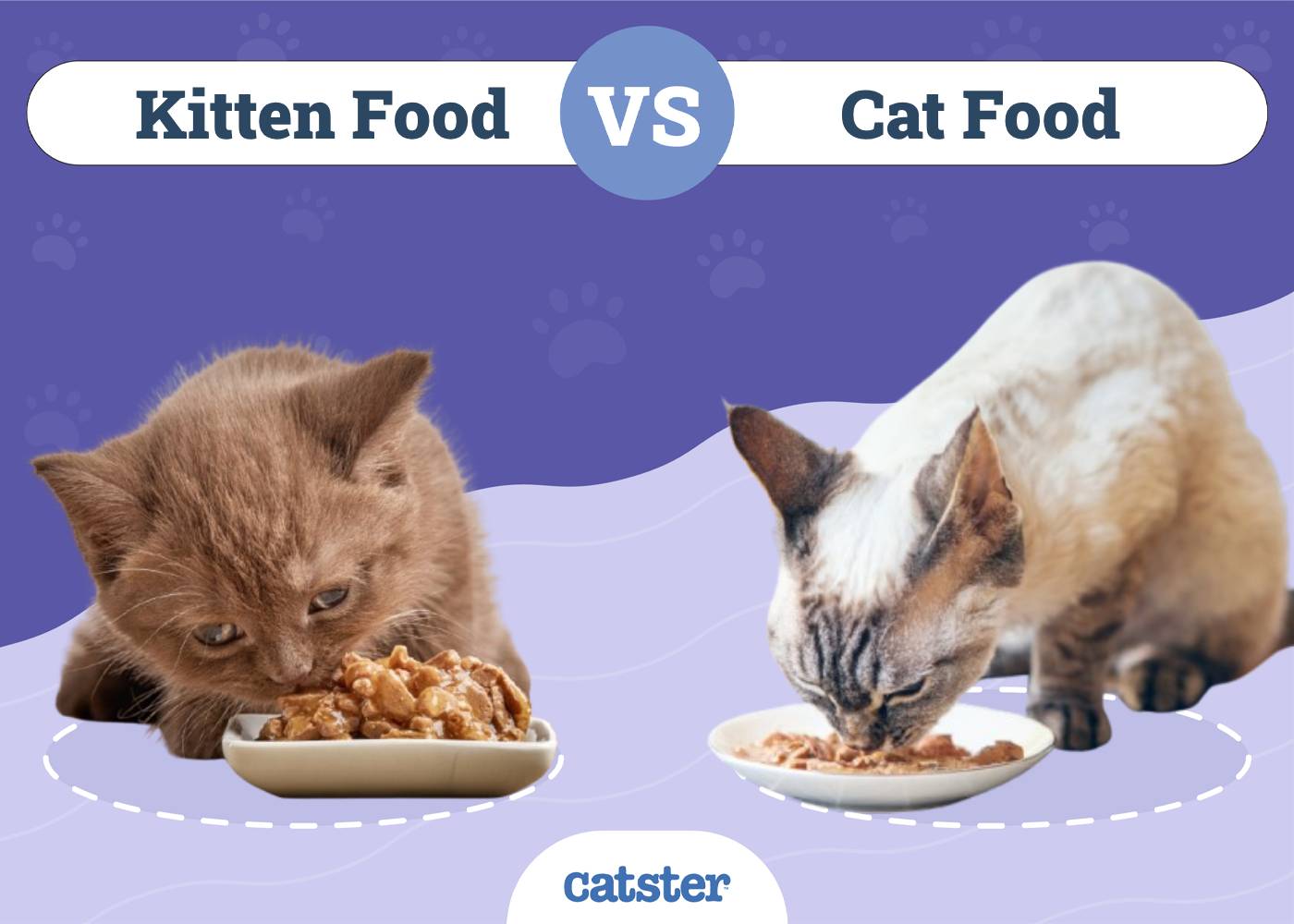
Both wet and dry kitten food can work when the product is complete and balanced for growth. The best choice may depend on your kitten’s health, appetite, teeth, and your daily routine.
Wet food has a high water content. It can be useful for kittens that do not drink much water or prefer a soft texture. It may also be easier for very young kittens that are still learning to eat solid food.
Dry food is convenient and easy to measure. It can be useful for puzzle feeders and training, but fresh water should always be available.
Many families use a mix of wet and dry food. This can offer variety while helping a kitten become comfortable with different textures. Change foods slowly over several days to reduce the risk of stomach upset.

When Should Kittens Start Eating Kitten Food?
Most kittens begin trying solid food at about four weeks of age. They may first eat soft food mixed with kitten milk replacer or warm water.
By about eight weeks, many kittens can eat complete kitten food without milk replacer. Some kittens need more time, especially if they were orphaned, ill, or raised on bottle feeding.
Do not give cow’s milk. It can cause diarrhea and does not provide the right nutrition for a growing kitten. Orphaned kittens need a commercial milk replacer and a feeding plan from a veterinarian or experienced animal care professional.
Feed young kittens several small meals each day. Their stomachs are small, and regular meals can help maintain energy.

How Long Should Kittens Eat Kitten Food?
Most cats should eat kitten food until they reach about 12 months of age. Large breeds, such as Maine Coons, may need growth food for longer because they mature more slowly.
Your veterinarian can help choose the best time to switch. The right age may depend on breed, size, body condition, activity, and health.
When changing to adult food, use a gradual transition:
- Days 1 and 2: Serve about 75% kitten food and 25% adult food.
- Days 3 and 4: Use about 50% of each food.
- Days 5 and 6: Serve about 25% kitten food and 75% adult food.
- Day 7: Offer only the new adult food if your cat is eating well.
Some cats need a slower change. If vomiting, diarrhea, or refusal to eat occurs, stop the transition and contact a veterinarian.

Can Kittens Eat Adult Cat Food?
A small amount of adult cat food is usually not dangerous for a healthy kitten. The concern is regular feeding over time.
Adult food is designed to maintain a mature cat, not always to support rapid growth. It may contain fewer calories or different levels of nutrients than a kitten requires.
This explains why do kittens need kitten food even if adult food appears nutritious. The issue is not that adult food is “bad.” It is that it may not match a kitten’s needs.
If your kitten eats another pet’s food once, do not panic. Return to the correct diet and watch for stomach problems.
What to Look for on a Kitten Food Label
Choosing cat food can feel confusing. A few label details can make the process easier.
Check for:
• A statement that the food is complete and balanced for growth or all life stages
• Clear feeding directions for kittens
• A named animal protein, such as chicken, turkey, beef, or fish
• A reputable manufacturer with quality control practices
• Contact information for the company
• A texture your kitten can eat safely
The ingredient list can provide useful information, but it does not tell the whole story. Nutrient levels, feeding trials, manufacturing controls, and formulation quality also matter.
Grain-free food is not automatically healthier. Cats can digest properly cooked grains, and avoiding grains does not guarantee better nutrition. Choose a complete diet based on your kitten’s needs rather than on a marketing phrase.
Common Feeding Mistakes to Avoid
Many kitten feeding problems come from good intentions. New pet parents often want to offer variety, treats, or supplements before they understand the basics.
Avoid these common mistakes:
• Feeding only adult cat food
• Giving too many treats
• Changing food suddenly
• Offering cow’s milk
• Adding vitamins without veterinary advice
• Leaving a kitten without clean water
• Feeding raw meat without professional guidance
• Ignoring ongoing diarrhea or poor appetite
• Guessing portions without checking the food label
Treats should make up only a small part of daily calories. Human foods can also be risky. Chocolate, onions, garlic, grapes, raisins, alcohol, and products containing xylitol should never be given to cats.
In my experience helping new cat owners, the biggest mistake is often waiting too long when a kitten stops eating. Kittens can become weak quickly. A kitten that refuses food, vomits repeatedly, has severe diarrhea, or seems very tired should receive prompt veterinary advice.
A Simple Kitten Feeding Routine
A steady routine can help your kitten eat well and settle into your home. Measure meals rather than filling the bowl by guesswork.
Try this approach:
- Choose a complete kitten food that matches your kitten’s age.
- Measure the daily amount listed on the package.
- Divide that amount into several small meals.
- Serve food in a clean, quiet place.
- Provide fresh water at all times.
- Remove wet food after it has sat out for a safe period.
- Track weight and body shape each week.
- Ask your veterinarian about changes in appetite or stool.
A kitchen scale can help you monitor growth more accurately than appearance alone. Weigh your kitten at the same time of day and record the result.
Food needs vary. Package guides are a starting point, not a perfect prescription for every kitten.
When to Call a Veterinarian
Healthy kittens should be active, curious, and interested in food. They should gain weight steadily, although the rate can vary by breed and age.
Contact a veterinarian if your kitten has:
• No appetite for a full day, or less time if the kitten is very young
• Repeated vomiting
• Ongoing diarrhea
• A swollen or painful belly
• Trouble chewing or swallowing
• Weakness, collapse, or unusual sleepiness
• Sudden weight loss
• A dull coat or signs of dehydration
Kittens should also receive routine wellness care, vaccines, parasite screening, and a discussion about spaying or neutering. Nutrition works best when it is part of a full health plan.
Frequently Asked Questions About Why Do Kittens Need Kitten Food
Why do kittens need kitten food instead of adult cat food?
Why do kittens need kitten food? They need more calories, protein, and carefully balanced nutrients for growth than most adult cats need for maintenance. Adult food may not support a kitten’s rapid development when fed as the main diet.
Can a kitten eat adult cat food for one day?
Yes, a healthy kitten will usually be fine after eating adult food for one day. Return to complete kitten food soon, and contact your veterinarian if vomiting, diarrhea, or refusal to eat develops.
Can kittens eat both wet and dry food?
Yes, kittens can eat both wet and dry food when each product is complete and balanced for growth. A mixed diet may provide texture variety, but introduce new foods gradually.
How many times a day should a kitten eat?
Young kittens often do best with three to four small meals each day. Very young or underweight kittens may need a special feeding plan from a veterinarian.
When can kittens stop eating kitten food?
Many cats switch to adult food at about 12 months of age. Large breeds may need kitten food longer, so ask your veterinarian for advice based on growth and body condition.
Is homemade food safe for kittens?
Homemade diets can be difficult to balance and may lack vital nutrients such as taurine, calcium, or certain vitamins. Use a recipe created by a board-certified veterinary nutritionist if you want to prepare food at home.
Conclusion
Why do kittens need kitten food? Their growing bodies need concentrated energy, quality protein, balanced minerals, and nutrients for healthy brain, eye, bone, muscle, and immune development. A complete food made for growth gives your kitten a strong nutritional foundation.
Choose a reputable kitten diet, offer small meals, provide fresh water, and change foods slowly. Watch your kitten’s appetite, weight, energy, and stool, and seek veterinary help when something seems wrong. Explore more trusted kitten-care resources, and share your feeding experience in the comments.