Why Is Dry Cat Food So Expensive: Cost Explained
Dry cat food is expensive because quality ingredients, safety testing, packaging, transport, and retail costs all add up.
If you have noticed a small bag of cat kibble costing more than expected, you are not alone. Many cat owners ask, “why is dry cat food so expensive?” The answer is not just the meat or grains inside the bag. Ingredient quality, nutrition research, strict safety rules, supply costs, brand marketing, and your cat’s special health needs can all raise the price. This guide explains where your money goes and how to choose good food without overspending.
Why is dry cat food so expensive?
The main reason why is dry cat food so expensive comes down to the full cost of making a safe, balanced, and shelf-stable product. Dry food may look simple, but it goes through several steps before it reaches your kitchen.
Manufacturers must buy ingredients, create a recipe, test the food, cook it, dry it, package it, ship it, and store it. Each step adds cost. A higher price does not always mean better food, but very cheap food may have limits in ingredients, testing, or nutrition.
The price also changes with the type of food. A basic adult recipe usually costs less than food for kittens, senior cats, indoor cats, urinary care, allergies, or weight control.
Common costs behind dry cat food include:
• Animal proteins such as chicken, turkey, fish, or lamb
• Fats and oils that supply energy and support skin health
• Vitamins, minerals, and amino acids such as taurine
• Laboratory testing for nutrients and harmful bacteria
• Specialized equipment for cooking and drying
• Bags, labels, boxes, and protective packaging
• Transportation, storage, and retailer fees
• Research, product development, and quality control
This is why dry cat food can seem costly even when the bag contains mostly small pieces of kibble.

Ingredient quality affects the price
Ingredients are one of the clearest answers to why is dry cat food so expensive. Cats are obligate carnivores. This means they rely on nutrients found in animal tissues, although commercial cat food may also contain carefully chosen plant ingredients.
Animal protein often costs more than low-cost plant ingredients. A recipe with named chicken, turkey, or salmon may cost more than one that uses broad terms such as “meat meal” or “animal protein.” That does not mean every unnamed ingredient is unsafe. It means the label gives you less detail about the source.
Some ingredients serve special purposes. For example, taurine supports normal heart and eye function. Omega-3 fatty acids may support the skin and coat. Fiber can help with stool quality and hairball control. These nutrients require careful formula design.
Premium foods may also use:
• Higher levels of animal-based protein
• Specific fish oils with measured omega-3 content
• Easily digested ingredients
• Added prebiotics or fiber
• Special mineral levels for urinary health
• Limited ingredients for cats with food sensitivities
A useful lesson I have seen many cat owners learn is that a long ingredient list does not prove better quality. Look at the complete nutrition statement, protein level, feeding directions, and your cat’s response. Price is only one part of the picture.
Manufacturing dry cat food takes more work than it seems
Kibble is made through a process called extrusion. In simple terms, a mixture of ingredients is cooked under heat and pressure. The cooked dough is pushed through a machine, cut into small pieces, and dried.
This process helps create food that is easy to store and serve. It also reduces moisture, which helps slow the growth of many microorganisms. However, the equipment is large and costly to operate.
After cooking, manufacturers may spray fats or flavor coatings onto the kibble. These coatings can improve taste and add energy. The food must then be checked for moisture, nutrient levels, texture, and safety.
Manufacturers also need systems for:
• Preventing cross-contact between formulas
• Controlling moisture and temperature
• Testing for bacteria such as Salmonella
• Checking that vitamins and minerals match the recipe
• Tracking each production batch
• Meeting labeling and safety requirements
These steps help explain why is dry cat food so expensive. You are paying for a controlled manufacturing system, not simply a bag of grains and meat.
Nutrition research and quality testing raise the cost
A complete cat food must provide the nutrients cats need in the right amounts. This is more complex than adding meat, rice, or vegetables to a bowl.
Cats need nutrients such as taurine, arachidonic acid, vitamin A, and certain amino acids from their diet. A formula must also provide the right balance of calcium, phosphorus, fat, protein, and other nutrients.
Companies may use nutrition experts, food scientists, veterinarians, and laboratory teams to develop recipes. They may test the food in a lab or conduct feeding trials. These services cost money, but they can help reduce the risk of nutrient shortages or unsafe products.
The Association of American Feed Control Officials, often called AAFCO, provides nutrient profiles and feeding trial standards used by many pet food companies in the United States. The Food and Drug Administration also oversees pet food safety and labeling under federal law.
Still, testing is not a perfect guarantee. A higher price does not prove that one food is ideal for every cat. It is wise to check the label and ask your veterinarian when your cat has a medical condition.
Packaging, shipping, and storage add hidden costs
Another reason why is dry cat food so expensive is the cost of moving and protecting it. A bag of kibble may travel through several locations before you buy it.
The food must stay dry during storage and transport. A damaged or damp bag may spoil, lose quality, or attract pests. Strong packaging helps protect the food from moisture, oxygen, light, and rough handling.
The price may also reflect:
• Fuel and delivery costs
• Warehouse rent and labor
• Import fees for some ingredients
• Store shelf space
• Online fulfillment and shipping
• Returns, damaged goods, and product waste
Pet food prices can also change when weather, disease, fuel prices, or global supply problems affect ingredients. For example, a shortage of poultry or fish can increase the cost of recipes that use those proteins.
This helps explain why prices may rise even when the recipe in the bag has not changed. The supply chain behind pet food is much larger than it appears from the store shelf.
Brand reputation and marketing influence the price
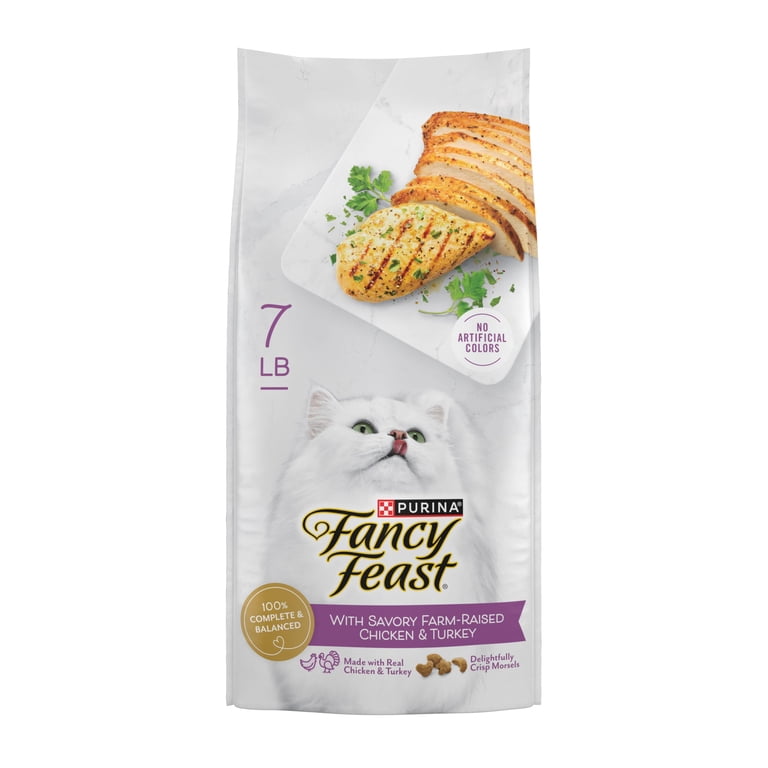
Branding is another part of why is dry cat food so expensive. Companies spend money on advertising, package design, retail displays, websites, customer service, and product education.
Some brands also invest in research partnerships and specialized production plants. Others sell through veterinary clinics, where added support and professional distribution may increase the price.
A higher price can reflect real investment, but marketing alone does not improve nutrition. Words such as “natural,” “holistic,” “ancestral,” and “premium” may sound impressive, yet some have limited legal meaning.
When comparing brands, focus on facts:
• Does the food provide complete and balanced nutrition for your cat’s life stage?
• Is the protein and fat level suitable for your cat?
• Does the company explain its quality control process?
• Is the food appropriate for your cat’s medical needs?
• Does your cat maintain a healthy weight and normal stool on it?
Good marketing can make food easier to notice. It should not be the main reason you buy it.

Special formulas can cost much more
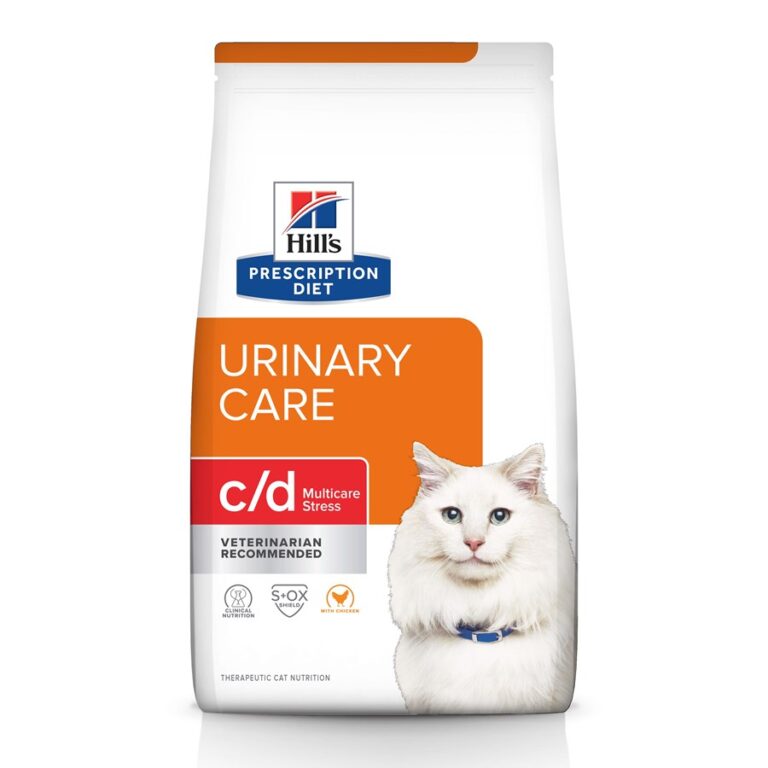
Veterinary and therapeutic diets often cost more than standard dry cat food. These diets may be designed to support cats with kidney disease, urinary problems, diabetes, food allergies, or digestive disorders.
A therapeutic formula may use carefully controlled levels of minerals, protein, fat, fiber, or calories. It may also include ingredients chosen for a specific medical purpose. The recipe must be consistent from batch to batch.
These foods may cost more because of:
• Veterinary nutrition research
• More precise nutrient control
• Smaller production volumes
• Clinical testing
• Specialized ingredients
• Veterinary distribution
A cat with a health condition may benefit from a therapeutic diet, but not every cat needs one. Do not switch to a prescription food based only on an online post or a package claim. Your veterinarian can explain whether the extra cost is medically useful.
Is expensive dry cat food always better?
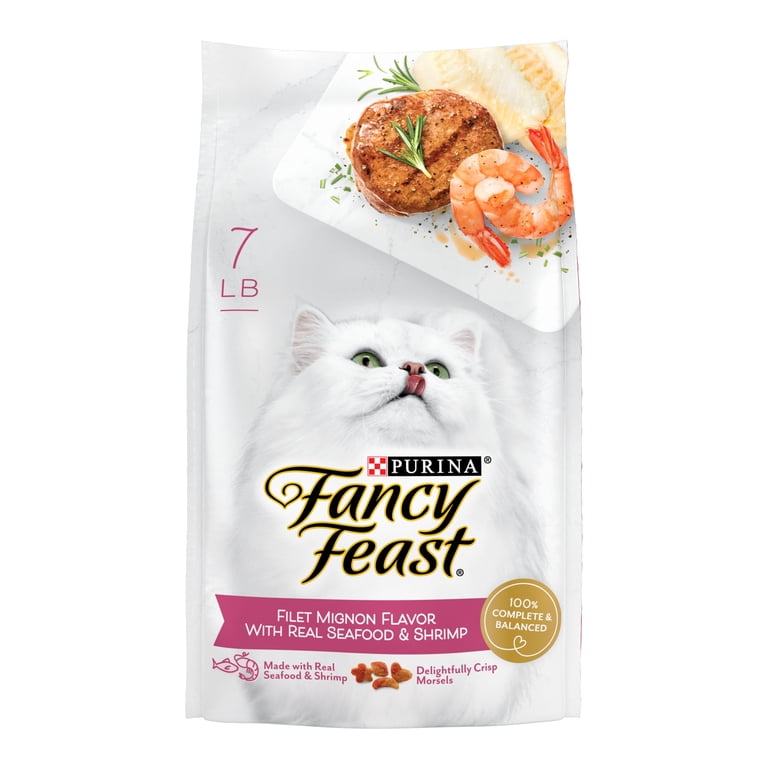
No. Price alone cannot tell you whether dry cat food is the best choice. This is an important part of understanding why is dry cat food so expensive.
Some expensive foods charge more because of branding, packaging, or specialty ingredients. Some affordable foods offer complete nutrition and work very well for healthy cats. The best choice depends on the recipe, your cat’s needs, and how well your cat eats and handles the food.
A good food should meet these basic standards:
• It is labeled complete and balanced for the correct life stage.
• It provides a reasonable source of animal-based nutrients.
• It includes essential nutrients such as taurine.
• It comes from a company with clear quality control practices.
• Your cat maintains a healthy weight, coat, appetite, and stool.
• Your veterinarian agrees it suits your cat’s health needs.
The cheapest food may not be the best deal if your cat needs larger portions, develops stomach trouble, or refuses to eat it. On the other hand, the most expensive bag may offer no meaningful benefit for your individual cat.

How to lower the cost of dry cat food
If you are worried about why is dry cat food so expensive, there are safe ways to manage your budget. You do not always need to move from a premium brand to the cheapest option.
Try these practical steps:
-
Compare cost per day, not just cost per bag. A larger bag may cost more at checkout but less per ounce.
-
Check feeding directions. Overfeeding wastes food and can lead to weight gain.
-
Buy the correct life-stage formula. Kittens, adults, and seniors may have different needs.
-
Use store loyalty programs or manufacturer coupons when available.
-
Choose a reliable standard formula instead of paying extra for trendy claims.
-
Store kibble in its original bag inside an airtight container.
-
Buy a size your cat can finish while the food is still fresh.
-
Ask your veterinarian about lower-cost foods that meet your cat’s needs.
Do not buy a huge bag just to save money if your cat is picky or the food may go stale. I have seen owners save a few dollars per pound but waste the entire bag when their cat suddenly refuses it. A smaller trial size can be the smarter choice.
How to read a dry cat food label
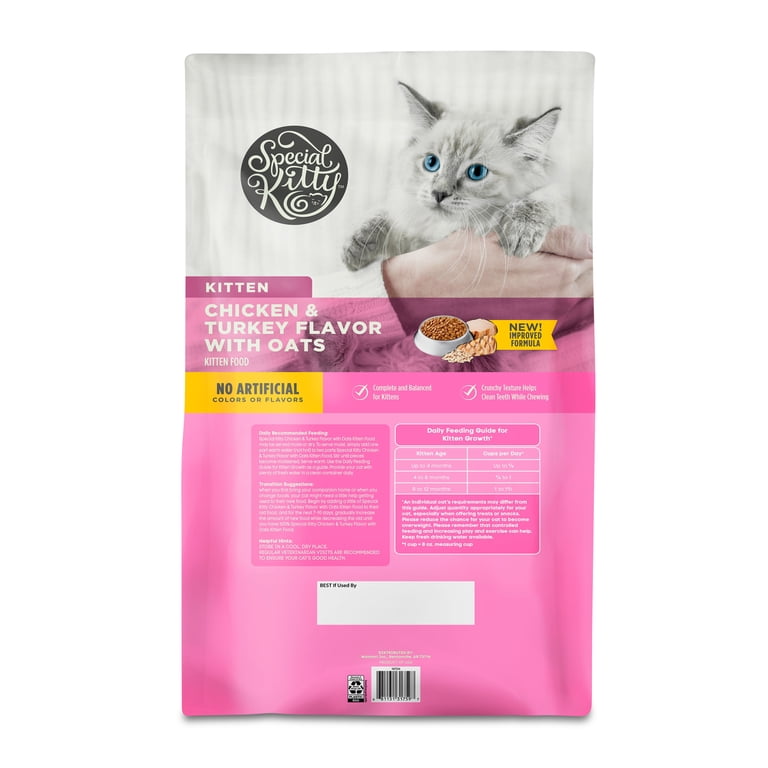
Understanding the label can make the answer to why is dry cat food so expensive much easier to evaluate. Start with the nutritional adequacy statement. It should say whether the food is complete and balanced for growth, maintenance, reproduction, or all life stages.
Next, review the guaranteed analysis. This lists minimum crude protein and crude fat, along with maximum crude fiber and moisture. These numbers are useful, but they do not tell the whole story because they are shown as percentages and may not reveal ingredient quality.
Look at the ingredient list as well. Ingredients are listed by weight before cooking. Meat near the top can contain a lot of water, while meat meals are concentrated protein sources because much of the water has been removed.
Also check:
• The calorie content
• The feeding guide
• The manufacturer’s contact details
• The expiration or best-by date
• Whether the food is intended for a specific health need
Labels can be confusing, so ask your veterinarian or a qualified veterinary nutrition professional if you need help. Avoid judging a food from one ingredient or one marketing phrase.
Dry food versus wet food cost
Dry cat food is often cheaper per serving than wet food because it contains less water and is easier to transport and store. A single can may contain a large amount of water, while dry food packs more calories into a smaller weight.
Still, the answer to why is dry cat food so expensive can look different when you compare daily feeding costs. Some cats need more dry food by weight, while others eat less because the food is calorie dense.
Wet food may help increase water intake. This can matter for cats that drink very little or have certain urinary concerns. Dry food is convenient and can be left out for short periods, but free-feeding can cause weight gain in some cats.
Many owners use a combination of wet and dry food. This can balance hydration, convenience, taste, and cost. Your cat’s health, preference, and calorie needs should guide the choice.
Common mistakes that make cat food cost more
Understanding why is dry cat food so expensive also means looking at buying habits. Small mistakes can increase your yearly food bill.
Common problems include:
• Buying food based only on the front of the package
• Switching food too often
• Overfeeding because the bowl is always full
• Ignoring calorie information
• Buying large bags that become stale
• Paying more for a food your cat does not eat
• Using treats as a major part of daily calories
• Choosing a therapeutic diet without veterinary advice
When changing foods, make the switch slowly over seven to ten days. Mix a small amount of the new food with the old food, then increase it gradually. A slow change may reduce vomiting, loose stool, and wasted food.
Keep the bag closed in a cool, dry place. Wash food containers between bags. These simple habits protect freshness and help you get full value from each purchase.
Frequently Asked Questions
Why is dry cat food so expensive compared with human cereal?
Dry cat food must provide complete nutrition for a carnivorous animal, including nutrients such as taurine and specific vitamins. It also requires safety testing, controlled production, and special labeling, so it is not priced like ordinary cereal.
Is expensive dry cat food healthier for cats?
Not always. A higher price may reflect better ingredients or research, but it can also reflect branding and packaging. Choose a complete and balanced food that fits your cat’s age, health, and calorie needs.
What is the cheapest way to feed a cat safely?
Compare the daily cost of complete and balanced foods rather than comparing bag prices. Measure portions, use coupons, and ask your veterinarian about reliable standard formulas that meet your cat’s nutritional needs.
Does dry cat food expire?
Yes. Dry cat food can lose freshness and nutritional quality over time, especially after the bag is opened. Check the best-by date and keep the food sealed in a cool, dry place.
Can I mix wet and dry cat food?
Yes, many cats can eat a mix of wet and dry food. Count calories from both types and make changes slowly to avoid stomach upset or unwanted weight gain.
Why does prescription dry cat food cost more?
Prescription diets may require specialized ingredients, precise nutrient limits, clinical research, and smaller production runs. Use them with veterinary guidance, since they are made for specific health needs.
Conclusion
The answer to why is dry cat food so expensive includes much more than the ingredients you can see. Nutrition research, animal protein, quality testing, manufacturing, packaging, shipping, marketing, and special medical formulas all affect the final price.
The most expensive food is not automatically the best food. Look for complete and balanced nutrition, clear labeling, suitable calories, strong quality practices, and a good fit for your cat’s health. Measure portions, store food well, and compare the cost per day rather than the price of the bag alone.
With a little label knowledge and a thoughtful shopping plan, you can protect your cat’s health without stretching your budget too far. Share your experience with cat food prices or explore more trusted feline nutrition resources to make your next purchase with confidence.