Why Is Prescription Cat Food Different: What To Know
Prescription cat food is different because it uses targeted nutrients to support a specific medical condition under veterinary guidance.
If your cat has kidney disease, urinary crystals, food allergies, diabetes, or another health issue, regular food may not meet the same nutritional needs. This guide explains why is prescription cat food different, how it works, when it helps, and how to use it safely.
What Is Prescription Cat Food?
Prescription cat food is a therapeutic diet made to support cats with specific health problems. It may change the amount of protein, minerals, fat, fiber, calories, or water in each meal.
The goal is not simply to provide calories. The goal is to make each meal part of a health plan.
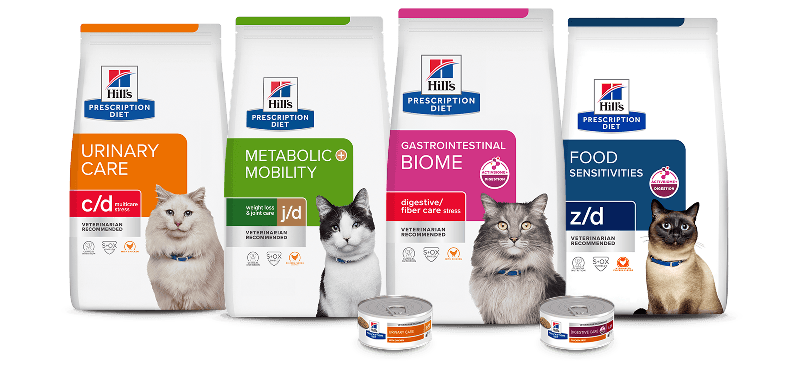
For example, a kidney diet may contain controlled phosphorus and carefully selected protein. A urinary diet may help manage urine concentration and mineral balance. A food allergy diet may use new or hydrolyzed proteins that are less likely to trigger a reaction.
This is why prescription cat food is different from standard adult cat food. Regular food is made for general nutrition. A therapeutic diet is designed around a medical need.
How Is Prescription Cat Food Different From Regular Cat Food?
The biggest difference is precision. Prescription diets are formulated with a health goal in mind, while most store-bought diets are made for healthy cats at a certain life stage.
Here are the main differences:
• Nutrient control: Prescription diets may limit or increase nutrients such as phosphorus, magnesium, sodium, protein, fat, or fiber.
• Calorie design: Some diets provide more calories in a small serving. Others reduce calories to support safe weight loss.
• Digestibility: A diet for digestive disease may use easy-to-digest ingredients and a balanced fiber blend.
• Urine support: Urinary diets may help create urine conditions that lower the risk of certain crystals or stones.
• Protein selection: Allergy diets may use hydrolyzed proteins or a protein source your cat has not eaten before.
• Texture and moisture: Wet formulas can increase water intake and may be useful for cats with urinary or kidney concerns.
• Feeding instructions: The amount and duration may depend on your cat’s diagnosis, weight, blood tests, and response.
A helpful way to picture it is to compare regular food with prescription eyeglasses. Both support daily life, but the prescription product is adjusted for a specific problem.

Why Do Veterinarians Recommend Prescription Cat Food?
Veterinarians recommend therapeutic diets when nutrition can support treatment, reduce symptoms, or lower the risk of future problems. Food does not replace medicine in every case, but it can be an important part of care.
A veterinarian may recommend prescription cat food for:
• Chronic kidney disease
• Urinary crystals or bladder stones
• Diabetes mellitus
• Obesity
• Food allergies or food intolerance
• Chronic vomiting or diarrhea
• Liver disease
• Recovery after illness
• Dental or chewing problems
• Certain heart conditions
The recommendation should match a diagnosis. A diet that helps one disease may be unsuitable for another.
For example, a high-calorie recovery diet may help a thin cat regain strength. That same diet may not be a good choice for a cat that needs weight control. This is one reason switching foods without veterinary advice can create problems.
Common Types of Prescription Cat Food
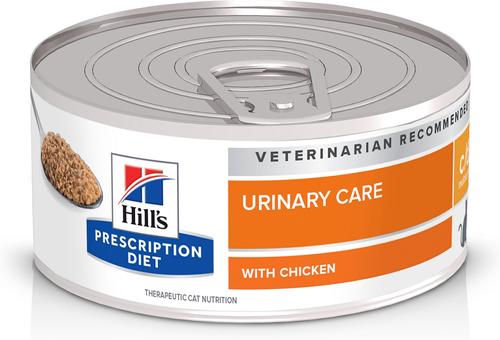
Different medical conditions need different nutrition plans. The following examples explain the purpose of common therapeutic diets.
Kidney-support diets
Cats with chronic kidney disease may have trouble removing waste products from the blood. Kidney diets often control phosphorus and provide carefully balanced protein.
Many also contain extra calories, omega-3 fatty acids, antioxidants, and increased moisture. The exact formula varies by brand and by the cat’s stage of disease.
Research and clinical guidelines support nutritional management as part of care for many cats with chronic kidney disease. Still, diet should be combined with regular blood tests, hydration support, and any medicine your veterinarian prescribes.
Urinary diets
Urinary diets may support cats with struvite crystals, calcium oxalate concerns, or feline lower urinary tract disease. They can influence urine volume, mineral levels, and urine acidity.
Some formulas are made to dissolve certain struvite stones. They do not dissolve every type of stone, and they should not be used as a cure without identifying the problem first.
A blocked male cat needs emergency care. A diet cannot safely treat a urinary blockage.
Weight-control diets
Weight-management diets often reduce calories while adding fiber or increasing protein to help a cat feel full. They may also contain nutrients that help preserve lean muscle during weight loss.
Safe weight loss matters. Rapid weight loss can increase the risk of hepatic lipidosis, also called fatty liver disease, especially in overweight cats that stop eating.
Your veterinarian can calculate a daily calorie target and monitor progress. Kitchen scales are often more accurate than guessing with a measuring cup.
Food allergy and sensitive-stomach diets
A food allergy diet may use hydrolyzed protein. In this process, proteins are broken into smaller pieces that may be less likely to activate the immune system.
Another option uses a novel protein, such as one your cat has not eaten before. A true food trial usually requires strict feeding for several weeks. Treats, flavored medicine, table scraps, and other pet foods can weaken the results.
Digestive-support diets
These diets may contain highly digestible ingredients, controlled fat, or special fiber blends. Some include prebiotics to support helpful gut bacteria.
Digestive food may help some cats with chronic bowel problems, but vomiting, diarrhea, weight loss, or blood in the stool still needs veterinary attention. A diet change alone may not address parasites, inflammatory disease, cancer, or other causes.
Does Prescription Cat Food Contain Medicine?
Usually, no. Prescription cat food is generally not a drug mixed into a meal.
Instead, it uses a special nutrient profile to support the body. For instance, lower phosphorus may reduce the mineral load for some cats with kidney disease, while increased moisture may support hydration and urinary health.
The word “prescription” can be confusing in the United States. Veterinary diets are often sold through veterinary clinics or retailers that ask for veterinary approval, but they are not the same as prescription medications approved to treat disease.
Rules and sales practices can vary. Always follow your veterinarian’s instructions and check the product label for its intended use.
Is Prescription Cat Food Worth the Cost?
Prescription cat food can cost more because it requires specialized formulation, testing, quality control, and smaller production runs. It may also contain carefully selected ingredients and a nutrient profile that is not needed by healthy cats.
The value depends on your cat’s condition. If the diet reduces flare-ups, supports body weight, or slows complications, it may lower other care costs over time. However, no food can guarantee a cure.
Ask your veterinary team about:
• The exact health goal of the diet
• How long your cat should eat it
• Whether wet, dry, or mixed feeding is best
• Less expensive approved alternatives
• How to monitor success
• What to do if your cat refuses it
Do not assume the most expensive food is always the best choice. The right diet is the one that fits the diagnosis, your cat’s needs, and your ability to feed it consistently.
How to Transition Your Cat to Prescription Food
Cats often dislike sudden changes. A slow transition can improve acceptance and reduce stomach upset.
Try this process:
-
Start with about 75% old food and 25% new food for two to three days.
-
Move to a half-and-half mix if your cat is eating well.
-
Feed about 25% old food and 75% new food for another two to three days.
-
Offer only the new diet when your cat accepts it and your veterinarian agrees.
Some cats need two weeks or more. Warm wet food slightly to increase its smell, but do not make it hot.
Never allow a cat to go without food just to force a diet change. Cats that stop eating can become seriously ill. Contact your veterinarian if your cat refuses food for a day, or sooner if the cat is overweight, sick, vomiting, or weak.
What If Your Cat Refuses Prescription Food?
Food refusal is common, and it does not mean you have failed. Cats care about smell, texture, shape, temperature, and routine.
You can try:
• Offering small, fresh portions
• Testing wet and dry versions approved by your veterinarian
• Using a clean plate instead of a deep bowl
• Serving food in a quiet place
• Warming canned food slightly
• Adding warm water if permitted
• Keeping other pets away during meals
• Offering the food by hand for a short time
Avoid adding tuna juice, treats, broth, or toppers unless your veterinarian approves them. Extra ingredients can change calories, minerals, or the results of a food-allergy trial.
A practical lesson from many cat-care cases is that consistency beats pressure. A calm routine often works better than repeatedly changing brands.
Can You Mix Prescription and Regular Cat Food?
Sometimes, but only with veterinary guidance. Mixing foods changes the final nutrient profile, so the therapeutic effect may become weaker.
This matters most for diets that manage phosphorus, urine chemistry, calories, or food allergies. Even small extras can matter for a cat that eats very little or has a strict elimination diet.
If your cat needs a topper, ask for an approved option and a safe amount. Your veterinarian may also recommend a different therapeutic formula that your cat enjoys more.
Safety Tips for Feeding Prescription Cat Food
Use prescription cat food as part of a complete care plan. Keep scheduled checkups because blood tests, urine tests, weight checks, and blood pressure readings may show whether the diet is helping.
Follow these safety tips:
• Confirm the diagnosis before choosing a therapeutic diet.
• Feed the recommended amount rather than free-feeding when calories matter.
• Keep fresh water available at all times.
• Store food as directed and refrigerate opened cans.
• Watch for vomiting, diarrhea, weakness, weight loss, or appetite changes.
• Report any sudden refusal to eat.
• Do not share one cat’s prescription diet with another cat without advice.
• Check whether treats and supplements fit the diet.
Cats with chronic disease may need diet changes as their condition changes. A formula that worked last year may need review after new lab results.
Mistakes to Avoid With Prescription Cat Food
Several common mistakes can reduce the benefit of a therapeutic diet.
Choosing food based only on online reviews
Reviews can help you learn about texture and palatability, but they cannot diagnose your cat or replace veterinary advice. A diet that helped one cat may be wrong for another.
Switching too fast
A sudden change can cause diarrhea or make your cat reject the food. Transition slowly unless your veterinarian gives different instructions.
Adding too many treats
Treats can add calories and nutrients that work against the diet. This is especially important for diabetic, kidney, urinary, and allergy diets.
Ignoring appetite loss
A sick cat that stops eating needs attention. Waiting too long can worsen dehydration, weight loss, and liver problems.
Assuming dry food is always bad
Dry and wet diets each have potential benefits. The best format depends on the condition, hydration status, dental health, appetite, and what your cat will reliably eat.
Using a diet for the wrong disease
Prescription cat food is not interchangeable. Kidney food, urinary food, gastrointestinal food, and allergy food each serve different goals.
How to Tell Whether the Diet Is Helping
Improvement may appear as fewer digestive symptoms, better appetite, steadier weight, improved hydration, or fewer urinary problems. Some benefits are invisible and show only through blood or urine tests.
Track simple details at home:
• Daily food intake
• Water intake, if you can measure it
• Vomiting or diarrhea
• Urination habits
• Body weight
• Energy and grooming
• Any pain or behavior changes
Bring these notes to checkups. They give your veterinarian a clearer picture than memory alone.
For chronic kidney disease, lab values may change slowly. For a food trial, skin or digestive signs may also take time to improve. Patience is important, but worsening symptoms should never be ignored.
Frequently Asked Questions About Why Is Prescription Cat Food Different
Why is prescription cat food different from regular cat food?
Prescription cat food is formulated for a specific medical goal, such as controlling phosphorus or supporting urinary health. Regular cat food is usually designed for general nutrition in healthy cats.
Can a healthy cat eat prescription cat food?
A healthy cat may tolerate some therapeutic diets, but that does not mean the diet is ideal for long-term use. Ask your veterinarian before feeding it regularly, especially if the formula controls calories, protein, or minerals.
Does prescription cat food cure kidney disease?
No. Kidney-support food may help manage nutrition and symptoms, but it does not cure chronic kidney disease. Cats still need veterinary exams and other treatments based on their condition.
Can I buy prescription cat food without a veterinarian?
Sales rules vary by product and retailer. Even when a diet is available online, veterinary guidance is important because the wrong formula may worsen another health problem.
What should I do if my cat will not eat prescription food?
Try a slow transition, a different approved texture, small portions, or gently warmed wet food. If your cat refuses food, contact your veterinarian rather than allowing prolonged fasting.
Can prescription cat food be used with medication?
Often, yes, but your veterinarian should review the full plan. Some medicines and supplements can affect appetite, hydration, minerals, or the results of a therapeutic diet.
Conclusion
Prescription cat food is different because it is built around a health need, not just basic nutrition. Its controlled nutrients, special ingredients, moisture levels, and calorie design can support conditions such as kidney disease, urinary problems, obesity, allergies, and digestive disorders.
The safest approach is simple: use the diet for the diagnosed problem, change foods slowly, limit unapproved extras, and monitor appetite, weight, and symptoms. Work with your veterinarian to confirm that the food still fits your cat’s current needs, and explore trusted veterinary nutrition resources for the next step.