How Long Can Wet Cat Food Sit Out: Safe Limits
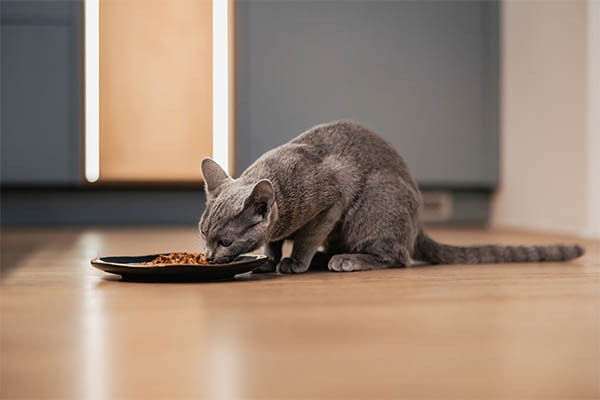
I remember the exact morning I started worrying about how long can wet cat food sit out on my kitchen floor. My tabby, Winston, had sniffed his morning pate, licked the top once, and walked away. I left the bowl on the floor, went to work, and came back eight hours later to a dry, crusty, smelly mess that he was suddenly trying to eat. I panicked, snatched the bowl away, and realized I had no idea if I was slowly making my best friend sick.
Most online guides give you a rigid, scary rule like “exactly one hour” without explaining the real-world math of a warm house, a picky cat, and expensive food. In this guide, I will share the exact rules I learned through trial and error, so you can keep your cat safe without wasting food. You will learn the science-based limits, how to handle leftovers, and how to read your cat’s subtle warning signs.
What You Need Before You Start
Before you start managing your cat’s feeding schedule, you need a few basic tools to keep the food fresh and safe. Having these items ready will save you from scraping dried pate off your expensive ceramic bowls later. Here is the short list of what I actually use every day in my kitchen to keep things clean and organized.
| Item | Purpose | Budget or Premium Worth It? |
|---|---|---|
| Silicone can lids | Seal open cans in the fridge | Budget is fine, just get a multi-pack |
| Stainless steel bowls | Prevent bacteria growth and feline acne | Premium is worth it for clean, heavy metal |
| Digital kitchen scale | Measure precise portions to avoid leftovers | Budget works great for this simple task |
| Small gel ice pack | Keep under the bowl for slow eaters | Budget works, any flat gel pack is fine |
| Dry erase marker | Write dates directly on can lids | Budget is perfect, buy a cheap pack of black markers |
You do not need to buy expensive electronic cooled feeder bowls that cost a fortune. I bought one last year, and Winston refused to go near it because the motor hummed every time it opened. A simple flat gel ice pack placed under a standard stainless steel dish does the exact same job for a fraction of the price.
Getting Your Cat Comfortable First
Rushing your cat into a strict new feeding schedule can cause a lot of stress and food strike behaviors. Cats are creatures of habit who hate sudden changes, especially when it comes to their favorite wet food. I learned this the hard way when I tried to snatch Winston’s bowl away after exactly thirty minutes, and he spent the next three days yowling at my ankles. You need to transition them slowly so they do not feel like their food is being stolen.
Start by putting the bowl down at the exact same times every day to build a predictable routine. Watch their body language to see if they are relaxed or anxious when you approach the feeding station. If your cat runs to the bowl, sniffs, and happily eats a few bites, they are ready for structured meals. This transition phase usually takes about two weeks of patience before your cat fully adjusts to the new habit.
Step-by-Step: Managing How Long Can Wet Cat Food Sit Out Safely
Managing your cat’s food safety does not have to be a guessing game if you follow a clear routine. Here is the exact step-by-step method I use every single day to keep Winston’s meals fresh and safe.
Step 1: Inspect the Can Before Opening
Always take a close look at the can before you open it. Check for any deep dents, bulging lids, or rust spots along the seams. I once opened a dented can without thinking, and the smell of spoiled fish nearly knocked me over. If the can looks damaged, throw it away immediately to avoid exposing your cat to dangerous toxins.
Step 2: Clean the Bowl and Prep the Space
Ensure the feeding dish is completely clean and washed with hot, soapy water. I always use a shallow stainless steel bowl because plastic scratches easily and holds onto tiny bacteria. Place the dish in a quiet, cool spot away from direct sunlight and warm kitchen appliances. If the room is warm, place a flat, frozen gel pack directly under the bowl to keep the surface cool.
Step 3: Measure the Right Portion
Open the fresh can of wet food and use your kitchen scale to measure out only what your cat eats in one sitting. I used to dump the whole three-ounce can into the bowl, which was a huge mistake because half of it always went to waste. Now I only dish out one ounce at a time and put the rest in the fridge immediately. This keeps the leftover food safe from warm air and household pests.
Step 4: Present the Food and Set a Timer
Once the food is down, start a timer on your phone for exactly two hours, which is the absolute safety limit. Do not hover over your cat or try to coax them to eat, as this will only make them suspicious. Let your cat approach the food on their own terms and eat until they are satisfied. If they walk away after a few bites, do not panic or pick up the bowl yet.
Step 5: Watch the Room Temperature
Keep a close eye on the temperature of your home during the feeding window. If your kitchen is hot or you do not have air conditioning in the summer, cut the sit-out time down to one hour. Warm air speeds up bacterial growth very quickly, turning wet food sour much faster than you think. If you see flies or bugs near the bowl, skip the timer and pick up the food immediately.
Step 6: Remove the Leftovers Promptly
When the two-hour timer goes off, pick up the bowl and scrape any leftover food into the trash. Grab the open can from your fridge, press a tight silicone lid over the top, and write the date on it. Leftover wet food can stay in the refrigerator for up to three days before it must be thrown away. I always smell the cold food before serving the next portion to make sure it still smells fresh.
Step 7: Wash and Sanitize the Bowls
Never add fresh wet food on top of old crusty leftovers from the morning. Wash the bowl thoroughly with hot water and dish soap after every single meal to stop bacteria from breeding. I keep three identical stainless steel bowls in rotation so I always have a clean one ready to go. This simple habit keeps the feeding area smelling clean and prevents your cat from rejecting their next meal.

Common Mistakes to Avoid
It is very easy to make simple errors when you are busy and trying to feed a demanding cat before work. Here are the most common slip-ups I made during my first year of owning Winston, and how I fixed them.
| Mistake | Why It Happens | How to Fix It |
|---|---|---|
| Leaving food out overnight | We feel guilty when the cat begs at 3 AM | Switch to a late-night dry snack or use an ice pack setup |
| Adding fresh food to old food | It seems easier than washing the bowl | Always wash the bowl before adding a new portion |
| Storing open cans without a lid | It is easy to forget when in a rush | Use silicone can lids to keep the food moist |
| Ignoring room temperature | We forget that kitchens get hot during summer | Reduce sit-out time to one hour on hot days |
| Feeding directly from the can | It saves washing a separate dish | Scoop food into a clean bowl to protect their tongue |
The single most common mistake that experienced owners still make is trusting their nose to detect spoiled wet food. Cats have incredibly sensitive noses, but bacteria like Salmonella can grow on wet food without causing a noticeable smell to humans. Always stick to the clock rather than relying on your own sense of smell to decide if the food is still safe. This simple habit will protect your cat from painful stomach upsets.
Reading Your Cat’s Body Language
Cats are masters at hiding when they do not feel well, but they will show clear signs if they do not trust their food. When Winston approaches a bowl of fresh wet food, his ears are forward, his tail is relaxed, and he licks his lips in anticipation. If the food has sat out for too long, he will approach slowly with his ears slightly flared to the side. He might sniff the food, lick his nose, and then scratch the floor around the bowl as if trying to bury a bad smell.
If you see your cat sniff the bowl and immediately walk away to hide under the couch, do not force them to eat. This is a clear warning sign that the food has started to turn sour or dry out. Pushing your cat to eat old food will only damage their trust and make them suspicious of future meals. Always respect their decision, throw the old food away, wash the bowl, and try again with a fresh portion later.
How Often Should You Do This?
How often you need to wash bowls and manage sit-out times depends heavily on your cat’s age and health status. Here is a simple guide to help you build a safe routine that fits your lifestyle.
| Factor | Frequency | Notes |
|---|---|---|
| Kittens under six months | Feed four to five times a day | Kittens have tiny stomachs and need fresh food often |
| Healthy adult cats | Feed two to three times a day | Stick strictly to the two-hour sit-out limit |
| Senior cats or sick cats | Feed small meals every four hours | These cats have weaker immune systems and need fresh food |
| Hot summer weather | Monitor food every hour | Cut the sit-out time down to one hour to prevent bacteria |
In my daily routine, this feels like a simple morning and evening task that takes less than five minutes of active work. I feed Winston once at seven in the morning and once at six in the evening, which fits perfectly with my work schedule.
Tools and Products That Actually Help: How Long Can Wet Cat Food Sit Out
You do not need to spend a fortune on high-tech gadgets to keep your cat’s food fresh and safe. A few simple, high-quality items will make your daily routine much easier and prevent wasted food. Here are the products that made the biggest difference in my home.
First, look for shallow, wide stainless steel or ceramic bowls rather than deep plastic ones. Cats hate when their sensitive whiskers touch the sides of a deep dish, which is a common reason they leave food behind. Stainless steel is also incredibly easy to sanitize and does not scratch, meaning bacteria have nowhere to hide.
Second, invest in a set of stretchy silicone can lids that fit multiple sizes of pet food cans. Avoid plastic snap-on lids because they crack easily over time and do not create an airtight seal in the fridge. Silicone lids keep the food moist and stop your refrigerator from smelling like seafood. You can get a pack of five for a very low price, making them a fantastic budget-friendly buy.
When to Stop and Call the Vet
If you suspect your cat has eaten wet food that sat out for too long, you need to monitor them closely for signs of illness. Cats are very good at masking pain, so you must pay close attention to subtle changes in their behavior.
Call your vet immediately if you notice your cat vomiting, having diarrhea, or acting unusually lethargic after eating. Other red flags include a complete loss of appetite, hiding in dark corners, or a fever. When you call the vet clinic, tell them exactly how long the food was left out and how much your cat ate. This information helps them determine if your cat needs supportive care like fluids or medication to recover.
Building a Routine That Sticks
Building a consistent feeding routine is the best way to keep your cat safe and stop food waste. I started pairing Winston’s feeding time with my morning cup of coffee and my evening dinner preparation. This makes it incredibly easy to remember to pick up his bowl after the two-hour safety window is up. Over time, Winston learned that food is not a permanent fixture on the kitchen floor, which actually improved his appetite.
If you have a bad session where your cat refuses to eat or you accidentally leave the food out too long, do not despair. Just throw the spoiled food away, clean the bowl thoroughly, and wait until the next scheduled mealtime to try again. Your cat will not starve from missing one meal, and it is much safer than letting them eat bad food. Consistency and patience are the keys to making this new routine work for both of you.
Real-Life Daily and Weekly Experience
In my home, managing wet food has become a seamless part of our daily rhythm that requires very little thought. The biggest daily annoyance is washing the sticky pate out of the crevices of the bowls, but having extra dishes on hand solves this easily. I also had to get used to the occasional glare from Winston when I picked up his bowl before he was completely finished. But now, he knows the routine and usually finishes his portion within fifteen minutes of me putting it down.
The moment of real progress came about a month into this routine when I realized I was no longer throwing away half-eaten cans of expensive food. I was saving money, my kitchen smelled fresh, and Winston had stopped having occasional tummy troubles. It is entirely possible to DIY this routine long-term without needing any professional pet sitters or expensive automated feeders. The peace of mind you get from knowing your cat is eating safe, fresh food is worth every single second of effort.
Cost Breakdown — What This Actually Runs You
Keeping your cat’s food safe is thankfully a very low-cost endeavor that can actually save you money on vet bills and wasted food. Here is a realistic look at what you can expect to spend to set up this system.
| Item | One-Time or Ongoing | Estimated Cost Range |
|---|---|---|
| Set of 3 stainless steel bowls | One-Time | $10 – $20 |
| Silicone can lids (5-pack) | One-Time | $5 – $8 |
| Digital kitchen scale | One-Time | $10 – $15 |
| High-quality wet cat food | Ongoing (Monthly) | $40 – $80 |
| Potential vet visit for food illness | Emergency | $150 – $500 |
Doing this yourself saves a significant amount of money compared to hiring a professional feeder or buying expensive automatic cooling dishes. The only time it makes sense to pay for a professional is when you travel, as a pet sitter can ensure the schedule stays on track.
Quick Reference Summary
Here is a fast-scan cheat sheet to help you remember the most important rules of wet food safety at a glance. Keep these key points in mind during your daily routine.
| Topic | Key Point | Watch Out For |
|---|---|---|
| Preparation | Use clean stainless steel bowls | Whisker fatigue from deep bowls |
| Maximum time out | Two hours in cool rooms | Cut to one hour in hot weather |
| Leftovers | Store in fridge with silicone lid | Throw away after three days |
| Cleaning | Wash bowls after every meal | Dried food crust holding bacteria |
| Signs of stress | Scratching floor, flat ears | Vomiting or hiding after eating |
| When to stop | Severe lethargy, vomiting, diarrhea | Dehydration from food illness |
Final Tips — How Long Can Wet Cat Food Sit Out
The absolute most important thing to get right is sticking to the two-hour safety limit, no matter how much your cat begs. Owners who succeed at this are those who stay consistent and do not leave food out overnight out of guilt.
It takes a little time for your cat to adjust to scheduled meals, but their health is worth the short transition period. Be patient, keep those bowls clean, and enjoy the peace of mind that comes with a happy, healthy feline friend.