How Do Small Birds Survive Winter: Survival Secrets
Introduction
Across the United States, small birds survive winter by combining dense feathers, stored body fat, high metabolism, safe shelter, flexible diets, and careful behavior. Some species also migrate, while others enter short periods of torpor to save energy during very cold nights.
Winter is hard on birds because cold weather raises their energy needs while snow and ice hide food. Yet many birds remain active in northern states, from Black-capped Chickadees in Maine to Dark-eyed Juncos in Colorado and Golden-crowned Kinglets in Alaska.
The key is balance. A small bird must gain enough energy to stay warm without using more fuel than it can find.

Why Winter Is Dangerous for Small Birds
Cold temperatures are only one part of the winter threat. Small birds also face less daylight, frozen water, deep snow, icy rain, strong wind, and fewer insects or berries.
A bird loses heat when the air around its body is colder than its feathers. Wind makes this worse by moving warm air away from the body. Wet feathers can be especially dangerous because water reduces the insulating space that normally traps warm air.
Winter survival depends on three basic needs:
- Heat: The bird must produce and retain enough body heat.
- Energy: It must find food with enough calories to fuel its metabolism.
- Protection: It needs shelter from wind, rain, snow, and predators.
Small birds have a high surface-area-to-body-mass ratio. In simple terms, they have a lot of body surface through which heat can escape compared with the amount of body mass producing that heat. This is why a chickadee may need to eat frequently during a cold day.
The U.S. Fish and Wildlife Service explains that birds use several adaptations at once rather than relying on one special feature. Their feathers, behavior, food choices, and body systems all work together.
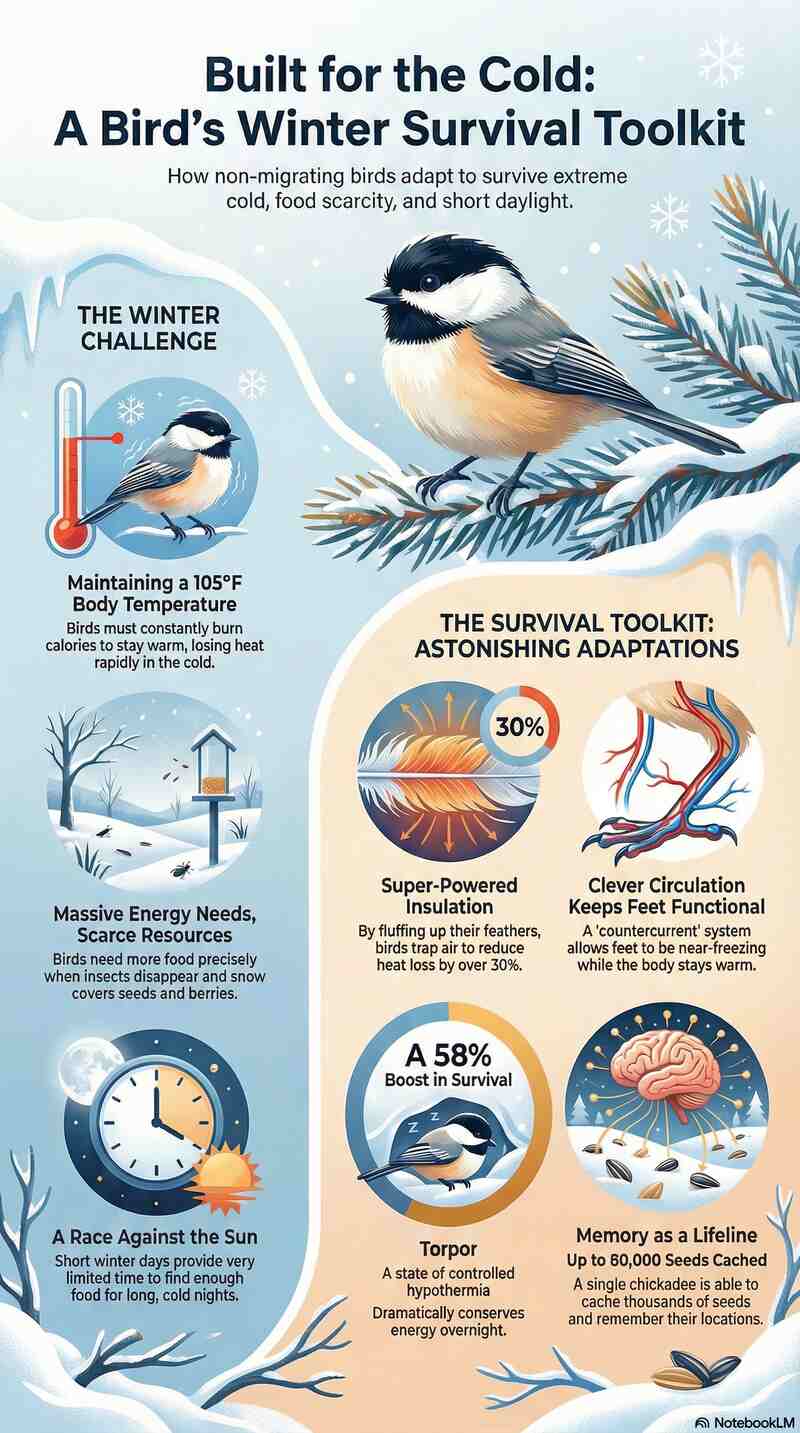
1. Small Birds Use Feathers as Winter insulation
Feathers are a bird’s main defense against cold. In winter, many birds grow a fresh set of feathers after their fall molt. These feathers are often in better condition and provide stronger insulation than worn summer feathers.
A bird stays warm in three important ways:
Fluffing feathers
When a bird fluffs up, its contour feathers stand away from the body. This creates a layer of still air between the skin and the cold outside air. Still air is a poor conductor of heat, so the trapped air helps slow heat loss.
This is why a bird may look round on a cold morning. The puffed-up shape is not just a visual effect. It is a practical way to increase insulation.
Using down feathers
Soft down feathers sit close to the skin. Their loose structure traps warm air near the body. Birds often have more visible down in winter because their outer feathers are raised.
Keeping feathers clean and dry
Birds spend time preening because clean feathers work better. Preening helps align feather parts and spread oil from the preen gland. This oil helps repel water on many birds, although it does not make them completely waterproof.
Wet snow, freezing rain, or repeated contact with water can still reduce insulation. A bird must then spend more energy replacing lost heat.

2. They Burn More Energy and Eat High-Calorie Food
Small birds stay warm through metabolism, the process that turns food into usable energy and body heat. During cold weather, their energy demand can rise because they must produce heat for longer periods.
Many winter birds seek foods rich in fat. Useful natural foods include:
- Sunflower seeds
- Nyjer seeds
- Suet
- Acorns and other nuts
- Berries
- Insects and insect eggs
- Seeds from grasses and native plants
Black-capped Chickadees, White-breasted Nuthatches, Northern Cardinals, and several sparrow species often use seeds during winter. Woodpeckers may search tree bark for insects or insect larvae. Birds that normally eat insects may shift to fruit, seeds, or stored food when insects become scarce.
Fat provides more energy per unit of weight than protein or carbohydrates. That makes high-fat food useful when a bird needs a lot of energy but has limited time to forage.
Birds do not simply eat one large meal and remain warm all day. Many feed often and use sheltered places to rest between feeding trips. A bird that cannot find enough food before nightfall may not have enough energy to maintain its body temperature until morning.

3. Small Birds Store Fat Before Cold Nights
Many small birds increase their body mass before a cold night by eating extra food. Some of this short-term gain is stored as fat.
Fat acts like a compact fuel reserve. During sleep, the bird slowly uses that reserve to support metabolism. Birds may gain and lose a measurable amount of body mass within a single day, especially when nights are long or very cold.
This strategy has limits. Carrying extra weight can make flight harder, and fat stores do not last forever. A bird must replace the energy it uses each night by finding enough food the next day.
The risk is greatest when cold weather follows a period of poor feeding conditions. Snow may cover seeds, ice may block access to water, and strong winds may prevent safe flight. This is one reason a sudden freeze can be more dangerous than a steady cold spell.
4. They Shiver to Make Heat
Small birds can shiver, just as mammals do. Rapid muscle contractions create heat without producing useful movement.
Shivering costs energy, so birds cannot use it without limit. They must eat enough food to pay for this heat production. A bird that is cold, hungry, and exposed to wind may use its energy reserves very quickly.
Birds also control blood flow to their feet. Their legs contain a countercurrent heat-exchange system. Warm blood flowing from the body transfers some heat to colder blood returning from the feet. This reduces heat loss through the legs.
A bird’s feet may still feel cold, but that does not mean the whole bird is close to freezing. The system helps protect the bird’s core body temperature while allowing it to stand on cold branches, snow, or ice.
5. Some Birds Lower Their Body Temperature at Night
Some small birds use torpor, a short-term state in which body temperature and metabolism drop. Torpor helps reduce the energy needed to stay warm.
The best-known example in the United States is the hummingbird. Several hummingbird species, including Anna’s Hummingbirds, may enter torpor during cold nights. Their body temperature can fall far below the normal daytime level, and their heart rate and breathing slow.
Torpor is not the same as sleep. It is a deeper energy-saving state that helps a bird survive when food is unavailable and temperatures are low.
Hummingbirds also use other strategies:
- They seek protected roost sites.
- They feed heavily before night.
- They may remain in one area during winter if flowers or feeders provide enough food.
- Some species migrate to warmer regions.
Do not assume every small bird uses torpor. It is especially useful for some hummingbirds and other small species, but many birds rely mainly on insulation, food, shelter, and normal body heat.

6. Shelter Protects Birds From Wind and Moisture
A good roost can make the difference between surviving and losing too much heat. Small birds often shelter in places that reduce wind and block rain or snow.
Common winter roost sites include:
- Dense evergreen trees
- Thick shrubs
- Brush piles
- Tree cavities
- Woodpecker holes
- Nest boxes
- Rock crevices
- Areas beneath loose bark
- Sheltered porches or building edges
Evergreen trees provide year-round cover. Their needles help break wind and may keep snow from reaching the bird. Tree cavities can offer even better protection because they surround the bird with wood rather than open air.
Some birds roost alone. Others gather in loose groups. Group roosting can reduce heat loss and improve protection from predators, although it may also increase competition for food and safe space.
Birds may also change their roost site based on weather. A location that works during a calm, dry night may be unsafe during freezing rain or high wind.
How homeowners can improve winter shelter
People can help by preserving natural cover. Useful actions include:
- Keep mature evergreen trees when safe to do so.
- Plant native shrubs with dense branches.
- Leave some leaf litter and fallen branches in suitable areas.
- Avoid clearing every brush pile.
- Install a nest box designed for the correct local species.
- Place shelter away from areas where cats can ambush birds.
Never seal an occupied natural cavity or nest box during winter. A bird may be using it as a night roost even when no nest is visible.

7. Migration Helps Some Birds Avoid Severe Winter
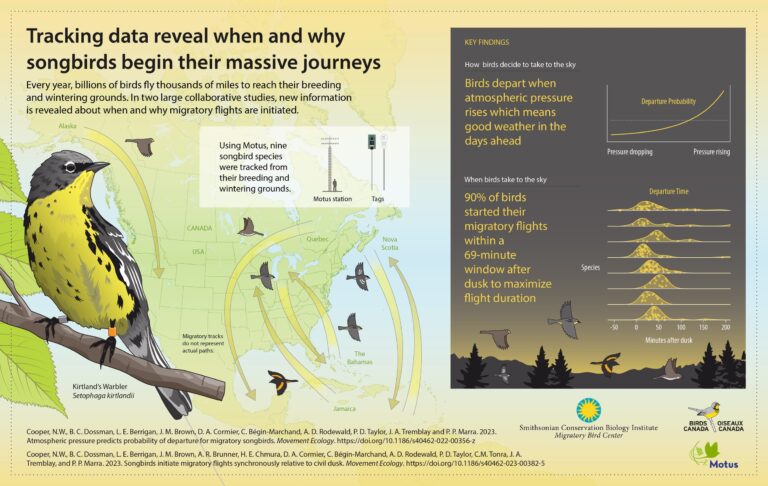
Migration is one of the most effective ways birds avoid extreme winter conditions. Some species leave the northern United States and Canada before food becomes scarce. Others move only a short distance to find better conditions.
Migration does not mean a species disappears from the entire country. For example, some individuals of a species may migrate while others remain year-round. This pattern is called partial migration.
The decision to migrate can depend on:
- Age
- Sex
- Health
- Food supply
- Day length
- Temperature
- Snow cover
- Geographic location
Many birds that breed in the northern United States spend winter in the southern United States, Mexico, the Caribbean, or Central America. Some species, such as Ruby-throated Hummingbirds, commonly migrate south from much of the eastern United States, while some western hummingbirds may follow different routes.
Migration also has risks. Birds must cross unfamiliar areas, avoid predators, find food, and cope with storms. Staying put can be safer when local food and shelter are reliable. Leaving can be safer when snow and ice make survival at home unlikely.

8. They Change Their Feeding Behavior in Winter
Winter birds often adjust when, where, and how they feed. They may begin searching for food soon after sunrise, when they need to replace energy lost overnight.
A bird may also choose food sources that reduce exposure. A sheltered seed crop under a shrub can be safer than an exposed patch in an open field. Birds may return to reliable feeding sites because searching for new food costs energy.
Some species cache food. Nuthatches and chickadees can carry seeds away and hide them in bark, cracks, or other sites. They later recover some of these stores. Not every cached seed is found, which can help spread plants.
Birds also use different parts of the same habitat:
- Woodpeckers inspect tree trunks and branches.
- Nuthatches search bark and crevices.
- Sparrows feed on the ground.
- Chickadees collect small seeds from branches.
- Cardinals eat seeds near dense cover.
- Cedar Waxwings search for fruit.
- Kinglets inspect foliage for tiny insects.
This division of feeding space reduces competition and lets several species use the same winter habitat.

How to Help Small Birds Survive Winter in Your Yard
The best way to help birds is to provide safe habitat first, then add food and water when you can maintain them properly.
Offer suitable food
Black-oil sunflower seed attracts many seed-eating birds. Suet can help woodpeckers, chickadees, nuthatches, and other species that use high-fat foods.
Avoid moldy, wet, or spoiled food. Do not offer foods covered in salt, sugar, spices, or artificial flavoring. Bread is not a good main food because it provides little of the nutrition birds need.
Keep feeders clean
Dirty feeders can spread disease. Clean them on a regular schedule, and clean them sooner if seed becomes wet or moldy.
Move feeders if droppings collect below them. Rake or remove spilled seed when practical. If sick birds appear, pause feeding and clean the area. The Cornell Lab of Ornithology provides detailed guidance on safe bird feeding.
Provide water
Birds need water in winter even when natural sources are frozen. A shallow basin can help, but it must be kept clean and safe.
Do not add antifreeze, salt, or chemicals to bird water. These substances can poison birds and other wildlife. If you use a heated birdbath, follow the product instructions and keep electrical parts protected from moisture.
Reduce window strikes
Feeders placed too close to windows can increase collision risk. The U.S. Fish and Wildlife Service recommends making windows visible to birds with external markers or other proven treatments.
Keep cats indoors or use a secure outdoor enclosure. Predation risk is often highest near feeders, where birds focus on food rather than escape.
Plant native winter habitat
Native evergreen trees, shrubs, seed-bearing plants, and berry-producing species can provide both food and cover. Choose plants suited to your region rather than relying on one national plant list.
Your local county extension office, state wildlife agency, or native plant society can help identify appropriate species for your part of the United States.

Winter Birds: Common Problems and What They Mean
A fluffed-up bird is not always in danger. Fluffing is normal in cold weather, especially when the bird is alert, moving, and feeding.
Watch for stronger warning signs:
| What you see | Possible meaning | Helpful response |
|---|---|---|
| Bird sits puffed up briefly, then feeds | Normal heat conservation | Leave it alone |
| Bird remains on the ground and cannot fly | Injury, illness, or exhaustion | Contact a licensed wildlife rehabilitator |
| Bird has crusted feathers or discharge | Possible disease | Clean feeders and seek wildlife guidance |
| Several dead birds appear near a feeder | Possible disease or toxin | Stop feeding temporarily and contact local wildlife officials |
| Bird repeatedly hits a window | Window collision risk | Add outside window markers |
| Bird is chased by a cat | Immediate injury risk | Keep cats indoors and contact a rehabilitator if injured |
Do not handle a wild bird unless necessary. If a bird is visibly injured, place it only when advised or when immediate danger requires action. Use a ventilated box, keep it dark and quiet, and contact a licensed wildlife rehabilitator. Do not give food or water unless the rehabilitator instructs you to do so.
Rules and rehabilitation contacts vary by state. The National Wildlife Rehabilitators Association can help you locate relevant resources.

Do Birds Freeze to Death in Winter?
Yes. Small birds can die from cold stress, especially when low temperatures combine with hunger, wet conditions, wind, illness, or injury.
However, a cold night alone does not mean that a bird will freeze. Healthy birds use insulation, body fat, shelter, and heat production to survive conditions that seem severe to people.
The greatest risk often comes from a chain of problems. For example, freezing rain may wet the feathers, ice may hide food, and wind may prevent the bird from reaching shelter. Together, those conditions can drain energy faster than the bird can replace it.
Young birds, older birds, injured birds, and birds with poor access to food may face greater risk.
Do Small Birds Sleep in Birdhouses During Winter?
Some birds use birdhouses or nest boxes as winter roosts, but not every box attracts birds. The box must have the right design, location, entrance size, and ventilation for local species.
Clean out old nesting material when appropriate, but do not disturb a box that is currently occupied. Check the box from a distance or at a time when you are sure no bird is inside.
A box should be mounted securely and placed where it is protected from harsh wind and direct exposure. Keep it away from places where cats, raccoons, or other predators can easily reach the entrance.
What Do Small Birds Eat When the Ground Is Covered With Snow?
Small birds may eat seeds, berries, nuts, tree buds, insects hidden under bark, and food stored earlier. They may also move to roadsides, forest edges, backyards, or lower elevations where food remains exposed.
Snow cover changes feeding behavior but does not remove every food source. Dense shrubs, standing native plants, evergreen trees, and tree bark can continue to provide food or shelter.
A clean feeder can provide extra food during deep snow, but it should supplement—not replace—natural habitat.
Why Do Birds Puff Up in Winter?
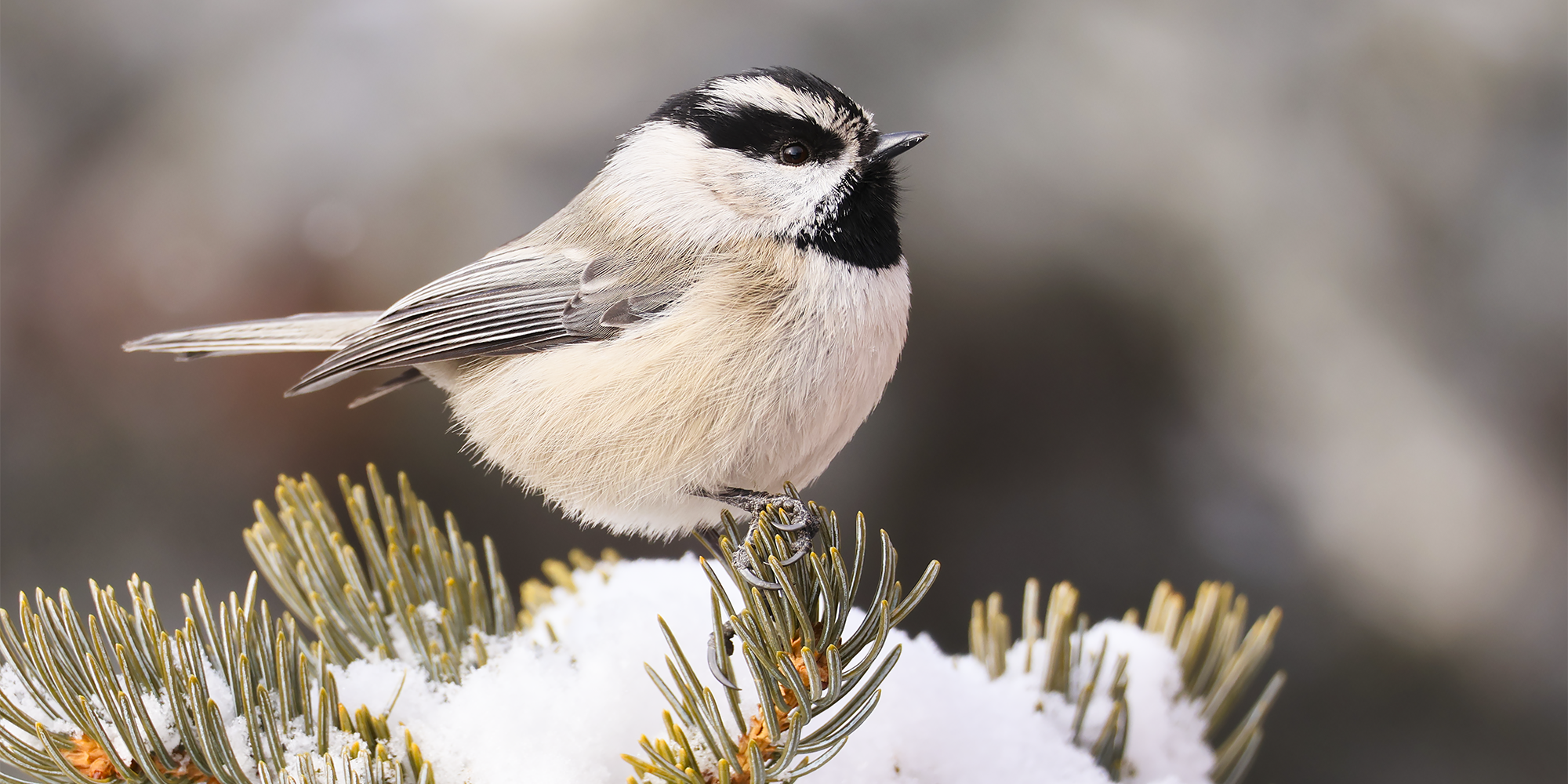
Birds puff up their feathers to trap a layer of warm air close to the skin. This makes the bird look larger and rounder.
Puffing is normal when a bird is resting in cold weather. It becomes more concerning when the bird stays puffed up for a long time, sits low, closes its eyes, fails to react, or cannot fly. Those signs may indicate illness or injury rather than simple cold protection.
Should You Stop Feeding Birds During a Cold Snap?
You do not need to stop feeding healthy wild birds during a cold snap if you can keep feeders clean and stocked safely. Birds may benefit from a reliable energy source when snow or ice hides natural food.
But feeding creates responsibility. Dirty feeders can spread disease, and spilled seed can attract rodents or predators. If you cannot clean and maintain a feeder, it may be better to remove it temporarily and focus on natural shelter and native plants.
Key Takeaways
- Small birds survive winter through several linked adaptations.
- Fluffed feathers trap warm air and reduce heat loss.
- High-fat foods help birds fuel their metabolism.
- Fat stores provide energy during long, cold nights.
- Shivering creates heat but uses valuable energy.
- Some hummingbirds and other small birds use torpor.
- Dense plants, tree cavities, and nest boxes provide shelter.
- Migration helps some species avoid severe conditions.
- Clean food, safe water, native plants, and window protection can help backyard birds.
Conclusion
Small birds survive winter through careful energy management. Their feathers hold heat, their bodies burn food quickly, and their behavior helps them find shelter and avoid unnecessary exposure.
The most useful help from people is simple: protect native plants, keep food and water clean, reduce window strikes, and keep cats away from feeding areas. A safe yard cannot control the weather, but it can give birds more of the food, shelter, and protection they need to make it through the cold season.