How Do Birds Survive Below Zero Temps: Winter Survival Guide
Introduction
Birds in the United States can survive below-zero winter temperatures through a mix of dense feathers, rapid metabolism, stored fat, smart behavior, and special blood-flow systems. A bird may look still and exposed, but its body is actively limiting heat loss and producing warmth.
Small birds face the greatest risk because they lose heat quickly. Even so, chickadees, nuthatches, sparrows, woodpeckers, and many other U.S. birds can endure bitter cold when they have food, dry shelter, and a safe place to roost.

How Birds Stay Warm in Freezing Weather
Birds stay warm by trapping air, creating body heat, and reducing heat loss. Their survival depends on several systems working at the same time.
Feathers act like insulation
A bird’s feathers are its main defense against cold. Down feathers and soft body feathers trap a layer of warm air next to the skin. This layer works much like insulation in a winter coat.
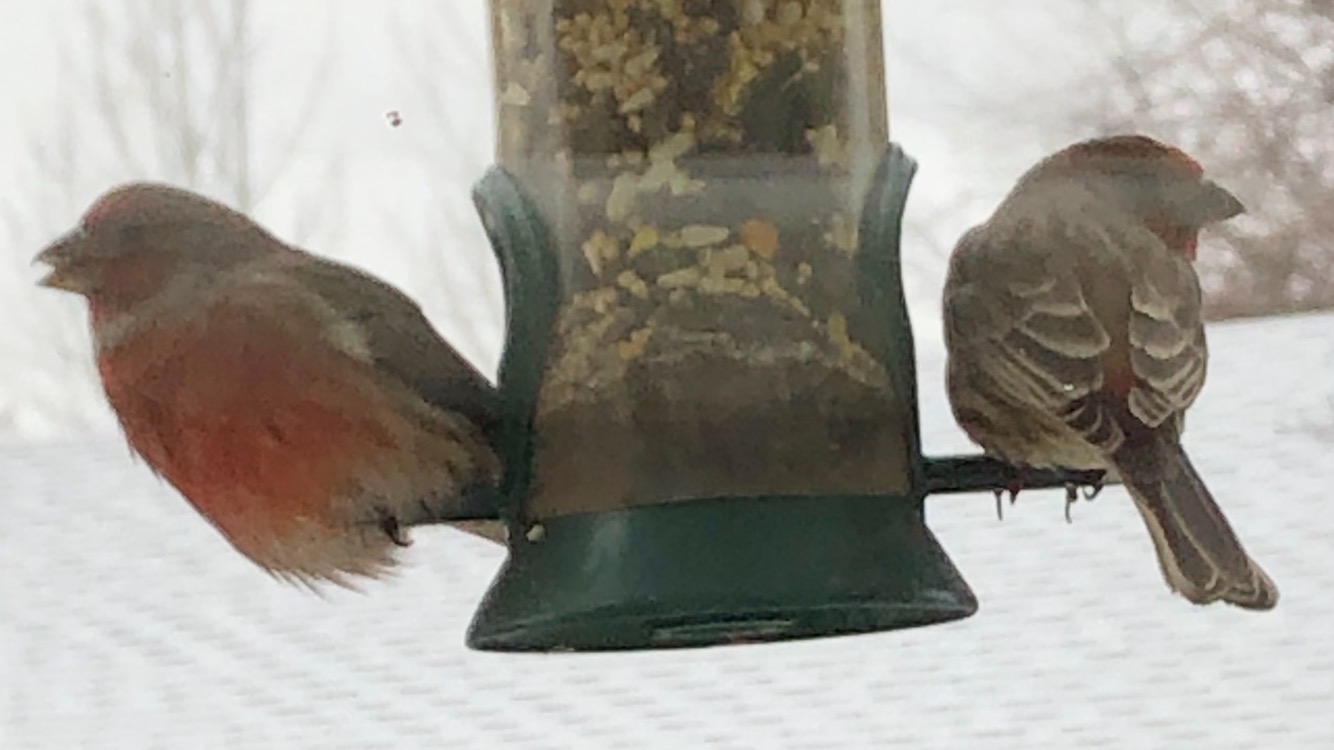
Birds also fluff their feathers in cold weather. Fluffing increases the space between the feathers and holds more air. That is why a bird may look rounder during a cold snap.
The outer feathers help block wind and light moisture. However, feathers lose much of their insulating value when they become soaked or heavily matted.
Birds produce heat with a fast metabolism
Birds have a high metabolic rate. Metabolism is the process that turns food into energy. Some of that energy becomes body heat.
A bird may eat more during cold weather because it must burn extra energy to maintain its core temperature. Small birds often need to feed throughout the day. They have less body mass and can lose heat faster than larger birds.
Birds also shiver. Shivering uses rapid muscle movements to create heat. It costs energy, so a bird needs enough food to replace the calories it burns.
Birds store energy as body fat
Before and during winter, many birds build fat reserves. Fat provides more energy per unit of weight than protein or carbohydrates. Birds can use this stored energy during cold nights when they cannot feed.
A bird that enters a long winter night with poor fat reserves may not survive, even if it has good feathers. This is one reason reliable food can matter during severe cold.
Fat reserves are not unlimited. A bird still needs shelter from wind and moisture, especially when temperatures remain below zero for several days.

How Birds Protect Their Feet From Freezing
Bird feet can remain cold without freezing because birds limit heat loss in their legs. Their feet also contain tendons and scales rather than large amounts of muscle and soft tissue.
Countercurrent heat exchange
Many birds use a system called countercurrent heat exchange. Warm blood moving from the body toward the feet passes close to cold blood returning from the feet.
Heat moves from the warm outgoing blood into the colder returning blood. As a result:
- The body keeps more heat.
- The feet remain cooler than the body.
- Blood still reaches the feet.
- Heat loss through the legs is reduced.
This system does not make a bird’s feet warm. Instead, it helps keep the feet cool enough to reduce heat loss while maintaining circulation.
Birds can stand on one foot
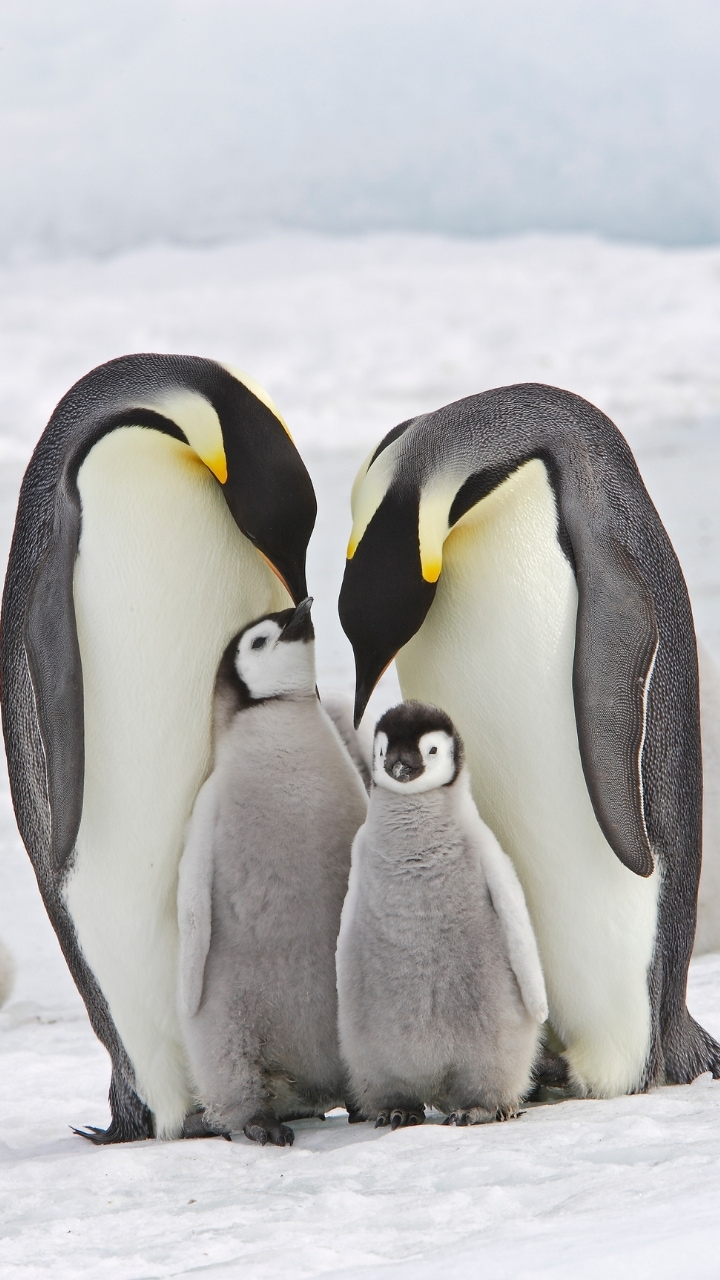
Birds often tuck one foot into their feathers while standing on the other. They may switch feet from time to time. This reduces the amount of skin exposed to cold air and snow.
Some birds sit on their feet or lower their bodies over both feet. Feathers can cover the legs and toes when the bird crouches.
Birds do not lose much heat through their feet when compared with the heat they lose from a wet body or a wind-exposed torso. Still, foot posture can help conserve energy.
Where Birds Sleep During Below-Zero Weather
Birds seek shelter before nightfall because temperatures often drop after sunset. A protected roost can make the difference between conserving energy and using too much of it.
Common winter roosts include:
- Dense evergreen branches
- Tree cavities
- Abandoned woodpecker holes
- Thick shrubs
- Brush piles
- Under eaves or bridges
- Rock cracks
- Snow tunnels
- Nest boxes designed for roosting
Evergreen trees provide cover from wind because their needles remain on the branches during winter. A cavity can offer even better protection because it blocks wind from several directions.
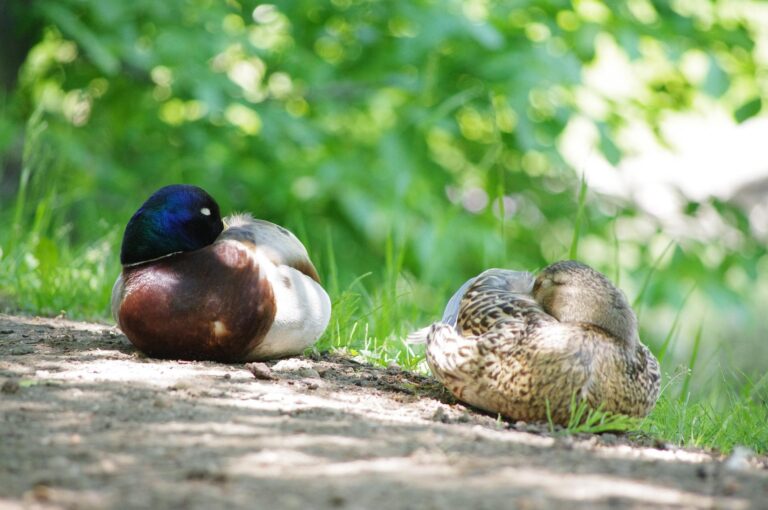
Some birds roost alone. Others gather in groups. A group can reduce exposed surface area, but crowding also creates competition and may increase the risk of disease or conflict.
Roosting is different from nesting
A winter roost is not always a nest. Many birds use temporary shelters that provide protection but no nesting material. Birds may also use a nest box for winter sleep even when they do not breed there.
Do not assume that a quiet nest box is empty. If you inspect or clean one during winter, you may disturb roosting birds. Follow the box maker’s care guidance and avoid opening it during very cold weather.

How Birds Survive Cold Nights
Cold nights are often more dangerous than cold days because birds cannot feed while they sleep. A bird must enter the night with enough energy to maintain its body temperature until morning.
Many birds feed heavily before sunset. They may choose high-energy foods such as seeds, berries, insects, or stored food. Birds also seek a sheltered roost that limits wind exposure.
Some species lower their body temperature at night. This state is called torpor. Torpor reduces metabolism and helps conserve energy.
Torpor is not the same as hibernation. Hibernation lasts for a long period and involves a deep, sustained reduction in body activity. Torpor usually lasts for part of a day or night and can vary in depth.
Birds known to use torpor include some hummingbirds, swifts, and poorwills. The exact response depends on the species, weather, food supply, body condition, and season.
Why winter hummingbirds can survive freezing temperatures
Hummingbirds have very high energy needs, but some species can use deep nighttime torpor. Their body temperature and metabolic rate may drop sharply while they rest.
This strategy saves energy during the hours when flowers and insects are unavailable. At dawn, the hummingbird must warm itself before normal activity. That process also requires energy.
In the United States, an unusual hummingbird seen in winter may be a western species, a late migrant, or a bird that has expanded its seasonal range. Keep feeders clean and provide shelter, but contact a licensed wildlife rehabilitator if a bird appears injured or remains weak in daylight.

Do Birds Migrate to Escape the Cold?
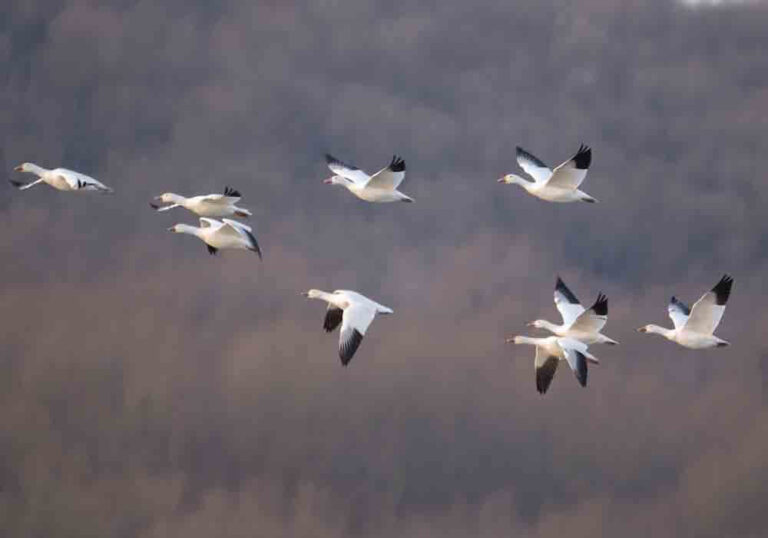
Migration helps many birds avoid the harshest winter conditions, but it does not mean every bird leaves a cold region. Migration is one survival strategy among several.
Birds may migrate because of:
- Reduced insect availability
- Frozen water
- Shorter daylight
- Snow-covered food
- Seasonal breeding patterns
- Competition for food
- Extreme cold
Many birds that remain in the northern United States change their behavior instead. They may move to wooded areas, travel short distances to find food, or shift from insects to seeds.
Some birds migrate at night. Others travel during the day. Migration itself is risky because birds must spend energy, cross unfamiliar areas, and avoid storms and predators.
A bird’s ability to survive winter does not depend only on temperature. Food, wind, moisture, habitat, and the length of the cold period all matter.
What Makes Below-Zero Weather Dangerous for Birds?
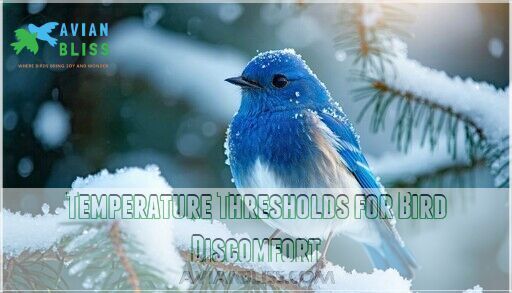
Below-zero air temperatures are stressful, but cold alone does not determine survival. The most dangerous conditions often combine low temperature with wind, wet feathers, ice, and a lack of food.
Wind increases heat loss
Wind removes the layer of warm air trapped around a bird’s body. This makes the bird lose heat faster than it would in still air.
Weather reports often describe this effect as wind chill. Wind chill is useful for understanding how cold conditions affect exposed skin, but it does not mean the air itself reaches the wind-chill temperature. For birds, the practical concern is faster heat loss.
Wet feathers can destroy insulation
Dry feathers trap air. Wet feathers trap much less air. A bird with soaked feathers may struggle to stay warm even when the air temperature is above freezing.
Ice can also weigh down feathers and prevent normal insulation. Birds may spend time preening to restore feather structure, but this uses energy and may not be enough during a long storm.
Food shortages increase risk
Snow and ice can hide seeds, berries, and insects. Frozen water can also limit access to drinking and bathing sites.
A bird may survive one cold night without feeding, but repeated cold nights can drain its fat reserves. Weakness then makes it harder to fly, escape predators, and find food.
Small birds face a greater heat-loss challenge
Small bodies have a high surface-area-to-volume ratio. In simple terms, they have more body surface through which heat can escape compared with their total mass.
This does not mean small birds cannot survive extreme cold. It means they often need better shelter, frequent feeding, and more efficient behavior than larger birds.
How to Help Birds During Extreme Cold
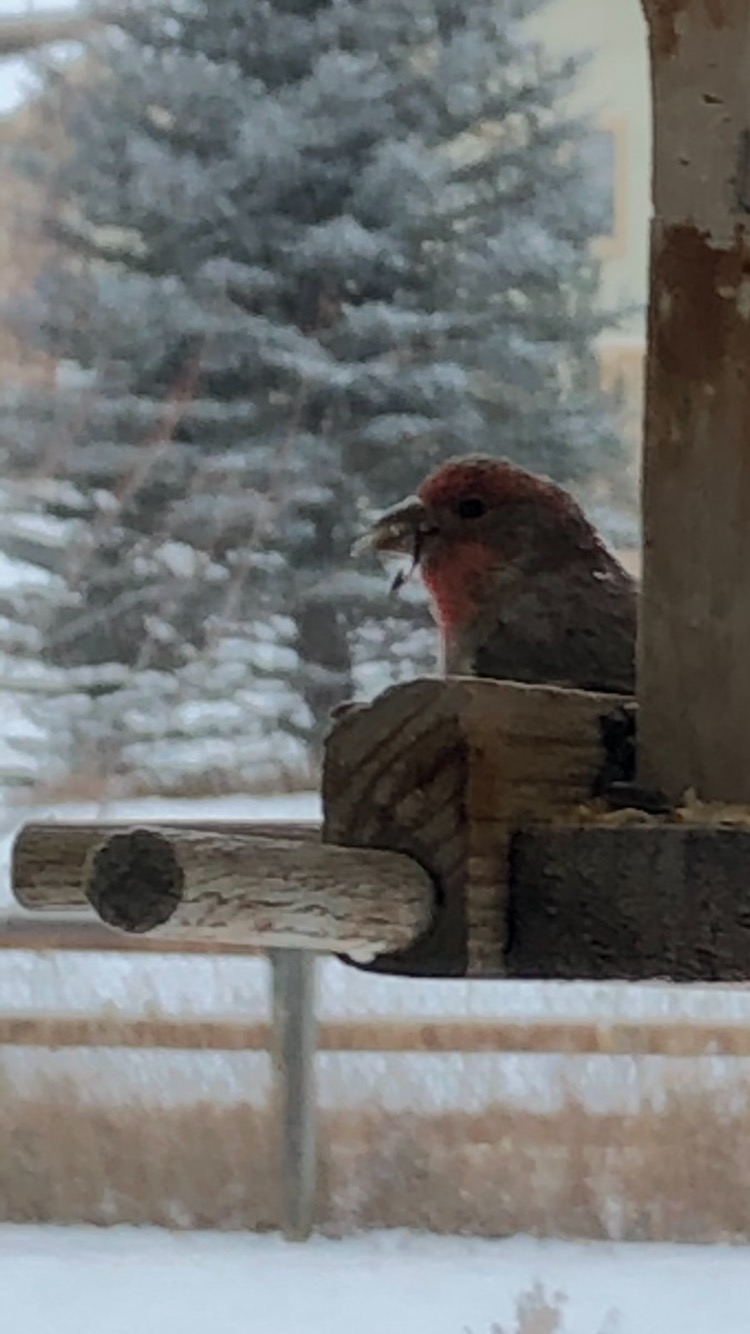
The safest way to help wild birds is to improve access to food, water, and shelter without creating new hazards.
1. Offer suitable food
Use clean feeders and provide foods that wild birds can eat safely. Common options include:
- Black-oil sunflower seed
- White proso millet
- Safflower seed
- Nyjer seed for finches
- Suet in an appropriate feeder
- Unsalted peanuts or peanut pieces
- Fruit for species that eat berries
Avoid moldy, wet, salted, or seasoned food. Do not offer bread as a main food source. Bread provides limited nutrition and can fill a bird’s stomach without supplying the energy it needs.
Place feeders near natural cover, such as shrubs or evergreen trees. Keep them far enough from dense cover that cats cannot hide beside them, but close enough for birds to reach shelter quickly.
2. Provide safe water
Birds need water in winter even when snow is present. Snow costs energy to melt inside the body and may not meet all of a bird’s needs.
A shallow birdbath can help if you keep it clean and prevent dangerous ice. A heated birdbath may be useful when used according to its instructions and connected to a safe outdoor power source.
Never add antifreeze, salt, or chemicals to bird water. These substances can poison birds and other wildlife.
3. Preserve natural cover
Leave some native shrubs, seed heads, leaf litter, and brush when practical. These features can provide food and shelter during winter.
Evergreen plants, dense hedges, and brush piles may protect birds from wind. Avoid trimming all dense cover during severe weather unless there is a safety reason.
4. Keep cats indoors
Freezing weather already forces birds to spend energy on survival. A roaming cat adds another major threat.
Keeping cats indoors protects birds and also protects cats from traffic, fights, disease, and extreme weather.

What to Do If You Find a Cold or Motionless Bird
A bird sitting still is not always in trouble. Birds often conserve energy during cold weather and may remain quiet for long periods.
Watch from a distance for signs of distress. A bird may need professional help if it:
- Cannot stand or fly
- Has a visible injury
- Is bleeding
- Has a wing hanging abnormally
- Is trapped in ice, netting, or a structure
- Is covered in oil or another substance
- Remains unresponsive when approached
- Is being attacked by a cat or other animal
Do not bring a wild bird indoors unless a wildlife professional tells you to do so. Do not force food or water into its beak. Incorrect handling can cause additional injury, choking, or dangerous stress.
Place the bird in a quiet, dark, ventilated box only when a licensed wildlife rehabilitator, animal control agency, or veterinarian advises it. Then contact a permitted wildlife rehabilitator through your state wildlife agency or the Animal Help Now directory.
If the bird is simply fluffed up but alert and able to move, observe it from a distance. Healthy birds may look unusually round because they are trapping warm air in their feathers.
Common Myths About Birds in Winter
“Birds’ feet should freeze because they are exposed”
Bird feet are built to tolerate cold. Their blood vessels and circulation reduce heat loss, and many birds limit exposure by standing on one foot or tucking their feet into feathers.
“All birds migrate before winter”
Many birds migrate, but others remain in the same region all year. Some species migrate only short distances. Others change their diet and shelter rather than leave.
“Birds cannot survive below zero”
Many birds survive below-zero Fahrenheit temperatures when they remain dry, find shelter, and maintain access to enough energy. Extreme weather can still kill birds, especially when cold combines with wind, wetness, or food shortages.
“A bird feeder is required for birds to survive”
Birds survived winter before people provided feeders. Feeders can help during difficult conditions, but they are not a substitute for natural habitat.
Feeders also require care. Dirty feeders may spread disease, and poorly placed feeders can expose birds to cats, window strikes, or predators.
“Birds should be warmed indoors”
Most healthy wild birds should remain outdoors. Indoor heat, handling, pets, and improper feeding can harm them. A wildlife rehabilitator should guide any rescue.
Winter Bird Survival: A Practical Risk Guide
The table below shows how common conditions affect birds. It is a general guide, not a survival forecast for every species.
| Condition | Main effect on birds | Helpful response |
|---|---|---|
| Dry, still cold | Increases energy use | Preserve food and natural cover |
| Below-zero cold with wind | Speeds heat loss | Provide wind-sheltered habitat |
| Freezing rain | Mats feathers and blocks food | Keep feeders dry and accessible |
| Deep snow | Hides seeds and ground food | Offer clean, suitable food |
| Frozen water | Limits drinking and bathing | Provide safe liquid water |
| Cold after several food-poor days | Depletes fat reserves | Maintain reliable food sources |
| Cold plus cat pressure | Adds injury and stress | Keep cats indoors |
The most useful rule is simple: cold is harder to survive when a bird is wet, hungry, exposed, or injured.

Key Takeaways
- Birds survive below-zero temperatures through insulation, metabolism, fat reserves, behavior, and specialized circulation.
- Feathers trap warm air, but wet feathers lose much of their insulating power.
- Birds seek cavities, evergreen branches, dense shrubs, and other sheltered roosts.
- Small birds may need frequent food because they lose heat quickly.
- Some species use torpor to reduce energy use during cold nights.
- People can help by providing clean food, safe water, natural cover, and protection from cats.
- Do not handle a healthy bird or bring it indoors without professional advice.
- Contact a licensed wildlife rehabilitator for an injured, trapped, contaminated, or unresponsive bird.
Frequently Asked Questions
Can birds survive 0°F weather?
Yes. Many birds can survive 0°F weather when they are healthy, dry, well fed, and protected from wind. Survival becomes less likely when extreme cold lasts for many hours or combines with rain, ice, hunger, or injury.
How do birds keep warm at night?
Birds fluff their feathers, tuck their heads into their body feathers, reduce exposed skin, and roost in sheltered places. Some species also enter torpor, which lowers their energy use for part of the night.
Should I leave my bird feeder out during a freeze?
You can leave a feeder out during a freeze if you keep it clean, dry, and stocked with suitable food. Place it near cover but away from locations where cats can hide. Remove spoiled or wet food.
Do birds drink water when it is below freezing?
Yes. Birds still need water in winter. They may eat snow, but liquid water is usually easier to use and costs less energy than melting snow inside the body.
What should I do if a bird is shivering?
Shivering can help a bird produce heat, so it does not always mean the bird needs rescue. Watch for other signs, such as inability to stand, visible injury, bleeding, or failure to respond. If those signs appear, contact a licensed wildlife rehabilitator.
Conclusion
Birds survive below-zero temperatures by treating winter as an energy problem. They trap heat with feathers, produce warmth from food, protect their feet through circulation, and choose roosts that block wind and moisture.
You can support them by keeping winter food clean, providing safe water, preserving dense native cover, and reducing threats from cats and glass. When a bird is injured or unresponsive, professional wildlife care is safer than trying to warm or feed it at home.