How To Make A Bird Fly: Safe, Humane Tips
In the United States, you should never force a live bird to fly by throwing it, waving it, or pushing it into the air. A healthy bird usually flies on its own when it feels safe. If it cannot fly, first decide whether it is a young fledgling, an injured wild bird, or a pet bird that needs gradual flight training.

Can you make a real bird fly?
You cannot safely “make” a live bird fly on command. Flight depends on the bird’s age, health, feathers, muscle strength, balance, stress level, and surroundings.
The safest approach is to:
- Watch the bird from a distance.
- Identify whether it is a fledgling, injured bird, or pet bird.
- Remove immediate hazards.
- Give the bird time and space.
- Contact a licensed wildlife rehabilitator or avian veterinarian when needed.
Never throw a bird into the air. A bird with a broken wing, poor balance, weak muscles, or breathing trouble could suffer a more serious injury.
Quick decision guide
| What you see | What it may mean | Best next step |
|---|---|---|
| Fully feathered young bird hopping on the ground | Normal fledgling stage | Keep pets and people away; watch from a distance |
| Bird with blood, a drooping wing, closed eyes, or trouble breathing | Injury or serious illness | Contact a licensed wildlife rehabilitator |
| Bird trapped indoors | Disorientation or escape problem | Darken the room, open one exit, and leave the room |
| Pet bird that avoids flight | Fear, weakness, poor training, or illness | Use gradual training and consult an avian veterinarian if needed |
| Paper or toy bird | A craft or model | Use light materials and balanced wings |

First identify why the bird is not flying
The reason matters more than the act of flight. A grounded bird may be healthy and learning to fly, or it may need urgent care.
A healthy fledgling
A fledgling is a young bird that has left the nest but may not yet fly well. It may hop, flutter, or perch only a short distance. Its parent may still feed it nearby.
Common signs of a fledgling include:
- Most or all of its body covered with feathers
- Ability to stand, hop, or grip a branch
- Short hops or weak fluttering
- No obvious blood or broken limb
- An alert response when approached
Do not take a healthy fledgling home just because it is on the ground. Many young birds spend time there while their flight skills develop.
Keep dogs, cats, and children away. If the bird is in immediate danger, move it only a short distance to a shaded shrub or low branch near where you found it. Use clean gloves or a soft cloth if you must handle it.
A nestling
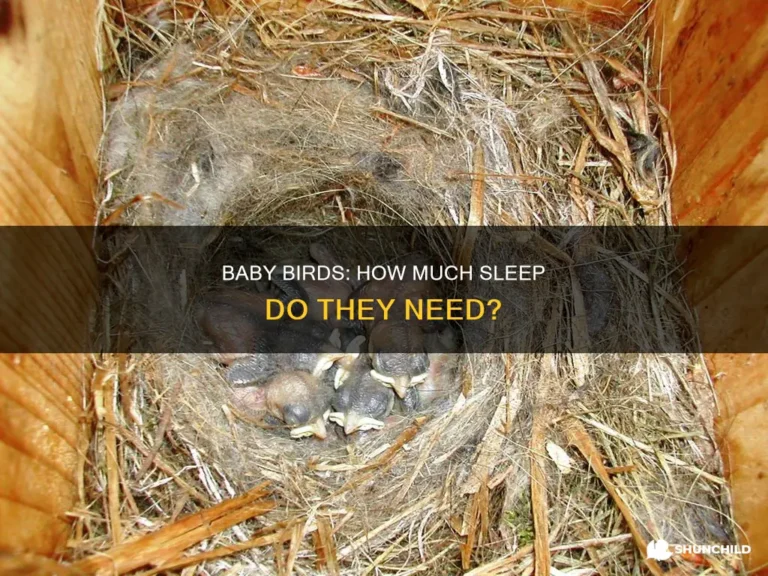
A nestling is a young bird with little or no feather cover. It usually cannot move well and may need to return to its nest.
If you can safely find the nest, place the nestling back inside. Parent birds do not normally abandon a chick because a person touched it.
If the nest is damaged or cannot be found, place the bird in a small substitute nest near the original location. A shallow container with drainage holes, lined with dry grass or paper towel, can work as a temporary option. Keep the container out of direct sun and watch from far away.
If the parents do not return or the bird appears hurt, contact a wildlife rehabilitator.
An injured or sick bird
A bird needs professional help if you see:
- Blood or an open wound
- A wing hanging lower than the other
- A leg pointing at an unusual angle
- Inability to stand or perch
- Repeated falling
- Closed or swollen eyes
- Trouble breathing
- A bird caught by a cat or dog
- A bird that cannot fly after striking a window
- Severe weakness or unusual lack of response
A cat attack requires prompt professional advice even when no wound is visible. Small punctures can lead to serious infection.
A trapped bird
A bird inside a house may fly poorly because it is frightened and disoriented. Turn off ceiling fans and close interior doors. Open one exterior door or window. Then darken the rest of the room and leave it alone.
Do not chase the bird. It may injure itself against glass or walls. If it does not leave after a quiet period, contact a local wildlife rehabilitator.

How to help a healthy fledgling fly
A healthy fledgling usually needs protection, not flight lessons. Its parents often continue to feed it while it learns to hop, perch, and fly.
Follow these steps:
- Observe from a distance. Move well away for at least an hour if conditions are safe. Parent birds may avoid the area while people stand nearby.
- Control nearby hazards. Bring cats indoors and keep dogs leashed.
- Create low, safe perches. If the bird is in a road, parking lot, or busy walkway, move it a short distance to a shaded shrub or low branch.
- Do not feed or give water. Incorrect food or forced water can cause choking, aspiration, or digestive problems.
- Call for help if the bird worsens. Use the Animal Help Now wildlife emergency directory or contact a licensed wildlife rehabilitator in your state.
Signs the fledgling is progressing
You may see the bird:
- Hop farther
- Grip branches more firmly
- Flutter to a low perch
- Use both wings evenly
- Call to or respond to its parents
- Make short, controlled flights
Do not test the bird by tossing it upward. Natural practice from the ground or a low perch is safer.

What to do if an injured bird cannot fly
Place an injured wild bird in a temporary box while you arrange professional help. This reduces stress and prevents further injury.
Safe temporary care
- Find a small cardboard box with air holes.
- Line the bottom with a smooth towel or soft cloth.
- Gently place the bird inside.
- Close the box and keep it in a quiet, dark, room-temperature location.
- Keep children and pets away.
- Contact a licensed wildlife rehabilitator as soon as possible.
Use gloves when handling an injured bird. Avoid loose strings, deep bowls, wire cages, and rough towels that can catch toes or feathers.
Do not give food, water, or medicine unless a qualified wildlife professional tells you to do so. A stressed bird may inhale liquid or food. Some foods can also cause serious harm.
Window-struck birds
A bird that hits a window may appear stunned. If it has no obvious injury, place it in a ventilated box in a quiet, dark place and contact a wildlife rehabilitator for advice.
Do not place the bird on a tree branch to “see if it flies.” A concussion or internal injury may not be visible. If the bird cannot fly normally after a short rest, professional assessment is needed.
Protected birds and legal limits
Many wild birds in the United States are protected under federal or state law. Keeping, transporting, or treating native wildlife may require authorization. State rules can differ, and some birds have additional protections.
The U.S. Fish and Wildlife Service provides information about migratory birds and wildlife laws. A licensed rehabilitator is the right contact for hands-on care.

How to help a pet bird learn to fly
A pet bird should not be forced to fly. Training should build confidence, strength, and control in a safe room.
Before training, close doors and windows. Cover large mirrors and clear hazards such as fans, hot surfaces, cords, standing water, and other pets. Keep the room calm.
A gentle flight-training method
- Start with step-up training. Teach the bird to step onto your finger or a perch.
- Use two stable perches. Keep them close together at first.
- Offer a short transfer. Encourage the bird to move from one perch to the other.
- Increase distance slowly. Add only a small amount of space when the bird succeeds.
- Reward calm effort. Use praise or a food reward that fits the bird’s normal diet.
- Stop before fatigue. Several short sessions are safer than one long session.
- Watch the landing. Good control includes safe takeoff, steering, and landing.
Never pull a bird by its wings, drop it, swing it, or push it off a perch. These actions can cause injury and make the bird afraid of training.
When a pet bird should see an avian veterinarian
Arrange veterinary care if a pet bird:
- Suddenly stops flying
- Falls from perches
- Favors one wing
- Pants or breathes with effort
- Sits fluffed up for long periods
- Shows a change in appetite or droppings
- Loses balance
- Has a recent injury
Birds often hide illness. A sudden change in flight ability deserves attention, even when the bird looks normal.
How to make a paper bird fly
If you mean a paper bird, use a simple paper airplane design with wings that are even and well balanced.
Basic paper bird steps
- Fold a sheet of lightweight paper in half lengthwise.
- Open it and fold the top corners toward the center crease.
- Fold the new sloping edges toward the crease to form a narrow nose.
- Fold the model in half along the center crease.
- Fold each side down to form matching wings.
- Bend the rear edge of both wings up slightly.
- Check that both wings have the same shape.
- Throw it gently and level, with the nose pointed slightly forward.
If it dives, raise the rear edges a little. If it climbs and stalls, flatten them slightly. If it turns, adjust the wing on the side opposite the turn by a very small amount.
Use paper models only in an open, safe area. Do not throw them near roads, power lines, animals, or people.

Common mistakes that stop a bird from flying
Throwing the bird into the air
This can worsen an injury and does not teach flight. A bird must control its own takeoff and landing.
Taking a fledgling away too soon
A fully feathered young bird may be exactly where it needs to be. Removing it can separate it from its parents.
Giving water by mouth
A bird can inhale liquid into its lungs. Leave hydration and feeding to trained wildlife professionals unless they give you specific instructions.
Using a cage for an injured wild bird
A cage may allow a weak bird to strike the bars or damage its feathers. A dark, ventilated cardboard box is often safer for short-term transport.
Releasing a bird without checking its flight
A bird may flap but still be unable to steer or land. Wildlife professionals assess strength, balance, and behavior before release.
Training a pet bird in an unsafe room
Ceiling fans, glass, open doors, hot cookware, and other pets can turn a short flight into an emergency. Prepare the room before opening the cage.
Frequently asked questions
Can I teach a wild bird to fly?
No. Do not train a wild bird yourself. A healthy young bird needs space and parental care, while an injured bird needs a licensed wildlife rehabilitator.
How long does it take for a fledgling to fly?
The time varies by species, age, weather, health, and access to safe perches. Some fledglings improve quickly, while others need more time. Watch for steady progress rather than testing the bird.
Should I put a baby bird back in its nest?
If the bird has little feather cover and you can safely reach the nest, yes. Human touch does not usually cause parent birds to reject it. If the nest is gone or the bird is injured, contact a rehabilitator.
Can a bird fly with one injured wing?
A bird may flap with an injured wing, but that does not mean it can fly safely. Do not release or throw it. Place it in a ventilated box and seek professional help.
What should I do if my pet bird is afraid to fly?
Start with close, low transfers between stable perches in a safe room. Use calm rewards and short sessions. If fear is sudden or the bird shows weakness, pain, or balance problems, consult an avian veterinarian.

Conclusion
You cannot safely force a live bird to fly. The right response depends on the bird’s condition: protect a healthy fledgling, contain an injured bird, train a pet bird gradually, or adjust a paper bird’s wings.
Keep the bird calm, avoid food and water unless directed by a professional, and never throw it into the air. In the United States, a licensed wildlife rehabilitator or avian veterinarian can provide the safest next step.