How Late Do Birds Stay Up: Bird Sleep Guide
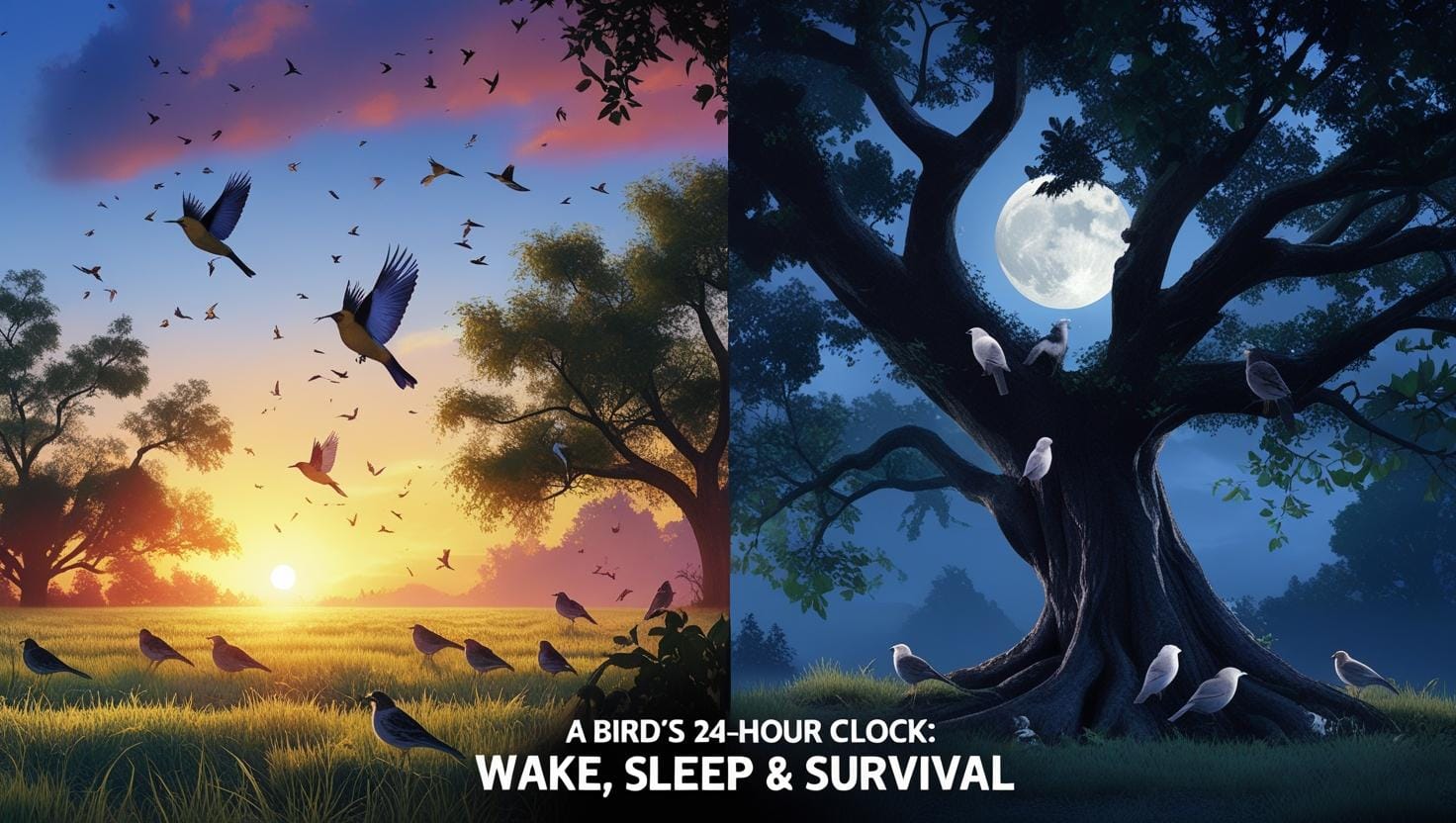
In the United States, most backyard birds stay active until sunset and settle into a roost soon after dark. Many stop flying and feeding within 15 to 30 minutes after sunset, though the exact time varies by species, season, weather, habitat, and artificial light.
Owls, nightjars, and other nocturnal birds follow the opposite schedule. They may become active after sunset and remain awake through much of the night. Some birds also migrate, call, feed, or travel after dark.
Most Birds Go to Sleep Around Sunset
Most common U.S. birds are diurnal, which means they are active during the day and rest at night. This group includes:
- Robins
- Sparrows
- Blue jays
- Cardinals
- Chickadees
- Finches
- Crows
- Woodpeckers
- Many ducks and geese
- Most hawks and eagles
These birds use daylight to find food, avoid predators, care for young, and move through their habitat. As the sky grows dark, their activity usually drops.
A bird may still sing or move for a short time after sunset. Some species use the last light to reach a safe roost. In most cases, though, a daytime bird does not stay active late into the night.
A simple sunset guide
The table below gives a general pattern for birds in the United States. It is not a fixed rule for every species.
| Time | What many daytime birds do |
|---|---|
| 1–2 hours before sunset | Feed, call, and prepare for the night |
| Around sunset | Make final flights and find a roost |
| 15–30 minutes after sunset | Most activity becomes very low |
| 1 hour after sunset | Most daytime birds are settled |
| Overnight | Rest, unless disturbed or migrating |
Birds do not follow clocks in the same way people do. They respond mainly to light levels. A bird may go to sleep at 5:00 p.m. in December and remain active until 9:00 p.m. in June if natural light and local conditions allow it.
What Time Do Birds Wake Up?
Most daytime birds wake before or around sunrise. Some begin moving while the sky is still dim. This early burst of sound is known as the dawn chorus.
Birds may wake early because morning is a good time to:
- Find food before competition increases
- Reclaim or defend a territory
- Find a mate
- Feed young
- Move before heat and wind rise
- Use the cool, calm air
The exact wake-up time depends on the species. Robins and blackbirds may begin calling before sunrise. Birds in dense woods may start later than birds in open areas because less light reaches the ground.
Weather also matters. Heavy rain, strong wind, snow, or very cold temperatures can delay activity. A bird may remain in its roost longer to save energy.

Why Do Birds Sleep at Night?
Bird sleep helps birds restore energy and remain alert for the next day. Birds have a high body temperature and often burn energy quickly. Rest allows them to reduce activity while avoiding unnecessary movement in the dark.
Many birds sleep in hidden places, such as:
- Dense shrubs
- Tree branches
- Tree cavities
- Nest boxes
- Reeds and tall grasses
– Cliffs or ledges - Marsh vegetation
- Sheltered building spaces
A bird may grip a branch while sleeping. Special tendons in its feet help hold the toes closed when the leg bends. This lets many perching birds sleep without falling.
Birds do not always sleep in nests. After the breeding season, adult birds often use a separate roost. A nest is mainly a place for laying eggs and raising young.
Do birds sleep all night?
Many daytime birds rest for most of the night, but bird sleep is not always one long, deep period. Birds can wake briefly to adjust their position, respond to danger, or move to a safer spot.
Birds also have unusual sleep patterns. Some can sleep with one half of the brain at a time while the other half remains more alert. This ability is called unihemispheric sleep. It can help birds rest while watching for predators or while sleeping near open water.
Which Birds Stay Up Late?
Nocturnal birds are active at night. They often rest during the day and begin hunting or calling after sunset.
Common nocturnal birds in the United States include:
- Barn owls
- Great horned owls
- Barred owls
- Eastern screech-owls
- Common nighthawks
- Chuck-will’s-widows
- Whip-poor-wills
- Some night herons
Owls can hunt in low light because they have strong hearing and vision. Their soft feathers also help reduce flight noise.
Nightjars, such as common nighthawks and whip-poor-wills, catch flying insects at night. They may be most active around dusk and dawn rather than throughout the whole night.
Some birds are crepuscular. This means they are most active during twilight. They may feed at dawn, dusk, or both. A bird that stays active just after sunset is not always a true night-active species.
Why do you hear birds at night?
Night calls can come from several sources:
- Nocturnal species: Owls and nightjars naturally call after dark.
- Mating calls: A bird may call to attract a mate or defend a territory.
- Alarm calls: Sudden noise, a predator, or a bright light can wake a bird.
- Migration: Some birds call while flying at night.
- Artificial light: Streetlights and building lights can disrupt normal rest.
A bird calling at night is not always sick or lost. The sound, location, season, and species can help explain the behavior.

Do Birds Stay Up Later in Cities?
Birds in cities may remain active later than birds in darker rural areas. Streetlights, porch lights, office buildings, sports fields, and other sources of artificial light can extend the period of visible activity.
Artificial light at night may:
- Delay roosting
- Increase night singing
- Attract birds toward buildings
- Change feeding patterns
- Disrupt migration
- Affect sleep and daily rhythms
The effect differs by species. A bright light does not simply make every bird stay awake for the same extra amount of time.
Building lights are a major concern during migration. Many migratory birds travel at night and use natural light cues to navigate. Bright city lights can draw them toward buildings, where collisions may occur.
For people who feed birds, outdoor lighting can also affect behavior. A feeder under a bright lamp may attract birds later than a feeder in a dark yard. It may also make birds easier for predators to find.
How to help birds rest at night
You can reduce nighttime disturbance by:
- Turning off outdoor lights when you do not need them
- Using motion sensors instead of lights that stay on all night
- Closing blinds near large windows
- Choosing warm, shielded lights
- Keeping bird feeders away from bright lights
- Following local “lights out” programs during migration
These steps help both backyard birds and birds that pass through urban areas.
Do Birds Migrate at Night?
Many birds migrate after dark. This is one of the main exceptions to the idea that birds sleep at sunset.
Nocturnal migrants include many:
- Warblers
- Thrushes
- Sparrows
- Vireos
- Flycatchers
- Shorebirds
- Waterfowl
Night migration can offer cooler air, calmer winds, and fewer daytime predators. Some birds use the moon, stars, Earth’s magnetic field, and landscape features to help guide their route.
Migrating birds may fly for several hours without stopping. They may also call in flight. If you hear short bird notes high above your home at night, the birds may be moving overhead rather than staying awake in a nearby tree.
Migration varies by season. In the United States, spring and fall can bring large numbers of birds into nighttime airspace. Weather conditions can cause more birds to migrate on one night than another.

How Seasons Change Bird Sleep Schedules
Birds stay active longer in summer because daylight lasts longer. In winter, short days often lead to earlier roosting and later morning activity.
Summer
In summer, many birds:
- Wake early
- Feed young throughout the day
- Sing during the early morning
- Remain active until late twilight
- Use shade and water to manage heat
A bird may appear to stay up late in June, but it is usually responding to the long day rather than ignoring its normal sleep pattern.
Winter
In winter, many birds:
- Roost earlier
- Spend more time feeding before dark
- Seek protected sleeping sites
- Reduce movement during severe weather
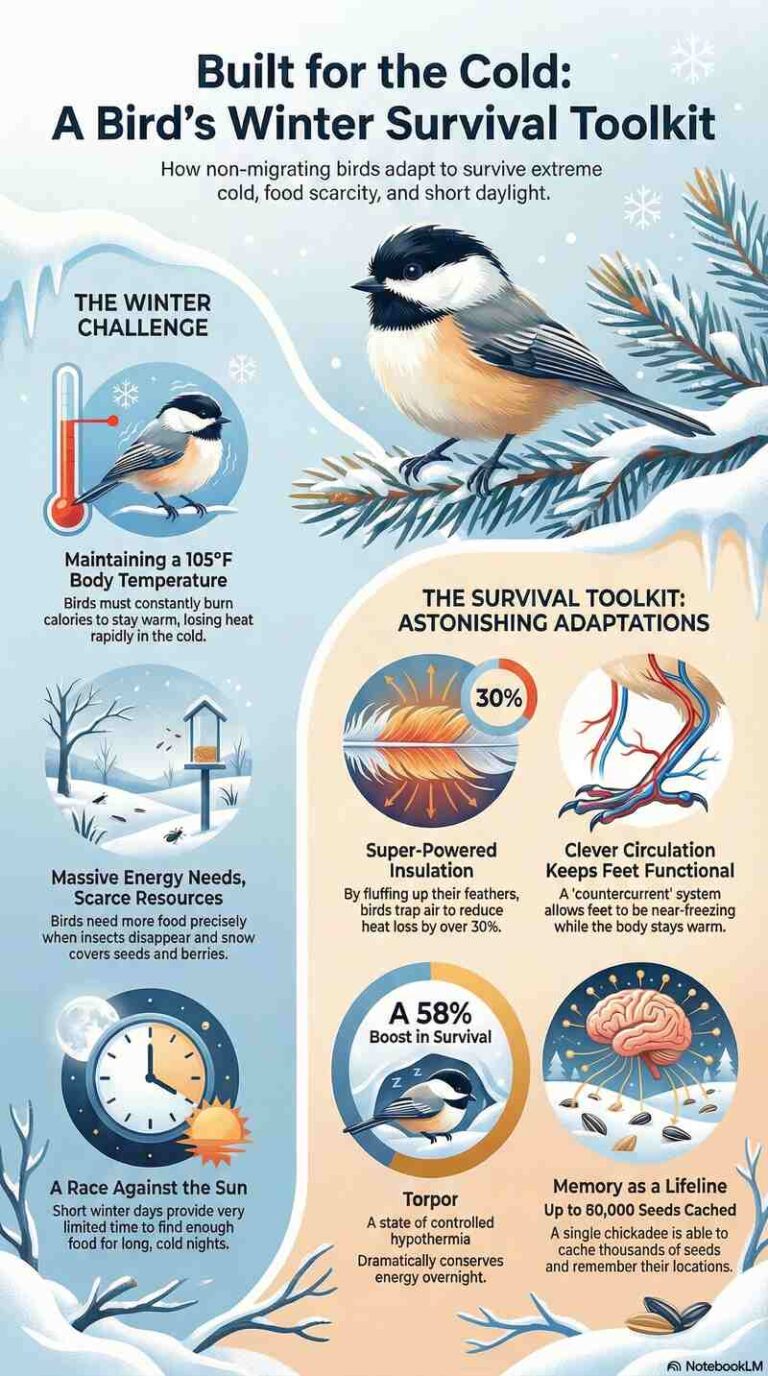
- Use more energy to stay warm
Birds may visit feeders more often before sunset in winter. They are building energy reserves before a long, cold night.
Breeding season
Breeding can change a bird’s daily schedule. Males may sing earlier and for longer periods. Parents may keep feeding nestlings until dusk. Some birds may make more trips than usual because young birds need frequent food.
A parent bird that remains active near a nest after sunset may be caring for young. Avoid shining lights into the nest or approaching closely.
How Long Do Pet Birds Sleep?
Pet birds need a regular dark period each night. Many companion birds do well with about 10 to 12 hours of quiet, dark sleep, but the best schedule depends on the species and the bird’s health.
Common pet birds, such as parakeets, cockatiels, lovebirds, and many parrots, may become tired or irritable when they do not get enough rest.
Signs of poor sleep can include:
- More biting or loud calling
- Daytime sleepiness
- Reduced activity
- Poor focus during training
- Changes in appetite
- Feather problems
- Stress-related behavior
A pet bird’s cage should be in a calm area at night. A separate sleep cage may help if the main room stays bright or noisy.
Do not assume that covering a cage always solves the problem. A cover may block some light, but it may not block noise, vibration, or changes in temperature. A veterinarian who treats birds can help if sleep or behavior changes continue.
Pet birds also need a steady schedule. Keeping the room bright late one night and dark early the next can disturb their routine. Aim for a similar bedtime and wake-up time each day.

What Time Should You Stop Feeding Birds?
For wild birds, you do not need to remove a feeder at a precise time each evening. Birds usually stop visiting when light levels fall and they can no longer see or safely reach the food.
In winter, birds may make a final visit shortly before sunset. This gives them time to eat before roosting. If you use a bird feeder, keep it clean and check the food often.
Practical steps include:
- Refill feeders early enough for daytime birds to feed
- Remove wet or moldy seed
- Clean feeders on a regular schedule
- Store seed in a dry, sealed container
- Keep feeders away from windows when possible
- Watch for signs of sick birds
If several birds appear ill, stop feeding temporarily and contact a local wildlife agency or bird health authority for guidance. Rules and advice may vary by state and by disease risk.
Do not leave food out overnight if it attracts rats, raccoons, bears, or other wildlife. In areas with bears, follow local wildlife rules. Bird feeding can create problems when food attracts animals to homes or roads.
Why Some Birds Do Not Go to Sleep at Sunset
A bird may remain active after sunset for a normal reason. The most likely explanations are:
- The species is nocturnal
- The species is active during twilight
- The bird is migrating
- The bird is responding to artificial light
- The bird was disturbed
- The bird is defending a nest or territory
- The weather delayed its normal routine
The setting helps identify the cause. A bird flying high overhead at night may be migrating. A bird calling from a barn or tree may be an owl. A small bird singing beside a streetlamp may be responding to light.
Do not catch or handle a wild bird simply because it is active late. Handling can cause stress and may be illegal without the right permits. If the bird is injured, contact a licensed wildlife rehabilitator.

Key Takeaways
- Most daytime birds in the United States settle down around sunset.
- Many birds stop normal activity within 15 to 30 minutes after sunset.
- Owls, nightjars, and some other birds are active at night.
- Many migratory birds fly after dark.
- City lights can delay roosting and disrupt migration.
- Seasons change bird schedules because daylight length changes.
- Pet birds often need about 10 to 12 hours of quiet, dark sleep.
- A bird calling at night is not automatically sick or lost.
Frequently Asked Questions
Do birds sleep in trees?
Yes. Many birds sleep on branches, often in dense foliage or sheltered areas. Some use tree cavities, nest boxes, reeds, cliffs, or building spaces. Perching birds can grip a branch while sleeping.
Do birds sleep in nests?
Usually not. Birds use nests mainly for eggs and young. After breeding, many adult birds sleep in separate roosts. Some species may sleep in a nest during cold weather or while caring for young.
Can birds see in the dark?
Some birds see very well in low light. Owls have adaptations for night hunting, including strong low-light vision and excellent hearing. Most daytime birds, however, do not see well in complete darkness.
Why do birds chirp early in the morning?
Morning calls help birds defend territory, find mates, and communicate with other birds. The dawn chorus is strongest in many species during the breeding season.
Should I leave a light on for a bird at night?
No. Wild birds usually need darkness to follow their normal rest and movement patterns. For a pet bird, use a stable sleep routine and ask an avian veterinarian if the bird needs a night-light or has trouble sleeping.
Do birds sleep while flying?
Some birds can rest during flight, but this ability is not common across all birds. Certain long-distance migrants and seabirds may use brief sleep periods while traveling. Most backyard birds sleep while perched or sheltered.
Conclusion
Most U.S. birds do not stay up late by human standards. Daytime species usually finish feeding and settle into a safe roost around sunset. Nocturnal birds, migrating birds, and birds exposed to city lights are the main exceptions.
To understand a bird’s schedule, look at its species, the season, the light level, and its surroundings. In a dark, quiet yard, most daytime birds will be resting soon after sunset.