How Do Birds Stay Warm In The Winter: Winter Tips
Birds in the United States stay warm in winter through a mix of feathers, body fat, food, shelter, and smart behavior. A chickadee in Minnesota, a sparrow in New York, and a cardinal in Georgia may face different cold risks, but they use many of the same tools.
Birds do not rely on one trick. Their feathers trap warm air. Their bodies raise heat through food and muscle activity. At night, they seek safe roosts and reduce heat loss. Some birds also migrate to warmer parts of the country.

How birds stay warm in cold weather
Birds stay warm by controlling heat loss and making enough body heat to balance it. Their main defenses are feathers, high metabolism, body fat, roosting behavior, and changes in blood flow.
Unlike mammals, birds do not have fur. Their feathers serve a similar job, but they can also change the thickness of their insulating layer.
Feathers trap a layer of warm air
A bird’s feathers are its first line of defense against cold. Down feathers and soft feather bases trap air close to the skin. Air does not move heat well, so this trapped layer slows heat loss.
Birds fluff their feathers when temperatures drop. This creates a thicker air layer between the skin and the outside air. The round, puffed-up bird seen on a cold morning is using its feathers as insulation.
The outer flight feathers also help block wind and light rain. However, wet or damaged feathers lose much of their insulating value. This is one reason birds spend time preening. Preening helps keep feathers aligned, clean, and water resistant.
Birds make heat with a fast metabolism
Birds have a high metabolic rate. This means they use energy quickly and turn much of that energy into body heat.
Shivering is one way birds make extra heat. Small muscle movements produce heat without creating much visible movement. Birds may also move, hop, or fly short distances to warm their muscles.
This system has a cost. A bird must eat more energy-rich food during cold weather. Small birds face a special challenge because they lose heat quickly due to their high surface-area-to-body-size ratio.
Birds use body fat as stored fuel
Birds build fat reserves before and during cold periods. Fat provides both energy and insulation, though its main winter value is fuel.
A bird may use much of its stored energy overnight. It then needs to find food soon after sunrise. This explains why winter birds often feed actively in the early morning.
A bird that cannot replace the energy it used overnight may weaken quickly. Cold weather, snow cover, ice, and short winter days can all reduce access to food.
Why birds do not freeze at night
Birds lower heat loss at night by choosing protected roosts and changing their posture. Some species also use controlled drops in body temperature.
Roosts block wind and moisture
A winter roost may be a dense evergreen, tree cavity, brush pile, barn, nest box, rock gap, or sheltered building ledge. The best roosts block wind and keep the bird dry.
A cavity can be especially useful because it reduces exposure on several sides. Evergreens also provide cover from wind and may hold warmer air than an open branch.
Birds often choose a roost that is close to their feeding area. This saves energy. A long flight through cold air can use some of the fuel the bird needs for the night.
Birds tuck in their bills and feet
Many birds tuck their bills into their back feathers while resting. The feathers around the head and neck help reduce heat loss from exposed skin.
Birds also stand on one foot and pull the other foot close to the body. They may switch feet during rest. This reduces the time each foot spends exposed to cold air.
A bird may crouch to cover its legs and feet with belly feathers. This posture lowers the amount of warm skin exposed to the air.
Some birds enter torpor
Torpor is a short, controlled drop in body temperature and activity. It helps a bird save energy during a cold night or another period when food is hard to find.
Hummingbirds are well-known for using torpor. A hummingbird’s normal body temperature and metabolism are high, so torpor can greatly reduce energy use during the night.
Other small birds may also lower their nighttime body temperature to some degree. Torpor is not the same as death or full hibernation. The bird can return to normal activity when conditions improve.
Birds do not usually hibernate
Most birds do not hibernate like some mammals. They remain active through winter, migrate, or use short periods of torpor.
The common poorwill is a notable exception. It can enter a deep state of torpor for extended periods during cold weather. This behavior is unusual among birds and should not be treated as typical.

How birds keep their feet from freezing
Birds can stand on cold branches and ice because their legs and feet have special heat-saving features. Their feet also receive less warm blood than their core.
Countercurrent heat exchange saves warmth
Warm blood flows from a bird’s body down toward its feet. In the leg, arteries carrying warm blood run near veins carrying cold blood back to the body.
Heat moves from the warm arteries into the colder veins. By the time blood reaches the feet, it is cooler. Blood returning to the body is warmer than it would have been without this exchange.
This system is called countercurrent heat exchange. It keeps the bird’s core warm while allowing the feet to remain cold.
Cold feet are not the same as a cold body
A bird’s feet may be near the temperature of the surrounding air. That does not mean the bird’s core is freezing.
Many birds also limit blood flow to their feet when the weather is severe. This reduces heat loss. The trade-off is that the feet receive less oxygen and warmth, so birds must carefully balance circulation.
Some species can tolerate ice contact for a time. Their feet may still suffer injury if they become wet, frozen to a surface, or exposed to extreme cold for too long.
How food helps birds survive winter
Food gives birds the energy needed to maintain body temperature. In the United States, winter food may include seeds, berries, nuts, insects, sap, and leftover plant matter.
High-fat foods often provide useful fuel in cold weather. Black oil sunflower seed, peanuts, suet, and natural berries can support species that normally eat these foods.
A feeder does not replace natural habitat. Birds also need native shrubs, trees, leaf litter, dead wood, and plants that hold seeds through winter.
What to offer birds in a U.S. backyard
If you feed wild birds, provide food that matches the species in your region. Common options include:
| Food | Birds that may use it | Practical note |
|---|---|---|
| Black oil sunflower seed | Cardinals, chickadees, nuthatches, finches | A common all-purpose seed |
| White proso millet | Sparrows, juncos, doves | Often used by ground-feeding birds |
| Peanuts | Jays, nuthatches, woodpeckers | Use plain, unsalted peanuts |
| Suet | Woodpeckers, chickadees, nuthatches | Keep it fresh and use a suitable cage |
| Nyjer seed | Goldfinches and some finches | Use a feeder made for small finch seed |
| Native berries | Robins, waxwings, thrushes, cardinals | Plant choices vary by region |
Clean feeders and replace food that becomes wet or moldy. Wash feeders on a regular schedule, especially during disease outbreaks or when birds appear sick.
Do not add salt, seasoned food, or sugary processed food. Avoid foods that can spoil. If you use suet, protect it from heat and keep it away from places where pets can reach birds.
Water matters in winter
Birds need water even when snow and ice are present. Snow is not always a reliable water source, and eating snow uses energy.
A shallow birdbath can help if it is kept clean and placed where birds can see predators. A birdbath heater can prevent freezing, but it must be designed for outdoor use and connected safely. Never add antifreeze, salt, or other chemicals to bird water.

Do birds migrate to avoid winter?
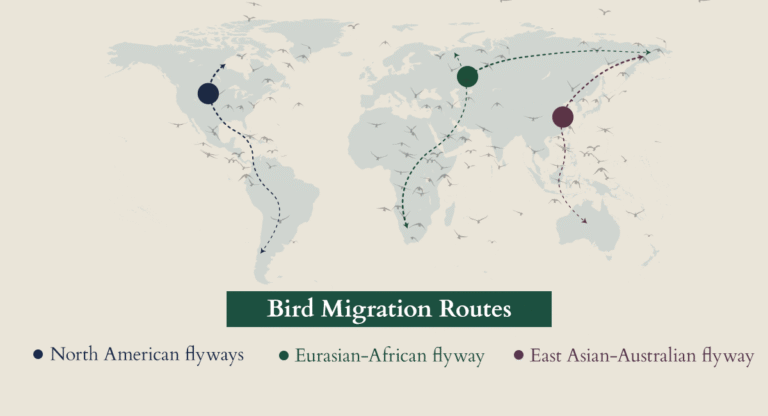
Many birds migrate, but migration is only one winter strategy. Some birds leave the northern United States for the southern states, Mexico, Central America, or the Caribbean. Others move shorter distances within the country.
Migration does not always mean escaping all cold. A bird may move to a place with more food rather than a place with warm weather. Some species remain in the same region all year if they can find enough food and shelter.
Examples of winter movement
- Arctic and northern breeders: Some travel far south after nesting.
- Short-distance migrants: Some move from Canada or the northern states into the southern United States.
- Irruptive species: Some move in large, irregular numbers when seeds or cone crops fail.
- Year-round residents: Cardinals, many chickadees, and some crows may stay in the same area.
- Altitudinal migrants: Mountain birds may move to lower elevations during winter.
Migration has risks. Birds spend energy during travel and may face storms, predators, and habitat loss. Staying put also has risks. The best strategy depends on the species, age, health, weather, and food supply.
How people can help birds in winter
The safest way to help birds is to protect habitat and reduce extra risks. Food can help, but shelter, water, and clean surroundings matter too.
Provide natural cover
Plant native evergreen trees, shrubs, and berry-producing plants suited to your part of the United States. Leave some leaf litter and seed heads in place until spring. These areas can provide food and hiding places.
A brush pile can offer shelter if it is stable and placed away from roads, fire hazards, and areas where pets can reach birds. Nest boxes may also serve as winter roosts for some species, but the box must be designed for the target bird and maintained safely.
Keep cats indoors
Free-roaming cats can kill birds in every season. Keeping cats indoors protects birds and also protects cats from cars, fights, disease, and wildlife.
If a cat catches a bird, contact a licensed wildlife rehabilitator. Do not force food or water into the bird’s mouth.
Reduce window collisions
Place feeders either within 3 feet of a window or more than 30 feet away. This placement can reduce the force of some collisions. Window markers, screens, exterior shades, and patterned films can also make glass easier for birds to detect.
If you find a stunned bird, place it in a small box with air holes. Keep the box dark and quiet. Do not offer food or water. Contact a licensed wildlife rehabilitator or local wildlife agency for instructions.
Avoid disturbing roosts
Do not repeatedly enter a tree cavity, shed, attic, or other place where birds may be roosting. Disturbance can force birds to spend energy escaping and finding a new shelter.
If birds are entering a building, wait until they leave before sealing an opening. For protected species, local, state, or federal rules may apply.

Common myths about birds in winter
Several popular ideas about cold-weather birds are incomplete or wrong.
“Birds’ feet must freeze to the branch”
Usually, they do not. A bird’s foot can grip a branch through tendon structure and muscle control. Heat exchange and reduced blood flow also limit heat loss.
A bird can still suffer frostbite or become trapped by ice. But normal roosting on a cold branch does not mean the feet freeze in place.
“Birds puff up because they are sick”
Fluffed feathers are often a normal response to cold. A healthy bird may puff up, tuck its bill, and rest for short periods.
Persistent puffing can signal illness when paired with weakness, closed eyes, trouble breathing, sitting on the ground, or failure to move away when approached. Do not handle a wild bird unless it is in immediate danger. Contact a wildlife rehabilitator.
“Feeding birds prevents them from migrating”
Feeders do not normally force healthy migratory birds to stay in an area. Migration is controlled by several signals, including daylight, weather, hormones, and food conditions.
Birds may visit feeders during migration and still continue south. If you begin feeding, keep food and water clean rather than stopping suddenly during a severe cold spell.
“Birds can live on birdseed alone”
Birdseed is only one part of a bird’s diet. Different species need different foods. Many birds also need insects, fruit, nectar, sap, or natural seeds.
A bird-friendly yard should include habitat, water, and cover. A feeder cannot replace a healthy ecosystem.

Key takeaways
- Birds stay warm through feathers, body heat, stored fat, shelter, and behavior.
- Fluffed feathers trap warm air around the body.
- Birds eat more energy-rich food during cold weather.
- Roosts protect birds from wind, rain, and snow.
- Special blood flow in the legs helps birds keep their core warm.
- Hummingbirds and some other birds use torpor to save energy.
- Migration is one strategy, but many birds remain active through winter.
- Clean food, safe water, native plants, and reduced window and cat threats can help backyard birds.
Frequently asked questions
How cold is too cold for birds?
There is no single temperature that is unsafe for every bird. Species, body size, wind, moisture, food access, and health all matter. Small birds may face serious energy loss during long, windy, wet freezes. Birds usually cope by seeking shelter, eating more, and reducing activity.
Where do birds sleep in the winter?
Birds may sleep in evergreen branches, tree cavities, dense shrubs, brush piles, nest boxes, barns, rock gaps, and other protected spaces. The best site is dry and sheltered from wind.
Do birds feel cold in winter?
Yes. Birds sense cold and respond to it. They fluff their feathers, seek shelter, eat more, shiver, and may enter torpor. Their adaptations help them manage cold, but they do not make birds immune to exposure.
Should I leave a bird feeder out during a snowstorm?
A clean, well-maintained feeder can help birds during snow or ice when natural food is hard to reach. Use fresh food, remove wet or moldy seed, and clean the feeder. Also provide natural cover and safe water when possible.
What should I do if a bird looks frozen or weak?
Watch from a distance first. A bird that is fluffed up may simply be resting. If it cannot fly, is injured, lies on the ground, or allows people to approach closely, contact a licensed wildlife rehabilitator. Do not give it food, water, or medicine unless a trained rehabilitator tells you to do so.
Conclusion
Birds survive winter by combining several small advantages. Feathers hold warm air. Food powers their metabolism. Sheltered roosts block wind. Special blood flow protects their core. Some birds migrate, while others remain active or use torpor during the coldest hours.
To help birds in your U.S. yard, protect native plants, offer clean food and water, keep cats indoors, and reduce window collisions. These steps support birds without replacing the natural habitats they need all year.