How Do Birds Not Freeze: Winter Survival Secrets
Introduction
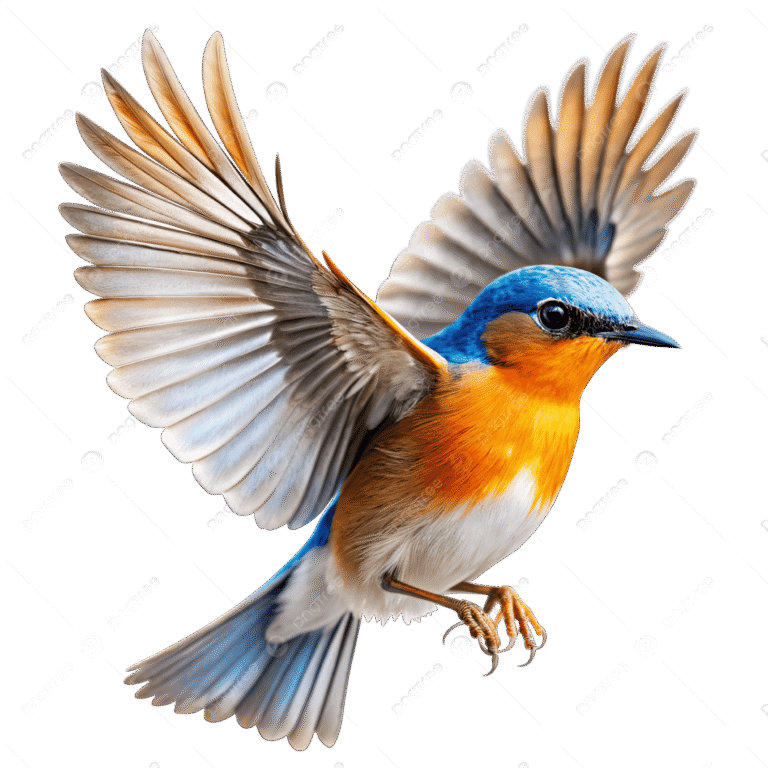
Birds across the United States survive winter through a mix of insulation, body heat, smart behavior, and special blood flow. A chickadee in Minnesota, a duck on a frozen lake, and a bald eagle in Alaska use different tools, but the basic plan is the same: limit heat loss and make enough heat to stay alive.
Birds can still suffer from cold stress, frostbite, starvation, and hypothermia. They are not immune to freezing temperatures. Their bodies simply have several ways to slow heat loss, protect vital organs, and survive cold nights.

How birds stay warm in freezing weather
Birds stay warm because their feathers trap air, their bodies produce heat, and their behavior reduces exposure to the cold. These systems work together rather than acting as one single “anti-freeze” feature.
The main defenses include:
- Insulating feathers
- Down feathers near the skin
- Shivering and other forms of heat production
- Extra food and stored body fat
- Reduced blood flow to exposed body parts
- Special heat exchange in the legs and feet
- Sheltered roosting
- Seasonal changes in plumage and behavior
Birds are warm-blooded, or endothermic. This means they produce and control their own body heat. Most birds maintain a body temperature much higher than the air around them. That advantage helps them remain active in cold weather, but it also creates a challenge: they must constantly replace the heat that escapes.
Feathers act like a winter coat
A bird’s feathers do more than help it fly. They also create an insulating layer.
When a bird fluffs its feathers, the feathers hold more still air next to the skin. Air is a poor conductor of heat, so this trapped layer slows the movement of warmth from the body into the cold air.
Birds also have different feather types with different jobs:
- Down feathers trap air close to the body.
- Contour feathers form the outer coat and help block wind.
- Flight feathers support movement and offer less insulation than down.
- Oil or powder coatings help some birds keep feathers water-resistant.
Many birds grow a denser coat of feathers before winter. This seasonal molt gives them more insulation when temperatures fall. The exact change varies by species, age, health, and habitat.
Birds shiver to make heat
Birds shiver just as humans do. Rapid muscle contractions turn chemical energy into heat. A bird may shiver under its feathers while staying still in a sheltered place.
Shivering uses a great deal of energy. For that reason, birds must eat enough food to replace the fuel they burn. A small songbird may need to find food during the short winter day, then conserve energy during the long night.
Birds also produce heat through normal muscle activity. Flying, walking, climbing, and feeding all create body heat. Some birds use short bursts of activity before settling into a protected roost.

Why birds fluff their feathers in winter
Birds fluff their feathers to create a thicker layer of trapped air. This is one of the simplest and most effective ways a bird can reduce heat loss.
You may see this at a backyard feeder in the United States. A chickadee or sparrow may look round and puffy on a cold morning. The bird has not gained weight in minutes. It has raised its feathers away from its skin.
This action works much like adding a blanket. The space between the feathers holds warm air. The outer feathers also break up air movement near the body, which reduces the cooling effect of wind.
A bird cannot fluff its feathers as well when they are wet, compressed, or damaged. This explains why cold rain can be more dangerous than dry snow. Water removes heat quickly, and wet feathers lose much of their insulating value.
Birds tuck in their heads and feet
Many birds tuck their bills into their shoulder or back feathers while resting. This reduces heat loss from the bill and face. Some birds also pull one foot up into their body feathers and switch feet from time to time.
Waterfowl often rest with their heads turned backward and their bills tucked into their feathers. This posture protects the head and keeps the bill near warm plumage.
A bird may also crouch to reduce the amount of body surface exposed to cold air. These small changes can save energy over many hours.
Roosting spots block wind
Birds choose winter roosts with care. A thick shrub, tree cavity, nest box, bridge, cliff, or sheltered building can block wind and precipitation.
Some species roost together. Shared roosting can reduce exposed surface area and help birds retain warmth. Other birds sleep alone in cavities or dense vegetation because a protected space matters more than group size.
A cavity is especially useful because it blocks wind. A bird inside a tree hole may face much less heat loss than a bird sitting on an exposed branch, even when both face the same air temperature.

How birds keep their feet from freezing
Bird feet can become very cold without freezing because birds control blood flow and use a heat-saving system called countercurrent heat exchange.
Warm blood travels from the body toward the feet through arteries. As it moves down the leg, it passes close to colder blood returning from the foot through veins. Heat moves from the outgoing arterial blood to the returning venous blood.
This arrangement warms blood headed back toward the body before it reaches the core. At the same time, blood entering the foot is cooler than core body blood. The foot can remain functional while losing less heat to the surrounding air or water.
Birds also reduce blood flow to their feet in cold conditions. This process, called vasoconstriction, limits the amount of warm blood reaching the exposed skin.
Why ducks can stand on ice
Ducks, geese, gulls, and other waterbirds often stand on ice or swim in very cold water. Their legs and feet are adapted for this exposure.
Their feet contain little muscle and less soft tissue than the body. That helps reduce heat loss. The countercurrent system also allows them to keep enough warmth in the foot for movement without sending large amounts of core heat into the environment.
Many waterbirds have additional adaptations:
- Their feet have scales that provide some protection.
- Their legs can reduce blood flow in cold conditions.
- Their body feathers provide strong insulation above the water line.
- Their feet may be close to the temperature of the ice or water.
A duck’s feet may feel cold to the touch, but that does not mean the bird is freezing. The feet operate at a lower temperature while the body core stays warm.
Why a bird’s feet do not stick to ice
Bird feet usually do not stick to ice because the skin is cold and the bird limits warm blood flow to the feet. Without enough heat to melt a thin layer of ice, the foot is less likely to freeze onto the surface.
This defense has limits. Prolonged exposure, injury, wet conditions, poor nutrition, and extreme cold can still cause frostbite. Feet are especially vulnerable when a bird cannot move normally or when circulation is impaired.

How birds find enough energy in winter
Cold weather raises a bird’s energy needs. To stay warm, a bird must use stored energy or find more food.
Many birds respond by:
- Eating high-energy foods
- Feeding during the warmest or brightest part of the day
- Storing seeds for later
- Changing their diet as foods become scarce
- Reducing activity at night
- Entering a temporary state of reduced body temperature
Seeds, nuts, insects, fruit, and animal prey can all provide energy. The best food depends on the species. A winter finch may rely on seeds, while a chickadee may seek insects hidden under bark and add seeds from feeders.
Fat is an important fuel. Before a cold night, a bird may eat heavily and build a small energy reserve. That reserve can support heat production until morning.
Why food matters more than a warm feeder
A bird feeder does not directly warm a bird. It helps only when it provides usable energy and the bird can safely digest the food.
Clean, dry, species-appropriate food can help birds during periods of snow or ice. Black-oil sunflower seed attracts many common backyard birds and contains useful fat, but no single food is right for every species.
Birds also need natural food and shelter. A feeder cannot replace shrubs, trees, insects, clean water, or protected roosts.
Can birds starve in winter?
Yes. A bird can die from cold indirectly because it runs out of energy. If food is scarce, the bird may not have enough fuel to maintain body heat through the night.
Snow and ice can cover seeds and insects. Short winter days also reduce feeding time. A storm can make the problem worse by adding wind, wet feathers, and blocked food sources at the same time.
This is why small birds often feed intensely before sunset. They are preparing for the longest and coldest part of the day.

Do birds lower their body temperature at night?
Some birds lower their body temperature at night to save energy. This state is called torpor.
Torpor is not the same as ordinary sleep. During torpor, body temperature and metabolic rate drop for a limited time. The bird uses less energy while resting.
Hummingbirds are a well-known example. In the United States, hummingbirds may enter torpor on cold nights, especially when food or shelter is limited. Their body temperature can fall sharply, and they may appear still or unresponsive until they warm up.
Other birds, including some swifts, swallows, and mousebirds, can also use forms of torpor. The ability varies by species and condition.
Torpor helps conserve energy, but it has risks. A bird must warm itself again before normal activity. It may be slow and vulnerable during that process. Torpor is a controlled survival response, not proof that every motionless bird is healthy.

Why birds do not freeze in snow and rain
Birds handle snow better than cold rain because dry feathers preserve insulation. Snow may rest on the outer feathers without reaching the skin, especially when the plumage is dense and water-resistant.
Rain creates a greater problem. Water can pass through gaps in the feather coat, compress the insulation, and carry body heat away. Wind makes wet conditions even more dangerous.
Birds reduce this risk by:
- Preening their feathers
- Spreading natural oils over the plumage
- Seeking cover before or during storms
- Limiting activity when wet and cold
- Using dense shrubs, cavities, or other sheltered areas
Preening keeps feathers aligned and helps maintain their protective structure. Birds may also use powder down, a special type of feather that breaks into water-resistant particles. This adaptation is common in some herons, pigeons, parrots, and other groups.
A bird with damaged or heavily soiled feathers may lose heat faster. Oil spills are especially harmful because they interfere with feather structure and waterproofing. Wildlife exposed to oil needs help from trained responders, not household cleaning.

What happens when a bird gets too cold?
A bird that cannot replace lost heat may develop hypothermia. Cold stress often begins with weakness, reduced movement, and poor coordination.
Possible warning signs include:
- Sitting on the ground for a long time
- Remaining fluffed up in daylight
- Eyes partly closed
- Weak grip or inability to perch
- Trouble standing or flying
- Slow response when approached
- Wet, matted, or damaged feathers
- Visible wounds or signs of frostbite
These signs do not identify one cause by themselves. Illness, injury, poisoning, dehydration, and starvation can look similar.
Do not force food or water into a weak bird’s mouth. Liquid can enter the lungs. Do not place a wild bird directly on a heating pad or use a hair dryer. Sudden heat can cause burns, stress, or dangerous overheating.
If a bird is injured, cold, or unable to fly, place it in a ventilated cardboard box lined with a smooth towel. Keep the box dark, quiet, and away from pets and children. Then contact a licensed wildlife rehabilitator or a local wildlife agency in your state. The U.S. Fish & Wildlife Service provides information about wildlife and regional contacts.

How to help birds during a U.S. winter
The best help is usually safe habitat, reliable food, and clean water. Wild birds do not need to be brought indoors simply because the temperature is below freezing.
Use these steps:
- Keep feeders clean. Remove wet, moldy, or spoiled food. Clean feeders on a regular schedule.
- Offer suitable food. Use seed or food that local birds can eat. Avoid salty, seasoned, or moldy scraps.
- Provide cover. Native shrubs, evergreen trees, brush piles, and dense hedges can block wind.
- Keep cats indoors. Predation adds stress and can kill birds that are already weak.
- Keep water safe. Use a shallow birdbath and change the water often. Never add antifreeze or chemicals.
- Reduce window strikes. Place feeders either within 3 feet of a window or more than 10 feet away, and use visible window markers.
- Pause feeding if disease spreads. If several birds look sick or dead near a feeder, stop feeding temporarily, clean the area, and contact a wildlife agency for local guidance.
Do not put a nest box or roost box in direct wind exposure. A box should have suitable ventilation and drainage. Avoid sealing a bird into a structure or handling healthy wildlife without a clear reason.

Common myths about birds and cold weather
“Birds’ feet are naturally antifreeze”
Bird feet do not contain antifreeze. They stay functional through low temperature, reduced blood flow, and countercurrent heat exchange. Severe cold can still cause frostbite.
“Birds cannot feel cold”
Birds can sense cold and respond to it. They seek shelter, fluff their feathers, eat more, shiver, and change their blood flow. Their adaptations reduce cold stress; they do not remove it.
“Snow always kills birds”
Snow alone is not usually fatal to a healthy bird with shelter and food. The greater danger often comes from a combination of deep snow, ice, wind, wet feathers, short daylight, and food shortage.
“A motionless bird is only sleeping”
Some birds use torpor, but stillness can also signal injury or illness. Check the bird from a distance first. If it remains on the ground or cannot fly, contact a licensed rehabilitator.

Key takeaways
- Birds avoid freezing through insulation, heat production, behavior, and controlled blood flow.
- Fluffed feathers trap warm air and reduce heat loss.
- Birds’ legs and feet use countercurrent heat exchange to conserve body warmth.
- Food and stored fat provide the energy needed to shiver and maintain body temperature.
- Some species use torpor to lower energy use during cold nights.
- Wet feathers, wind, injury, and lack of food can overwhelm these defenses.
- People can help by providing clean food, shelter, safe water, and fewer hazards.
Frequently asked questions
How cold is too cold for birds?
There is no single temperature that is too cold for every bird. Species, body size, feather condition, wind, moisture, food supply, and shelter all matter. Small birds often face greater energy demands because they lose heat quickly relative to their body size.
Do birds feel cold at night?
Yes. Birds sense cold and use shelter, feather insulation, reduced activity, and sometimes torpor to conserve heat. A bird may feel cold without being in danger if it has enough energy and a safe roost.
Can birds survive a snowstorm?
Many healthy birds can survive snowstorms if they have protection from wind and access to food. Storms become dangerous when snow blocks food, feathers become wet, or birds cannot find shelter.
Should I bring a cold bird inside?
Only if the bird is injured, unable to fly, or clearly unwell. A healthy wild bird should usually remain outside. If you must contain a distressed bird, use a dark, ventilated box and contact a licensed wildlife rehabilitator.
Do birds freeze to branches?
Healthy birds rarely freeze to branches because their feet are cold-adapted and they control blood flow. Ice, injury, poor circulation, and prolonged exposure can still cause frostbite or other damage.
Conclusion
Birds do not avoid winter by staying warm in one simple way. They combine feather insulation, muscle heat, stored energy, sheltered roosts, and specialized circulation. Some also lower their body temperature for short periods to save fuel.
These defenses are powerful but limited. Cold rain, strong wind, damaged feathers, food shortages, illness, and injury can put a bird at risk. For people in the United States, the most useful response is to support natural habitat, keep feeding areas clean, reduce hazards, and call a licensed wildlife rehabilitator when a bird shows signs of distress.