How Are Birds Important To The Environment: Why Birds Matter
Introduction
In the United States, birds help keep forests, farms, wetlands, deserts, and coastal areas healthy. They control insects, spread seeds, pollinate flowers, recycle nutrients, clean up dead animals, and support food webs. Their presence can also warn us when an ecosystem is under stress.
Birds are not just beautiful wildlife. They are working parts of natural systems. When bird populations fall, the effects can spread through plants, insects, soil, water, and other animals.
Key Takeaways
- Birds control many insects and other small animals.
- Some birds spread seeds and pollinate native plants.
- Vultures and other scavengers remove dead animals and recycle nutrients.
- Birds connect many parts of a food web as both predators and prey.
- Bird numbers can reveal pollution, habitat loss, climate stress, and other environmental changes.
- Healthy bird populations often depend on healthy habitats.
- People can help by protecting native plants, reducing window strikes, keeping cats indoors, and limiting pesticide use.
1. Birds Control Insects and Other Pests
Birds help control insects by eating them at many stages of their life cycle. They may feed on insect eggs, larvae, caterpillars, beetles, moths, flies, or adult insects. This natural predation can reduce the number of plant-eating insects in forests, fields, gardens, and wetlands.
Many North American birds rely on insects to feed their young. A single nest of chickadees, warblers, or wrens may require frequent insect deliveries while the parents raise their brood. Swallows and flycatchers catch insects in the air, while woodpeckers search tree trunks for larvae.
This service matters to farmers and forest managers. Insect-eating birds may reduce the need for chemical pest control, although their effect varies by habitat, bird species, season, and insect population. Birds do not eliminate every pest, and they cannot replace all farm management methods. They are one part of a wider system of natural control.
Research published in Science estimated that insect-eating birds worldwide consume hundreds of millions of tons of arthropods each year. The study used ecological estimates rather than a direct count of every bird or insect, so the number should be understood as a broad global estimate, not a precise local measure.
Examples of bird-based pest control
- Chickadees and titmice: Pick caterpillars and other insects from leaves and branches.
- Swallows and swifts: Catch flying insects above fields, lakes, and towns.
- Woodpeckers: Remove insect larvae from bark and decaying wood.
- Wrens and warblers: Search dense plants for small insects.
- Herons and kingfishers: Feed on fish and other aquatic animals, helping shape wetland food webs.
A varied bird community usually provides more types of feeding behavior. That diversity can make pest control more stable because different birds work in different places and seasons.

2. Birds Spread Seeds and Help Forests Regrow
Birds spread seeds when they eat fruit and later move away from the parent plant. They may drop the seeds in a new location or pass them through their digestive system before releasing them. This process is called seed dispersal.
Seed dispersal helps plants reach open ground, forest gaps, riverbanks, and disturbed areas. It can also reduce competition between a young plant and the parent plant. Some seeds are more likely to sprout after passing through a bird’s digestive tract, although this effect differs among plant species.
In the United States, birds such as thrushes, waxwings, jays, mockingbirds, and northern cardinals eat many fruits. Cedar waxwings can move through landscapes in groups while feeding on berries. Blue jays carry and bury acorns, helping oak trees spread. Not every buried acorn grows into a tree, but those that survive can support future forests and wildlife.
Birds are especially useful seed carriers because they can travel long distances. A bird may cross a field, stream, or patch of forest that many small mammals cannot cross easily. Migratory birds can move seeds between regions, though the effect depends on the plant, bird, distance, and habitat.
Why seed dispersal matters
Seed movement can:
- Increase plant diversity.
- Help forests recover after storms, fires, or clearing.
- Connect separated patches of habitat.
- Support plants that need animals to move their seeds.
- Provide food and shelter for insects, mammals, and other birds.
The loss of large fruit-eating birds can create a problem for plants that depend on those birds. Smaller birds may not be able to swallow or carry large seeds. This means the decline of one bird group can affect which plants are able to spread.

3. Birds Pollinate Some Plants
Pollination occurs when pollen moves from one flower to another. Birds are not the main pollinators for most plants in the United States, but they play an important role for certain flowers.
Hummingbirds are the best-known bird pollinators in North America. Their long bills and tongues allow them to reach nectar deep inside tubular flowers. As a hummingbird feeds, pollen can stick to its bill or head and move to another flower.
Bird-pollinated flowers often have features that attract hummingbirds. They may be red, orange, or pink, produce large amounts of nectar, and have shapes suited to a bird’s bill. Some plants also flower when hummingbirds are active and other pollinators are less effective.
In the United States, hummingbirds pollinate native plants such as trumpet honeysuckle, cardinal flower, bee balm, and columbine. The exact relationship varies by region. A plant that depends on hummingbirds in one habitat may have other pollinators elsewhere.
Bird pollination supports plant reproduction, but its value should not be overstated. Bees, butterflies, moths, bats, wind, and other animals perform much of the pollination work in North American ecosystems. Birds are best understood as specialized pollinators that add an important function in suitable habitats.

4. Birds Recycle Nutrients Through Their Waste
Bird droppings return nutrients to soil and water. Their waste contains compounds that can provide nitrogen, phosphorus, and other nutrients needed by plants and microorganisms.
This process is easy to see in places where seabirds gather. Colonies of gulls, pelicans, cormorants, terns, and other seabirds can move nutrients from the ocean onto islands and coastal land. Those nutrients may support plants and small organisms that would otherwise grow in nutrient-poor environments.
Inland birds also move nutrients. Birds feed in one place and rest or nest in another. Their droppings can transfer nutrients between wetlands, fields, forests, and shorelines.
Nutrient cycling has limits. Too much bird waste in a small, poorly flushed water body can add excess nutrients and contribute to water-quality problems. The environmental effect depends on the amount, location, timing, and condition of the ecosystem.
Birds also recycle nutrients when they die. Scavengers consume carcasses, and decomposers break down what remains. This returns carbon and minerals to the food web instead of leaving animal matter unused.

5. Scavenging Birds Help Clean the Environment
Scavenging birds eat dead animals. Vultures are among the most important examples because they can locate and consume carcasses quickly.
In the United States, turkey vultures and black vultures help remove carrion from roadsides, fields, forests, and open land. Their feeding reduces the time that dead animals remain exposed. This can limit the growth and spread of some harmful microbes, although vultures do not make every carcass or disease risk disappear.
Vultures have strong stomach acids and immune defenses that allow them to process many pathogens that could harm other animals. Their role is part of natural decomposition, not a substitute for safe handling of dead livestock, pets, or wildlife. People should not touch carcasses with bare hands, and animal remains near homes or roads may require local wildlife or public-health guidance.
Scavenging birds also compete with bacteria and other decomposers for food. By quickly consuming soft tissue, they change how nutrients move through an ecosystem. This can influence insects, mammals, microbes, and plants that use the remains later.
The loss of vultures in other parts of the world has been linked with serious ecological and public-health concerns. Conditions differ by country, so those findings should not be applied directly to every U.S. community. The broader lesson is clear: removing a major scavenger can change how an ecosystem handles dead animals.
6. Birds Support Food Webs
Birds are both predators and prey. This makes them important links in food webs.
Predatory birds such as hawks, eagles, falcons, owls, and ospreys eat rodents, fish, reptiles, insects, and other birds. Their feeding can affect prey numbers and behavior. For example, the presence of a raptor may cause smaller animals to avoid certain areas, changing where they feed.
Birds also provide food for other animals. Eggs, nestlings, and adult birds may be eaten by mammals, snakes, larger birds, and other predators. Even feathers, nesting material, and abandoned nests can become part of local nutrient cycles.
A food web is not a simple chain. One bird may eat many prey species and be eaten by several predators. Because of these links, changes in bird numbers may affect more than one part of an ecosystem.
Some bird species also create or modify habitat. Woodpeckers make holes in trees that later become nesting sites for other birds, bats, squirrels, and insects. These cavities can be scarce in managed forests, so woodpeckers may act as ecosystem engineers—animals that change physical features of a habitat in ways that help other species.

7. Birds Indicate Environmental Health
Birds can act as environmental indicators because they respond to changes in habitat, food, water, weather, and pollution. Their populations are often easier to observe than many insects, microbes, or small mammals.
A sudden change in bird numbers does not identify one cause by itself. Birds may decline because of habitat loss, disease, pesticides, collisions, severe weather, predators, food shortages, or changes along migration routes. Scientists need long-term data and careful study to separate these causes.
Even so, bird monitoring can reveal broad environmental trends. The North American Bird Conservation Initiative uses bird data to assess the condition of bird populations and habitats. The 2019 analysis published in Science estimated that North America had lost nearly 3 billion birds since 1970. That finding came from long-term monitoring data and statistical analysis, not from counting every bird individually.
Birds can also show local problems:
- Fewer wetland birds may signal water loss or poor habitat.
- Declines in insect-eating birds may reflect reduced insect food or pesticide exposure.
- Fewer forest birds may point to fragmentation or loss of mature trees.
- Abnormal behavior or dead birds may signal disease or contamination, but testing is needed to confirm the cause.
For this reason, birds are useful warning signs, but they are not perfect environmental meters. A healthy-looking bird population does not prove that every part of an ecosystem is healthy.

8. Birds Connect Different Habitats
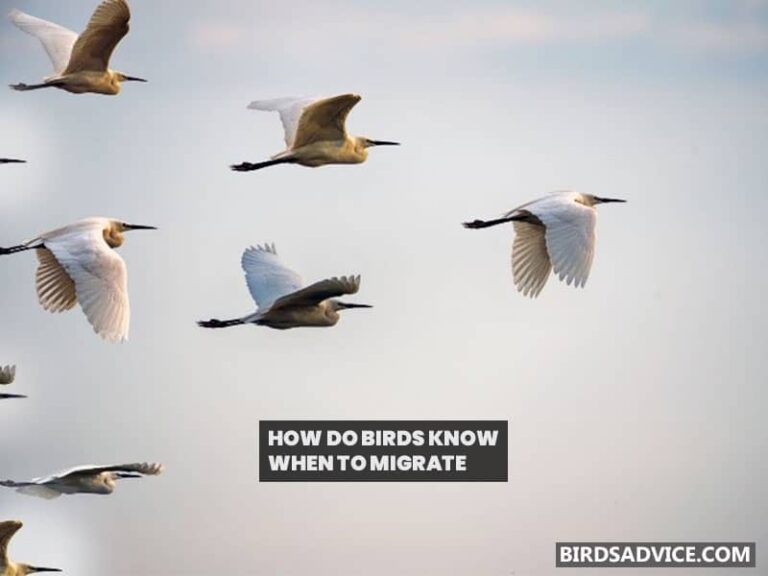
Many birds move between habitats during the day or across seasons. A bird may feed in a wetland, nest in a forest, and rest in a grassland. Migratory birds may travel between the United States, Canada, Latin America, and the Caribbean.
These movements connect distant ecosystems. A bird that eats insects in a northern forest may spend winter in a tropical wetland. A shorebird may feed along a U.S. coast while relying on stopover sites hundreds or thousands of miles away.
This makes habitat conservation a shared responsibility. Protecting only the breeding area may not be enough if a species loses its migration routes, winter habitat, or feeding sites.
The U.S. Fish and Wildlife Service manages information and conservation programs for migratory birds under the Migratory Bird Treaty Act. The law provides important protections, but it does not mean every action involving a bird, nest, or feather has the same legal status. Rules can vary by species and situation.
Bird-friendly planning therefore works best at several scales:
- Protect nesting and breeding habitat.
- Preserve wetlands, grasslands, forests, and coastal stopover sites.
- Reduce hazards along migration routes.
- Keep food and shelter available during difficult seasons.
- Coordinate conservation across state and national borders.

What Happens When Bird Populations Decline?
Bird declines can reduce insect control, seed movement, pollination, scavenging, and food-web stability. The effects are not always immediate or easy to measure. Some species can fill the same role, while others perform highly specialized functions that have few substitutes.
Bird loss often signals a deeper habitat problem. If birds disappear because native plants, insects, nesting trees, or clean water have also disappeared, other wildlife may be at risk as well.
The impact depends on the species and ecosystem. Losing a common generalist may have a different effect from losing a specialized woodpecker, seabird, vulture, or seed-dispersing bird. Conservation decisions should therefore focus on evidence from the specific region and species rather than assuming that every bird has the same ecological role.
How Can People Help Birds and the Environment?
People can support birds by improving habitat and reducing common human-made hazards. Small actions help most when many homes, farms, parks, and communities use them together.
Plant native plants
Native trees, shrubs, grasses, and flowers provide food, cover, and nesting sites. Insect-eating birds need native insects to feed their young, so a bird-friendly yard should support insects rather than remove every insect.
Choose plants suited to your local U.S. region. Local native plant societies, state wildlife agencies, and county extension offices can help identify good options.
Reduce window collisions
Birds often collide with glass because they see reflections of sky or vegetation. The U.S. Fish and Wildlife Service recommends using exterior window patterns or other methods that make glass visible to birds.
Place bird feeders either very close to a window or well away from it, rather than in the middle distance. Follow local guidance, and clean feeders to reduce disease risk.
Keep cats indoors
Free-ranging cats kill large numbers of birds and other wildlife in the United States. Indoor living also protects cats from traffic, fights, disease, and predators. A secure outdoor enclosure or supervised outdoor time can provide enrichment without allowing unrestricted hunting.
Limit pesticide use
Use nonchemical methods first when practical. Remove invasive plants, improve soil, choose resistant plants, and tolerate minor insect damage. If a pesticide is necessary, read and follow the label, protect water, and avoid spraying flowers when pollinators are active.
Protect mature trees and dead wood
Old trees and standing dead trees can provide cavities, bark habitat, and nesting sites. Remove hazardous limbs when needed, but retain safe dead wood where local conditions allow.
Report sick or dead birds safely
Do not handle sick or dead birds with bare hands. Keep pets away and contact your state wildlife agency or the U.S. Geological Survey Wildlife Health Information Sharing Partnership for current reporting guidance. Rules and disease concerns can change by location.

Common Misunderstandings About Birds’ Environmental Roles
“All birds are pollinators.”
Most birds do not pollinate plants in a major way. Hummingbirds and a limited number of other bird species are important pollinators for certain flowers.
“More birds always means a healthier ecosystem.”
A large number of birds does not prove that an ecosystem is healthy. A few adaptable species may thrive in a disturbed area while specialized species disappear.
“Birds only help nature in rural areas.”
Birds provide ecological services in cities and suburbs, too. Urban birds eat insects, spread seeds, pollinate flowers, and connect green spaces. However, artificial food sources and dense populations can also increase disease transmission or favor invasive species.
“Bird feeders are always good for birds.”
Feeders can provide food during difficult periods, but they can also spread disease, attract predators, and create conflicts with neighbors or wildlife. Keep feeders clean, place them carefully, and stop feeding temporarily if a local wildlife agency advises it.
“One bird-friendly yard can fix habitat loss.”
A single yard cannot replace a wetland, forest, or grassland. Still, connected yards, parks, school grounds, and natural areas can create useful habitat corridors. Local actions work best when paired with protection of large, intact habitats.
Frequently Asked Questions
Why are birds called indicator species?
Birds are called indicator species because their numbers, behavior, and distribution can reflect changes in habitat, food, water, and pollution. They are useful signals, but scientists need additional evidence to identify the exact cause of a change.
Are birds important to agriculture?
Yes. Insect-eating birds can help control some crop pests, and seed-eating or fruit-eating birds can affect plant communities around farms. Their benefits vary by crop, landscape, season, and bird species. Birds may also cause crop damage in some settings, so the relationship is not always positive.
Which birds are most important to the environment?
No single bird is the most important everywhere. Vultures may be especially important for scavenging, woodpeckers for creating nest cavities, hummingbirds for pollination, and fruit-eating birds for seed dispersal. The most important species depend on the ecosystem and the role being measured.
Do birds help fight climate change?
Birds do not solve climate change, but they support ecosystems that store carbon. Seed dispersal can help forests regenerate, and healthy wetlands, grasslands, and forests can store carbon in plants and soil. This does not replace direct emissions cuts or habitat protection.
How can I make my yard more useful for birds?
Plant locally native vegetation, provide layered cover, avoid unnecessary pesticide use, reduce window hazards, keep cats indoors, and offer clean water where it can be maintained safely. Food and shelter are usually more valuable than a feeder alone.
Conclusion
Birds are important to the environment because they perform many connected jobs. They control insects, spread seeds, pollinate some plants, recycle nutrients, remove carcasses, support food webs, and reveal changes in habitat.
Their value is not limited to one service or one type of landscape. A hummingbird in a U.S. garden, a woodpecker in a forest, a vulture over open land, and a shorebird on a coast each contribute in different ways.
The most useful next step is to protect the habitat birds need: native plants, clean water, nesting sites, safe migration routes, and places free from avoidable hazards. Helping birds also helps the wider ecosystems on which people and wildlife depend.